

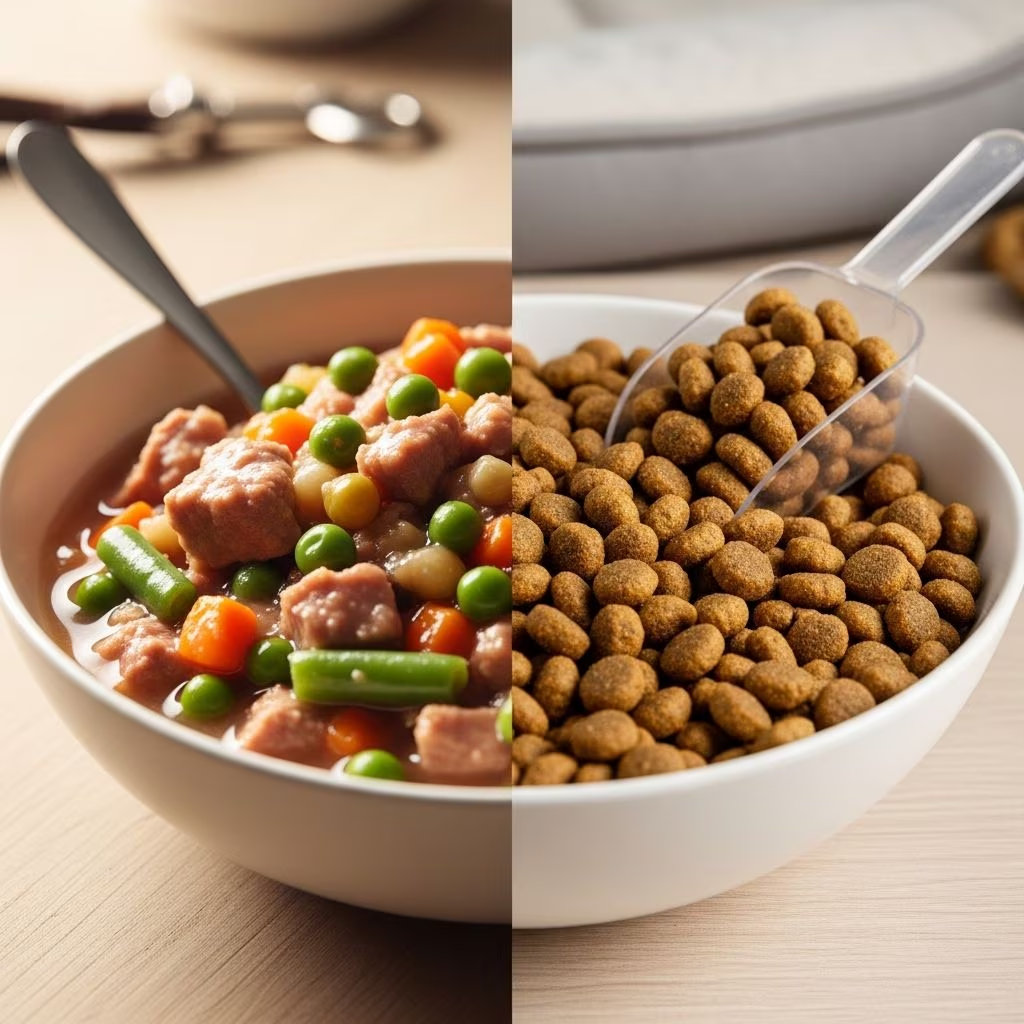
Choosing between canned and dry dog food requires understanding their nutritional differences beyond label percentages. Moisture content significantly skews ‘as fed’ values, making direct comparisons misleading. This guide explains dry matter analysis to reveal true nutrient levels, empowering better dietary decisions for your dog.
Understanding Moisture’s Impact on Labels
Dog food labels list nutrients like protein and fat ‘as fed,’ including water weight. Dry kibble typically has 10% moisture, while canned food contains 78% or more. This disparity means a 10% protein canned food might actually offer more protein than a 30% dry food on a comparable basis.
To level the playing field, calculate dry matter (DM) percentages: subtract moisture from 100, then divide the nutrient by the DM result. For instance, a canned food with 78% moisture and 9% fat yields 22% DM (100-78), so fat DM is 9/22 = 41%. Compare this to dry food at 10% moisture and 13% fat: 90% DM, 13/90 = 14% fat DM. The canned version packs over twice the fat concentration.
Protein Breakdown: Quality Over Quantity
Protein appears lower in wet foods (often 8-12% as fed) due to water, but DM-adjusted values frequently exceed dry foods (25-40% as fed). High-quality canned options emphasize meat sources, providing bioavailable amino acids essential for muscle repair and energy.
- Typical Ranges: Wet DM protein: 35-50%; Dry DM protein: 28-45%.
- Benefits for Active Dogs: Higher meat protein in wet foods supports lean muscle in working breeds.
- Senior Considerations: Easily digestible proteins aid aging dogs with reduced enzyme production.
Dry foods concentrate proteins through extrusion, but grains often supplement, potentially lowering meat-derived protein quality.
Fat Content: Energy and Palatability Factors
Fat levels in wet foods range 5-15% as fed but soar to 20-40% DM, compared to dry’s 10-20% DM. This density makes wet food calorie-rich per volume, ideal for underweight dogs but risky for sedentary ones prone to pancreatitis.
| Nutrient | Wet As Fed | Wet DM | Dry As Fed | Dry DM |
|---|---|---|---|---|
| Protein | 10% | 45% | 30% | 33% |
| Fat | 8% | 36% | 15% | 17% |
| Carbs | 5% | 23% | 40% | 44% |
This table illustrates a hypothetical comparison, highlighting how DM reveals wet food’s richer profile in proteins and fats, with fewer carbs.
Carbohydrates: The Hidden Difference
Dry foods rely on carbs (30-50% as fed) for kibble structure, often from grains or starches. Wet foods limit carbs to 5-15% as fed (20-30% DM), mimicking a more ancestral diet. Lower carbs benefit dogs with grain sensitivities or diabetes, reducing blood sugar spikes.
Caloric Density and Portion Control
Dry food delivers 300-400 kcal per cup due to low moisture; wet offers 25-40 kcal per ounce. Dogs need similar daily calories regardless, but wet’s volume promotes satiety for weight loss. Overfeeding dense wet food risks obesity; underfeeding dry may cause hunger.
- Weight Management Tip: Use DM calories per 100g for precise rationing.
- Hydration Boost: Wet food’s 70%+ water aids kidney health and urinary tract function.
Practical Steps for Home Analysis
Grab labels from your dog’s current and prospective foods. Note guaranteed analysis values. Compute DM as follows:
- DM % = 100 – Moisture %
- Nutrient DM % = (Nutrient % / DM %) x 100
- Compare across products.
Tools like online calculators simplify this, but manual math ensures accuracy. Aim for AAFCO minimums: 18% protein DM for adults, 5% fat DM.
Health Scenarios Favoring Each Type
When Wet Excels
Picky eaters, dental issues, or dehydrated dogs thrive on wet food’s aroma and texture. Post-surgery recovery benefits from soft, high-protein meals.
Dry’s Advantages
Budget-friendly and convenient, dry promotes dental scraping and stores indefinitely. Multi-dog homes appreciate scoop-and-serve ease.
Mixing Wet and Dry: Hybrid Strategies
Combine for balance: top kibble with wet for palatability, or alternate days. Maintain 10% moisture overall by adjusting ratios. Monitor stool and weight for tolerance.
Common Pitfalls in Comparisons
- Ignoring DM: Leads to overvaluing dry protein claims.
- Calorie Oversight: Wet’s bulk fools owners into underfeeding energy needs.
- Spoilage Risk: Refrigerate uneaten wet within 2 hours.
FAQs: Wet vs Dry Dog Food Nutrition
Is wet dog food healthier than dry?
Neither is inherently superior; both can meet nutritional standards when quality-formulated. Wet aids hydration, dry offers convenience.
How do I calculate dry matter for my dog’s food?
Subtract moisture percentage from 100 for DM, then divide nutrient percentage by DM and multiply by 100.
Does wet food have more protein?
On DM basis, often yes, due to meat focus and water dilution on labels.
Can I switch from dry to wet abruptly?
No; transition over 7-10 days to prevent digestive upset.
Which is better for puppies?
Both work if complete; wet eases teething, dry builds jaw strength.
Expert Insights on Long-Term Feeding
Veterinarians note no long-term nutritional edge for either format in healthy dogs. Prioritize ingredient quality, life stage matching, and veterinary advice for conditions like allergies or obesity.
Incorporate variety thoughtfully, using DM analysis to balance macros. Regular weigh-ins and vet checkups ensure optimal health.
References
- How to Compare Nutrient Levels in Canned Dog Foods with Dry Foods — Whole Dog Journal. 2023-01-01. https://www.whole-dog-journal.com/food/how-to-compare-nutrient-levels-in-canned-dog-foods-with-dry-foods/
- Canned or Dry Dog Food — Dog Food Advisor. 2024-05-15. https://www.dogfoodadvisor.com/choosing-dog-food/canned-or-dry-dog-food/
- Wet Vs Dry Dog Food: Which is Right for Your Pup — Nature’s Logic. 2025-02-20. https://natureslogic.com/blog/wet-vs-dry-dog-food/
- Dry vs Wet Dog Food in 2025: A Vet’s Thorough Comparison — Ask A Vet. 2025-01-10. https://askavet.com/blogs/pet-food-nutrition/dry-vs-wet-dog-food-in-2025-a-vet-s-thorough-comparison-%F0%9F%90%B6
- Dry vs. Wet Dog Food, or Both? — PetMD. 2024-11-05. https://www.petmd.com/dog/nutrition/dry-dog-food-vs-wet-dog-food-which-better



