

Communal Dog Water Bowl Safety: Health Risks and Prevention
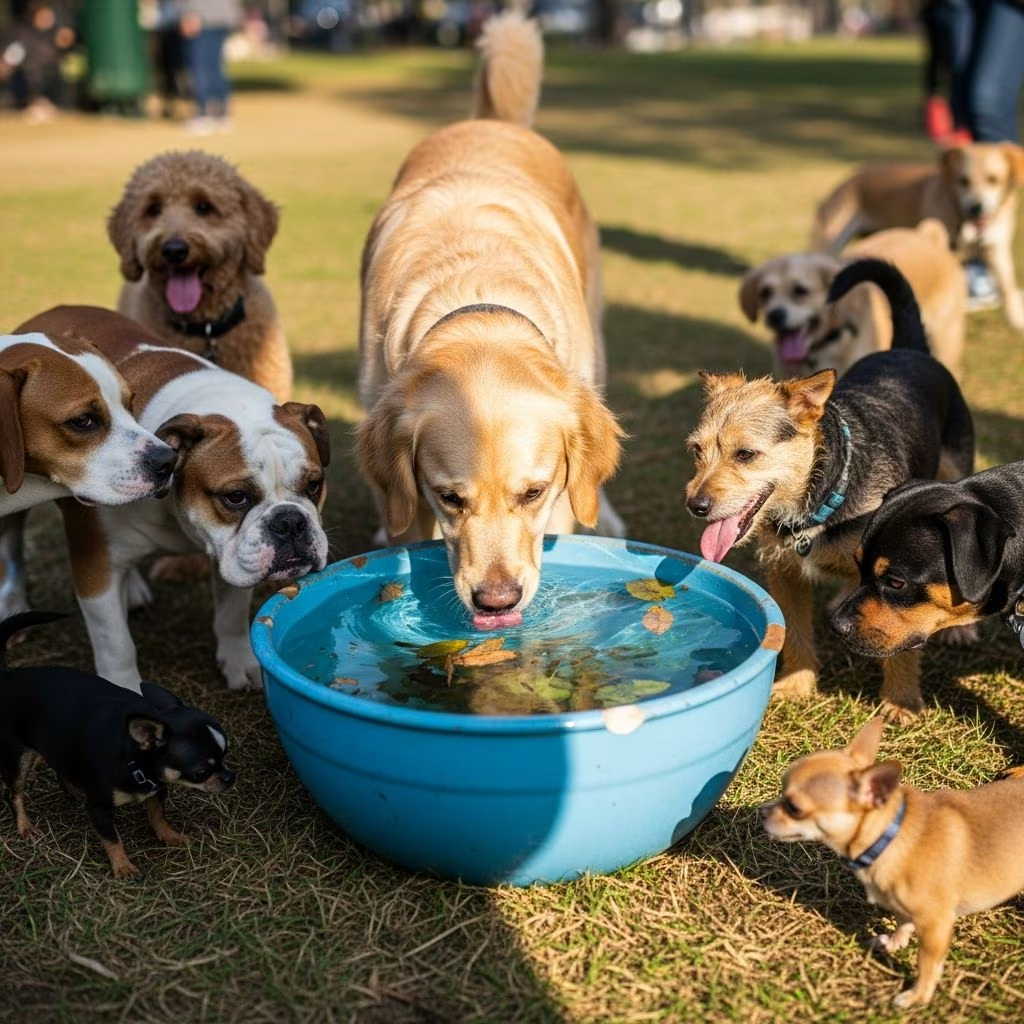
Communal water bowls found in dog parks, outdoor cafés, storefronts, and other public spaces may seem like a thoughtful provision for thirsty dogs. However, these shared drinking sources can pose significant health risks to your canine companion. While it’s natural to want to keep your dog hydrated, especially during warm weather, understanding the dangers associated with communal bowls is essential for protecting your pet’s wellbeing. This comprehensive guide explores the health hazards of public water bowls and provides practical strategies to keep your dog safe.
Understanding Communal Water Bowl Contamination
Communal water bowls are breeding grounds for harmful pathogens that can compromise your dog’s health. When multiple dogs drink from the same bowl throughout the day, they introduce saliva containing bacteria and viruses. Additionally, dogs may step into bowls with contaminated paws, leaving fecal matter and parasites behind. Environmental factors further complicate the problem: dirt, debris, leaves, and other contaminants can fall into unattended bowls. Without regular cleaning and maintenance, these shared water sources become increasingly hazardous.
The risk is particularly pronounced during warmer months. Research indicates that warmer temperatures can double the rate of bacterial growth in water, making summer an especially risky time for communal bowl usage. Standing water left in outdoor elements becomes a perfect environment for harmful microorganisms to thrive and multiply rapidly.
Common Diseases Transmitted Through Communal Water Bowls
Parasitic Infections
Parasites represent one of the most common threats found in public water bowls. Giardia is particularly prevalent, spreading through the fecal-oral route and flourishing in standing water. This intestinal parasite causes severe gastrointestinal distress, with puppies and immune-compromised dogs facing heightened vulnerability to dehydration and nutrient loss. Notably, dogs can carry and shed Giardia without showing symptoms, creating a persistent source of infection for other animals.
Cryptosporidium is another parasitic threat found in contaminated water sources. Both parasites survive well in water and can cause prolonged diarrhea and other serious health complications in affected dogs.
Bacterial Infections
Common bacteria such as E. coli and Salmonella are frequently found in communal water sources. Dogs consuming contaminated water can experience severe gastrointestinal issues ranging from mild stomach upset to life-threatening endotoxemic shock. These pathogens are particularly problematic because they can survive in water bowls for extended periods, especially if the bowl isn’t cleaned regularly.
Leptospirosis represents another serious bacterial threat that spreads through rodent urine and can be fatal to both dogs and humans. Rodents frequently contaminate unattended outdoor bowls overnight, leaving bacteria that poses significant danger to any dog drinking from the contaminated water.
Viral Infections
Certain viruses can proliferate in communal bowls, putting dogs at risk for serious conditions. Kennel cough spreads readily through contaminated objects, including water bowls. Canine parvovirus and canine influenza can also be transmitted through shared drinking sources. These viral infections can cause significant illness and require veterinary intervention.
Fungal Infections
Fungi thrive in warm, damp conditions typical of outdoor water bowls. Mold and yeast contamination can lead to fungal infections affecting your dog’s skin, ears, and digestive system. These infections often require antifungal treatment and can persist if the underlying contamination isn’t addressed.
Why Public Water Bowls Remain Risky Despite Appearing Clean
One of the most dangerous misconceptions about communal water bowls is that clear-looking water is safe water. Dr. Lori Teller of Texas A&M University explains that “stagnant water can retain environmental contaminants, such as plant material, parasites, toxins, mold, and more.” Invisible to the naked eye, these hazards pose serious threats to your dog’s health.
The material of the bowl itself can harbor danger. Plastic and ceramic bowls may develop biofilms—layers of bacteria that resist standard cleaning—particularly if the material is scratched or chipped. A 2011 study by NSF, a consumer-protection organization, revealed that dog bowls rank among the top five dirtiest objects in most homes. In public settings with irregular cleaning, this problem becomes exponentially worse.
Wildlife and rodents can contaminate unattended bowls overnight, and when dogs step in fecal matter during play, they can splash it back into the water, creating a slurry of multiple pathogens. Even in seemingly controlled environments, communal bowls present significant infection risks.
Risk Factors and Vulnerable Dogs
While all dogs face risks when drinking from communal bowls, certain groups are more vulnerable:
- Puppies: Young dogs have developing immune systems and are more susceptible to severe illness from parasites and pathogens.
- Senior Dogs: Older dogs often have weakened immune systems and may struggle to recover from infections.
- Immunocompromised Dogs: Dogs with existing health conditions or taking immunosuppressive medications face heightened vulnerability.
- Dogs on Raw Diets: These dogs are more likely to shed bacteria like Salmonella and E. coli, both to themselves and others sharing a bowl.
- Unvaccinated Dogs: Dogs lacking current vaccinations against kennel cough, parvovirus, and canine influenza face increased infection risk.
Practical Prevention Strategies
Bring Your Own Water Source
Veterinarians widely recommend bringing your own portable water bowl and fresh water when traveling with your dog. A collapsible bowl takes minimal space in a bag or backpack and provides a safe, clean drinking option. This single step eliminates the vast majority of risks associated with communal bowls and provides peace of mind.
Stay Hydrated Without Communal Bowls
Rather than relying on shared water sources, carry adequate fresh water for your dog’s outings. Most dog-friendly establishments welcome dogs whose owners bring their own water bowls. Many pet supply companies offer lightweight, portable hydration solutions designed specifically for mobile dog owners.
Recognize When to Prioritize Hydration
Veterinarians acknowledge that dogs require proper hydration, particularly in warm weather. If your dog is genuinely thirsty and you have no alternative, allowing drinking from a communal bowl may be preferable to risking dehydration. However, this should be a last resort rather than a regular practice. The key is weighing immediate hydration needs against potential infection risks on a case-by-case basis.
Choose Safer Public Spaces
Some venues maintain higher standards for communal bowls. Structured environments with regular sanitization and vaccination requirements for participating dogs present lower risks than unattended sidewalk bowls or dog parks with minimal oversight. When possible, patronize establishments that prioritize pet health and safety.
Signs Your Dog Has Consumed Contaminated Water
After exposure to communal water bowls, watch for these warning signs:
- Vomiting or retching
- Diarrhea or loose stools
- Loss of appetite
- Lethargy or unusual tiredness
- Abdominal pain or bloating
- Fever
- Difficulty breathing (particularly with kennel cough)
- Dehydration signs
If your dog exhibits any of these symptoms following exposure to a communal water bowl, contact your veterinarian promptly for evaluation and treatment.
Maintaining Your Dog’s Home Water Bowl
Since communal bowls carry significant risks, ensuring your home water bowl remains clean and safe is essential. Regular cleaning prevents bacterial biofilm formation and maintains water quality. Stainless steel bowls are preferable to plastic or ceramic alternatives, as they resist bacterial colonization and are easier to sanitize. Replace your dog’s water daily with fresh, clean water and wash the bowl thoroughly with hot soapy water at least once daily.
Frequently Asked Questions
Q: Can my dog get sick from a communal water bowl that looks clean?
A: Yes. Contamination is often invisible to the eye. Parasites, bacteria, viruses, and toxins can lurk in clear-looking water. Biofilms and mold may form on bowl surfaces, even if the water appears clean. Visual appearance is not a reliable indicator of water safety.
Q: What are the most common diseases dogs get from communal water bowls?
A: The most common diseases include Giardia, Leptospirosis, Salmonella, E. coli infections, kennel cough, and canine influenza. Puppies and immunocompromised dogs are particularly vulnerable to severe illness from these conditions.
Q: Is it safe if only vaccinated dogs use the communal bowl?
A: Vaccination status reduces some risks but doesn’t eliminate them entirely. Vaccinated dogs may still carry and shed parasites or bacteria without showing symptoms. Additionally, not all diseases have reliable vaccines, and vaccination doesn’t protect against parasitic or bacterial infections from contaminated water.
Q: How quickly can pathogens grow in standing water?
A: Bacterial growth accelerates rapidly in warm conditions, potentially doubling within hours. Standing water left in sunlight or warm weather becomes increasingly hazardous the longer it remains unchanged. Regular bowl cleaning and water replacement are essential in any setting.
Q: What type of portable water bowl is safest for my dog?
A: Collapsible bowls made from food-grade silicone or nylon are lightweight and easy to clean. Stainless steel portable bowls offer superior hygiene but weigh slightly more. Whatever you choose, ensure it’s easy to wash and dry thoroughly between uses.
Q: Should I avoid all communal water bowls completely?
A: While avoiding communal bowls is the safest approach, the risks must be weighed against your dog’s immediate hydration needs. During very hot weather, your dog’s health depends on adequate water intake. Bring your own bowl whenever possible, but don’t allow dehydration to prevent your dog from receiving necessary water.
Q: Can humans catch diseases from contaminated communal dog water bowls?
A: Yes. Certain pathogens found in contaminated dog bowls, including Salmonella and Leptospirosis, can infect humans. Practicing good hygiene when handling shared water bowls is important for family health as well as pet safety.
Taking Responsibility for Your Dog’s Health
Your dog depends on you to make decisions that prioritize their health and safety. While communal water bowls present real dangers, these risks are easily mitigated through simple preventive measures. Carrying a portable bowl with fresh water requires minimal effort but provides maximum protection against serious illness.
Understanding the hidden dangers in communal water bowls empowers you to make informed choices. Whether enjoying time at a dog park, visiting dog-friendly establishments, or simply taking a walk through your neighborhood, bringing your own water source is the most effective way to ensure your dog’s safe hydration. This small step can prevent serious illness, save veterinary expenses, and provide peace of mind knowing your dog is protected from preventable diseases.
References
- The Hidden Health Risks of Communal Water Bowls for Dogs — Pulivarthy Group. 2024. https://pulivarthigroup.com/the-hidden-health-risks-of-communal-water-bowls-for-dogs/
- Dangers of Communal Water Bowls for Dogs — Whole Dog Journal. 2024. https://www.whole-dog-journal.com/health/dangers-of-communal-water-bowls-for-dogs/
- Check Up With Blum: Communal Water Bowls — Windy City Paws. 2024. https://windycitypaws.com/blog/check-up-with-blum-communal-water-bowls/
- Dogs May Risk Deadly Infection When They Drink From Communal Water Bowls — Greater Good. 2024. https://greatergood.com/blogs/news/communal-water-bowl
- Veterinarians warn pet owners about dangers of letting dogs use public water bowls — Boston 25 News. 2024. https://www.boston25news.com/news/local/veterinarians-warn-pet-owners-about-dangers-letting-dogs-use-public-water-bowls/QK5YJO3OXZF6DPZS3NVHPID7GA/
- Sharing Is Not Always Caring: Realities Of Communal Water Bowls — Texas A&M University. August 8, 2024. https://stories.tamu.edu/news/2024/08/08/sharing-is-not-always-caring-realities-of-communal-water-bowls/



