

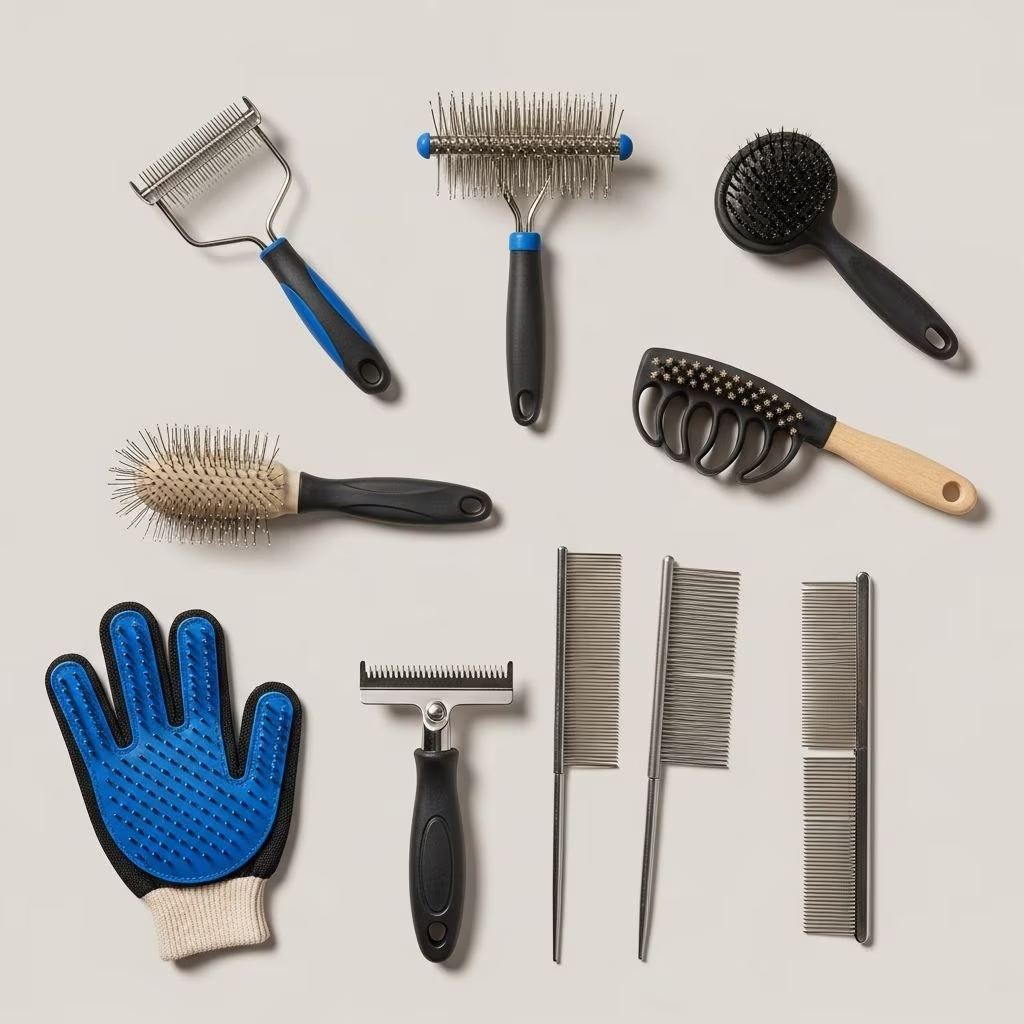
Regular grooming is essential for maintaining your cat’s coat health, reducing shedding, and preventing mats. With various cat brushes available, choosing the right one depends on your cat’s coat type—short, medium, long, curly, or double-coated. This guide covers the **8 common types of cat brushes**, their benefits, ideal uses, and tips for effective grooming. Whether your cat loves or hates brushing, there’s a tool to suit every feline.
The 8 Types of Cat Brushes
Cat brushes come in diverse designs to address different grooming needs, from daily maintenance to heavy shedding seasons. Below, we detail each type, recommended coat types, pros, cons, and grooming tips based on veterinary insights and expert recommendations.
1. Bristle Brush
The **bristle brush** features soft to firm nylon or natural bristles, similar to human hairbrushes. It’s versatile for distributing natural oils, removing dirt, and adding shine. For **short-haired cats**, use tightly spaced bristles with long strokes from head to tail. **Long-haired cats** benefit from widely spaced bristles as a finishing tool after detangling.
- Best for: All coat types, especially short and medium coats
- Pros: Enhances coat shine, gentle massage, wide variety for sensitive skin
- Cons: Not ideal as primary tool for longhaired cats prone to tangles
- Frequency: Daily for short coats, 2-3 times weekly for others
Soft bristles are perfect for brushing-averse cats, mimicking a gentle petting sensation. Veterinary guides recommend it as a finisher after deshedding.
2. De-shedding Brush
**De-shedding brushes** use a combination of bristles and a rounded blade to safely remove undercoat and loose hair without cutting skin. Ideal for heavy shedders, they reach deep into the coat to prevent hair from scattering around your home.
- Best for: Longhaired, double-coated breeds like Persians or Maine Coons
- Pros: Reduces shedding by up to 90%, comfortable if used gently
- Cons: Not for daily use; avoid on delicate skin
- Frequency: 1-2 times weekly during shedding seasons
Follow the grain of the fur with light pressure. These tools are especially effective on cats with thick undercoats, as per grooming experts.
3. Double-Sided Brush
A **double-sided brush** (or combo brush) has a pin side for detangling and a bristle side for smoothing. It’s a space-saver for multi-coat households.
- Best for: Medium to long-haired cats
- Pros: Two tools in one, versatile for tangles and finishing
- Cons: May overwhelm brush-hating cats
- Frequency: 3-4 times weekly
Use the pin side first on tangles, then bristles for polish. Great for Ragdolls or British Shorthairs.
4. Grooming Glove
**Grooming gloves** (or mitts) fit over your hand with rubber or silicone nubs, simulating petting while collecting loose hair. Perfect for cats that flee traditional brushes.
- Best for: Short to medium coats, sensitive or fearful cats
- Pros: Feels like stroking, removes dirt/dander easily, machine-washable
- Cons: Less effective on heavy mats or long fur
- Frequency: Daily during playtime
Pet in circular motions; rinse off hair. Vinyl or rubber versions excel at oil distribution.
5. Pin Brush
**Pin brushes** have metal or plastic pins with protective balls at the tips, safely detangling without snagging. They stimulate oils for a glossy finish.
- Best for: Medium to long, curly coats
- Pros: Removes tangles gently, adds shine
- Cons: Ineffective on very short hair
- Frequency: 2-3 times weekly
Gently tease out knots starting from ends. Ideal for breeds like Scottish Folds.
6. Rubber Massage Brush
Also called **curry brushes**, these silicone/rubber tools have wide, flexible nubs for massaging and loosening debris. Many cats adore the sensation.
- Best for: All coats, especially sensitive skin; use wet for bathing
- Pros: Massage effect, lathers shampoo, removes loose hair
- Cons: Doesn’t handle mats well
- Frequency: Daily
Circular motions promote circulation. Excellent intro tool for grooming novices.
7. Slicker Brush
**Slicker brushes** feature fine, bent metal wires on a flat/curved head, excelling at undercoat removal, mats, and shine. Choose flexible pads for comfort.
- Best for: Medium/long coats, heavy shedders
- Pros: Detangles mats, great for double coats
- Cons: Wires can irritate if too firm; use light pressure
- Frequency: 2-3 times weekly
Short, outward strokes; soft-pin versions for bellies. Vet-approved for line brushing underlayers.
8. Dematting Comb
**Dematting combs** have long, spaced blades to slice through severe mats without pulling surrounding fur. Use as a last resort.
- Best for: Long-coated cats with mats
- Pros: Targeted mat removal
- Cons: Not for daily grooming; requires skill
- Frequency: As needed
Work from knot ends; follow with slicker. Prevents painful professional clipping.
Choosing the Right Brush for Your Cat’s Coat Type
Match tools to coat for best results:
| Coat Type | Recommended Brushes | Grooming Frequency |
|---|---|---|
| Short | Rubber glove, Bristle, De-shedding (weekly) | 2-3x/week |
| Medium | Slicker, Double-sided, Pin | 3x/week |
| Long | Pin, Slicker, Dematting comb | Daily/every other day |
| Double/Curly | De-shedding, Slicker (soft), Wide-tooth comb | 3-4x/week |
| Hairless | Grooming glove, Microfiber cloth | Weekly wipe |
Start slow with treats; positive reinforcement builds tolerance.
Frequently Asked Questions (FAQs)
Q: How often should I brush my cat?
A: Short coats: 2-3 times weekly; long coats: daily. Increase during shedding.
Q: Can I use dog brushes on cats?
A: Some combo brushes work, but cat-specific sizes prevent injury.
Q: What if my cat hates brushing?
A: Try gloves or rubber brushes; groom during relaxed moments.
Q: Does brushing reduce hairballs?
A: Yes, by removing ingested fur; combine with diet.
Q: When to see a vet for grooming issues?
A: Persistent mats, skin irritation, or excessive shedding.
Benefits of Regular Brushing
Brushing stimulates blood flow, distributes oils, checks for fleas/parasites, and bonds you with your cat. It cuts shedding by 50-90% and prevents mats that cause discomfort or infections.
References
- Vet-Approved Cat Brushing Guide 2025 — AskAVet (Dr. Duncan Houston BVSc). 2025-01-01. https://askavet.com/blogs/news/vet-approved-cat-brushing-guide-2025-how-often-best-brushes-by-dr-duncan-houston-bvsc-%F0%9F%90%B1
- Choosing the Right Grooming Tools for Your Cat’s Coat Type — Petmate Academy. 2024-06-15. https://www.petmate.com/blogs/petmate-academy/cat-grooming-tools-coat-type
- Best Cat Brushes, Worst Cat Brushes: The Ultimate Guide — Bailey Brush. 2023-11-20. https://baileybrush.com/blogs/bailey-blog/best-cat-brushes-worst-cat-brushes-the-ultimate-guide-to-every-kind-of-cat-brush
- Cat Breed & Brush Guide — Tangle Teezer US. 2024-03-10. https://us.tangleteezer.com/pages/cat-breed-brush-guide
- The Perfect Coat: 7 Cat Hair Brush Types — Litter-Robot Blog. 2024-08-05. https://www.litter-robot.com/blog/cat-hair-brush/



