

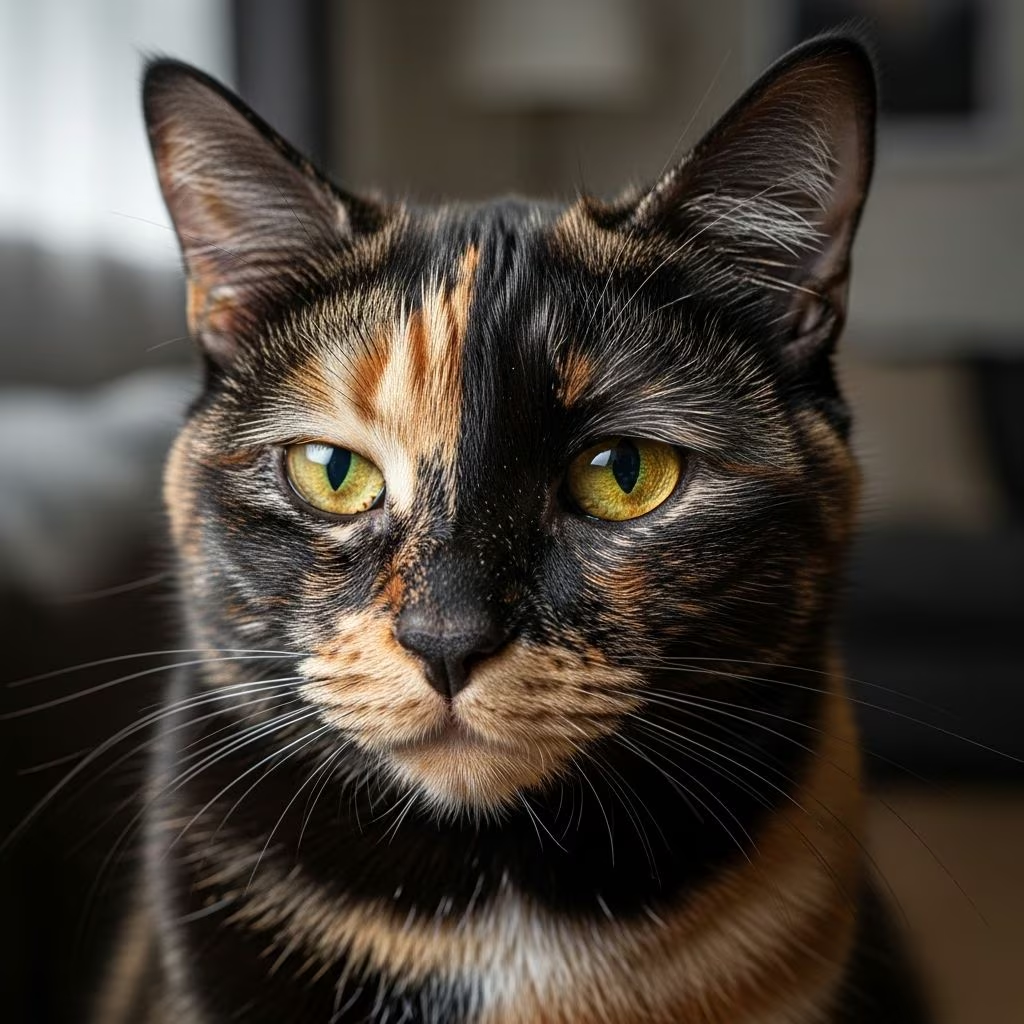
Tortoiseshell cats, or “torties,” are beloved for their stunning multicolored coats blending black, orange, and sometimes white patches. However, these felines, nearly always female due to X-chromosome genetics, may face specific health challenges. This article covers the most common tortoiseshell cat health problems, prevention tips, and care advice to help your tortie thrive.
What Is a Tortoiseshell Cat?
Tortoiseshell cats are not a breed but a coat color pattern featuring a mosaic of black, orange, and cream fur. This unique coloration results from X-chromosome inactivation in females, making male torties extremely rare and often linked to genetic conditions like Klinefelter syndrome. Torties typically have short to medium-length fur, expressive gold or green eyes, and vibrant personalities often described as sassy or independent.
These cats exhibit high intelligence, playfulness, and vocal tendencies, earning them a reputation for “tortitude.” While generally healthy with lifespans of 12-16 years or more, certain health predispositions warrant attention.
Common Health Problems in Tortoiseshell Cats
Tortoiseshell cats share many health issues with other felines but show elevated risks for specific conditions, potentially tied to genetics, sex linkage, or stereotypes influencing owner perceptions. Key concerns include:
- Urinary Tract Issues: Torties are prone to feline lower urinary tract disease (FLUTD) and kidney stones, triggered by stress, dehydration, or diets high in magnesium/phosphorus.
- Obesity: Sedentary lifestyles contribute to weight gain, leading to diabetes, heart disease, and joint problems.
- Hyperthyroidism: Studies of over 4,000 cats link torties to higher risks compared to solid-colored cats, possibly due to female predisposition.
- Cancer Risks: Some evidence suggests increased cancer prevalence, though more research is needed.
- Dental Disease: Common across cats but exacerbated by diet and genetics.
Feline Lower Urinary Tract Disease (FLUTD)
FLUTD encompasses bladder inflammation, infections, and blockages. Tortoiseshell cats experience symptoms like frequent urination attempts, straining, blood in urine, and lethargy. Males face higher blockage risks, but female torties are still vulnerable. Causes include stress (e.g., household changes), inadequate hydration, and poor diet.
Prevention involves stress reduction via pheromone diffusers, multiple litter boxes, and wet food diets. Immediate vet care is critical, as untreated FLUTD can lead to kidney failure.
Obesity and Related Conditions
Obesity affects up to 60% of cats, with torties at risk due to their indoor lifestyles and hearty appetites. Excess weight strains joints, promotes diabetes (insulin resistance), and worsens heart health. Monitor body condition score: ribs should be palpable without excess fat.
| Ideal Weight Management | Tips |
|---|---|
| Portion Control | Measure food; avoid free-feeding |
| Diet | High-protein, low-carb formulas |
| Exercise | Interactive toys, daily play (30 mins) |
| Monitoring | Weigh monthly; adjust calories |
Hyperthyroidism
This endocrine disorder causes overactive thyroid glands, leading to weight loss, hyperactivity, vomiting, and poor coat condition. Research shows torties have elevated odds ratios for hyperthyroidism versus black cats, linked to X-chromosome factors. Diagnosis via blood tests (T4 levels); treatments include medication, surgery, or radioactive iodine.
Senior torties (over 10 years) need annual thyroid screenings.
Other Potential Issues
- Kidney Disease: Chronic kidney issues correlate with urinary problems; early detection via urinalysis.
- Cancer: Anecdotal and preliminary studies note higher incidences; regular exams aid early intervention.
- Dental Problems: Plaque buildup causes gingivitis; daily brushing and dental diets prevent.
Prevention and Care Tips for Tortoiseshell Cats
Proactive care extends tortie lifespans. Focus on balanced nutrition, hydration, exercise, and mental stimulation.
- Diet: Feed age-appropriate, AAFCO-approved food with ample moisture. Avoid magnesium-rich dry-only diets.
- Hydration: Fountains encourage drinking; aim for 50-100ml/kg body weight daily.
- Exercise: Puzzle feeders and laser pointers combat boredom and obesity.
- Litter Management: Scoop daily; one box per cat plus one extra.
- Grooming: Weekly brushing reduces hairballs; check ears/teeth routinely.
When to See a Vet
Schedule annual wellness exams, including bloodwork for seniors. Seek immediate care for:
- Blood in urine/stool
- Lethargy or appetite loss
- Straining to urinate/defecate
- Unexplained weight changes
- Vomiting >2x/day
Puppy/kitten vaccines transition to adult boosters; spay/neuter by 6 months prevents reproductive cancers.
Tortoiseshell Cat Personality and Behavior
Beyond health, torties are spirited: intelligent, vocal, and affectionate yet independent. Owner surveys describe them as feistier, but evidence shows low human aggression overall. Provide enrichment to curb stress-related issues.
Frequently Asked Questions (FAQs)
Are tortoiseshell cats prone to more health problems?
Yes, torties show higher risks for FLUTD, obesity, hyperthyroidism, and possibly cancer, per studies and vet observations.
How can I prevent urinary issues in my tortie?
Promote hydration with wet food/fountains, reduce stress, and use urinary health diets. Annual vet checks are key.
Do male tortoiseshell cats exist?
Rarely; they often have genetic anomalies like XXY chromosomes and may face fertility/ health issues.
What is the lifespan of a tortoiseshell cat?
Typically 12-16 years, up to 20+ with good care.
Is tortitude linked to health?
Tortitude (sassy behavior) is stereotypical; stress from it may exacerbate urinary problems.
Conclusion
Tortoiseshell cats bring joy with their beauty and personality, but awareness of health risks like FLUTD, obesity, and hyperthyroidism ensures long, happy lives. Partner with your vet for tailored care.
References
- Tortoiseshell Cat: Characteristics and Care Tips — Uahpet. 2023. https://www.uahpet.com/blogs/hydration-health/tortoiseshell-cat-characteristics-and-care-tips
- Little Sass, Little Class: Understanding Tortoiseshell Cats — Lovet. 2023. https://www.lovet.com/blog/understanding-tortoiseshell-cats/
- The link between coat colour, disease and behaviour in cats — Vet Times. 2023. https://www.vettimes.com/news/vets/small-animal-vets/the-link-between-coat-colour-disease-and-behaviour-in-cats



