Common Signs Your Rabbit Is Sick: What to Know
Learn the key warning signs that indicate your rabbit needs veterinary care and attention.
Rabbits are popular pets known for their gentle nature and endearing personalities. However, they can be prone to various health issues that require immediate attention. As a responsible rabbit owner, it’s crucial to recognize the warning signs that indicate your rabbit may be unwell. Unlike dogs or cats, rabbits often hide their illness until it becomes severe, making early detection even more important. Understanding the common signs of sickness in rabbits can help you provide timely care and potentially save your pet’s life.
Changes in Appetite
One of the most significant indicators that your rabbit is sick is a change in eating habits. A healthy rabbit has a consistent appetite and enjoys munching on hay, vegetables, and pellets throughout the day. If you notice your rabbit eating less than usual, refusing food entirely, or showing reluctance toward their favorite treats, this could signal an underlying health problem.
Loss of appetite, also known as anorexia, can indicate various conditions ranging from dental disease to gastrointestinal stasis. Additionally, pseudoanorexia—where your rabbit wants to eat but cannot due to pain or difficulty swallowing—is equally concerning. Weight loss often accompanies appetite changes and should never be ignored. If your rabbit refuses to eat or shows decreased interest in food for more than a few hours, contact your veterinarian immediately.
Abnormal Droppings and Digestive Issues
Your rabbit’s fecal output is an excellent indicator of their digestive health. Normal rabbit droppings are round, uniform pellets that your rabbit produces consistently throughout the day. Changes in the appearance, size, quantity, or frequency of droppings warrant concern.
Common digestive problems include diarrhea, constipation, smaller droppings than usual, or no droppings at all. These symptoms may indicate gastrointestinal stasis, a serious condition where the rabbit’s digestive system slows down or stops functioning properly. GI stasis can be life-threatening and requires immediate veterinary intervention. Additionally, if you notice mucus or blood in your rabbit’s feces, this is a medical emergency that demands urgent attention.
Behavioral Changes
Rabbits have distinct personalities and established behavioral patterns. When your rabbit is sick, you’ll often notice significant deviations from their normal behavior. A normally active rabbit may become withdrawn, spending most of their time in one spot without moving or interacting with their environment.
Conversely, some sick rabbits may become unusually aggressive or irritable. Decreased movement, reluctance to engage in normal activities, or hiding more than usual are red flags. Your rabbit might also show changes in their social interactions—becoming less affectionate or avoiding your touch. Any sudden or progressive behavioral shift should alert you to a potential health issue and warrant a veterinary consultation.
Vocalizations and Teeth Grinding
While rabbits are generally quiet animals, they do communicate through various vocalizations. Aggressive growling—a low, guttural sound—is concerning and may indicate pain or distress. More importantly, audible teeth grinding is a significant warning sign that should never be dismissed.
It’s essential to distinguish between normal teeth grinding and signs of illness. Healthy rabbits sometimes produce soft purring sounds by grinding their teeth gently when content. However, loud, sharp, grinding sounds indicate pain and should be treated as a medical emergency. Teeth grinding often accompanies other symptoms and may suggest dental disease, gastrointestinal problems, or other painful conditions.
Changes in Gait and Posture
Rabbits are naturally agile and sure-footed creatures. Abnormalities in their movement patterns, posture, or balance should raise immediate concern. If your rabbit is stumbling, staggering, or showing difficulty moving, this could indicate neurological issues, ear infections, or other serious conditions.
Head tilt, also known as wry neck, is a particularly noticeable symptom where your rabbit holds their head cocked to one side. This may be continuous or intermittent and can result from ear infections, neurological problems, or other underlying conditions. Additionally, changes in posture such as assuming an exaggerated hunched position may indicate pain, particularly gastrointestinal discomfort. If your rabbit appears to be pressing their belly into the ground or repeatedly stretching to relieve pain, seek veterinary care immediately.
Fur and Skin Changes
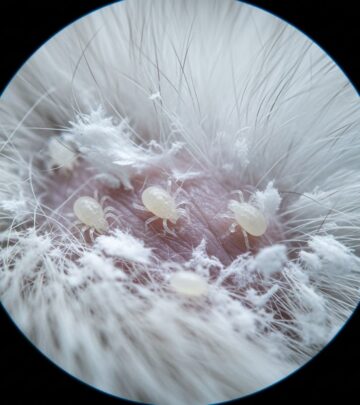
A healthy rabbit maintains a clean, shiny coat with fur evenly distributed across their body. Dull, matted, or missing fur can indicate various health problems. Fur loss may result from stress, mites, fungal infections, or other dermatological issues. Additionally, if your rabbit is unable to groom themselves properly due to illness or pain, their coat will appear unkempt or dirty.
Pay particular attention to your rabbit’s bottom area. A dirty or soiled rear end may indicate digestive problems such as diarrhea or difficulty grooming due to pain or mobility issues. Regular grooming and monitoring of your rabbit’s coat can help you spot potential health problems early.
Facial Swelling and Mouth Issues
The mouth and face are common areas where health problems become visible. Drooling or excessive wetness around the chin often indicates dental disease, a serious and painful condition in rabbits. Dental problems prevent your rabbit from eating properly and can lead to infection of the jaw if left untreated.
Facial swelling, lumps on the jaw, or overgrown teeth are additional warning signs of dental disease. Your rabbit may show difficulty eating, difficulty chewing, or preferential eating of soft foods while avoiding harder items. In some cases, rabbits with severe dental disease may need regular teeth trimming or, in extreme cases, tooth extraction. If you notice any of these symptoms, contact your veterinarian promptly.
Respiratory Problems
Respiratory issues are among the most serious health concerns in rabbits. A condition called snuffles—an upper respiratory infection—often develops in rabbits and requires immediate treatment. Symptoms include nasal discharge, sneezing, runny or watery eyes, and labored breathing.
Listen carefully for any abnormal breathing sounds. Wheezing, rattling sounds from the chest, or continuous noisy breathing indicate respiratory infection and require urgent veterinary attention. Difficulty breathing, mouth breathing, or chronic sneezing should never be dismissed as a common cold, as rabbits do not contract human colds. Any signs of respiratory distress warrant an immediate veterinary visit. Some respiratory infections may appear mild initially but can progress rapidly, potentially becoming life-threatening.
Body Temperature Changes
Rabbits regulate their body temperature through their ears. A healthy rabbit’s ears should feel warm to the touch. Noticeably hot or cool ears may indicate fever or abnormally low body temperature, both of which are concerning when paired with other warning signs.
Normal rabbit body temperature ranges from 101 to 103 degrees Fahrenheit. Temperatures below 100.5 degrees Fahrenheit or elevated temperatures suggest illness. While you cannot easily measure your rabbit’s internal temperature at home, observing ear temperature changes combined with other symptoms can help you determine whether veterinary care is needed.
When to Seek Emergency Veterinary Care
Certain symptoms indicate your rabbit needs emergency veterinary attention immediately. Loss of balance, seizures, or severe head tilt may suggest neurological problems. Bleeding or open wounds, broken bones, or signs of significant trauma require urgent care, as rabbits have delicate skeletal systems.
Severe gastrointestinal distress, including extreme bloating or complete lack of fecal output despite adequate time passing, constitutes an emergency. Blood in urine or severe diarrhea also warrants immediate attention. If your rabbit ingests something poisonous or shows signs of extreme pain, contact your veterinarian right away. Remember, rabbits can deteriorate rapidly, so when in doubt, it’s always better to seek professional help.
Common Health Conditions in Rabbits
Gastrointestinal Stasis
GI stasis occurs when your rabbit’s digestive system slows down or stops functioning properly. Symptoms include reduced appetite, minimal or no droppings, hard or bloated stomach, hunched posture, and reluctance to move. This condition can develop due to stress, poor diet, dehydration, insufficient fiber, or other underlying health issues. GI stasis requires immediate veterinary intervention and can be life-threatening if not treated promptly.
Snuffles (Upper Respiratory Infection)
Snuffles is a common upper respiratory infection in rabbits caused by bacterial pathogens. Symptoms include nasal discharge, sneezing, watery or runny eyes, lethargy, loss of appetite, and difficulty breathing. Some rabbits may develop ear infections or abscesses as the infection progresses. Snuffles requires antibiotic treatment and supportive care from a veterinarian. Early treatment improves outcomes significantly.
Dental Disease
Dental disease is prevalent in rabbits and can cause significant pain and eating difficulties. Signs include weight loss, drooling, loss of appetite, dirty bottom, difficulty grooming, overgrown teeth, watery eyes, and jaw lumps. Prevention through proper diet with adequate hay is crucial, as dental disease can be difficult to treat and may require ongoing management or extraction.
Hairballs
Rabbits cannot vomit, making hairballs particularly dangerous. These trichobezoars can cause gastrointestinal blockages that are both painful and potentially fatal. Signs include decreased appetite, reduced fecal output, and a bloated, hard abdomen. Regular grooming and a high-fiber diet help prevent hairball formation. Severe cases require immediate veterinary intervention.
Prevention and Monitoring Tips
Regular monitoring of your rabbit’s health is essential for early detection of illness. Establish a routine of observing your rabbit’s eating habits, droppings, behavior, and physical appearance daily. Keep detailed records of any changes you notice, as this information helps your veterinarian make accurate diagnoses.
Maintain proper rabbit husbandry by providing quality hay, fresh vegetables, appropriate pellets, and clean water. Ensure your rabbit gets adequate exercise and mental stimulation. Manage stress through consistent handling and a calm environment. Schedule annual veterinary checkups even when your rabbit appears healthy, and seek prompt treatment if you notice any concerning symptoms.
Frequently Asked Questions (FAQs)
Q: How often should I take my rabbit to the veterinarian?
A: Rabbits should have annual wellness checkups. As they age (over 5 years), biannual visits are recommended. Seek immediate veterinary care if you notice any signs of illness.
Q: Can rabbits recover from respiratory infections?
A: Yes, with prompt antibiotic treatment and supportive care, many rabbits recover from respiratory infections. Early intervention significantly improves recovery chances.
Q: Is teeth grinding always a sign of pain?
A: While soft tooth purring when content is normal, loud audible grinding is typically a sign of pain and warrants immediate veterinary evaluation.
Q: What should I do if my rabbit stops eating?
A: Loss of appetite is a serious concern. Contact your veterinarian immediately, as this can indicate various conditions including GI stasis, which requires urgent treatment.
Q: How can I prevent dental disease in rabbits?
A: Provide unlimited quality hay, which naturally grinds teeth and maintains proper dental health. Avoid pellets with added calcium, and schedule regular veterinary checkups.
Q: What is the difference between anorexia and pseudoanorexia?
A: Anorexia means loss of appetite, while pseudoanorexia means your rabbit wants to eat but cannot due to pain, difficulty chewing, or swallowing. Both require veterinary evaluation.
Q: Is snuffles contagious to other rabbits?
A: Yes, snuffles is contagious between rabbits. Isolate infected rabbits and maintain strict hygiene to prevent spread to other rabbits in your care.
Q: What are emergency signs in rabbits?
A: Emergency signs include loss of balance, seizures, difficulty breathing, bleeding, suspected poisoning, complete loss of appetite, no droppings for several hours, and noticeable severe pain.
References
- How to Tell If Your Rabbit is Sick — Oxbow Animal Health. 2024. https://oxbowanimalhealth.com/blog/how-to-tell-if-your-rabbit-is-sick/
- Snuffles in Rabbits — PetMD. 2024. https://www.petmd.com/rabbit/conditions/respiratory/snuffles-rabbits
- Is Your Rabbit Sick? — House Rabbit Society. 2024. https://rabbit.org/health/is-your-rabbit-sick/
- Basic Healthcare in Rabbits — Blue Cross. 2024. https://www.bluecross.org.uk/advice/rabbit/health-and-injuries/basic-healthcare-in-rabbits
- Signs That Your Bunny Is Ill — Richmond Veterinary Clinic. 2024. https://rvetclinic.com/signs-that-your-bunny-is-ill/
- Is My Rabbit Sick? — House Rabbit Resource Network. 2024. https://rabbitresource.org/rabbit-care-information-and-resources/medical/is-my-rabbit-sick/
Similar Articles








Read full bio of Sneha Tete