

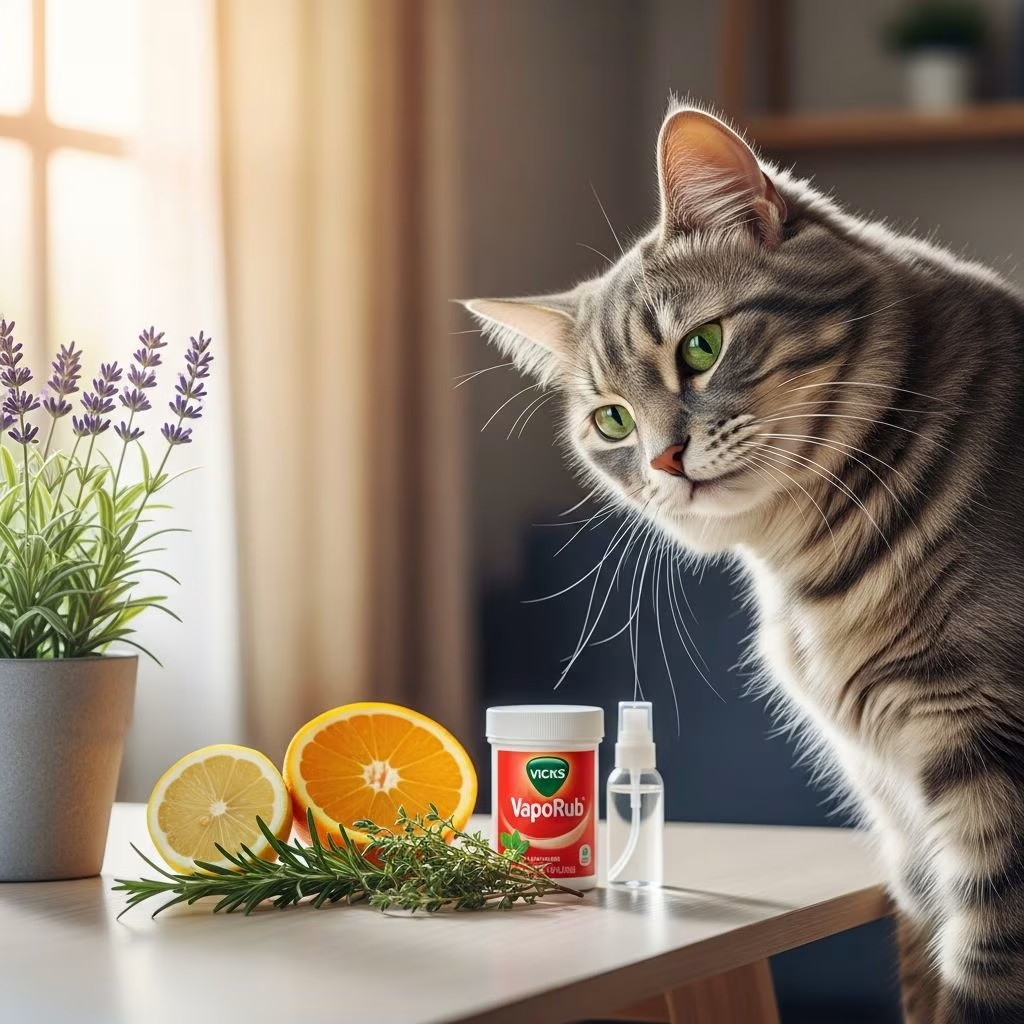
Cats possess an extraordinary sense of smell, far more sensitive than humans’, with up to 200 million olfactory receptors compared to our mere 5 million. This heightened sensitivity means certain everyday scents we enjoy can be overwhelmingly repulsive or even irritating to cats, triggering avoidance behaviors. Understanding these scents cats hate empowers cat owners to create harmonious homes, deter mischief like scratching furniture or digging in plants, and address behavioral issues without harm. From natural repellents to household hazards, this guide covers the most common offenders, backed by veterinary insights, and offers practical, safe applications.
Why Cats Hate Certain Scents: The Science Behind It
Cats’ olfactory system evolved from wild ancestors who relied on smell to detect predators, prey, and toxins. Strong, pungent odors overload their nasal passages, causing discomfort akin to a burning sensation for us. Citrus oils, for instance, irritate due to high concentrations of limonene and linalool, while capsaicin in spices activates pain receptors. This aversion isn’t just dislike—it’s a survival instinct. Importantly, while these scents repel, some are toxic if ingested or inhaled excessively, so use diluted forms and monitor your cat.
Harnessing these scents helps in training: place them near off-limits areas to redirect behaviors. Always prioritize safety—cats groom themselves, risking ingestion—and combine with positive reinforcement for best results.
1. Citrus Scents (Lemons, Oranges, Limes)
**The top scent cats universally detest is citrus.** The zesty aroma of lemons, oranges, limes, and grapefruits contains essential oils like limonene, which are overpowering to a cat’s nose, causing irritation and prompting immediate retreat. Veterinary behaviorist Joey Lusvardi notes these scents mimic toxic plants to felines.
How it helps you: Spray diluted lemon juice (1:10 with water) on furniture to prevent scratching, or place peels around plants to stop digging. Refresh every few days as scents fade. Avoid pure essential oils—toxic via skin absorption or ingestion, potentially causing vomiting or tremors.
- Pro tip: Test on a small area first to ensure no surface damage.
- Safety: Non-toxic in peel form, but keep away from litter boxes.
2. Spicy Smells (Pepper, Chili, Cayenne)
Capsaicin, the fiery compound in chili peppers, cayenne, and black pepper, burns cats’ sensitive nasal tissues, making these spicy scents cats hate. Cats recoil instantly, associating the area with danger.
Practical uses: Sprinkle ground black pepper around garden beds to deter digging or spray diluted pepper water indoors for counter-surfing. Cinnamon and curry powders work similarly but milder.
- Caution: Inhalation can cause coughing; ingestion leads to gastrointestinal upset. Use sparingly outdoors only.
3. Essential Oils (Lavender, Eucalyptus, Tea Tree)
Aromatic essential oils like lavender, eucalyptus, rosemary, thyme, and rue overwhelm with volatile compounds. Cats’ inability to metabolize phenols in these oils heightens aversion—and toxicity risk.
Benefits for owners: Diffuse diluted versions (never direct) near entry points to block outdoor access, or use in sprays for carpet protection. Geranium and citronella add mosquito-repelling bonuses.
| Scent | Why Cats Hate It | Safe Use | Toxicity Risk |
|---|---|---|---|
| Lavender | Strong floral notes | Diluted spray | High if ingested |
| Eucalyptus | Minty sharpness | Plant pots only | High |
| Rosemary | Herbal pungency | Garden border | Low |
4. Perfumes, Colognes & Strong Fragrances
Cats prefer your natural scent; synthetic perfumes clog their olfactory receptors. Overpowering florals or musks drive them away.
Household hack: Apply lightly before petting to reduce rubbing, or avoid scented products near bedding. Opt for unscented alternatives.
5. Citronella
This mosquito repellent’s citrus-like oils repel cats effectively. Ideal for patios.
Use it: Candles or diluted sprays outdoors—never indoors due to respiratory risks.
6. Menthol & Mint (Peppermint, Wintergreen)
Unlike catnip’s nepetalactone trigger, synthetic menthol in Vicks, toothpaste, or mints is “ick” to cats. Sharp and cooling, it overwhelms.
Applications: Dab on wires to prevent chewing; avoid ingestion-prone areas.
- Warning: Toxic if licked, causing vomiting.
7. Smoke (Cigarettes, Vapes, Barbecues)
Acidic particles in smoke irritate lungs and cling to fur, which cats ingest while grooming. Secondhand exposure risks asthma.
Why it helps: Smoke-free zones naturally keep cats out; use as a reminder for outdoor smoking.
8. Bananas & Banana Peels
Ethyl acetate in peels emits a pungent, vinegar-like odor cats loathe.
Deterrent trick: Place peels near trash cans or plants—flesh is safe in moderation but peels work best.
9. Vinegar
Its sharp acidity repels without toxicity.
Versatile use: 1:1 water spray cleans and deters from counters, litter edges.
10. Pine & Cedar
Resinous scents in cleaners or litters irritate. Choose unscented litters.
11. Coffee Grounds & Mustard
Bitter coffee and biting mustard overload senses.
Sprinkle grounds around pots; mustard powder for edges.
12. Dirty Litter & Strong Cleaners
Ammonia in urine-mixed litter and chemical cleaners signal uncleanliness.
Solution: Scoop daily; use enzymatic cleaners.
Safe Ways to Use Scents as Deterrents
Always dilute, ventilate, and observe reactions: coughing, sneezing, or distress means stop. Combine with toys for redirection. Never use near food or beds.
- Dilute sprays: 1 part scent to 10 parts water.
- Placement: High shelves, not floors.
- Monitor: 24-48 hours for issues.
Signs of Scent Overload or Toxicity
Watch for watery eyes, drooling, wheezing, vomiting, or lethargy. Seek vet care immediately for essential oil exposure.
Frequently Asked Questions (FAQs)
What is the strongest scent to repel cats?
Citrus tops the list due to universal irritation from limonene oils.
Are essential oils safe around cats?
No—many like tea tree and eucalyptus are toxic; use plants or peels instead.
Can I use these scents in my garden?
Yes, peppers and citrus peels work well, but avoid ingestible amounts.
Why does my cat like some strong smells?
Individual variation; catnip triggers euphoria via receptors, unlike repellents.
How often to reapply deterrents?
Every 2-3 days or after cleaning, as scents dissipate.
References
- What Smells Do Cats Hate? 15 Scents Cats Dislike — PetMD. 2023. https://www.petmd.com/cat/general-health/what-smells-do-cats-hate
- What Smells Do Cats Hate? 16 Smells That Cats Hate the Most — Litter-Robot. 2024. https://www.litter-robot.com/blog/smells-cats-hate/
- What smells repel cats: Top 20 most disliked scents by cats — Sonic Barrier. 2024. https://sonic-barrier.us/blogs/cats/what-smells-repel-cats
- What Smells Do Cats Hate? 19 Scents They’ll Avoid — Rover.com. 2023. https://www.rover.com/blog/smells-cats-hate/
- What Smells Do Cats Hate? Top 15 Smells Cats Avoid Most — Neakasa. 2024. https://neakasa.com/blogs/all/smells-cats-hate



