11 Common Rabbit Injuries That Require Veterinary Care
Learn the most frequent injuries that can affect your rabbit and when to seek urgent veterinary attention.
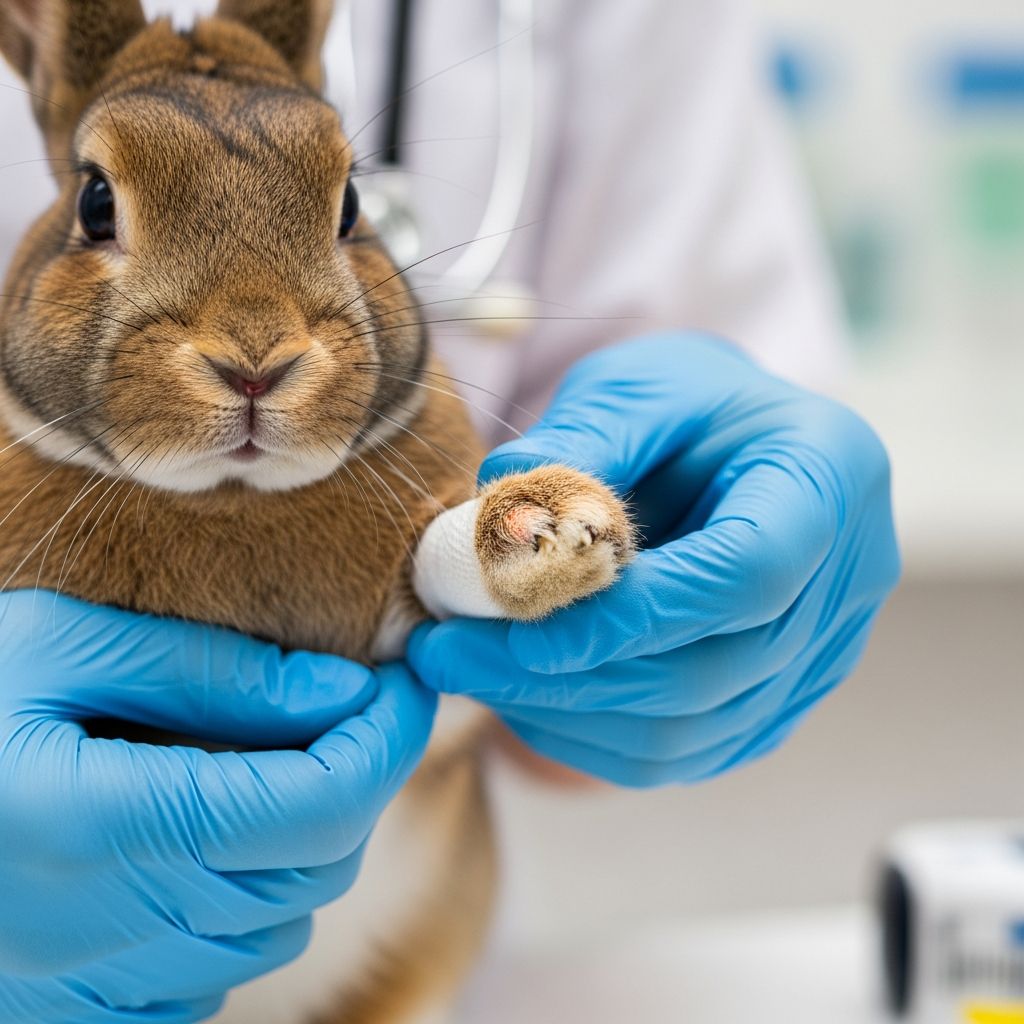
Rabbits are delicate animals with unique health needs, and even minor injuries can quickly become serious if not addressed promptly. Understanding the most common injuries that can affect your rabbit is essential for providing timely care and preventing complications. This article covers the 11 most frequent injuries that may send your rabbit to the vet, along with symptoms, causes, and what to do if your bunny is injured.
1. Torn Toenails
Torn toenails are one of the most common injuries seen in rabbits. The toenail may catch on something and be ripped out at the base, causing bleeding and distress. Rabbits have a blood supply called the ‘quick’ running through the center of their nails, and if this is torn or cut, it can bleed heavily.
- Symptoms: Bleeding, limping, visible nail damage
- Causes: Playing, fighting, or accidental clipping
- First Aid: Apply gentle pressure with a cold, wet cloth or styptic powder. If bleeding persists for more than 10 minutes, contact your vet.
2. Penetrating Wounds
Penetrating wounds occur when a sharp object pierces the rabbit’s skin. These injuries are often caused by sharp wires or edges on cages. The skin of rabbits contains bacteria, and if a penetrating object transfers these bacteria to deeper tissues, infection can develop.
- Symptoms: Visible puncture, swelling, redness, discharge
- Causes: Sharp cage edges, wires, or other objects
- First Aid: Clean the area gently with a mild antiseptic and seek veterinary care immediately. Antibiotics or surgery may be necessary.
3. Fractures
Fractures are common in rabbits due to their delicate bones and powerful hind leg muscles. Improper handling, falls, or sudden kicks can result in fractures, especially in the back or legs.
Back Fractures
The most common cause of sudden paralysis in the hind legs is a back fracture, usually in the lumbar region. If your rabbit suddenly loses the ability to move its back legs, seek veterinary care immediately.
- Symptoms: Sudden paralysis, inability to move hind legs, pain
- Causes: Improper handling, falls, sudden kicks
- First Aid: Keep the rabbit still and seek veterinary care. Radiographs (X-rays) will be needed to confirm the diagnosis.
Leg Fractures
Severe limping or inability to use a leg can indicate a leg fracture. Rabbits may also show signs of pain or reluctance to move.
- Symptoms: Limping, swelling, pain, inability to use the leg
- Causes: Falls, improper handling, trauma
- First Aid: Restrict movement and seek veterinary care. Surgery may be required for some fractures.
4. Bite Wounds
Bite wounds from dogs, cats, or other predators require immediate attention. Carnivores have bacteria in their mouths that can cause life-threatening infections in rabbits.
- Symptoms: Puncture wounds, swelling, redness, discharge
- Causes: Attacks by other animals
- First Aid: Clean the wound gently with a mild antiseptic and seek veterinary care immediately. Antibiotics are usually necessary.
5. Electrical Burn Injuries
Rabbits are known to chew on electrical cables, which can result in electrical burns. These injuries can be severe and require prompt veterinary attention.
- Symptoms: Burns, swelling, pain, reluctance to move
- Causes: Chewing on electrical cables
- First Aid: Keep the rabbit calm and seek veterinary care immediately. Do not attempt to treat burns at home.
6. Eye Injuries
Eye injuries can occur from trauma, such as scratches or foreign objects. These injuries can lead to serious complications if not treated promptly.
- Symptoms: Redness, swelling, discharge, squinting
- Causes: Trauma, foreign objects
- First Aid: Keep the area clean and seek veterinary care. The vet may use special stains to assess the damage and prescribe antibiotic drops or ointment.
7. Internal Injuries
Internal injuries can result from falls, trauma, or other accidents. These injuries may not be immediately visible but can be life-threatening.
- Symptoms: Lethargy, weakness, difficulty breathing, reduced toileting
- Causes: Falls, trauma, accidents
- First Aid: Monitor your rabbit closely and seek veterinary care if you notice any of these symptoms.
8. Spinal Injuries
Spinal injuries are common in rabbits and are usually due to improper handling or being dropped. The prognosis for spinal injuries is often poor, and ongoing care can be significant and expensive.
- Symptoms: Paralysis, incoordination, urine-soiling, uncontrolled defecation
- Causes: Improper handling, falls, being dropped
- First Aid: Keep the rabbit still and seek veterinary care immediately. Steroids may be used to limit swelling in the spinal cord.
9. Soft Tissue Injuries
Soft tissue injuries, such as bruises or sprains, can occur from falls or accidents. These injuries may not be immediately visible but can cause pain and discomfort.
- Symptoms: Swelling, pain, reluctance to move
- Causes: Falls, accidents
- First Aid: Restrict movement and seek veterinary care if symptoms persist.
10. Dental Injuries
Dental injuries can occur from trauma or improper handling. These injuries can lead to serious complications if not treated promptly.
- Symptoms: Drooling, difficulty eating, swelling around the mouth
- Causes: Trauma, improper handling
- First Aid: Seek veterinary care immediately. The vet may need to perform dental surgery.
11. Gastrointestinal Stasis
Gastrointestinal stasis is a common and potentially life-threatening condition in rabbits. It occurs when the digestive system slows down or stops, leading to a buildup of gas and toxins.
- Symptoms: Lethargy, loss of appetite, bloating, reduced fecal output
- Causes: Stress, dehydration, dietary changes
- First Aid: Seek veterinary care immediately. Treatment may include fluids, pain relief, and medications to stimulate the digestive system.
Prevention Tips
Preventing injuries in rabbits involves proper handling, a safe environment, and regular health checks. Here are some tips to help keep your rabbit safe:
- Handle your rabbit gently and support its body properly.
- Keep electrical cables out of reach.
- Provide a safe, hazard-free environment.
- Regularly check your rabbit for signs of injury.
- Seek veterinary care promptly if you notice any signs of injury or illness.
FAQs
Q: What should I do if my rabbit has a torn toenail?
A: Apply gentle pressure with a cold, wet cloth or styptic powder. If bleeding persists for more than 10 minutes, contact your vet.
Q: How can I prevent fractures in my rabbit?
A: Handle your rabbit gently, support its body properly, and provide a safe environment free of hazards.
Q: What are the signs of a spinal injury in rabbits?
A: Signs include paralysis, incoordination, urine-soiling, and uncontrolled defecation. Seek veterinary care immediately if you notice these symptoms.
Q: What should I do if my rabbit has a bite wound?
A: Clean the wound gently with a mild antiseptic and seek veterinary care immediately. Antibiotics are usually necessary.
Q: How can I prevent gastrointestinal stasis in my rabbit?
A: Provide a balanced diet, ensure your rabbit stays hydrated, and minimize stress.
References
- Chewy: 11 Injuries That Can Send Your Rabbit To The Vet — Chewy. 2023. https://www.chewy.com/education/small-pet/rabbit/11-injuries-that-can-send-your-rabbit-to-the-vet
- Rabbit.org: Rabbit Health Emergencies — Rabbit.org. 2023. https://rabbit.org/health/rabbit-health-emergencies/
- Purdue University College of Veterinary Medicine: Care of Rabbits — Purdue University. 2023. https://vet.purdue.edu/hospital/small-animal/primary-care/documents/CareofRabbits.pdf
Similar Articles








Read full bio of Sneha Tete