16 Common Pet Rat Behaviors Explained For Owners
Understanding your pet rat's unique behaviors: from bruxing to popcorning and everything in between.
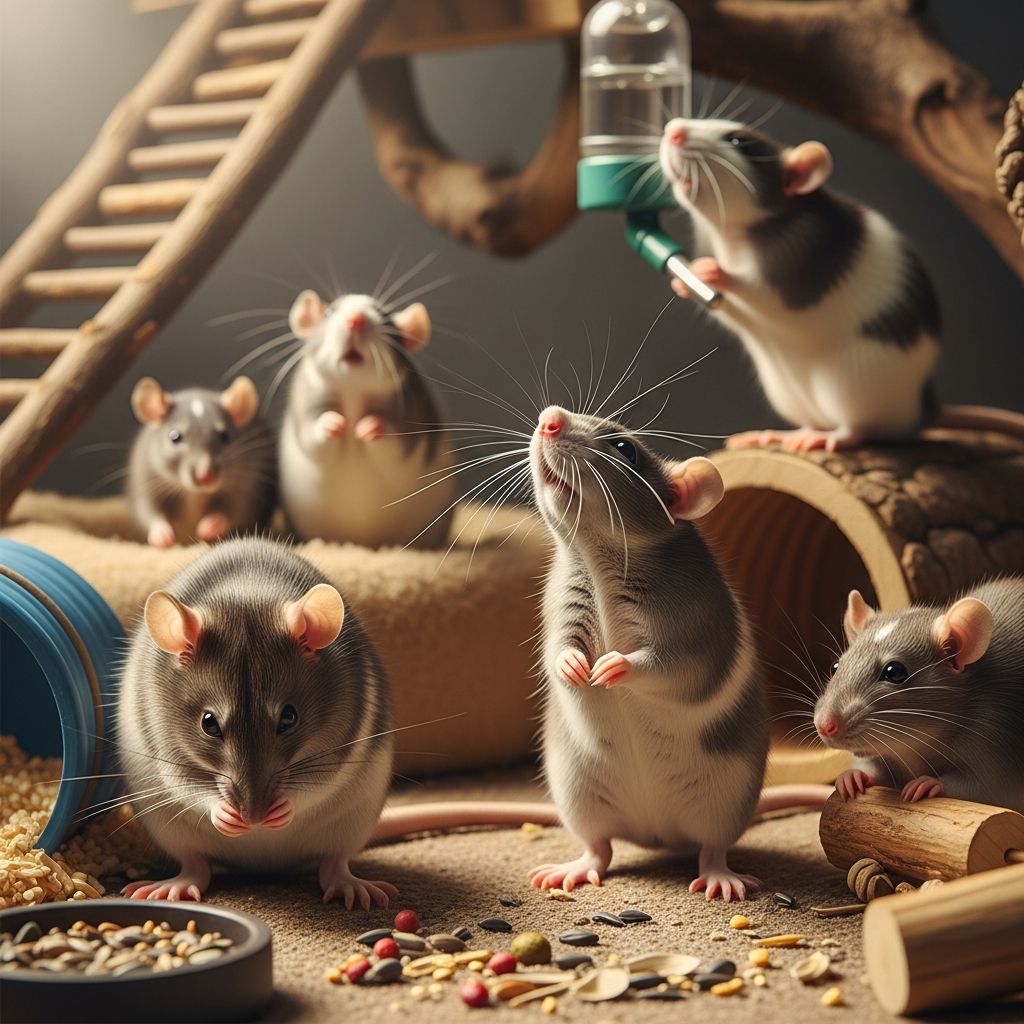
Pet rats are fascinating creatures with complex behaviors and personalities that often surprise their owners. Understanding these behaviors is essential for providing proper care and recognizing when your rat is healthy, happy, or in distress. Rats communicate through various vocalizations, body language, and physical interactions that reveal their emotional state and social dynamics. Whether you’re a new rat owner or an experienced one, learning to interpret your pet’s behavior helps strengthen the bond between you and your furry companion.
Understanding Rat Sensory Exploration
One of the most noticeable behaviors in pet rats is their constant exploration of their environment and new objects. Rats have a terrific sense of smell, which is their primary way of investigating the world around them. You’ll notice their whiskers and nose twitch rapidly when they encounter something new, appearing to breathe more intensely as they process scent information. This heightened sensory exploration serves an important purpose in their daily lives.
The smells and sensory information from their highly sensitive whiskers provide rats with crucial data to determine if a new item is safe, fun, or something worthy of investigation. Once they deem something relatively safe or potentially edible, rats will use their front paws and mouth to touch, drag, eat, and play with the object. This exploratory behavior is completely normal and healthy, demonstrating your rat’s natural curiosity and intelligence.
Grooming: A Sign of Health and Affection
Pet rats are incredibly clean animals that require minimal bathing and brushing because they instinctively groom themselves. This self-grooming behavior involves rubbing their front paws on their face, then meticulously licking and rubbing the rest of their body down to their tail. Rats can become so focused on grooming that they spend considerable time bathing almost every square inch of themselves multiple times daily, sometimes even becoming contortionists to reach difficult areas.
Beyond self-grooming, pet rats engage in allogrooming, which means they groom other rats and their pet parents as well. This behavior is often a sign of affection or the beginning of intended play. You may notice rats using their teeth to comb through fur in what appears to be a gentle, nurturing manner. However, if the licking and nibbling become obsessive or frenzied, it could indicate a problem that requires attention from a veterinarian.
Interestingly, rats can become so obsessed with being clean that they have been known to frantically start grooming themselves immediately after being touched by their humans. While this might seem offensive to owners, it’s actually a natural behavior reflecting their dedication to maintaining hygiene. Rats are also willing to groom their owners in return, providing what could be called a “bath of their own” through gentle licking.
Bruxing: The Sound of Contentment
One of the most distinctive and mysterious behaviors rat owners encounter is bruxism, commonly referred to as “bruxing.” Bruxing occurs when rats grind their teeth gently and repetitively, producing a distinctive grinding sound. As rodents, rats have constantly growing teeth that must be filed naturally to prevent serious dental problems.
Gently grinding their incisors helps wear these teeth down to a manageable length. Bruxing is usually considered normal and is typically associated with contentment and joy, similar to a cat’s purring. However, pet parents shouldn’t rely on bruxing alone to keep their rat’s teeth healthy. Rats need other toys, food, and proper care to effectively wear down their teeth and prevent dental issues.
Chattering: Understanding Stress and Annoyance
While bruxing sounds peaceful and pleasant, chattering is a different type of teeth grinding that carries a different meaning. Chattering is typically louder, stronger, and accompanied by more pops or cracking noises than gentle bruxing. The key distinction is that while bruxing is associated with joy or contentment, chattering is most associated with internal struggle, annoyance, or an impending fight with another rat.
Understanding this difference helps rat owners recognize when their pets are becoming stressed or frustrated. If you hear the loud, sharp cracking sounds of chattering, it’s time to investigate the source of your rat’s distress and intervene if necessary.
Chewing and Gnawing: A Necessary Behavior
As members of the rodent family, rats have constantly growing teeth that require consistent chewing, gnawing, and nibbling to maintain proper length and alignment. This is not a behavioral problem but a biological necessity. When rats aren’t given appropriate food and chew toys, their teeth become misaligned and can develop abscesses, conditions that are incredibly painful and require veterinary intervention.
Providing your rat with plenty of chewing opportunities through appropriate toys and food items prevents these serious dental health issues. Offering a variety of safe chewing materials helps satisfy this natural urge while keeping your rat’s teeth in optimal condition.
Play Fighting and Social Bonding
Young rats may engage in gentle nipping, biting, and wrestling with each other or their mother as a form of play fighting. This is a healthy and normal behavior that allows them to form bonds and learn appropriate social cues. Play fighting is common among younger rats with lots of energy and should never result in cuts or hair loss.
An important distinction in rat communication is understanding the difference between playful wrestling and actual aggression. Happy rats in a wrestling match tend to nip each other’s nape, while angry rats target the back of the body, such as the rump and back legs. Learning to recognize these differences helps owners ensure their rats are engaging in healthy social interaction.
Excitement and the “Popcorning” Behavior
Excited rats display their joy through distinctive physical movements. They may jump, hop, or “popcorn” when they are happy, a term that describes their bouncy, enthusiastic movements. Happy rats may also run excitedly at full speed around the house or enclosure, much like dogs experiencing “the zoomies.” This exuberant behavior is a clear sign that your rat is content and enjoying itself.
Dominance and Hierarchy Within Rat Groups
When multiple rats live together, they establish a social hierarchy with dominant and subordinate members. Dominant alphas display different tactics to earn and maintain their role within the group. One common dominance display is “power grooming,” where a rat pins down a cagemate while engaging in forced allogrooming around the face, neck, or belly. This is distinctly different from social grooming and is done in rapid, short stroked nibbles in an almost frenzied manner.
The subordinate rat may peep or squeak during this process, and any attempt at movement or refusal to obey could result in aggression from the dominant rat. The alpha might even mark the subordinate with urine once they are done, further establishing their position in the hierarchy.
Boxing and Sidling: Confrontation Behaviors
Play fighting can escalate if a rat becomes irritated or if a subordinate decides to stand their ground, leading to more serious confrontation behaviors. “Boxing” is a defensive move that occurs when two rats closely face one another in a standing position and paw, bat, or push each other. This behavior represents an attempt to avoid aggressive bites to the body.
If a confrontation escalates further, the dominant rat might switch to “sidling,” which involves arching the back as the side of the body or rump is pushed into the other rat. During sidling, the aggressor’s fur is often puffed up, and they attempt to get close enough to bite or attack the other rat’s back end. The submissive rat may use their paws to push or kick in defense. Both boxing and sidling can end with a rat backing down and running off, or may trigger a bigger fight.
Olfactory Communication and Status Recognition
Rats use olfactory communication and rely heavily on their noses to communicate their status within the social hierarchy. The practice of sniffing one another is not only used during introductions but also communicates their established status during other interactions. You can watch rats “explaining” their established status to a newcomer as they intrusively shove a nose up a bum and around body parts.
Rats learn about one another through the scents left by body secretions, feces, and urine. This scent-based communication system provides crucial information about identity, status, and reproductive condition within the group.
Climbing and Exercise Behaviors
Rats require multiple cage furniture items to climb, and they perform even better when those items are constantly rotated in and out of the cage. Rats perceive these rotated toys and climbing structures as “new” and become excited to investigate and inspect them. Common cage furniture that promotes exercise and climbing includes hammocks, suspended beds, and cardboard boxes.
This behavior reflects rats’ natural instinct to explore diverse environments and stay physically active, which is essential for their overall health and mental stimulation.
Food Stealing and Social Eating Behaviors
Rats have zero manners when it comes to human food. If they are out of their cage while you’re eating, they will expect a taste of your meal. They will not politely ask for a morsel or beg with puppy eyes; instead, every rat within a two-foot radius will immediately notice the scent and rush in a mad dash to brazenly snatch food from your plate or fingers. They aren’t even deterred by food already in your mouth, as they are absolutely willing to dive in after it or at the very least, lick your lips clean.
This food-stealing behavior also occurs between cagemates, as rats will steal food away from their friends and even right out of a cagemate’s mouth. Interestingly, rats sometimes display unusual group eating behaviors. Some rats have been observed preferring to drink with companions, seeing it as a group event rather than a solitary activity. Rats will stop whatever they’re doing to race across the cage and join in when another rat approaches the water bottle.
Fear Responses and Stress Behaviors
A rat suffering intense fear will display one or more distinctive behaviors that indicate distress. These fear-related behaviors include startling at new sounds or movement, staying at the back of the cage, hiding when a person approaches, being slow to take treats being offered, not wanting to be held, fear pooping, and displaying a tense body with bugged-out eyes.
Because these behaviors are also seen in traumatized and aggressive rats, it can be difficult to know if the fear witnessed is temporary or will become a chronic issue. Taking time to identify the difference gives valuable insight about your rat’s emotional state and helps you determine the best approach to help them feel more secure.
Chronic Fear Indicators
When fear becomes chronic rather than temporary, rats may display additional behaviors including trembling, baring teeth, carefully watching their owner’s every move, being ready to flee at a moment’s notice, always hiding, being unable to let their guard down even in the cage, unwillingness to play and interact with cagemates, and aggression toward other rats or people. Recognizing these patterns helps owners provide appropriate interventions and potentially seek veterinary or behavioral guidance.
Unique and Quirky Individual Behaviors
Beyond the common behaviors shared by most rats, individual rats often develop unique quirks and preferences that make them distinct personalities. Some rats develop specific routines around eating and drinking, some prefer certain types of enrichment, and some form unusual bonds with their cagemates or owners. These individual variations demonstrate the complexity and intelligence of pet rats.
Frequently Asked Questions
Q: Is bruxing always a sign that my rat is happy?
A: Bruxing typically indicates contentment and joy, similar to a cat purring. However, if the grinding sounds are loud and accompanied by cracking noises (chattering), it may indicate stress or annoyance instead. Learning to distinguish between gentle bruxing and harsh chattering helps you understand your rat’s emotional state.
Q: How can I tell if my rats are play fighting or actually fighting?
A: Play fighting typically involves gentle nipping on the nape of the neck, while actual fighting involves bites to the back, rump, and back legs. Play fighting should never result in cuts or hair loss. If you see signs of injury or hear loud chattering, it’s likely actual aggression that requires intervention.
Q: Why does my rat groom itself immediately after I touch it?
A: This behavior is completely normal and reflects your rat’s dedication to cleanliness. Rather than being offended, consider it a sign that your rat is meticulous about hygiene. Rats often groom other rats and their owners as well, which is a sign of affection.
Q: What should I do if my rat seems scared all the time?
A: Frequent fear behaviors like hiding, hesitation to take treats, and refusing to be held may indicate chronic fear. Take time to identify triggers and consider consulting with a veterinarian or rat behaviorist. Gradually increasing positive interactions and providing safe spaces can help your rat feel more secure.
Q: Is it normal for rats to steal food from each other and from me?
A: Yes, food stealing is completely normal rat behavior. They have an excellent sense of smell and will immediately notice and pursue any food opportunity. This behavior isn’t a sign of aggression but rather reflects their natural instincts and food-seeking behavior.
Q: How often should I rotate my rat’s cage furniture?
A: Rats benefit from regular rotation of cage furniture, toys, and climbing structures. Rotating items keeps your rats mentally stimulated as they perceive the familiar items as “new” when they reappear. This promotes exercise and exploration within the cage.
References
- 10 Pet Rat Behaviors and What They Mean — PetMD. Accessed November 2025. https://www.petmd.com/exotic/10-pet-rat-behaviors-and-what-they-mean
- Helping A Scared Pet Rat — Lafeber Co. Small Mammals. Accessed November 2025. https://lafeber.com/mammals/helping-a-scared-pet-rat/
- Rat Communication: How Your Rats Talk To Each Other — Lafeber Co. Small Mammals. Accessed November 2025. https://lafeber.com/mammals/rat-communication-how-your-rats-talk-to-each-other/
- The Quirky Side Of Rats — Lafeber Co. Small Mammals. Accessed November 2025. https://lafeber.com/mammals/the-quirky-side-of-rats/
Similar Articles








Read full bio of Sneha Tete