

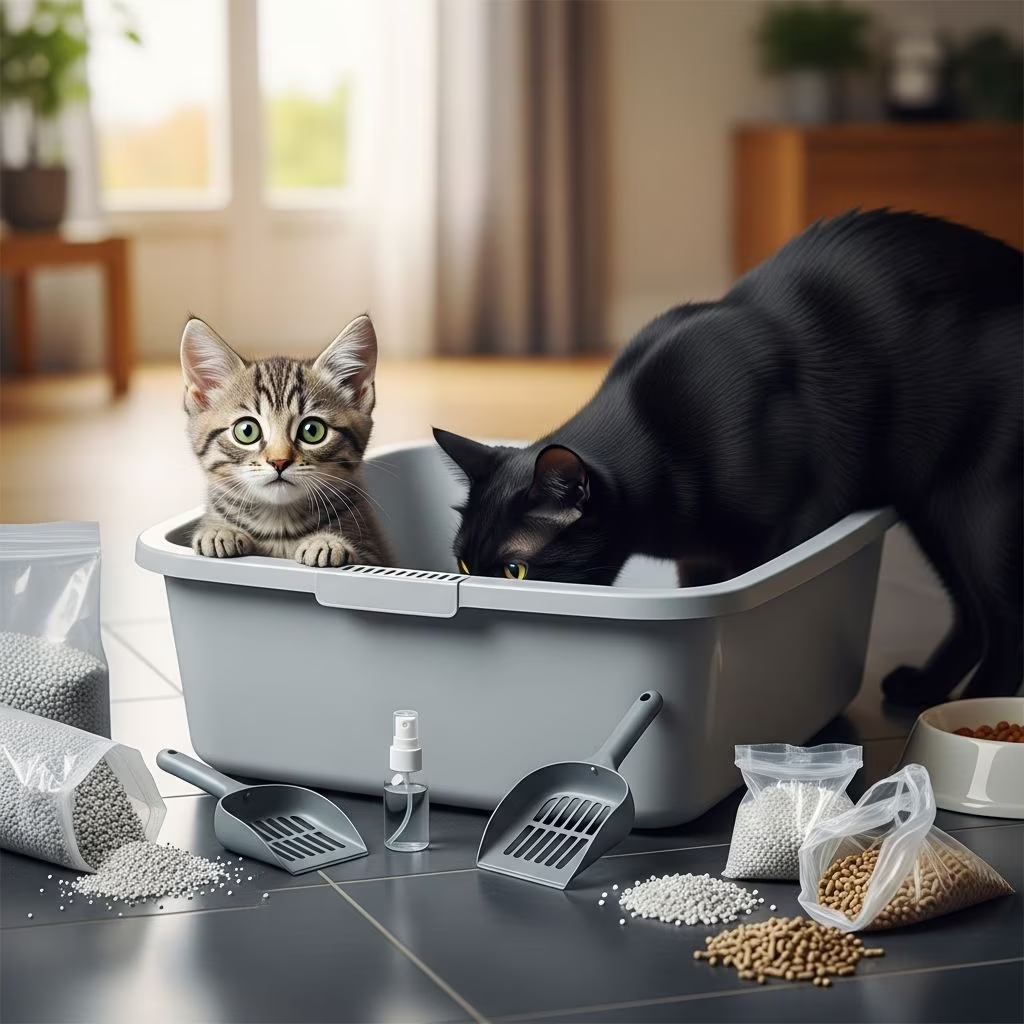
Litter box issues are one of the most common challenges cat owners face. Whether your feline friend is avoiding the box entirely or having accidents outside of it, understanding the root cause is essential to resolving the problem. Most litter box issues stem from factors related to box placement, cleanliness, size, or medical conditions. By identifying the specific problem and implementing targeted solutions, you can help your cat maintain consistent bathroom habits and improve their overall well-being.
1. Dirty or Unclean Litter Box
Cats are notoriously particular about cleanliness, and a dirty litter box is one of the most common reasons they avoid using it. Cats don’t want to step in a soiled litter box, and some are exceptionally sensitive to unclean environments. This fastidious nature is rooted in their instinct to cover their waste and maintain hygiene.
Solutions:
- Scoop the litter box at least twice daily to remove waste immediately
- Completely clean, disinfect, and replace all litter at least once per week
- Use enzymatic cleaners to eliminate odors that cats may find offensive
- Consider replacing old, scratched boxes that retain odors
A consistent cleaning routine demonstrates respect for your cat’s preferences and encourages consistent box usage. If your cat has been eliminating outside the box, thoroughly clean those areas with enzymatic cleaner to remove odor markers.
2. Litter Box Size Issues
Many commercial litter boxes are simply too small for adult cats. Cats come in various sizes, and a cramped box can discourage use, especially for larger or senior cats. Additionally, cats with mobility issues or arthritis may struggle to enter and exit boxes with high walls. When cats feel cramped or unsafe, they often seek alternative elimination spots.
Solutions:
- Upgrade to larger litter boxes or use plastic storage containers designed to fit under beds
- Choose boxes with lower sides to accommodate senior, overweight, or mobility-challenged cats
- Ensure the box is at least 1.5 times the length of your cat’s body
- Test different box sizes by offering multiple options simultaneously
Investing in properly sized boxes eliminates a major source of frustration for your cat. Many owners find that storage containers provide the extra space cats prefer while remaining affordable and easy to clean.
3. Litter Depth Problems
The depth of litter in the box matters more than many owners realize. Too much litter can create an uncomfortable “sinking” sensation, while too little doesn’t provide adequate cover for waste. Cats typically prefer litter depths between 1 to 2 inches, though preferences vary among individual cats.
Solutions:
- Maintain litter depth at approximately 1-2 inches
- Observe your cat’s behavior to identify their preference
- Adjust depth gradually if your cat seems uncomfortable
- Use shredded paper or chunky litter with young kittens instead of fine or clumping varieties
Finding the right litter depth requires some experimentation. Pay attention to where your cat urinates or defecates—if they’re aiming high or digging excessively, these behaviors may indicate dissatisfaction with litter depth or box design.
4. Litter Type Incompatibility
Cats have distinct preferences when it comes to litter texture and composition. Commercial litters vary widely in texture, odor, and composition, and what works for one cat may not work for another. Strong scents in litters can actually deter cats from using their boxes, as their sense of smell is far more sensitive than humans’.
Solutions:
- Offer multiple litter types simultaneously in separate boxes to let your cat choose
- Try unscented litters if using scented varieties
- Experiment with different textures: clay, shredded paper, sawdust, wood pellets, sand, or dirt
- If changing litter brands, transition gradually by mixing increasing amounts of new litter with the old
- Allow 7-10 days for your cat to adjust to new litter
Since cats have strong textural preferences, patience and systematic experimentation are key. Some cats prefer natural substrates like sand or soil, while others prefer processed commercial litters. By offering choices, you empower your cat to use the box consistently.
5. Litter Box Placement and Location Issues
Location significantly impacts litter box usage. In the wild, cats are cautious about where they eliminate because it makes them vulnerable to predators. Consequently, cats prefer litter boxes in locations where they feel safe and can easily see potential threats. Boxes tucked into corners, closets, or confined spaces may make cats feel trapped and vulnerable.
Solutions:
- Place boxes in open areas where cats have multiple escape routes
- Avoid corners, closets, or tight spaces between fixtures
- Keep boxes away from food and water bowls
- In multi-level homes, provide one box per floor
- Keep boxes in quiet, low-traffic areas to minimize stress
- Ensure cats can see their surroundings while using the box
If your cat eliminates outside the box in a specific room, consider that location as an alternative. Your cat may be telling you they prefer that spot for security or accessibility. You can then modify the room or gradually relocate a box closer to that preferred area.
6. Inadequate Number of Litter Boxes
The golden rule for litter box quantity is straightforward: provide one box per cat plus one extra. This guideline ensures each cat has access to a clean box and accommodates cats with specific preferences. Additionally, some cats prefer separate boxes for urination and defecation.
Solutions:
- Maintain a minimum of one box per cat plus one additional box
- In multi-cat households, distribute boxes throughout the home to reduce competition
- Place boxes on different floors in multi-level homes
- Never position multiple boxes directly next to each other
- Consider adding extra boxes if cats display territorial behavior or anxiety
Insufficient boxes create resource competition and stress, particularly in multi-cat households. When boxes are strategically distributed, each cat has better access and feels less threatened, leading to improved litter box habits across the household.
7. Litter Box Cover Preferences
While litter box covers offer privacy for cats and contain odor and litter scatter for owners, not all cats prefer them. Some cats feel safer in open boxes where they maintain visibility of their surroundings, while others appreciate the privacy and security covers provide. Individual preferences vary significantly.
Solutions:
- Offer both covered and uncovered boxes to determine your cat’s preference
- If using a cover, ensure adequate ventilation and space
- Remove covers if your cat shows reluctance to enter
- Try covers with removable lids for easier cleaning
- Experiment with litter shields as an alternative to full covers
Additionally, some cats react negatively to plastic liners inside boxes. If your cat seems bothered by liners, try removing them or offering one box with a liner and one without to identify their preference.
8. Urine Spraying and Territorial Marking
Urine spraying differs from inappropriate elimination. Spraying involves depositing small amounts of urine on vertical surfaces—walls, furniture, or door frames—as a territorial marking behavior. This issue is particularly common in unneutered males and unspayed females.
Solutions:
- Have your cat spayed or neutered to reduce spraying behavior
- Clean sprayed areas thoroughly with enzymatic cleaners to remove scent markers
- Use deterrents like aluminum foil, double-sided tape, or plastic wrap on problem areas
- Install motion-sensor lights in areas where spraying occurs
- Place citrus-scented items near sprayed locations, as cats dislike citrus
- Provide additional litter boxes in areas where spraying occurs
Spaying or neutering is the most effective solution, as it eliminates the hormonal drive behind spraying. This procedure also prevents numerous health and behavioral issues while reducing the urge to mark territory.
When to Consult a Veterinarian
While most litter box problems are behavioral, some stem from underlying medical conditions that require professional attention. Always start with a veterinary visit to rule out health issues before addressing behavioral factors.
Common Medical Causes:
- Urinary tract infections (UTIs)
- Kidney disease
- Diabetes
- Arthritis or mobility issues
- Intestinal parasites
- Inflammatory bowel disease
Your veterinarian can perform diagnostic tests to identify medical issues and recommend appropriate treatment. Once medical conditions are ruled out or treated, you can confidently address behavioral factors.
Creating a Multi-Box Strategy
When troubleshooting litter box problems, consider implementing a multi-box approach. Set up boxes with different configurations—some covered, some uncovered, some with different litter types—to help your cat communicate their preferences. Once you identify what works, you can standardize your setup.
Multi-Box Testing Approach:
- Place boxes in different locations throughout your home
- Vary litter types among boxes
- Offer both covered and uncovered options
- Monitor which boxes your cat uses most frequently
- Once preferences emerge, adjust your permanent setup accordingly
Addressing Elimination Outside the Litter Box
When cats eliminate outside the box, it’s essential to prevent recurrence in those areas. Make eliminated-in spots as unappealing as possible while making the litter box more attractive.
Deterrent Strategies:
- Cover problem areas with aluminum foil, double-sided tape, or plastic wrap
- Use plastic carpet runners with the “teeth” side up on large areas
- Place citrus air fresheners or cotton balls in affected locations
- Close doors to rooms where elimination occurs
- Place food bowls in spots where cats are eliminating (cats naturally avoid eliminating where they eat)
Thoroughly clean all soiled areas with enzymatic cleaners to eliminate odor markers. Once cleaned, cats are less likely to re-soil those spots. Maintain this regimen for several weeks before gradually removing deterrents.
Frequently Asked Questions
Q: How often should I clean my cat’s litter box?
A: Scoop the litter box at least twice daily, and completely clean and replace all litter at least once weekly. Some cats with particular sensitivities may benefit from more frequent scooping.
Q: Can litter box problems indicate a medical issue?
A: Yes, medical conditions like urinary tract infections, arthritis, kidney disease, and diabetes can cause litter box avoidance. Always consult your veterinarian to rule out health issues before addressing behavioral factors.
Q: What size litter box is best for my cat?
A: Ideally, litter boxes should be at least 1.5 times the length of your cat’s body. Most commercial boxes are too small, so many owners use large plastic storage containers instead.
Q: How many litter boxes should I have?
A: Follow the rule of one box per cat plus one extra. In multi-level homes, place one box per floor. Boxes should be distributed throughout the home, not clustered together.
Q: Why is my cat spraying urine on walls?
A: Spraying is territorial marking behavior, most common in unneutered males and unspayed females. Spaying or neutering is the most effective solution. Ensure your cat is altered and consult your veterinarian if spraying persists.
Q: How do I transition my cat to a different type of litter?
A: Transition gradually over 7-10 days by mixing increasing amounts of the new litter with the old. Some cats may need a longer transition period. Offering multiple litter types simultaneously helps identify your cat’s preference.
Q: Should I use a covered litter box?
A: It depends on your cat’s preference. Some cats feel safer with covers providing privacy, while others prefer open boxes for visibility. Offer both options to determine what your cat prefers.
Q: What should I do if my cat eliminates outside the litter box?
A: First, visit your veterinarian to rule out medical issues. Then, thoroughly clean soiled areas with enzymatic cleaner, use deterrents like aluminum foil or double-sided tape, and ensure your litter box setup meets your cat’s preferences for size, cleanliness, location, and litter type.
References
- Solving Litter Box Problems — Wisconsin Humane Society. 2024. https://www.wihumane.org/behavior/ask-the-experts/cat-behavior/solving-litterbox-problems
- Cat Not Using Litter Box: Causes and Solutions — Best Friends Animal Society. 2024. https://bestfriends.org/pet-care-resources/cat-not-using-litter-box-causes-and-solutions
- How to Spot and Solve Pesky Litter Box Problems — Harrisburg Animal Hospital. 2024. https://www.harrisburganimalhospital.com/services/cats/blog/how-spot-and-solve-pesky-litter-box-problems
- Troubleshooting Litter Box Issues — Alley Cat Allies. 2024. https://www.alleycat.org/community-cat-care/troubleshooting-litterbox-issues/
- Preventing and Solving Litter Box Problems — Animal Humane Society. 2024. https://www.animalhumanesociety.org/resource/preventing-and-solving-litter-box-problems
- Ask the Expert: How to Tackle Litter Box Problems with Your Cat — Cherry Hill Dog & Cat Hospital. 2025-02-01. https://cherryhilldogcathospital.com/2025/02/01/ask-the-expert-how-to-tackle-litter-box-problems-with-your-cat/



