

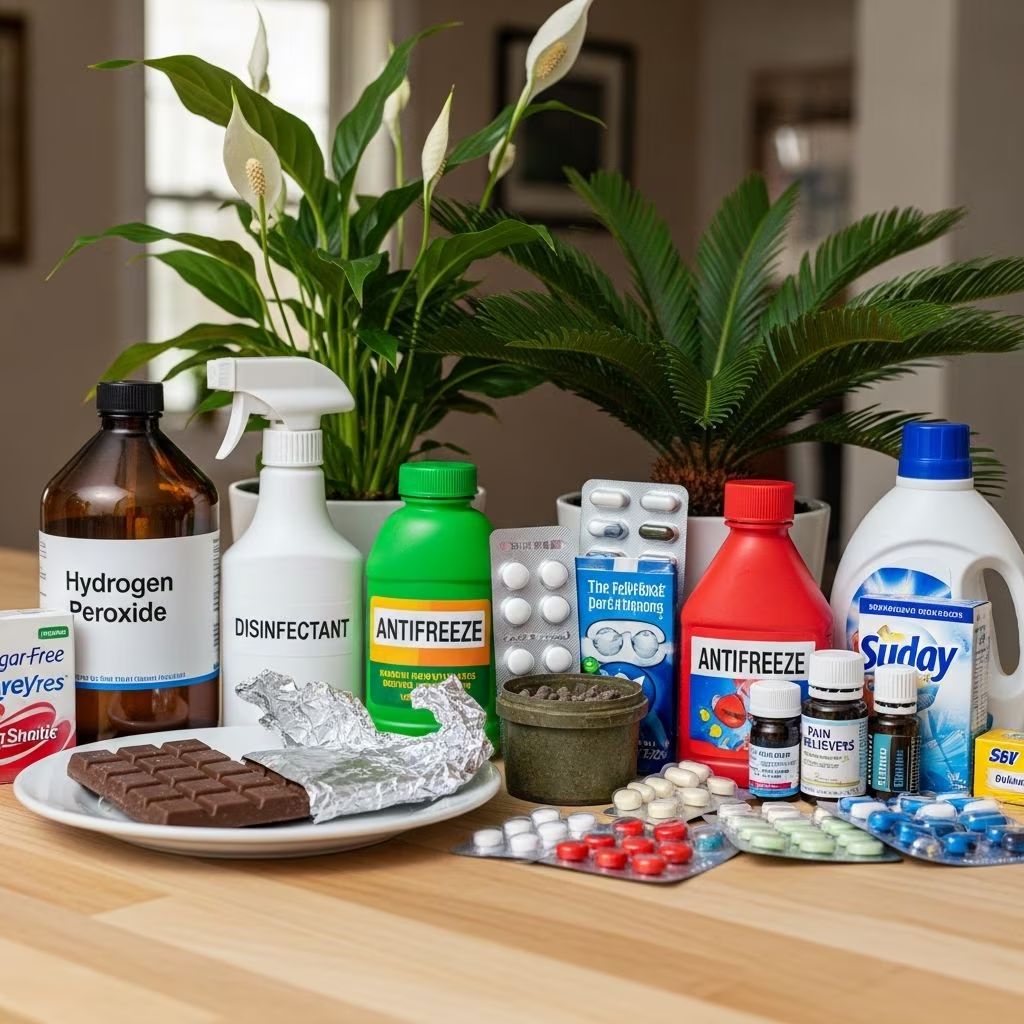
10 Common Household Items That Are Toxic to Dogs and Cats
As pet owners, we strive to create a safe and nurturing environment for our beloved companions. However, many everyday household items that seem harmless to us can pose serious—and sometimes life-threatening—dangers to our dogs and cats. Understanding these hidden hazards is essential for protecting your pet’s health and wellbeing. This comprehensive guide explores the ten most common household items toxic to dogs and cats, helping you identify risks and take preventive measures to keep your furry friends safe.
1. Human Medications
One of the most frequent causes of pet poisoning is the accidental ingestion of human medications. A pet’s metabolism differs fundamentally from a human’s, meaning a standard dose safe for you can be life-threatening for your dog or cat. This risk extends beyond prescription medications to include over-the-counter pain relievers, which are a primary concern for veterinarians.
Acetaminophen (Tylenol) is extremely dangerous for cats, causing severe liver failure and red blood cell damage with even small doses. Ibuprofen and other nonsteroidal anti-inflammatory drugs (NSAIDs) can cause gastrointestinal bleeding and kidney damage in both dogs and cats. Additionally, antidepressants, ADHD medications, and heart medications pose significant risks to pets if ingested.
To protect your pets, always store all medications—both human and pet-specific—in sealed containers within a secure cabinet that is entirely out of your pet’s reach. This includes portable pill containers kept in purses, suitcases, and bedside tables. Even a single tablet can be dangerous, so never leave medications unattended on countertops or bathroom surfaces.
2. Toxic Foods and Beverages
While sharing food with our pets might seem like an act of love, many common foods in our kitchens are toxic to dogs and cats. Understanding which foods pose dangers is crucial for preventing accidental poisoning.
Chocolate and Caffeine
Chocolate contains theobromine and caffeine, both of which are toxic to dogs and cats. Dark chocolate and baking chocolate pose the greatest risk due to higher concentrations of these compounds. Even small amounts can cause vomiting, diarrhea, rapid heart rate, and in severe cases, seizures or death.
Xylitol (Artificial Sweetener)
Xylitol is found in many sugar-free products, including gum, candy, baked goods, and peanut butter. This artificial sweetener is extremely toxic to dogs and causes a rapid, life-threatening drop in blood sugar and can lead to liver failure. Cats are also susceptible to xylitol toxicity, though dogs are more commonly affected.
Onions, Garlic, and Chives
Members of the Allium family—including onions, garlic, leeks, and chives—contain compounds that can cause oxidative damage to red blood cells in both cats and dogs, leading to hemolytic anemia. This toxicity can occur from fresh, cooked, powdered, or dehydrated forms. Symptoms may include weakness, vomiting, and pale gums.
Grapes and Raisins
Though the exact toxic compound remains unknown, grapes and raisins have been documented to cause acute kidney failure in dogs. Even a small number can be dangerous, and individual pets may have varying sensitivity levels. Cats can also be affected, though cases are less frequently reported.
Macadamia Nuts
Macadamia nuts can cause weakness, tremors, vomiting, and an elevated body temperature in dogs. While the mechanism of toxicity is not fully understood, even small quantities can produce symptoms within 6 to 12 hours of ingestion.
Avocado
The leaves, skin, pit, and fruit of avocado contain persin, which can be toxic to some animals. Additionally, the large pit poses a serious choking hazard and can cause intestinal obstruction.
Alcohol and Raw Yeast Dough
Even small amounts of alcohol can cause intoxication, disorientation, respiratory distress, and potentially fatal complications in pets. Raw yeast dough is similarly dangerous, as it can expand in the stomach and cause bloating, vomiting, and alcohol production through fermentation.
3. Common Household Plants
Many decorative plants found in homes and gardens are highly toxic to pets. Cats are particularly vulnerable, as they tend to chew on plants more frequently than dogs.
Lilies
All parts of true lilies—such as Easter lilies, Tiger lilies, and Asiatic lilies—are extremely toxic to cats. Ingesting even a small amount of pollen while grooming can lead to acute, irreversible kidney failure. Even minimal exposure can cause severe organ damage within hours. Dogs are generally less susceptible to lily toxicity, though some varieties can still cause gastrointestinal upset.
Sago Palm
This popular decorative plant is highly toxic to both dogs and cats. All parts of the plant, particularly the seeds, contain a compound called cycasin that causes severe liver failure and gastrointestinal upset. Even small ingestion can result in vomiting, diarrhea, and potentially fatal hepatic necrosis.
Tulips and Peruvian Lilies
Tulips and Peruvian lilies contain toxins in their bulbs and leaves that can cause oral irritation, vomiting, and gastrointestinal upset in pets. Cats are particularly susceptible to tulip toxicity.
4. Household Cleaners and Chemicals
The products we use to keep our homes clean often contain harsh chemicals that can poison our pets. Many pets investigate and consume these items because they smell or feel interesting.
Bleach and Ammonia-Based Cleaners
Bleach, ammonia-based cleaners, toilet bowl scrubs, and drain openers can cause severe chemical burns to the mouth, esophagus, and stomach lining if ingested. The fumes can also irritate a pet’s respiratory system, causing coughing and difficulty breathing. Always keep your pet in another room while cleaning and ensure all surfaces are completely dry before allowing them back.
Laundry Detergent Pods and Liquid Detergents
Liquid laundry detergent and laundry detergent pods can cause stomach upset and irritation to the mouth and throat. In some cases, serious and life-threatening symptoms can occur. The concentrated formulation in pods makes them particularly dangerous, as a single pod can deliver a high dose of chemicals.
Dryer Sheets and Fabric Softeners
Most laundry dryer sheets and fabric softeners contain cationic detergents that can cause severe chemical burns and ulcers to a pet’s mouth, esophagus, and stomach. Additionally, if swallowed whole, sheets can pose a risk of foreign body obstruction in the stomach or intestines—a potentially fatal medical emergency.
Essential Oils and Liquid Potpourri
Some essential oils, such as tea tree oil, can cause poisoning from ingestion or topical exposure to even a single drop of concentrated product. Tea tree oil can result in depression, hypothermia, and potentially liver injury in cats. Liquid potpourri products and plug-in air fresheners may contain essential oils and corrosive substances that cause poisoning and chemical burns.
5. Automotive and Garage Products
Automotive fluids and garage products contain highly toxic compounds that pose serious dangers to pets.
Antifreeze (Ethylene Glycol)
Ethylene glycol, the primary ingredient in most automotive antifreeze, has a sweet taste that is highly attractive to pets. A small lick can be fatal, causing acute and irreversible kidney failure. The initial symptoms may mimic drunkenness—including stumbling, disorientation, and depression—but the condition progresses quickly to a critical stage. Always clean up antifreeze spills immediately and thoroughly, and store containers securely in areas inaccessible to pets.
Paint, Glue, and Solvents
Paint, glue, paint thinners, and other solvents contain dangerous chemicals that can poison a pet. Symptoms of exposure include respiratory distress, neurological effects, and gastrointestinal upset. Keep these products in pet-proof containers or behind latched cabinet doors.
6. Pest Control Products
Products designed to control household pests contain potent toxins that are dangerous to pets.
Rodenticides (Rat and Mouse Poisons)
Rat and mouse poisons can cause internal bleeding, brain swelling, or kidney failure in pets. Anticoagulant rodenticides are particularly dangerous, as they interfere with blood clotting and can cause fatal hemorrhaging.
Insecticides and Flea Products
Sprays, baits, and foggers can cause neurological symptoms like tremors and seizures if ingested. Dog-specific insecticides containing pyrethroids, such as permethrin, are highly toxic to cats. Poisoning occurs when dog flea products are directly applied to cats or cats lick these medications off dogs, leading to neurologic stimulation. Always read labels carefully and consult your veterinarian about appropriate topical flea and tick medications for your specific pet.
Snail and Slug Bait
Baits containing metaldehyde are extremely toxic and can trigger severe seizures and a life-threatening rise in body temperature in pets exposed to them.
7. Batteries and Electronic Items
Batteries and items containing batteries pose significant dangers to curious pets.
Puncturing or chewing on batteries can expose pets to dangerous alkaline and acidic compounds. Common culprits include electronic remotes, children’s toys, and hearing aid batteries. Your pet doesn’t need to swallow an entire battery; simply puncturing it while chewing can cause severe chemical burns in the mouth, esophagus, and gastrointestinal tract. Keep batteries and battery-containing items securely stored and out of your pet’s reach.
8. Fertilizers and Lawn Care Products
Many common lawn and garden products can be harmful if eaten by pets.
Some fertilizers contain a dangerous mix of nitrogen, phosphorus, and iron that can cause severe stomach upset and gastrointestinal distress. Cocoa mulch is particularly hazardous for dogs, as it is made from cacao bean shells and contains theobromine—the same toxic compound found in chocolate. Even small amounts of cocoa mulch can cause toxicity symptoms.
Fertilizers with herbicides, insecticides, or mold also pose risks to pets. Always store lawn care products in secure locations and keep pets away from treated areas until products have dried or settled completely.
9. Mothballs and Lighter Fluid
Mothballs and lighter fluid contain toxic compounds that can cause serious health problems in pets.
Mothballs typically contain either naphthalene or paradichlorobenzene, both of which are toxic when ingested. Symptoms of mothball ingestion include vomiting, diarrhea, abdominal pain, and potentially liver or kidney damage. Lighter fluid and similar petroleum distillates can cause chemical burns, respiratory distress, and neurological symptoms if ingested or inhaled in high concentrations.
10. Other Hazardous Household Items
Beyond the primary categories, several other common household items pose significant risks to pets:
Tobacco Products: Nicotine is toxic to both dogs and cats, causing vomiting, diarrhea, tremors, and potentially cardiac arrhythmias.
Xylitol-Containing Products: Beyond foods, xylitol appears in many household items including some toothpastes and mouthwashes.
Cosmetic and Personal Care Products: Many shampoos, lotions, and cosmetics contain toxic ingredients, particularly essential oils and salicylates.
Playdough and Craft Supplies: Some playdough formulations and craft supplies contain toxic dyes and preservatives.
Prevention and Safety Tips
Protecting your pets from household toxins requires vigilance and proactive measures:
Secure Storage: Store all medications, cleaning products, and chemicals in high cabinets with child-proof locks. Keep automotive fluids in secure containers in the garage.
Label Reading: Always read product labels and ingredient lists. Be aware of which products contain xylitol, essential oils, and other pet toxins.
Pet-Proofing: Regularly inspect your home and yard for accessible hazards. Remove toxic plants or keep them in areas your pets cannot access.
Awareness: Educate family members and visitors about pet toxins. Remind guests not to feed your pets human foods without permission.
Emergency Preparedness: Keep your veterinarian’s phone number and your local animal poison control center’s number readily available. In the United States, the ASPCA Animal Poison Control Center operates 24/7 at (888) 426-4435.
Frequently Asked Questions (FAQs)
Q: What should I do if my pet ingests a toxic substance?
A: Contact your veterinarian or animal poison control center immediately. Provide information about what was ingested, the amount, and when it occurred. Do not induce vomiting unless specifically instructed by a veterinary professional, as some substances can cause additional damage if vomited.
Q: Are all household plants toxic to pets?
A: No, but many popular decorative plants are toxic. Research any plant before bringing it into your home, or choose pet-safe alternatives like spider plants, Boston ferns, and African violets.
Q: Can small amounts of chocolate harm my dog?
A: Yes, even small amounts can be dangerous, especially dark chocolate and baking chocolate. The toxicity depends on the type of chocolate, the amount consumed, and your dog’s weight. Always err on the side of caution.
Q: How can I safely use cleaning products with pets in the home?
A: Keep pets in a separate room while cleaning, ensure thorough ventilation, and allow all surfaces to dry completely before allowing pets back into the area. Consider using pet-safe cleaning alternatives.
Q: What are signs of poisoning in pets?
A: Common signs include vomiting, diarrhea, lethargy, drooling, tremors, difficulty breathing, loss of appetite, and unusual behavior. Seek veterinary care immediately if you notice any of these symptoms.
Q: Are cats more susceptible to toxins than dogs?
A: Cats are generally more sensitive to certain toxins, particularly lilies, essential oils, and some medications. Their different metabolism makes them vulnerable to substances that might have minimal effects on dogs.
Q: Is there a safe dose of xylitol for dogs?
A: No. Xylitol is toxic to dogs at any dose. Even small amounts can cause severe hypoglycemia and liver failure. Completely avoid xylitol-containing products.
Q: How quickly do toxin symptoms appear?
A: This varies depending on the toxin. Some effects are immediate, while others may develop over hours or days. Antifreeze poisoning can show symptoms within hours, while some plant toxins may take 24-48 hours to manifest.
References
- Poisonous Household Products — ASPCA Animal Poison Control Center. 2025. https://www.aspca.org/pet-care/aspca-poison-control/poisonous-household-products
- Household Hazards: Toxic Hazards for Cats — VCA Animal Hospitals. 2025. https://vcahospitals.com/know-your-pet/household-hazards-toxic-hazards-for-cats
- 92 Household Items That Can Be Poisonous to Pets — CareCredit. 2025. https://www.carecredit.com/well-u/pet-care/household-pet-advice/
- What Common Household Items Are Toxic to Pets? — American Animal Hospital Association (AAHA). 2025. https://www.aaha.org/resources/household-pet-toxins/
- Household Hazards — American Veterinary Medical Association (AVMA). 2025. https://www.avma.org/resources-tools/pet-owners/petcare/household-hazards
- 10 Common Household Items That Are Toxic to Pets — Coolidge Veterinary Clinic. 2025. https://www.coolidgevet.com/services/blog/10-common-household-items-are-toxic-pets
- 15 Surprising Pet Poisons: Keep Your Pet Safe — MedVet. 2025. https://www.medvet.com/15-surprising-pet-poisons/



