Common Health Problems in Guinea Pigs
Understand the most common guinea pig health issues and how to recognize warning signs.
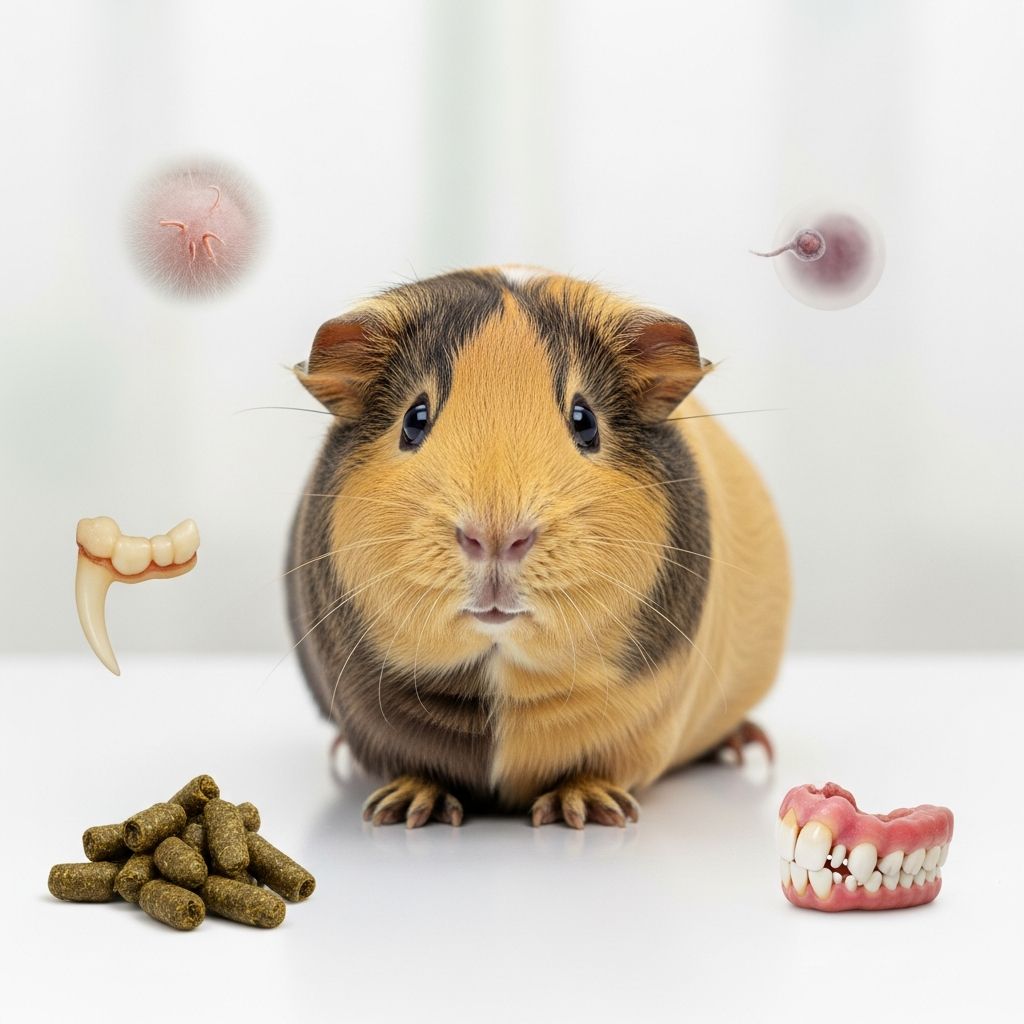
Guinea pigs can be hardy and relatively easy to care for when provided with an appropriate environment that meets their unique needs. However, like all animals, guinea pigs are susceptible to certain health problems and diseases that require awareness and prompt veterinary attention. Understanding these common conditions can help pet owners recognize warning signs early and seek appropriate medical care. The following is a comprehensive guide to some of the more prevalent health issues affecting pet guinea pigs, including respiratory infections, gastrointestinal diseases, vitamin C deficiency, tumors, abscesses, urinary problems, fungal skin infections, and infestations by parasites such as lice and mites.
Respiratory Infections
Respiratory infections represent one of the most significant diseases affecting pet guinea pigs and can be caused by several bacterial pathogens, including Bordetella, Staphylococcus, and Streptococcus species. Pneumonia, which affects the lungs and lower respiratory tract, is particularly serious and can progress rapidly. Guinea pigs may naturally harbor these bacteria and remain asymptomatic, acting as healthy carriers while still being capable of transmitting the disease to other animals.
These bacteria are considered “opportunistic” pathogens, meaning they primarily infect susceptible animals under certain conditions. Factors that increase susceptibility include stress, poor nutrition, inadequate sanitation, and weakened immune systems. When conditions are favorable, these bacteria multiply and cause disease.
Signs of Respiratory Infection
Pet owners should watch for the following clinical signs that may indicate respiratory disease:
– Nasal discharge or eye discharge- Sneezing or coughing- Difficulty breathing or noisy breathing- Fever- Weight loss- Lethargy or decreased activity- Loss of appetite- Redness around the nose or eyes
Respiratory disease can begin as an upper respiratory infection affecting the nose, sinuses, and trachea, and may progress to pneumonia if left untreated. Some guinea pigs show no symptoms before declining rapidly, which is why immediate veterinary evaluation is crucial if respiratory signs are observed. Pneumonia is a leading cause of death in guinea pigs, especially in young animals, making early detection and aggressive treatment essential.
Gastrointestinal Diseases
Digestive problems are among the most common health issues in guinea pigs and typically stem from inappropriate diets, infections, or parasites. One particularly serious condition is gastrointestinal stasis (GI stasis), in which the normal movement of food through the digestive tract slows significantly or stops completely. This condition can develop secondary to dental disease, loss of appetite, certain medications, gastrointestinal tumors, or blockages caused by foreign objects in the intestinal tract.
Causes of Gastrointestinal Problems
The most common triggers for digestive upset in guinea pigs include:
– Sudden changes in diet- Bacterial or viral infections- Internal parasites such as Cryptosporidium, Giardia, and coccidia- Dental disease affecting eating ability- Loss of appetite from other causes- Intestinal blockages or foreign objects
Symptoms and Warning Signs
Guinea pigs experiencing gastrointestinal problems may display various clinical signs that warrant immediate veterinary attention. These include anorexia (complete loss of appetite), depression, dehydration, weight loss, diarrhea, small or absent stools, low body temperature, grinding of the teeth, drooling, decreased activity, dull eyes and coat, hunched posture, and pain or reluctance when the abdomen is touched.
A low body temperature in guinea pigs has been associated with decreased survival rates, making prompt medical intervention critical. Digestive problems can rapidly become life-threatening, especially if the guinea pig loses significant fluid through diarrhea or stops eating and drinking entirely, as severe dehydration and lethargy can develop quickly.
Scurvy: Vitamin C Deficiency
Unlike most mammals, guinea pigs and primates cannot synthesize their own vitamin C (ascorbic acid) and must obtain this essential nutrient from their diet. Vitamin C is vital for the normal development and maintenance of skin, joints, and mucosal surfaces such as the gums. It is also critical for proper wound healing and normal immune system function, making deficiency particularly problematic.
Effects of Vitamin C Deficiency
A lack of dietary vitamin C makes guinea pigs significantly more prone to developing other diseases and infections. Clinical signs of scurvy can include:
– Rough or coarse hair coat- Reluctance to walk or move- Swollen feet or joints- Bleeding and ulcers on the gums or skin- Difficulty healing from wounds- Poor appetite- Lethargy and weakness- Dental problems and poor tooth development- Spontaneous bleeding from the gums
Prevention and Treatment
Prevention of vitamin C deficiency is far preferable to treatment. Guinea pigs require adequate dietary vitamin C from quality hay, fresh vegetables, and specialized guinea pig pellets formulated with vitamin C supplementation. Treatment typically involves vitamin C injections and dietary improvements to restore adequate intake. Owners should ensure their guinea pigs receive approximately 10-50 mg of vitamin C daily through proper nutrition.
Tumors and Abscesses
While tumors are relatively rare in young guinea pigs, they become increasingly common as animals age, particularly after age five. Tumors can develop in various body systems and may present with symptoms depending on their location and severity. Regular physical examinations can help detect abnormal lumps or swellings early.
Abscesses, which are localized collections of pus resulting from infection, can develop in various areas of the guinea pig’s body. Cervical abscesses (in the neck region) are particularly common and may result from dental disease, tooth root infections, or other infections. Abscesses may require drainage, antibiotics, or surgical removal depending on their location and severity.
Urinary Problems and Calculi
Guinea pigs are particularly prone to the development of urinary calculi, commonly known as stones or uroliths. These mineral deposits can form in the urinary bladder or urethra and can cause significant discomfort and urinary obstruction. Additionally, bladder infections are relatively common, especially if cage sanitation is neglected.
Signs of Urinary Problems
Guinea pigs experiencing urinary issues may display:
– Dysuria (painful or difficult urination)- Increased urination frequency- Foul-smelling urine- Blood in the urine- Straining during urination- Abdominal discomfort or pain- Lack of appetite- Weight loss
Diagnosis and Treatment
Veterinarians diagnose urinary problems through a combination of methods including thorough history taking, physical examination (particularly abdominal palpation), blood tests, urinalysis, and radiographic imaging (X-rays). Sick guinea pigs with urinary problems may require hospitalization and supportive care, including intravenous fluid therapy and syringe feeding. In cases where uroliths are present, surgical removal may be necessary.
Prevention of urinary calculi involves maintaining appropriate diet, ensuring adequate water intake, regular cage cleaning, and annual veterinary check-ups. These preventive measures can help detect problems such as urinary tract stones before they develop into life-threatening emergencies.
Skin Conditions and Parasites
Guinea pigs are susceptible to various skin conditions caused by external parasites, fungal infections, and other dermatological issues. These conditions can cause significant discomfort through intense itching and may lead to secondary infections.
Parasitic Infestations
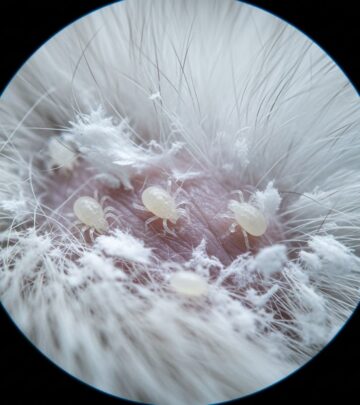
Guinea pigs can carry and be affected by lice, mites, and fleas. Many animals are infected at birth and carry low-grade infections that may increase during times of stress or poor nutrition. These parasites cause intense itching, hair loss, and skin irritation. In some cases, mites can cause mange-like conditions with significant hair loss and skin lesions.
Fungal Infections
Ringworm, a fungal infection caused by dermatophytes, commonly affects guinea pigs and produces dry, red, scaly patches often appearing on the face and head. Unlike bacterial infections, ringworm is zoonotic, meaning it can be transmitted to humans, making proper hygiene and treatment important for both the animal and household members.
Prevention and Management
Guinea pigs can acquire skin infections from contaminated bedding or direct contact with infected animals. Prevention involves maintaining clean living conditions, regular bedding changes, quarantining new animals before introduction, and avoiding overcrowding. Treatment typically involves appropriate medications for the specific parasite or fungal infection, along with environmental decontamination.
Dental Disease
Dental problems are common in guinea pigs because their teeth grow continuously throughout their lives. Misalignment of upper and lower teeth, called malocclusion, can cause tooth overgrowth and sharp tooth edges that lead to pain while chewing and difficulty eating. Causes of dental disease include poor genetics, insufficient chewing activity (inadequate hay consumption), and vitamin C deficiency.
Dental disease can lead to serious complications including drooling, weight loss, mouth bleeding, tooth root infections (abscesses), and discharge from the nose or eyes. Maintaining adequate hay consumption and ensuring proper nutrition can help prevent many dental problems.
Ear Infections
Guinea pigs can develop ear infections affecting the outer ear, middle canal, or inner portion of the ear. These infections may cause discomfort, head tilting, discharge, odor, or hearing changes. Ear infections require veterinary diagnosis and treatment with appropriate medications.
General Health Monitoring
Pet owners should monitor their guinea pigs regularly for signs of illness. Warning signs that warrant immediate veterinary attention include eating less or not eating, signs of pain such as tooth grinding or reluctance to be touched, significant weight loss or gain over a short period, visible swellings or lumps, fast or noisy breathing, diarrhea, or increased drinking or urination.
Regular annual veterinary check-ups are essential for detecting health problems early, particularly as guinea pigs age. A veterinarian experienced in exotic pet medicine can perform thorough examinations and recommend preventive care strategies tailored to individual guinea pigs.
Frequently Asked Questions
Q: How often should I take my guinea pig to the veterinarian?
A: Guinea pigs should have annual veterinary check-ups for wellness care. However, if your guinea pig shows any signs of illness, seek veterinary attention immediately rather than waiting for the next scheduled appointment.
Q: Can guinea pig respiratory infections be prevented?
A: While you cannot completely prevent respiratory infections, you can reduce risk by maintaining clean living conditions, providing proper nutrition, minimizing stress, avoiding overcrowding, and keeping your guinea pig away from other potentially infected animals.
Q: What is the best diet to prevent vitamin C deficiency?
A: Provide quality hay as the primary diet component, high-quality guinea pig pellets formulated with vitamin C, and fresh vegetables daily such as bell peppers, kale, and parsley. Avoid foods that deplete vitamin C, such as excessive pellets without fresh vegetables.
Q: Is guinea pig pneumonia treatable?
A: Pneumonia can be treated with aggressive antibiotic therapy and supportive care when caught early. However, some guinea pigs show no symptoms before declining rapidly, emphasizing the importance of immediate veterinary care when respiratory signs appear.
Q: How can I prevent urinary calculi in my guinea pig?
A: Prevent urinary stones by maintaining an appropriate diet, ensuring adequate water intake, keeping the cage clean and dry, and scheduling regular veterinary check-ups. Early detection through veterinary monitoring can prevent stones from becoming life-threatening.
Q: Are skin infections in guinea pigs contagious to humans?
A: Some fungal infections like ringworm are zoonotic and can be transmitted to humans. Always practice good hygiene when handling guinea pigs with skin conditions and consult your veterinarian about proper treatment and precautions.
References
- Health Problems in Guinea Pigs — VCA Animal Hospitals. 2024. https://vcahospitals.com/know-your-pet/guinea-pigs-problems
- Common Health Problems of Guinea Pigs – All Other Pets — Merck Veterinary Manual. 2024. https://www.merckvetmanual.com/all-other-pets/guinea-pigs/common-health-problems-of-guinea-pigs
- Three Common Illnesses in Guinea Pigs — Patton Veterinary Hospital. 2024. https://pattonvethospital.com/blog/1170733-three-common-illnesses-in-guinea-pigs
- Guinea pig health — PDSA. 2024. https://www.pdsa.org.uk/pet-help-and-advice/looking-after-your-pet/small-pets/guinea-pig-health
- Health Problems with Guinea Pigs — Chicago Exotics Animal Hospital. 2024. http://www.exoticpetvet.com/health-problems-with-guinea-pigs.html
- Guinea Pig Disease Guide — Winter Park Veterinary Hospital. 2024. https://wpvet.com/guinea-pigs-care-guides/guinea-pig-diseases/
Similar Articles






Read full bio of Sneha Tete