

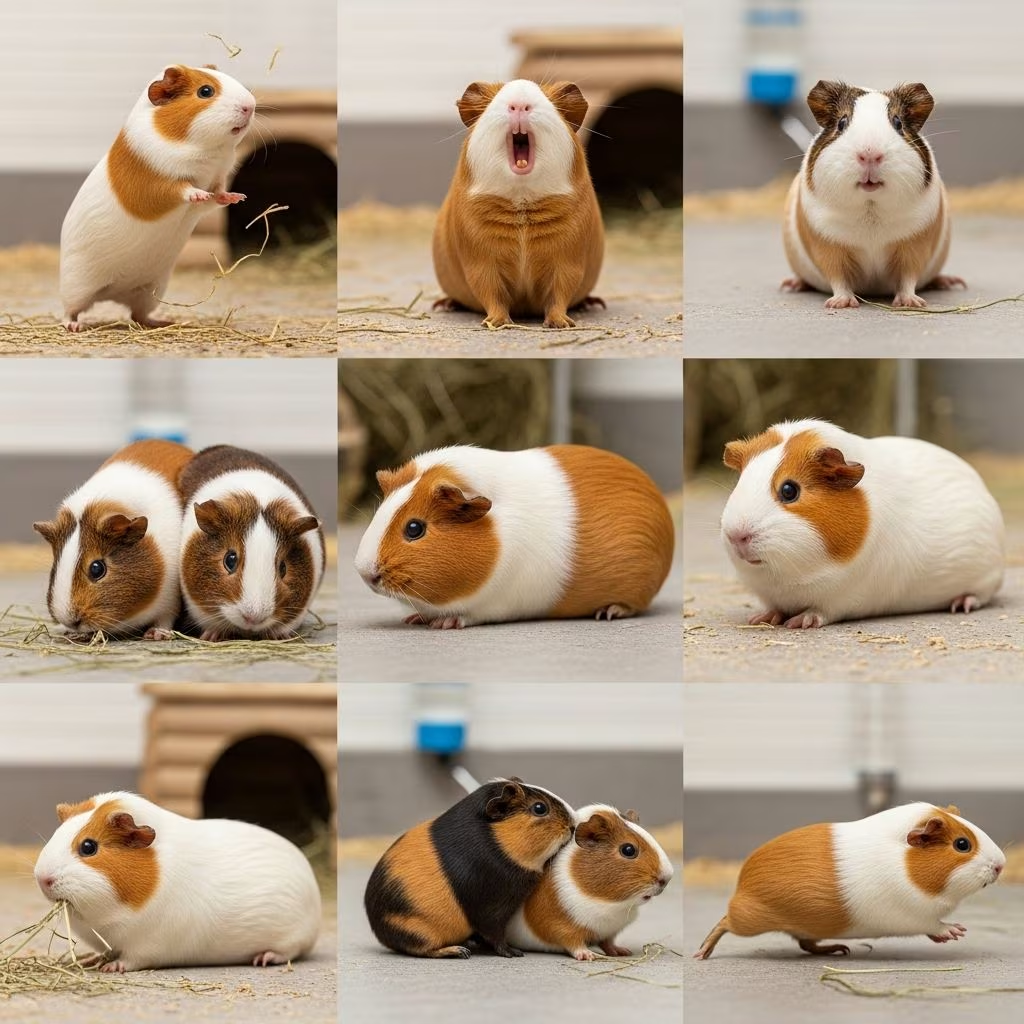
Understanding Guinea Pig Behavior: A Complete Guide
Guinea pigs are expressive, social animals with distinctive behaviors and vocalizations that communicate their emotions, needs, and well-being. Understanding these behaviors is essential for any guinea pig owner to ensure their pet is healthy, happy, and comfortable. From excited zoomies to defensive hisses, each action and sound tells a story about your guinea pig’s state of mind and physical condition.
By learning to interpret your guinea pig’s behavior, you can identify signs of stress, illness, contentment, and social dynamics. This knowledge helps you create a better living environment and respond appropriately to your pet’s needs.
Common Guinea Pig Sounds and What They Mean
Wheeking: The Sound of Excitement
Wheeking is one of the most recognizable guinea pig sounds—a high-pitched, excited vocalization that often occurs when guinea pigs anticipate food or recognize their owner’s routine before feeding time. This enthusiastic noise demonstrates their joy and anticipation for mealtime, typically accompanied by energetic movements or running around the enclosure. If you rustle a food bag or approach the cage at a usual feeding time, you’ll likely hear a chorus of wheeks from your guinea pigs as they rush to the front of their enclosure in anticipation of their meal.
Rumbling and Rumble-Strutting: Display of Dominance
Rumbling, also called “rumble-strutting,” is a distinctive low purring sound accompanied by the guinea pig swaying their bottom from side to side. Guinea pigs demonstrate this behavior while slowly walking around their cage or even while chasing other guinea pigs. Both male and female guinea pigs engage in rumble-strutting, typically as a display of dominance or amorous intention toward other guinea pigs. This behavior is completely natural and is part of their social hierarchy establishment.
Squeaking and Chirping: Communication of Various Emotions
Guinea pigs produce various types of squeaks and chirps to communicate different emotions. High-pitched squeaking or chirping often indicates excitement or interest, while sustained squeaks may signal hunger or a desire for attention. These vocalizations help guinea pigs maintain contact with their companions and alert their owners to their needs.
Moaning: A Sign of Discontent
Disgruntled moaning sounds from a guinea pig often signify complaints or mild discomfort. This noise may indicate reluctance to be picked up or annoyance with another guinea pig encroaching on their personal space. Understanding when your guinea pig is moaning helps you respect their boundaries and avoid unnecessary stress.
Loud Squeaking and Screaming: Signs of Pain or Distress
High-pitched, loud squeaks or screams are distressing sounds that indicate pain or extreme fear. This type of vocalization may suggest that your guinea pig has injured themselves or is experiencing pain from a condition such as bladder stones, which can cause discomfort during urination. If your guinea pig emits these sounds, it’s vital to determine the cause and consult a veterinarian if necessary.
Hissing and Teeth Chattering: Signs of Aggression
A guinea pig can hiss, which may sound like teeth chattering, to display aggression. If you see your guinea pig’s teeth, they mean business—back off! An upset guinea pig might also let out a high-pitched shriek to tell you they’re very unhappy with something you did or that they feel threatened. These behaviors should never be ignored, as they’re clear communication that your guinea pig is uncomfortable or defensive.
Key Guinea Pig Body Language and Behaviors
Popcorning: A Sign of Happiness
Popcorning is one of the most endearing guinea pig behaviors, where the animal jumps and bounds excitedly around their enclosure, resembling popcorn kernels popping in a machine. A guinea pig exhibiting this delightful behavior is likely a contented pet, and watching them is great fun. As guinea pigs age, they may not popcorn as frequently or with the same vigor, but you’ll still catch them in the occasional delightful bound of excitement. Young guinea pigs tend to popcorn more often than older ones.
Running and Zoomies: Happy Energy Release
If you see your guinea pig racing around their enclosure in sudden bursts of speed, this behavior demonstrates that they’re a happy and healthy pet. Known as “zoomies” in the guinea pig world, these sudden bursts of energy are normal behavior and great fun to watch. Zoomies typically occur when guinea pigs are excited, playful, or simply need to blow off steam. This is completely normal and even encouraged, as it demonstrates your pet is getting adequate exercise.
Freezing: Fear Response
Freezing is sudden immobility that indicates extreme fear or uncertainty in a guinea pig. When a guinea pig senses a threat, they may freeze, hoping to go unnoticed by whatever they perceive as dangerous. This is a natural prey animal instinct. When guinea pigs freeze, this behavior also alerts fellow guinea pigs that something might be wrong. Imagine one guinea pig socializing with another when one suddenly goes completely still—the other will soon follow suit, as this is an effective survival strategy.
Standing Up: Curiosity and Investigation
Guinea pigs might have small, barely noticeable legs, but that doesn’t stop them from standing up on their hind legs to get a clearer view of their surroundings. This “curiosity” stance affords a guinea pig a better view of their environment and helps them zero in on particular smells. Standing on hind legs also makes guinea pigs even more adorable when they beg for food treats. This behavior often goes hand-in-hand with sniffing as they investigate their world.
Head Rearing and Dominance Displays
If your guinea pig rears their head, it signifies dominance toward other guinea pigs. Establishing dominance is a natural part of their social behavior within a group, and this often occurs when new guinea pigs are introduced to the environment. Other dominance displays include head-butting, mild nipping, teeth chattering, chasing, rumble strutting, mounting, and urine spraying.
Coprophagy: Eating Their Own Droppings
Guinea pigs produce two types of droppings, one of which is a nutritious pellet they consume directly from their bottom. Known as “coprophagy,” this behavior is common among rodents and rabbits. Although it may seem odd to their human caretakers, it is a natural and essential aspect of guinea pig biology and nutrition. This process allows them to extract maximum nutritional value from their food.
Behavior When Being Held
Head Movements and Stroking Preferences
When you stroke a guinea pig and they flick their head back, this is a clear signal for you to stop what you’re doing, or they may become upset. Conversely, when a guinea pig has their chin stroked, they often raise their head and appear very happy and relaxed. This behavior is a strong sign that your guinea pig enjoys chin rubs and considers them pleasurable. Learning these preferences helps you build a positive relationship with your pet and respect their boundaries.
Age-Related Behavioral Changes
Teenage Guinea Pigs: The Rebellious Phase
When male guinea pigs (boars) are aged 6-18 months, they can act like teenagers, trying to show they’re the boss. This teenage phase might include mild aggression, strutting, wiggling their bottoms, swaying their hips, and raising their fur (called “heckles”). They might also mark their territory more frequently and chatter their teeth lightly during this phase. This behavior usually settles down by 18 months of age. If males can’t get along, you may need to separate them or consider neutering.
Health-Related Behaviors and Sounds
Sneezing and Respiratory Health
Guinea pigs can sneeze, just like humans. However, if they do this more than just occasionally, they may have a respiratory infection or their housing is too dusty. If your guinea pig sneezes frequently, you should make an appointment with your veterinarian to rule out health issues. Respiratory infections are serious in small animals and require prompt medical attention.
Yawning: A Familiar Behavior
Guinea pigs, much like humans, often yawn, especially just after waking up from a rest. When they yawn, they tend to open their mouths very wide and simultaneously stretch their bodies, extending their legs behind them. This endearing behavior highlights the charming similarities between guinea pigs and their human companions.
Signs of Stress and Behavioral Problems
Understanding signs of stress is crucial for maintaining your guinea pig’s well-being. Common stress indicators include:
- Hiding most of the time
- Aggression toward other guinea pigs or humans
- Chewing cage bars excessively
- Over-grooming or self-barbering
- Changes in feeding or toileting habits
- Drinking excessively or playing with water bottles
- Sitting hunched in corners
- Reluctance to move or exercise
- Repeatedly circling their enclosure
Guinea pigs who lack enrichment activities may chew on cage bars. Those experiencing stress may hide and show behavioral changes through body language, including freezing. Stress can also lead to lack of appetite or diarrhea. When guinea pigs don’t feel safe in their environment or lack adequate hiding places, they may chew out their hair in a behavior called “self-barbering”.
Social Behavior and Group Dynamics
Guinea pigs are naturally social species and in the wild, they live in large groups called herds. Guinea pigs should therefore never be housed alone. Social interaction with other friendly guinea pigs is essential for their psychological well-being. When introducing new guinea pigs, expect to see dominance behaviors as they establish their hierarchy. Most dominance displays are mild and natural, only becoming problematic if one guinea pig is constantly bullied, prevented from eating, bleeding occurs, or serious fights break out.
Communication Methods
Guinea pigs are excellent communicators, utilizing a combination of vocalizations, body language, and even scent to express themselves. They emit various sounds, including purring, chirping, and whistling, to convey their emotions and needs. Purring often signifies contentment, while squeaking might indicate excitement or hunger. Guinea pigs also use body posture, such as stretching out or standing on hind legs, to display dominance or submission within their social group.
Temperament and Handling Considerations
Guinea pigs are generally gentle and not prone to biting, but they will nip at threatening animals or people who are mishandling them. Guinea pigs are generally docile and easy to handle, however, they can respond fearfully to unfamiliar humans. To prevent fear responses, avoid startling these rodents with sudden movements or loud noises.
Frequently Asked Questions About Guinea Pig Behavior
Q: What does wheeking mean?
A: Wheeking is a high-pitched, excited vocalization that typically occurs when guinea pigs anticipate food or recognize feeding time routines. It’s a sign of joy and excitement.
Q: Is popcorning a sign of happiness?
A: Yes, popcorning—where guinea pigs jump and bound excitedly around their enclosure—is a clear sign of contentment and happiness. Young guinea pigs popcorn more frequently than older ones.
Q: Why do guinea pigs freeze?
A: Guinea pigs freeze when they sense a threat or feel scared. This is a natural prey animal instinct where they try to become invisible to potential predators.
Q: What does rumble-strutting mean?
A: Rumble-strutting is a low purring sound accompanied by side-to-side swaying of the bottom. It’s typically a display of dominance or amorous intention.
Q: Is it normal for guinea pigs to eat their own droppings?
A: Yes, coprophagy (eating their droppings) is a natural and essential behavior that allows guinea pigs to extract maximum nutritional value from their food.
Q: What should I do if my guinea pig is constantly sneezing?
A: If your guinea pig sneezes more than occasionally, consult a veterinarian as it may indicate a respiratory infection or dusty housing conditions.
Q: How long does the teenage phase last in male guinea pigs?
A: The teenage phase in male guinea pigs typically lasts from 6-18 months of age, during which they may display mild aggression and dominance behaviors that usually settle down by 18 months.
Q: What are signs that my guinea pig is stressed?
A: Signs of stress include hiding, aggression, cage bar chewing, over-grooming, changes in eating habits, excessive drinking, hunched posture, reluctance to move, and repeatedly circling their enclosure.
References
- Guinea Pig Behaviour: Noises & Body Language Meanings — Guinea Piggles UK. Accessed 2025-11-28. https://www.guineapiggles.co.uk/guinea-pig-behaviour/
- Guinea pig behaviour — RSPCA. Accessed 2025-11-28. https://www.rspca.org.uk/adviceandwelfare/pets/rodents/guineapigs/behaviour
- 10 Common Guinea Pig Behaviors Explained — Chewy. Accessed 2025-11-28. https://www.chewy.com/education/small-pet/guinea-pig/guinea-pig-behavior
- Guinea pig behavior and introducing new companions — Royal Veterinary College. March 2020. https://www.rvc.ac.uk/
- The Social Lives of Guinea Pigs — Guinea Pig Cage Company. Accessed 2025-11-28. https://guineapigcagecompany.com/blogs/news/the-social-lives-of-guinea-pigs
- Guinea Pig Behavior — Anti-Cruelty Society. Accessed 2025-11-28. https://anticruelty.org/pet-library/guinea-pig-behavior
- Housing and husbandry: Guinea pig — NC3Rs (National Centre for the Replacement, Refinement & Reduction of Animals in Research). Accessed 2025-11-28. https://nc3rs.org.uk/3rs-resources/housing-and-husbandry-guinea-pig



