

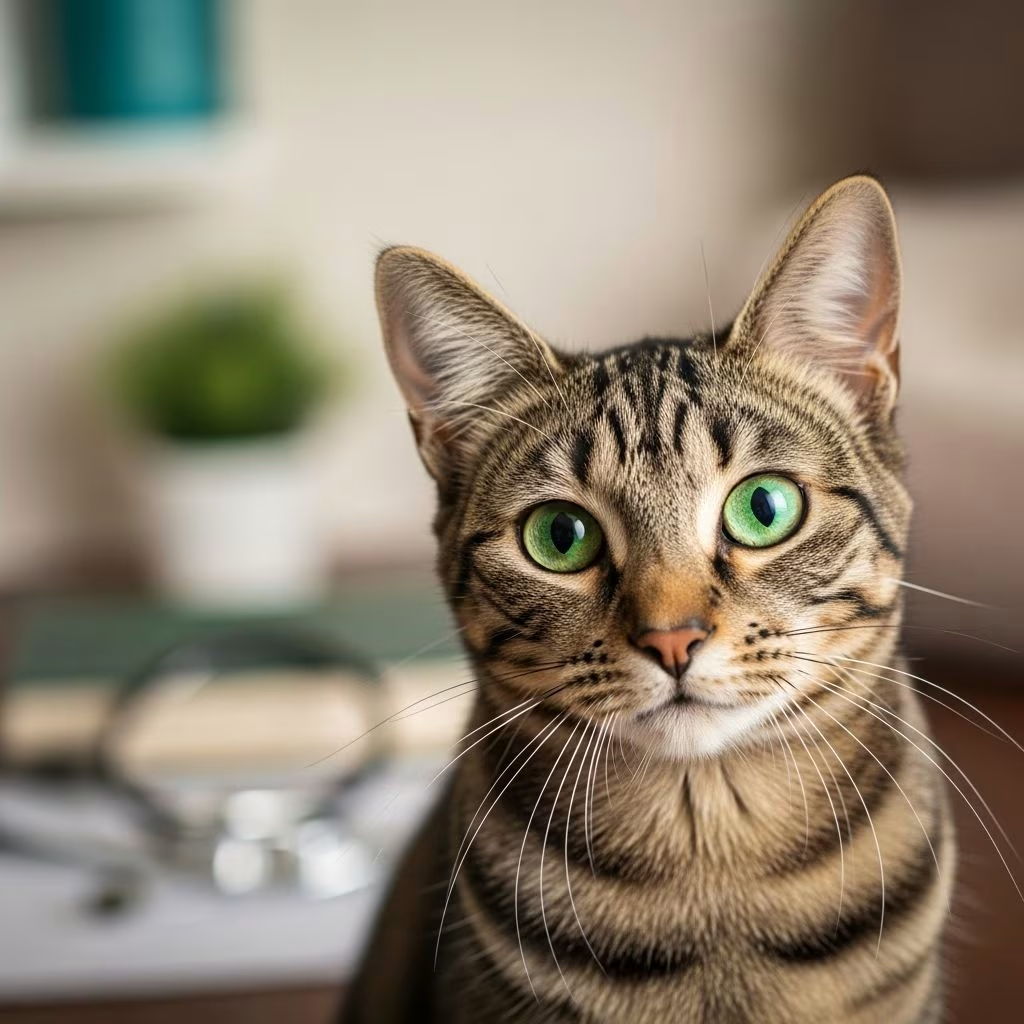
Genetic diseases in cats are inherited conditions passed down through breeding lines, affecting cats of all ages and backgrounds. While some genetic disorders are more prevalent in certain purebred cats, any cat can develop these conditions. Understanding these diseases, their symptoms, and prevention strategies is essential for responsible cat ownership and breeding practices. With approximately 250 genetic diseases known in cats, many of which have parallels to human diseases, awareness and early detection can significantly improve your cat’s quality of life.
What Are Genetic Cat Diseases?
Genetic cat diseases are health conditions caused by mutations in a cat’s DNA, inherited from one or both parents. These conditions can be autosomal dominant (requiring only one copy of the mutated gene), autosomal recessive (requiring two copies), or X-linked. Unlike acquired diseases that develop during a cat’s lifetime due to environmental factors, genetic diseases are present from birth, though symptoms may not appear until later in life. Understanding the inheritance pattern of these conditions helps breeders make informed decisions and helps cat owners recognize potential health risks in their pets.
1. Polycystic Kidney Disease (PKD)
Polycystic Kidney Disease is the most common single-gene inherited disease found in cats. This autosomal dominant condition causes fluid-filled cysts to develop in the kidneys over time, gradually impairing kidney function and leading to kidney failure. Cats with PKD develop numerous fluid-filled cavities in their kidneys that become increasingly larger and more numerous as the cat ages.
Affected Breeds: While any cat can develop PKD, it is most prevalent in Persian cats and Persian-related breeds. Approximately 38% of all Persian cats carry the defective gene responsible for this condition.
Symptoms: Early signs of PKD include increased thirst and urination, poor appetite, weight loss, and lethargy. As the disease progresses, cats may develop kidney failure, which can be life-threatening if not managed properly.
Prevention and Management: A genetic test is available to screen for PKD. Most affected cats develop kidney failure around seven years of age. If considering a Persian kitten, parents should have negative genetic testing prior to purchase. Regular veterinary monitoring and dietary management can help extend quality of life.
2. Hypertrophic Cardiomyopathy (HCM)
Hypertrophic Cardiomyopathy is the most common heart disease in cats, characterized by abnormal thickening of the heart muscle. This condition reduces the heart’s efficiency and can lead to congestive heart failure, arrhythmias, or sudden death. HCM is a primary disease of the left ventricular myocardium characterized by mild to severe concentric hypertrophy, and the average age at diagnosis is 5 to 7 years.
Affected Breeds: HCM is prevalent in Maine Coons, Ragdolls, Persians, British Shorthairs, Sphynx, and Chartreux cats. Approximately 33% of Maine Coon cats and 20% of Ragdoll cats carry a gene mutation affecting the heart muscle. Many of these cats may die prematurely, as early as 7 months of age.
Genetic Variations: The A31P mutation, found in approximately 34% of Maine Coon cats worldwide, changes an alanine to a proline in codon 31 of the gene. Cats homozygous for this mutation tend to develop moderate to severe disease, with most homozygotes dying before 4 years of age. The Ragdoll mutation (R820W) causes severe disease with early onset.
Diagnosis and Prevention: Genetic screening is available for some breeds, and regular veterinary exams including echocardiography can help with early detection. HCM also occurs in random-bred cats, though specific gene mutations in these cats are not yet identified.
3. Progressive Retinal Atrophy (PRA)
Progressive Retinal Atrophy is a genetic disease affecting the light-sensing retina at the back of the eye, causing it to degenerate over time. PRA is actually a family of genetic diseases with several known causative genetic variants.
Affected Breeds: Persians, Bengals, and Abyssinians are predisposed to PRA, though the condition has been reported in many other breeds.
Symptoms: Signs of PRA include night blindness as an early indicator, progressive vision loss, and eventually total blindness. Cats may show behavioral changes such as increased caution in low-light environments, reluctance to navigate, or bumping into objects.
Management: While PRA is currently incurable, early detection through regular eye examinations and genetic testing can help owners prepare for their cat’s changing vision needs. Creating a safe home environment and maintaining consistent routines can help affected cats adapt.
4. Pyruvate Kinase (PK) Deficiency
Pyruvate Kinase deficiency is an autosomal recessive genetic disorder affecting red blood cell metabolism, leading to hemolytic anemia. This condition impairs the cat’s ability to produce energy in red blood cells, causing them to break down prematurely.
Symptoms: Cats with PK deficiency may display lethargy, weakness, pale mucous membranes, jaundice, and exercise intolerance. The severity of symptoms varies depending on whether the cat is homozygous or heterozygous for the mutation.
Affected Breeds: This condition has been identified in various cat breeds, including Abyssinians and Somalis, though it can occur in other breeds as well.
Management: Genetic testing can identify carrier cats, allowing breeders to avoid producing affected kittens. Affected cats require monitoring and may need supportive care during hemolytic episodes.
5. Feline Lower Urinary Tract Disease (FLUTD)
Feline Lower Urinary Tract Disease is the most frequent hereditary predisposition observed in clinical practice, affecting up to 2% of all cats. While the mode of inheritance is not fully understood, genetic markers have been identified in cats with FLUTD, indicating a genetic component to this condition.
Breed Predisposition: Persian cats are at increased risk for FLUTD, while Siamese cats show decreased risk. This suggests breed-specific genetic factors contribute to disease susceptibility.
Environmental Factors: Once FLUTD is diagnosed, practitioners recognize that the disease can recur if environmental stress factors are not controlled. Interestingly, cats without the genetic marker for FLUTD will not develop the disease even in stressful environments.
Symptoms and Prevention: FLUTD symptoms include frequent urination, straining to urinate, blood in urine, and inappropriate urination. Managing stress, maintaining proper hydration, and providing a balanced diet can help prevent flare-ups in genetically predisposed cats.
6. Osteochondrodysplasia (Scottish Fold Disease)
Osteochondrodysplasia is a genetic skeletal disorder affecting Scottish Fold cats, caused by an autosomal dominant gene that produces the characteristic folded ears. However, this same gene causes abnormal cartilage and bone development throughout the body.
Symptoms: Affected cats develop progressive arthritis, joint stiffness, pain, and mobility issues. The severity varies, with some cats experiencing mild symptoms while others face significant disability.
Ethical Considerations: Many cat welfare organizations express concern about breeding Scottish Folds due to the inherent health problems associated with the gene responsible for their distinctive appearance. The condition illustrates how selective breeding for extreme traits can compromise feline health and welfare.
7. Devon Rex Myopathy
Devon Rex Myopathy is a genetic muscular disorder affecting Devon Rex cats, characterized by progressive muscle weakness and degeneration.
Symptoms: Affected cats display weakness, tremors, difficulty walking, and progressive loss of muscle function. Symptoms typically appear in young cats and progress over time.
Management: Currently, no cure exists for this condition. Genetic testing can identify affected and carrier cats, helping breeders prevent the disease through selective breeding practices.
8. Vitamin K-Dependent Coagulopathy (Devon Rex Hemophilia)
Vitamin K-dependent coagulopathy is an autosomally recessive genetic disorder in Devon Rex cats, also known as “hemophilia” by many breeders. The underlying problem is gamma-carboxylase deficiency, which impairs vitamin K recycling in the liver.
Symptoms: Affected cats experience excessive bleeding, easy bruising, spontaneous hemorrhage, and difficulty with blood clotting following minor injuries or surgery.
Management: Genetic testing can identify carriers and affected cats. Vitamin K supplementation may provide some benefit, and affected cats require careful management to prevent injuries and complications.
9. Diabetes Mellitus
While diabetes can develop as an acquired condition, genetic predisposition plays a significant role in feline diabetes. Certain cat breeds show higher susceptibility to developing this metabolic disorder.
Affected Breeds: Burmese cats show a genetic predisposition to diabetes mellitus, with higher prevalence compared to other breeds.
Symptoms: Common signs include increased thirst, frequent urination, weight loss despite increased appetite, and lethargy. Some cats may develop diabetic ketoacidosis in severe cases.
Management: While genetic predisposition cannot be changed, maintaining healthy weight, providing proper nutrition, and regular veterinary monitoring can help manage or prevent disease development in susceptible cats.
10. Lymphocytic and Plasmacytic Inflammatory Disease
Lymphocytic or plasmacytic inflammatory disease is number three in frequency among feline inherited conditions, referring to cats with stomatitis or inflammatory bowel disease. While specific genetic mutations have not been found, “liability genes” have been identified, suggesting genetic predisposition combined with environmental triggers.
Environmental Variables: Diet and stress play significant roles in disease expression. When subjected to a provocative diet or stress, only cats with the genetic tendency will exhibit disease.
Symptoms: Affected cats display oral inflammation, difficulty eating, drooling, gastrointestinal upset, and chronic inflammatory conditions.
Lifelong Management: Cats with this condition have a lifelong propensity for disease, requiring careful dietary management, stress reduction, and ongoing veterinary care to maintain quality of life.
Additional Genetic Conditions in Cats
Beyond the ten primary genetic diseases, numerous other inherited conditions affect cats, including:
Deafness: Inherited deafness occurs in various cat breeds, often associated with white coat color.
Manx Syndrome: Spina bifida and related spinal cord defects affecting Manx cats and tailless breeds.
Mucopolysaccharidosis: Metabolic storage disease affecting enzyme function.
Niemann-Pick Disease: Sphingomyelinosis, a lysosomal storage disorder.
Spinal Muscular Atrophy: Progressive neurological degeneration in Maine Coons and other breeds.
Patellar Luxation and Hip Dysplasia: Orthopedic disorders affecting joint development.
Genetics and Breeding Implications
Understanding cat genetics is crucial for responsible breeding. Many genetic diseases follow predictable inheritance patterns, allowing breeders to make informed decisions about which cats to breed. Genetic testing has become increasingly available for many feline genetic diseases, enabling breeders to identify carriers and affected cats before reproduction.
Selective breeding for extreme traits, while producing distinctive appearances, often compromises cat health and welfare. Breed standards that favor extreme physical characteristics—such as extremely flat faces, folded ears, or hairlessness—frequently correlate with genetic health problems. Responsible breeders balance aesthetic preferences with health considerations, prioritizing the long-term wellbeing of their lines.
Prevention and Early Detection
Genetic Testing: DNA testing can identify mutations responsible for many feline genetic diseases. These tests determine whether a cat is affected, a carrier, or clear of specific mutations. Prospective cat owners should request genetic test results from breeders for high-risk breeds.
Regular Veterinary Exams: Routine health checks allow veterinarians to monitor for early signs of genetic diseases. Breed-specific screening protocols can catch conditions early when intervention is most effective.
Responsible Breeding: Breeders should conduct genetic testing, maintain detailed pedigree records, and avoid mating carriers of the same recessive conditions. Breed clubs should establish guidelines for genetic health screening.
Adoption Considerations: Prospective cat owners should research breed-specific health issues and request health guarantees from breeders. Adopting from shelters provides access to mixed-breed cats with potentially lower genetic disease risk.
Frequently Asked Questions
Q: Can genetic diseases in cats be cured?
A: Most genetic diseases cannot be cured, as they are caused by inherited mutations. However, management strategies, medications, and environmental modifications can help cats with genetic conditions live more comfortably. Research into gene therapy shows promise for future treatments.
Q: How can I tell if my cat has a genetic disease?
A: Symptoms vary by condition but may include increased thirst and urination, vision changes, heart murmurs, muscle weakness, or behavioral changes. Regular veterinary exams and genetic testing can identify genetic diseases. If your cat belongs to a breed with known genetic predispositions, discuss screening options with your veterinarian.
Q: Is genetic testing available for all cat breeds?
A: Genetic testing is available for many common feline genetic diseases, particularly in popular breeds like Maine Coons, Ragdolls, and Persians. However, testing availability varies by condition and laboratory. Ask your veterinarian about available tests for your cat’s breed.
Q: Should I breed my cat if genetic disease runs in the family?
A: Responsible breeding requires genetic testing to identify mutations in your cat. If your cat carries genes for serious genetic diseases, breeding is not recommended unless you are confident neither parent carries the same mutation. Consult with breed clubs and veterinarians before breeding decisions.
Q: Do mixed-breed cats get genetic diseases?
A: Yes, mixed-breed cats can develop genetic diseases, though the prevalence is typically lower than in purebred populations. Genetic diversity in mixed-breed cats may provide some protective effect against certain conditions, but individual variation exists.
Q: What is the cost of genetic testing for cats?
A: Genetic testing costs vary by laboratory and number of conditions tested, typically ranging from $50 to $200 per test. Many veterinary clinics offer testing or can refer you to specialized laboratories. Some breed clubs negotiate discounted rates for members.
Q: How often should cats at risk for genetic disease be examined?
A: Cats with known genetic predispositions should receive veterinary exams at least twice yearly, or more frequently if symptoms develop. Breed-specific screening protocols, such as echocardiography for HCM-prone breeds, should follow veterinary recommendations.
Q: Can environmental factors trigger genetic diseases?
A: Yes, environment plays a significant role in disease expression for some genetic conditions. Stress, diet, and lifestyle factors can trigger symptoms in genetically predisposed cats. Managing these factors can help reduce disease manifestation and improve quality of life.
References
- Understanding Common Genetic Conditions in Cats — Wisdom Panel. 2024. https://www.wisdompanel.com/en-us/blog/common-genetic-conditions-in-cats
- Common Genetic Conditions in Pedigreed and Household Cats — Optimal Selection. 2024. https://optimal-selection.com/blogs/news/common-genetic-conditions-in-pedigreed-and-household-cats
- Most Common Inherited Diseases In Cats — Westchester Humane Society. 2024. https://www.wshs-dg.org/resource-center/ask-the-vet-pet-watch/132-ask-the-vet/419-most-common-inherited-diseases-cats
- Common Inherited Diseases of Cats — DVM360. 2024. https://www.dvm360.com/view/common-inherited-diseases-cats-proceedings
- Genetic Diseases of Cats — NIH National Center for Biotechnology Information. 2024. https://pmc.ncbi.nlm.nih.gov/articles/PMC10829125/
- Inherited Disorders in Cats — International Cat Care. 2024. https://icatcare.org/articles/inherited-disorders-in-cats
- 7 Common Genetic Disorders in Cats — PetMD. 2024. https://www.petmd.com/cat/slideshows/7-common-genetic-disorders-cats



