

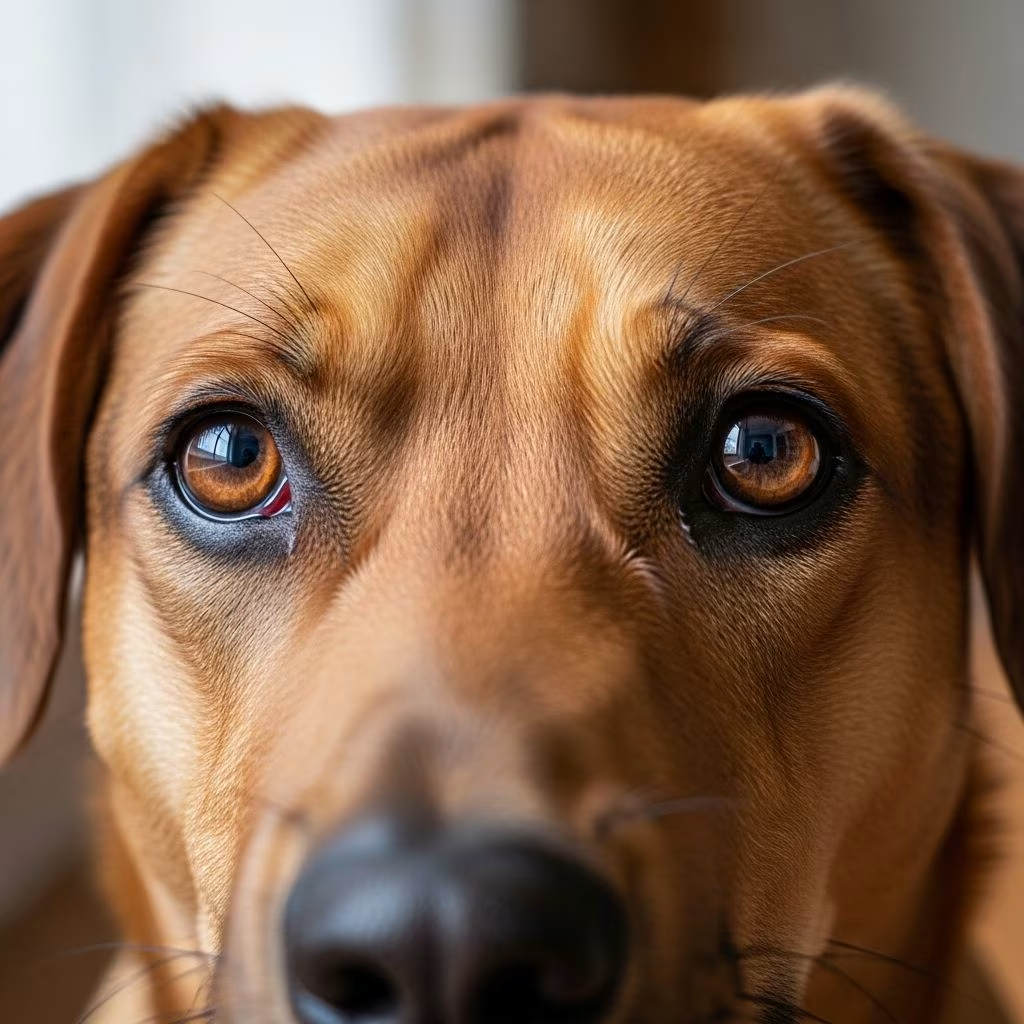
Understanding Common Eye Problems in Dogs
Just like humans, dogs can experience a variety of eye problems that range from minor irritations to serious conditions that threaten their vision. Early detection and proper treatment are essential for maintaining your dog’s eye health and quality of life. Understanding the most common eye conditions, their symptoms, and available treatments will help you provide the best care for your beloved companion.
Conjunctivitis (Pink Eye)
Conjunctivitis, commonly known as pink eye, is one of the most frequent eye problems in dogs. This condition involves inflammation of the conjunctiva, the thin, clear tissue that covers the white part of the eye and lines the eyelids. Conjunctivitis can be caused by bacterial or viral infections, allergic reactions, or environmental irritants such as smoke, pollen, perfume, and dust.
Causes and Risk Factors
Dogs with flat faces, including Pugs, Bulldogs, and Shih Tzus, are particularly prone to conjunctivitis due to their facial structure. Additionally, Collies and Collie mixes show higher incidence rates of this condition. Environmental factors, poor hygiene, and exposure to irritants significantly increase the risk of developing conjunctivitis.
Recognizing the Symptoms
The most common signs of conjunctivitis in dogs include:
– Red and swollen eyes- Water, yellow, or green discharge- Frequent blinking or squinting- Sensitivity to light- Pawing or rubbing the eyes- Itching and discomfort
Treatment Options
Treatment for conjunctivitis focuses on addressing the underlying cause. If the condition stems from a bacterial or viral infection, your veterinarian may prescribe both topical and oral medications, including antibiotics and anti-inflammatory medications. For cases caused by allergic reactions or environmental irritants, the vet will recommend specific eye drops and ointments. If the issue involves eyelid structure problems or foreign bodies, surgical correction may be necessary. Until the condition clears, limit contact with your dog and practice good hygiene by washing your hands regularly, as conjunctivitis can be highly contagious to humans.
Cataracts
Cataracts represent a clouding of the lens that can significantly impact your dog’s vision. This condition can develop at any age but is more common in senior dogs. Cataracts may be caused by genetics, diabetes, eye trauma, or prolonged inflammation within the eye.
Symptoms to Watch For
Dogs with cataracts often display the following signs:
– Cloudy or grayish appearance of the eyes- Changes in pupil size- Increased clumsiness and accidents- Hesitation when entering unfamiliar spaces- Difficulty seeing in dim lighting conditions- Behavioral changes related to vision loss
Treatment and Management
The primary treatment method for cataracts is surgical intervention, specifically a procedure called phacoemulsification. This advanced technique involves breaking down the cloudy lens and replacing it with an artificial intraocular lens. While surgery does carry some risks, it has a high success rate in restoring vision. Medications will be prescribed during the recovery period to ensure proper healing and reduce complications. Early surgical intervention typically yields the best outcomes for preserving your dog’s vision.
Glaucoma
Glaucoma is a serious eye condition characterized by increased pressure within the eyeball due to fluid buildup. If left untreated, this progressive disease can lead to permanent vision loss and blindness. Glaucoma requires immediate veterinary attention and ongoing management.
Symptoms and Signs
Dogs experiencing glaucoma may exhibit:
– Excessive squinting and blinking- Cloudy or bluish cornea- Redness in the white part of the eye- Excessive tearing and discharge- Bulging or enlarged eye appearance- Pain and discomfort- Reluctance to allow eye touching
Treatment Approaches
The primary goal of glaucoma treatment is to relieve pain and reduce the intraocular pressure. Initial treatment typically involves topical eye drops and oral medications that reduce fluid production and increase drainage. Dogs with manageable glaucoma usually require long-term medication management. If medications prove insufficient, more invasive procedures such as cyclophotocoagulation and drainage implants may be recommended. In severe cases where the dog loses vision or fails to respond to medical treatment, surgical removal of one or both eyes may be necessary to prevent pain and further complications.
Dry Eye (Keratoconjunctivitis Sicca)
Dry eye occurs when the tear glands fail to produce sufficient tears to lubricate the eyes and clear debris. Certain breeds, such as West Highland Terriers, Cavalier King Charles Spaniels, and Cocker Spaniels, are more susceptible to this condition. Additionally, dogs with diabetes or thyroid disease show increased incidence of dry eye.
Identifying Dry Eye in Your Dog
Common symptoms of dry eye include:
– Redness and swelling of the eye area- Thick, sticky discharge- Frequent squinting or blinking- Excessive rubbing or pawing at the eyes- Cloudy appearance of the cornea- Visible discomfort and irritation
Long-Term Management
Dry eye generally requires lifelong management and care. Treatment focuses on two main objectives: stimulating tear production and replacing the tear film. Your veterinarian will prescribe a combination of topical medications that must be applied throughout the day. Common medications include cyclosporine and tacrolimus, which help stimulate natural tear production. Some dogs may also receive antibiotics and anti-inflammatory medications to address secondary infections or inflammation. Without proper treatment, dry eye can progress to corneal ulcers and permanent vision damage.
Corneal Ulcers
Corneal ulcers represent an injury to the outer layer of the cornea and can develop from trauma, dry eye, or other underlying conditions. These ulcers can be extremely painful and require prompt veterinary attention to prevent progression and permanent scarring.
Recognizing Corneal Ulcers
Signs of corneal ulcers in dogs include:
– Redness and swelling around the eye- Excessive tearing and discharge- Frequent squinting and blinking- Visible eye irritation and pain- Pawing or rubbing at the eye- Sensitivity to light- Reluctance to open the affected eye
Treatment Options
Treatment for corneal ulcers involves antibiotic eye drops and pain relief medications to promote healing and comfort. Your veterinarian may use an eye stain to check for corneal injury and monitor healing progress. Severe cases may require surgical intervention, such as corneal grafting or other surgical repair techniques. An Elizabethan collar is typically recommended to prevent your dog from further irritating the eye by rubbing or scratching. If corneal ulcers are not properly treated, they can worsen, increase in size, and potentially lead to vision loss.
Cherry Eye
Cherry eye occurs when the third eyelid (nictitating membrane) prolapses and becomes visible as a red mass in the corner of the eye. While the condition gets its name from its appearance, it requires professional veterinary treatment to restore proper eye function.
Symptoms and Appearance
Dogs with cherry eye typically display:
– Eye irritation and discomfort- Excessive tearing or watery eyes- Pawing and rubbing at the eyes- Mucus discharge- Visible red mass in the eye corner- Swelling of the affected area
Surgical Treatment
Surgery is the primary treatment method for cherry eye in dogs. The procedure involves repositioning the third eyelid while preserving its important function. Your veterinarian will create a small pocket for the third eyelid to fit into and then secure it in place. This approach maintains the gland’s ability to produce tears, which is essential for eye health. With proper surgical correction, most dogs experience complete resolution of symptoms and restored comfort.
Entropion and Ectropion
Entropion and ectropion are eyelid conditions that can cause significant eye irritation and require veterinary attention. These conditions are often inherited, though they can develop later in life due to infections, injuries, or nerve damage.
Entropion: Inward-Rolling Eyelids
Entropion occurs when the eyelid rolls inward, causing the eyelashes to rub against the cornea. This constant friction can irritate the eyes, cause pain, lead to tearing, and result in corneal ulcers. Breeds particularly prone to entropion include Saint Bernards, Chow Chows, and Bloodhounds. Symptoms include excessive tearing, frequent squinting and blinking, redness and inflammation, visible eye irritation and pain, and pawing or rubbing at the eyes.
Treatment for entropion requires surgical correction, typically using the Hotz-Celsus procedure. During this surgery, the eyelids are reshaped and corrected so they no longer roll inward. Supplementary treatments include pain medications and lubricating eye drops to promote healing and comfort.
Ectropion: Outward-Rolling Eyelids
Ectropion is the opposite condition, where the eyelid rolls outward and away from the eye. This can expose excessive amounts of the eye’s surface and lead to irritation and dryness. Mild ectropion is typically managed with eye drops and ointments to keep the eyes lubricated and protected. More severe cases may require surgical correction to restore proper eyelid positioning and function.
Other Eyelid Conditions
Beyond entropion and ectropion, several other eyelid problems can affect dogs’ vision and comfort. Distichia involves extra eyelashes that are directed toward the eye and may or may not cause irritation. Ectopic cilia are abnormal hairs that grow from the underside of the eyelid and poke into the cornea, potentially causing recurrent ulcers. Eyelid tumors, though typically benign, are masses growing on the eyelid margins that can rub on the cornea. These tumors are most commonly seen in middle-aged and senior dogs.
Eye Allergies in Dogs
Allergic disease can significantly affect your dog’s eyes, just as it affects their skin. Dogs with eye allergies typically have red, itchy eyes and may produce green, yellow, or clear discharge. Bacterial infections are common secondary complications.
Treatment for Eye Allergies
Treatment involves corticosteroid eye drops and, sometimes, antihistamines. Your veterinarian will determine which medications are necessary for your specific dog and will work to identify and eliminate the allergen causing the reaction. In some cases, addressing environmental factors or dietary issues may help reduce allergic responses.
Importance of Regular Eye Examinations
Regular veterinary eye examinations are crucial for early detection and prevention of serious eye conditions. Many canine eye problems can be effectively treated at home with regular administration of prescribed eye drops or ointments. However, some conditions require professional surgical intervention or ongoing specialist care.
When to Seek Veterinary Care
Contact your veterinarian immediately if your dog exhibits any of the following signs:
– Sudden vision changes or apparent blindness- Severe eye pain or excessive squinting- Clouding or color changes in the eyes- Unusual discharge or bleeding- Trauma or injury to the eye area- Persistent redness or swelling- Any sign of discomfort around the eyes
Frequently Asked Questions
Q: What are the most common eye problems in dogs?
A: The most common eye problems in dogs include conjunctivitis (pink eye), dry eye (keratoconjunctivitis sicca), cataracts, glaucoma, and corneal ulcers. These conditions vary in severity and require different treatment approaches.
Q: Can dog eye problems lead to blindness?
A: Yes, some conditions like glaucoma, untreated cataracts, and severe dry eye can progress to permanent vision loss or blindness if not properly managed. Early detection and treatment significantly improve outcomes.
Q: Are certain dog breeds more prone to eye problems?
A: Yes, flat-faced breeds like Pugs and Bulldogs are prone to conjunctivitis, while breeds like West Highland Terriers and Cocker Spaniels are susceptible to dry eye. Certain breeds also have genetic predispositions to conditions like entropion and cataracts.
Q: Can I treat my dog’s eye problems at home?
A: Many eye problems can be managed at home with prescribed eye drops or ointments. However, professional veterinary diagnosis is essential to determine the underlying cause and appropriate treatment. Some conditions require surgical intervention or specialist care.
Q: How often should my dog have eye examinations?
A: Healthy adult dogs should have annual eye examinations as part of routine veterinary care. Senior dogs and those with known eye conditions may require more frequent examinations to monitor their eye health and adjust treatment as needed.
Q: Can dogs adjust to vision loss if they become blind?
A: Yes, dogs can adapt remarkably well to vision loss or blindness. With proper care, patience, and environmental modifications, blind dogs can continue to lead happy, fulfilling lives using their other senses to navigate their surroundings.
Q: What preventive measures can I take to protect my dog’s eyes?
A: Regular veterinary check-ups, maintaining good eye hygiene, protecting eyes from trauma and irritants, managing underlying health conditions like diabetes, and providing a healthy diet rich in antioxidants can help maintain optimal eye health.
References
- Common Dog Eye Problems — Noble Vet Clinic. 2024. https://noblevetclinic.com/blog/common-dog-eye-problems
- 12 Common Dog Eye Problems and How They’re Treated — CareCredit. 2024. https://www.carecredit.com/well-u/pet-care/common-dog-eye-problems/
- Common Dog Eye Diseases — Charlotte Veterinary Ophthalmologist. 2023. https://www.charlotte.carolinavet.com/site/charlotte-emergency-vet-blog/2023/05/15/dog-eye-diseases
- Dog Eye Problems — PetMD. 2024. https://www.petmd.com/dog/general-health/evr_dg_eye_problems_in_dogs
- 8 Common Eye Conditions in Dogs — Veterinary Vision Center. 2024. https://veterinaryvisioncenter.com/8-common-eye-conditions-in-dogs/
- Eye Problems in Dogs — PDSA. 2024. https://www.pdsa.org.uk/pet-help-and-advice/pet-health-hub/symptoms/eye-problems-in-dogs



