

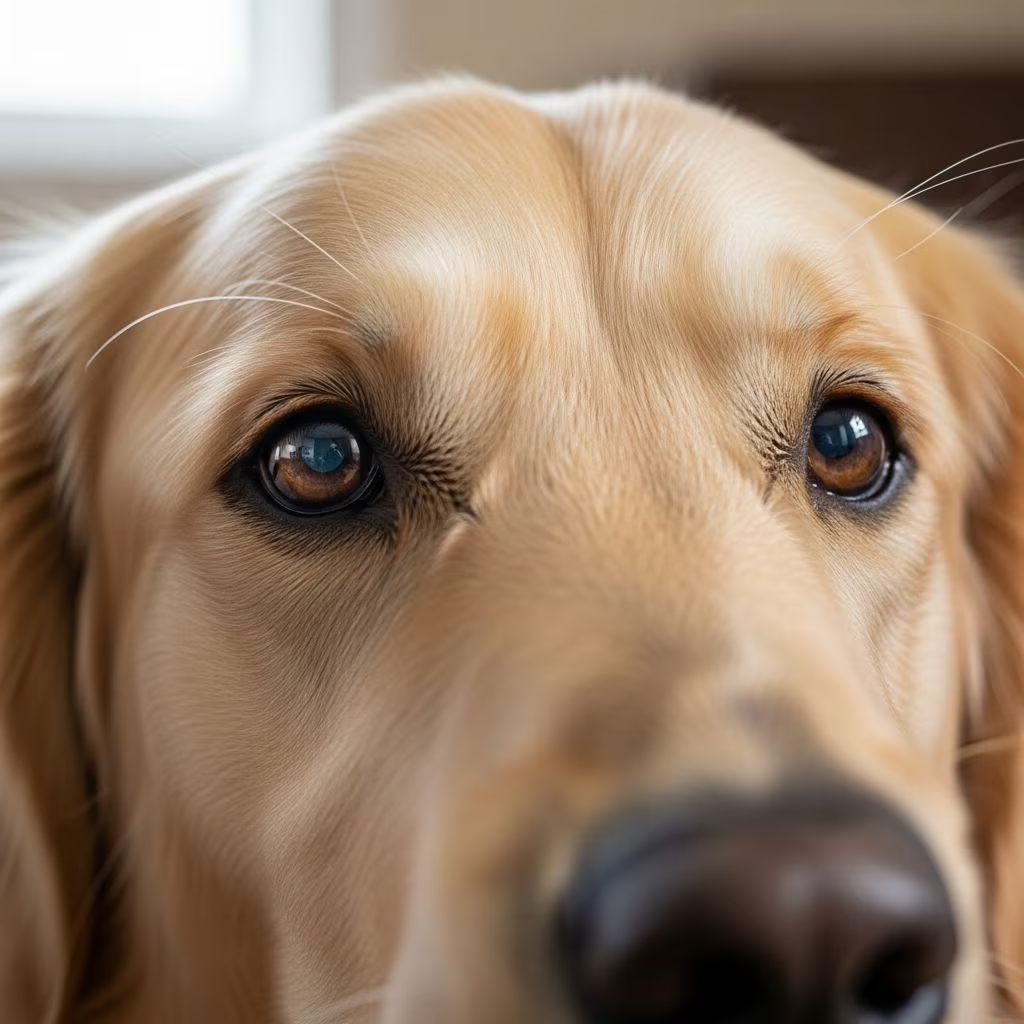
Dogs rely heavily on their vision to navigate the world, play, and interact with their environment. However, various eye disorders can compromise this vital sense, leading to discomfort, pain, or even blindness if not addressed promptly. Understanding these conditions empowers pet owners to spot early signs and seek timely veterinary care. This guide covers key canine eye issues, drawing from veterinary insights to help maintain your dog’s ocular health.
Why Eye Health Matters for Canines
A dog’s eyes are susceptible to problems due to their active lifestyles, genetic predispositions, and anatomical variations across breeds. Brachycephalic dogs with prominent eyes face higher risks of exposure and injury, while long-haired breeds may suffer from irritations caused by fur. Trauma, infections, and age-related changes further contribute to ocular vulnerabilities. Regular check-ups and awareness of symptoms like redness, squinting, or discharge are crucial for prevention and management.
Recognizing General Symptoms of Eye Trouble
Early detection hinges on observing behavioral and physical changes. Common indicators include:
- Persistent redness or bloodshot appearance
- Excessive tearing or thick discharge
- Squinting, pawing at the face, or sensitivity to light
- Cloudy or hazy corneas
- Dilated pupils or visible third eyelid
- Changes in eye size or bulging
If these persist beyond 24 hours, consult a veterinarian immediately to avoid complications like vision loss.
Conjunctivitis: The Canine Pink Eye
Conjunctivitis involves inflammation of the conjunctiva, the protective membrane over the eyeball and inner eyelids. Dogs exhibit redness, swelling, itching, and discharge ranging from watery to pus-like. Triggers include bacterial or viral infections, allergies, or irritants like dust and smoke. Certain breeds like Collies show increased susceptibility.
Treatment targets the root cause: antibiotics for infections, antihistamines or avoidance for allergies, and lubricating drops for relief. Prognosis is excellent with prompt intervention, preventing spread to other eye structures.
Cherry Eye: A Prolapsed Gland Issue
This condition features the sudden protrusion of the third eyelid’s tear gland, appearing as a red, fleshy mass. It stems from ligament weakness, common in breeds such as Beagles, Bulldogs, Pugs, Shih Tzus, and other short-nosed varieties. Untreated, it impairs tear production, risking dry eye and infections.
Surgical repositioning or removal is the standard fix, often with temporary ointments pre- and post-operation. Early surgery yields high success rates, preserving gland function for lubrication.
Cataracts: Clouding the Lens
Cataracts manifest as opaque lens areas, causing blurred vision, bumping into objects, or a bluish-gray pupil hue. Causes encompass genetics, diabetes, aging, or trauma, affecting breeds like Poodles and Labrador Retrievers.
Veterinary ophthalmologists perform phacoemulsification surgery to extract the lens, implanting an artificial one. Non-surgical dogs receive anti-inflammatory drops to manage secondary issues like glaucoma. Success rates exceed 90% in suitable candidates.
Glaucoma: Pressure Buildup Threat
Glaucoma arises from elevated intraocular pressure, compressing the optic nerve and causing irreversible damage. Acute signs are severe pain (whining, lethargy), red eyes, corneal haze, and enlarged globes. Primary (genetic) or secondary (from uveitis or lens luxation) forms affect breeds like Cocker Spaniels and Basset Hounds.
Urgent care involves pressure-lowering drops, oral meds, or laser surgery. Advanced cases may require enucleation (eye removal), but dogs adapt well post-procedure. Long-term management prevents fellow eye involvement.
Corneal Ulcers: Surface Wounds
These erosions on the cornea result from scratches, dry eye, or eyelid abnormalities, prompting intense pain, squinting, tearing, and light sensitivity. Brachycephalic breeds like Boston Terriers and Pugs are prone due to shallow orbits.
Diagnosis uses fluorescein staining. Superficial ulcers heal with antibiotic ointments and e-collars; deeper ones need surgery like diamond burr debridement or grafts, plus protective contact lenses. Healing timelines vary from days to weeks.
Dry Eye Syndrome (Keratoconjunctivitis Sicca)
KCS occurs when tear glands underproduce aqueous tears, leading to dull, sticky eyes, mucus buildup, redness, and ulceration risks. Autoimmune issues, distemper, or drugs cause it, prevalent in middle-aged dogs.
Lifelong therapy includes cyclosporine or tacrolimus drops to boost tears, artificial lubricants, and antibiotics for infections. Refractory cases explore salivary duct transposition surgery. Consistent application maintains comfort and vision.
Eyelid Malpositions: Entropion and Ectropion
Entropion rolls eyelids inward, lashes abrading the cornea, causing ulcers and pain—common in Shar-Peis and Rottweilers. Ectropion sags lower lids outward, exposing tissues to drying and infection, seen in Bloodhounds and Mastiffs.
| Condition | Symptoms | Treatment |
|---|---|---|
| Entropion | Irritation, squinting, ulcers | Surgery to evert lid |
| Ectropion | Drooping lid, infections | Lubricants or surgical tightening |
Mild cases use drops; surgery corrects anatomy permanently.
Breed-Specific Vulnerabilities
Genetics amplify risks:
- Brachycephalics (Pugs, Frenchies): Ulcers, cherry eye, KCS
- Hunting breeds (Bloodhounds): Ectropion, glaucoma
- Herding dogs (Collies): Conjunctivitis
- Spans: Cataracts, glaucoma
AKC data highlights brachycephalics’ exposure issues and long-haired breeds’ irritation proneness.
Prevention Strategies for Optimal Vision
Proactive measures reduce incidence:
- Trim facial hair around eyes
- Use protective eyewear during high-risk activities
- Maintain diabetes and hygiene control
- Schedule annual vet eye exams
- Avoid irritants like smoke
Nutrition with omega-3s and antioxidants supports ocular tissues.
When to Seek Emergency Care
Rush to a vet for trauma, sudden cloudiness, prolapse, or pain unrelieved by OTC aids. Delays exacerbate damage in glaucoma or deep ulcers. Veterinary ophthalmologists handle complex cases.
FAQs on Canine Eye Disorders
What causes most dog eye problems?
Genetics, infections, trauma, and breed traits top the list, varying by condition.
Can blind dogs live happily?
Yes, they adapt using smell, hearing, and memory, thriving with safe environments.
Are eye drops safe for home use?
Never; consult vets for prescriptions to avoid worsening issues.
How much does cataract surgery cost?
Ranges $2,000-$4,000 per eye, depending on location and complexity.
Is cherry eye painful?
Moderately; it irritates and risks secondary infections if ignored.
Long-Term Management and Prognosis
Most disorders respond well to intervention, preserving quality of life. Chronic ones like KCS demand adherence to regimens. Blindness, though possible, doesn’t diminish joy—dogs rely on other senses effectively. Partner with vets for tailored plans, including follow-ups and specialist referrals.
References
- Guide to Recognizing and Managing Common Dog Eye Problems — FetchVets. 2023. https://fetchvets.com/blog/common-dog-eye-problems/
- Common Dog Eye Diseases — Charlotte Emergency Vet. 2023-05-15. https://www.charlotte.carolinavet.com/site/charlotte-emergency-vet-blog/2023/05/15/dog-eye-diseases
- 12 Common Dog Eye Problems and How They’re Treated — CareCredit. N/A. https://www.carecredit.com/well-u/pet-care/common-dog-eye-problems/
- Dog Eye Diseases — Animal Eye Guys. 2023-12-30. https://www.animaleyeguys.com/site/blog/2023/12/30/dog-eye-diseases
- Eye Problems in Pets: Common Conditions & When to Seek Emergency Care — Advanced VMC. N/A. https://advancedvmc.net/eye-problems-in-pets-common-conditions-when-to-seek-emergency-care/
- Canine Eye Conditions — Veterinary Eye Institute. N/A. https://www.veterinaryeyeinstitute.com/eye-conditions-canine/
- Canine Eye Health — AKC Canine Health Foundation. N/A. https://www.akcchf.org/disease-history/canine-eye-health/



