

Common Dog Grooming Mistakes to Avoid
Dog grooming is far more than just keeping your pet looking presentable. It’s an essential component of responsible pet ownership that directly impacts your dog’s health, hygiene, and overall well-being. Regular grooming sessions help maintain healthy skin, prevent infections, distribute natural oils throughout the coat, and allow you to monitor your dog for any potential health issues. However, many well-intentioned dog owners inadvertently make grooming mistakes that can harm their pets or result in suboptimal outcomes. Understanding these common errors and learning how to avoid them is crucial for any dog owner who wants to provide the best care for their furry companion.
Mistake #1: Not Brushing Before Bathing
One of the most fundamental grooming mistakes is failing to brush your dog’s coat thoroughly before getting them wet. This oversight can lead to significant complications during and after the bathing process. When you attempt to bathe a dog with matted or tangled fur, the water causes these tangles to tighten and become more firmly embedded in the coat, making them exponentially harder to remove. Additionally, mats that absorb water become heavier and can pull painfully on the dog’s skin during drying. By brushing your dog completely before bathing—ensuring all knots, mats, and tangles are removed—you not only make the bathing process more comfortable for your pet but also protect their coat from damage and make your grooming job significantly easier.
The pre-bath brushing session should be thorough and reach all the way down to the skin. Pay special attention to areas prone to matting, such as behind the ears, under the armpits, and around the hindquarters. Using the appropriate brush or comb for your dog’s coat type will make this process more effective and comfortable for your pet.
Mistake #2: Using the Wrong Shampoo and Conditioner
A critical mistake many dog owners make is using human shampoo and conditioner on their pets. Human grooming products are specifically formulated for human skin chemistry and can be extremely harmful to dogs. Dogs’ skin has a different pH level than human skin, and human shampoos can strip away the natural oils that protect and nourish a dog’s coat and skin. This disruption of the skin’s natural protective barrier can lead to dryness, itching, irritation, and increased susceptibility to infections and skin conditions. When selecting grooming products, always choose shampoos and conditioners specifically formulated for dogs. These products are pH-balanced to match canine skin chemistry and are designed to cleanse effectively while preserving the skin’s natural protective oils. If your dog has specific skin conditions, allergies, or sensitivities, consult with your veterinarian about choosing an appropriate medicated or hypoallergenic shampoo.
Mistake #3: Using Too Much Shampoo
Even when you’ve selected the appropriate dog-specific shampoo, using excessive amounts can cause problems. Many owners assume that more shampoo means a better clean, but this is a misconception. Using too much shampoo makes it difficult to rinse completely from the coat, leaving residue behind that can cause dryness, irritation, and itching. The residual shampoo can also dull the coat’s appearance and make it feel sticky or waxy to the touch. When bathing your dog, use only the amount recommended on the product label, typically a quarter-sized amount for small dogs or up to a golf ball-sized amount for larger dogs. Focus on diluting the shampoo with water to create a lather, which is more effective than using concentrated shampoo directly on the coat. Thorough rinsing is just as important as the shampooing itself, so take adequate time to ensure all shampoo residue is completely removed from the coat.
Mistake #4: Not Drying Your Dog Properly
Improper drying is a frequently overlooked grooming mistake with serious consequences for your dog’s health. Many owners simply let their dogs air dry or give them a quick towel dry and consider the grooming session complete. However, leaving your dog damp or partially wet creates the perfect environment for fungal and bacterial growth, potentially leading to skin infections, hot spots, mange, and other dermatological conditions. To properly dry your dog after a bath, use a high-velocity dryer designed for pets, which effectively removes moisture while simultaneously fluffing and shaping the coat. This type of dryer blows air forcefully through the coat to remove trapped water without applying excessive heat. If using a high-velocity dryer, start at the head and work systematically down the body, paying special attention to areas that tend to retain moisture, such as the armpits, groin, and between the paw pads. Make sure your dog is completely dry before finishing the grooming session, especially during colder months or in humid climates where damp coats can take a long time to dry naturally.
Mistake #5: Not Brushing After Drying
Just as pre-bath brushing is essential, post-bath brushing is equally important and frequently neglected. After your dog has been dried, their coat should be brushed thoroughly to remove any mats or tangles that may have formed during the bathing and drying process. This post-bath brushing serves multiple important purposes: it helps redistribute the natural oils throughout the coat, giving it a glossy shine and making it easier to manage; it removes any remaining mats or tangles; and it helps set the coat in the desired direction. Additionally, brushing after drying allows you to check the skin for any abnormalities, parasites, or areas of concern that may have been revealed by the bathing process. Take your time during this step, using the appropriate brush or comb for your dog’s coat type, and make it a pleasant experience for your pet.
Mistake #6: Overlooking Regular Brushing Schedule
Beyond the brushing that happens during bathing, many dog owners fail to establish and maintain a consistent regular brushing routine between baths. This is a significant oversight that can lead to matted fur, skin issues, and overall poor coat health. Regular brushing removes dirt and debris from the coat, prevents tangles and mats from forming, and distributes natural oils throughout the fur, promoting healthier skin and a shinier coat. The frequency of brushing should be tailored to your specific dog’s coat type and length. Dogs with long or double coats require more frequent brushing—ideally several times per week or even daily—while short-haired dogs may only need weekly brushing. Establishing a consistent brushing routine not only keeps your dog’s coat in better condition but also helps you detect any skin problems, parasites, or other health issues early on.
Mistake #7: Cutting Nails Too Short
Nail trimming is a critical part of dog grooming, but it’s an area where many owners make painful mistakes. Cutting your dog’s nails too short can cause the nail to bleed, resulting in pain, discomfort, and infection risk for your pet. The issue occurs when you trim into the quick—the pink, vascular portion of the nail that contains blood vessels and nerves. To avoid this painful situation, familiarize yourself with what the quick looks like on your dog’s nails. If your dog has light-colored nails, the quick is visible as a pink or red circle in the center of the nail when viewed from the bottom. With dark-colored nails, the quick is harder to see, so trim conservatively and look for a small dark dot in the center of the nail’s cross-section—this indicates you’re approaching the quick. When in doubt, trim less rather than more. If you do accidentally cut the quick and your dog’s nail bleeds, apply styptic powder or pressure with a clean cloth to stop the bleeding. Consider having your veterinarian or a professional groomer trim your dog’s nails if you’re uncomfortable doing it yourself.
Mistake #8: Improper Ear Cleaning
Many dog owners make critical errors when cleaning their dog’s ears during grooming sessions. A common and dangerous misconception is that you should insert a Q-tip or similar object deep into the ear canal to clean it properly. This is actually one of the worst things you can do, as pushing objects too far into the ear canal or cleaning with too much force can cause damage to delicate ear structures, potentially leading to permanent hearing loss or chronic ear infections. Instead, ear cleaning should be gentle and limited to the outer ear and ear flap. Use a damp cotton ball or soft cloth to gently wipe away visible dirt and wax from the outer ear. If your dog has excessive ear wax buildup or you notice signs of ear infection such as odor, redness, discharge, or head shaking, consult your veterinarian rather than attempting to clean the ears yourself. Your vet can determine the underlying cause and recommend appropriate treatment.
Mistake #9: Using the Wrong Tools and Equipment
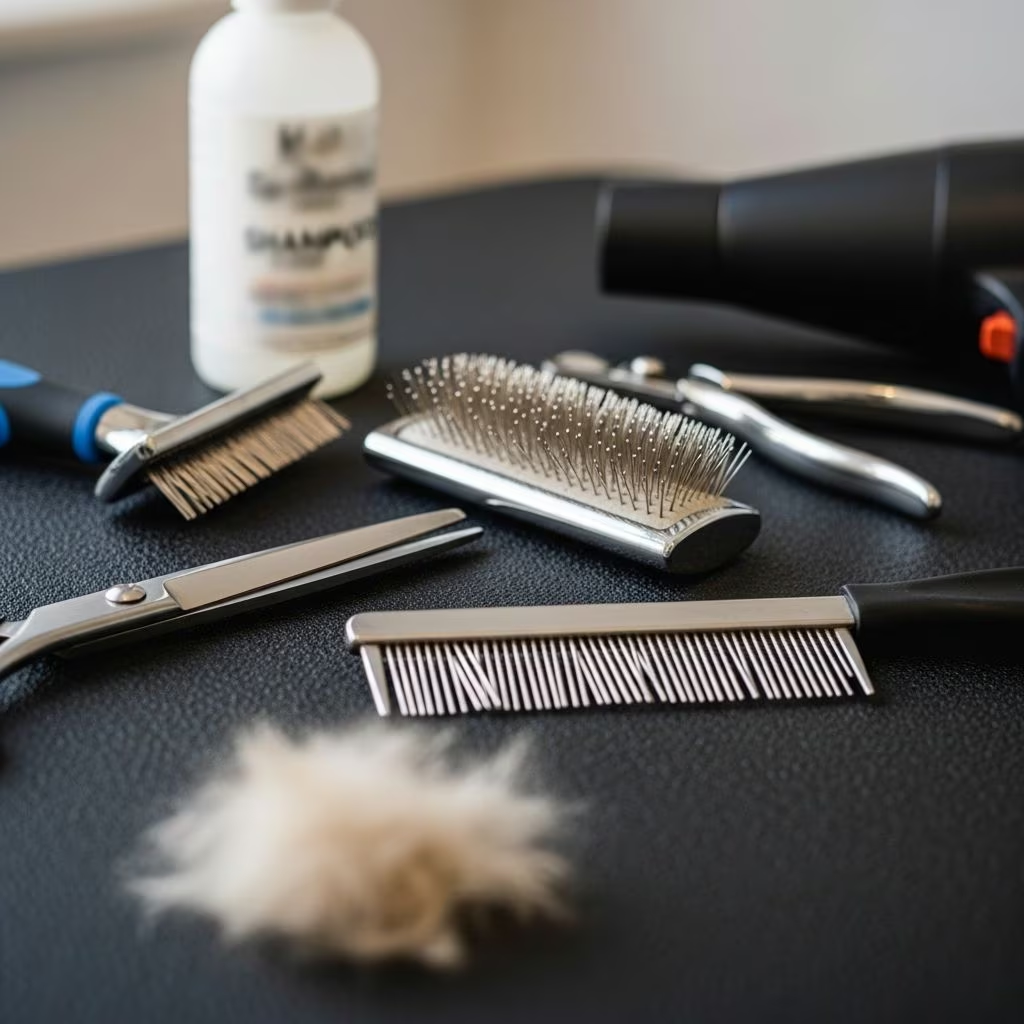
Using inappropriate or low-quality grooming tools is a mistake that can cause discomfort and injury to your dog. Using brushes with sharp, harsh bristles on a dog with sensitive skin can cause irritation, scratching, and even minor bleeding. Similarly, using dull clippers makes it difficult to cut through the coat efficiently, increasing the risk of razor burn, skin irritation, and potential nicks or cuts that could become infected. Before beginning any grooming session, ensure that you have the appropriate tools for your dog’s specific coat type and length. Invest in high-quality grooming equipment and maintain it properly by keeping blades sharp and clean. If clippers begin to feel dull or pull at the coat rather than cutting cleanly, have them professionally sharpened or replaced. Regularly sanitize all grooming tools to prevent the spread of bacteria and maintain your dog’s health and safety.
Mistake #10: Bathing Too Frequently or Infrequently
Finding the right balance in bathing frequency is important for maintaining your dog’s skin and coat health. Over-bathing removes natural oils and proteins from the coat, leading to dryness, irritation, and flaking skin. Conversely, under-bathing allows dirt, oils, and debris to accumulate, which can cause discomfort, odors, and potentially lead to skin infections. The ideal bathing frequency depends on your dog’s coat type, activity level, and lifestyle. Most dogs benefit from bathing approximately once a month, though dogs with oily coats or those who spend a lot of time outdoors may need more frequent bathing. Dogs with dry or sensitive skin may need less frequent bathing. Consult with your veterinarian or a professional groomer to determine the ideal bathing schedule for your individual dog.
Mistake #11: Rushing Through the Grooming Process
Many dog owners make the mistake of rushing through grooming sessions, which often results in incomplete or substandard grooming that leaves your dog looking unkempt and potentially overlooking health concerns. Thorough grooming means taking the time to brush and comb all the way down to the skin, carefully trim nails in the correct location, clean ears and eyes properly (if part of the groom), ensure the fur is evenly cut, tend properly to sanitary areas, and fully untangle any mats or knots. Each of these tasks requires attention to detail and cannot be rushed. Setting aside adequate time for grooming sessions and approaching them with patience and care ensures that your dog receives proper care and that you have the opportunity to notice any skin issues, abnormalities, or health concerns that might need veterinary attention.
Mistake #12: Shaving the Coat Inappropriately
One significant grooming mistake is shaving your dog’s coat too short or shaving double-coated breeds during summer months. Many owners believe that shaving their dog’s coat short will keep them cooler during hot weather, but this is a misconception. A dog’s coat actually provides insulation that helps regulate body temperature, keeping dogs cooler in summer and warmer in winter. Shaving the coat removes this natural protection and can actually make dogs hotter, increase their risk of sunburn, and leave them vulnerable to insect bites and injuries. Additionally, shaving double-coated breeds can permanently damage the coat, preventing it from growing back properly. Instead of shaving, consider professional grooming that removes loose undercoat and mats while keeping a protective outer coat intact. Regular brushing during shedding seasons is a better alternative to shaving for managing loose fur and keeping your dog comfortable.
Mistake #13: Brushing Wet Coats
While it might seem more efficient to brush your dog’s coat while it’s still wet, this is actually a common grooming mistake that can damage the coat and cause discomfort. When the coat is wet, individual hairs are more fragile and have a greater tendency to tangle together. Brushing a wet coat can break hair, increase matting, cause pain to your dog, and damage the coat structure. The proper sequence is always to bathe, dry thoroughly, and then brush. Although this takes more time and effort than brushing while wet, it protects your dog’s coat and ensures a better grooming outcome.
Establishing a Proper Grooming Routine
The foundation of good dog grooming is establishing a consistent routine that works for your dog’s specific needs. This routine should include regular brushing appropriate to coat type, regular bathing at intervals determined by your dog’s lifestyle and coat, monthly or as-needed nail trimming, weekly ear checks and gentle cleaning as needed, and periodic professional grooming sessions. By avoiding the common mistakes outlined above and following a well-planned grooming routine, you’ll keep your dog’s coat and skin healthy, catch health problems early, and maintain a strong bond with your pet through regular, positive grooming experiences.
Frequently Asked Questions
Q: How often should I bathe my dog?
A: Most dogs benefit from bathing approximately once a month, though this may vary depending on your dog’s coat type, activity level, and lifestyle. Dogs with oily coats or those who spend significant time outdoors may need more frequent bathing, while dogs with dry or sensitive skin may need less frequent bathing. Consult your veterinarian for personalized recommendations.
Q: What tools do I need for basic home dog grooming?
A: Essential grooming tools include appropriate brushes or combs for your dog’s coat type, nail clippers, a high-velocity dryer or towels, dog-specific shampoo and conditioner, cotton balls for ear cleaning, and nail grinder or file. Ensure all tools are clean, well-maintained, and sharp. High-quality tools make grooming easier and more comfortable for your dog.
Q: How do I know if my dog has matted fur?
A: Matted fur appears as clumped, tangled sections of coat that feel hard and dense when you run your fingers through them. Mats are most common in long-haired or double-coated breeds and often form in areas behind the ears, under the armpits, and around the hindquarters. Regular brushing prevents mats from forming in the first place.
Q: What should I do if I accidentally cut my dog’s nail quick?
A: If you cut the quick and your dog’s nail bleeds, remain calm and gently apply styptic powder or direct pressure with a clean cloth for several minutes to stop the bleeding. If bleeding doesn’t stop after 10 minutes or if you’re concerned about infection, contact your veterinarian.
Q: Can I use human shampoo on my dog?
A: No, you should never use human shampoo on your dog. Human shampoos have a different pH balance than dog-specific products and can strip natural oils from your dog’s skin, causing dryness, itching, and irritation. Always use products specifically formulated for dogs.
Q: How often should I brush my dog?
A: Brushing frequency depends on your dog’s coat type. Long-haired or double-coated breeds should ideally be brushed several times per week or even daily, while short-haired dogs may only need weekly brushing. Regular brushing prevents mats, removes dirt and debris, and distributes natural oils throughout the coat.
References
- The 20 WORST Dog Grooming Mistakes to Avoid Making — QC Pet Studies. 2023-01-15. https://www.qcpetstudies.com/blog/2023/01/the-20-worst-dog-grooming-mistakes-to-avoid-making
- 10 Common Pet Grooming Mistakes and How to Avoid Them — St. Charles Veterinary Hospital. https://www.stcharlesvethospital.com/blog/10-common-pet-grooming-mistakes-and-how-to-avoid-them-st-charles-veterinary-hospital
- Common Dog Grooming Mistakes and How to Avoid Them — The Groomer and Co. https://thegroomeryandco.com/grooming-mistakes-avoid-common-dog-errors/
- Common grooming mistakes to avoid when taking care of your dog at home — A Doggie Do. https://www.adoggiedo.com/blog/common-grooming-mistakes-to-avoid-when-taking-care-of-your-dog-at-home-5kf7w-fea9m-chty2
- Common Grooming Mistakes Pet Owners Make and How to Avoid Them — Scoopy Doo’s Delray Beach. https://scoopydoosdelraybeach.com/blogs/news/common-grooming-mistakes-pet-owners-make-and-how-to-avoid-them



