

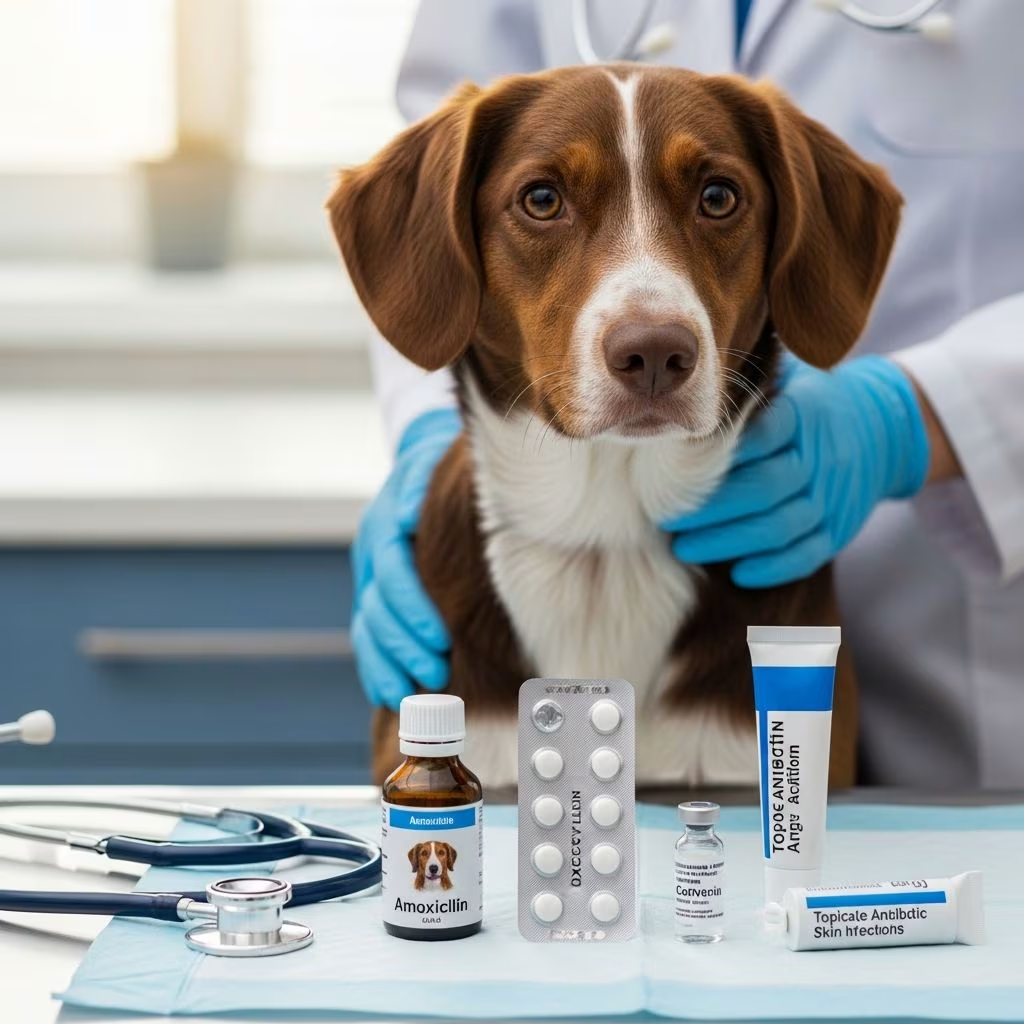
Antibiotics play a crucial role in managing bacterial infections in dogs, helping to restore health when prescribed correctly by a veterinarian. These medications target specific bacteria causing issues like skin wounds, urinary tract problems, respiratory conditions, and more. Understanding the types, applications, and precautions ensures optimal outcomes while minimizing risks such as resistance.
Why Dogs Need Antibiotics
Bacterial infections can arise from injuries, surgeries, or underlying conditions in dogs. Unlike viruses, which antibiotics do not treat, bacteria respond to these drugs by having their growth halted or cells destroyed. Common scenarios include hot spots on skin, pneumonia, Lyme disease from ticks, and gastrointestinal disturbances. Veterinary diagnosis via tests like cultures determines the right antibiotic, as not all are interchangeable.
Key Categories of Antibiotics for Canines
Antibiotics are grouped by class based on their mechanism. Penicillins disrupt cell walls, fluoroquinolones inhibit DNA replication, and tetracyclines block protein synthesis. Each class suits different bacteria types, such as gram-positive or anaerobic strains.
- Penicillins: Effective against a broad range, ideal for wounds and respiratory issues.
- Cephalosporins: Similar to penicillins but useful when resistance occurs.
- Fluoroquinolones: Potent for urinary and skin infections.
- Tetracyclines: Target tick-borne and respiratory pathogens.
- Lincosamides: Best for bone, dental, and deep tissue problems.
Popular Antibiotics and Their Primary Uses
Here is a detailed look at frequently prescribed options, drawn from veterinary practices.
Amoxicillin
This penicillin-derived drug treats skin infections, urinary tract issues (UTIs), respiratory problems, bite wounds, and gastrointestinal infections. It prevents bacteria from building protective walls, leading to their demise. Often given orally, it’s suitable for mild to moderate cases. Lyme disease and leptospirosis also respond well.
Amoxicillin/Clavulanate (Clavamox)
Combining amoxicillin with clavulanate overcomes bacterial enzymes that degrade standard penicillins. It’s go-to for stubborn skin infections, UTIs, and post-surgical prevention. The combo enhances spectrum against resistant strains.
Cephalexin
A first-generation cephalosporin, cephalexin excels in skin, urinary, respiratory, and bone infections. It shares penicillin’s cell wall attack but resists some breakdown enzymes. Minimal side effects make it popular for long-term use.
Enrofloxacin (Baytril)
This fluoroquinolone combats serious infections in urinary tracts, skin, prostate, lungs, and prostate. By stopping bacterial DNA copying, it halts reproduction. Caution in dehydrated dogs to avoid urine crystals.
Doxycycline
A tetracycline, doxycycline handles respiratory infections like kennel cough, tick-borne diseases (Lyme, Ehrlichiosis), and some UTIs. It infiltrates tissues well, making it versatile for hard-to-reach infections.
Metronidazole
Targeting anaerobic bacteria and protozoa, it’s prescribed for diarrhea, colitis, inflammatory bowel disease (IBD), and dental issues. Neurological effects possible with overdose, so strict dosing is key.
Clindamycin
A lincosamide, clindamycin fights dental, bone, skin, and toxoplasmosis infections. It blocks protein production in anaerobes and some gram-positives, aiding deep tissue recovery.
Sulfamethoxazole/Trimethoprim (SMZ-TMP)
This sulfa combo disrupts folic acid production in bacteria, treating UTIs, respiratory, skin, and GI infections. Hydration prevents side effects like nausea.
Gentamicin
Often topical or injectable for severe skin/ear infections, gentamicin is aminoglycoside-based, killing gram-negative bacteria. Not for oral use due to kidney risks.
Other Notable Options
- Marbofloxacin: Fluoroquinolone for UTIs and skin wounds.
- Azithromycin/Erythromycin (Macrolides): Respiratory, ear, and GI tract.
- Chloramphenicol: Resistant bone/skin infections; handle with care.
Typical Dosages and Administration
Dosages vary by weight, infection severity, and dog health. Always follow vet instructions. Below is a general table; consult professionals for specifics.
| Antibiotic | Typical Dose (per kg body weight) | Frequency | Duration |
|---|---|---|---|
| Amoxicillin | 10-20 mg | Every 12 hours | 7-14 days |
| Cephalexin | 20-30 mg | Every 8-12 hours | 10-14 days |
| Enrofloxacin | 5-20 mg | Once daily | 7-14 days |
| Doxycycline | 5-10 mg | Every 12-24 hours | 7-21 days |
| Clindamycin | 5-10 mg | Every 12 hours | 7-28 days |
Give with food to reduce stomach upset, except doxycycline which needs empty stomach. Complete full course to eradicate bacteria fully.
Recognizing and Managing Side Effects
Most dogs tolerate antibiotics well, but watch for vomiting, diarrhea, loss of appetite, or lethargy. Allergic reactions (hives, swelling, breathing issues) require immediate vet care. Long-term use risks yeast overgrowth or resistance. Metronidazole may cause wobbliness; fluoroquinolones can affect cartilage in puppies.
- Allergic signs: Stop drug, seek emergency help.
- GI upset: Probiotics, bland diet.
- Kidney/liver strain: Blood tests for monitoring.
Preventing Antibiotic Resistance
Overuse breeds superbugs. Use only vet-prescribed antibiotics, finish courses, and avoid human meds for pets. Promote hygiene, vaccinations, and flea/tick control to cut infection risks. Antimicrobial stewardship guides vets to narrow-spectrum choices first.
When to Contact Your Vet
Seek help if symptoms persist after 48 hours, worsen, or new issues arise. Puppies, seniors, and those with organ issues need extra caution.
Frequently Asked Questions (FAQs)
Can I give my dog human antibiotics?
No. Dosages differ, and some are toxic to dogs. Always use vet-prescribed versions.
How long do antibiotics take to work in dogs?
Improvement often in 24-48 hours, but complete the course.
Are antibiotics safe for pregnant dogs?
Some like tetracyclines are not; consult vet.
What if my dog vomits after a dose?
Give next dose if over 50% expelled; otherwise, contact vet.
Do antibiotics treat all infections?
No, only bacterial. Fungal/viral need different treatments.
Best Practices for Pet Owners
Store meds cool/dry, away from kids. Track doses with apps. Pair with supportive care: rest, hydration, nutrition. Regular check-ups prevent recurrent needs.
References
- Guide to Antibiotics for Dogs — MetLife Pet Insurance. 2023. https://www.metlifepetinsurance.com/blog/pet-health/antibiotics-for-dogs/
- Antibiotics for Dogs: Uses, Safety, Side Effects and More — Vetic.in. 2024. https://vetic.in/blog/pet-health/antibiotics-for-dogs-uses-safety-side-effects-and-best-practices/
- Antibiotics for Dogs: Common Options and How to Pick One — GoodRx. 2024. https://www.goodrx.com/pet-health/dog/antibiotics-for-dogs
- Top 10 Common Antibiotics for Dogs — MediServ Pharmacy. 2023. https://mediservpharmacy.com/top-10-common-antibiotics-for-dogs/
- Common Antibiotics for Dogs: Understanding Their Uses and Benefits — PetRx. 2024. https://petrx.com/blogs/news/common-antibiotics-for-dogs-understanding-their-uses-and-benefits
- Top 10 Common Antibiotics for Dogs — Wedgewood Pharmacy. 2023. https://www.wedgewood.com/blog/top-10-common-antibiotics-for-dogs/
- Guide for Antimicrobial Use in Dogs and Cats — Agriculture Victoria (VIC.GOV.AU). 2023. https://agriculture.vic.gov.au/livestock-and-animals/livestock-health-and-welfare/antibiotic-resistant-infections/information-for-vets/resources/AGVIC_A5_SmallAnimals_Flipbook.pdf



