

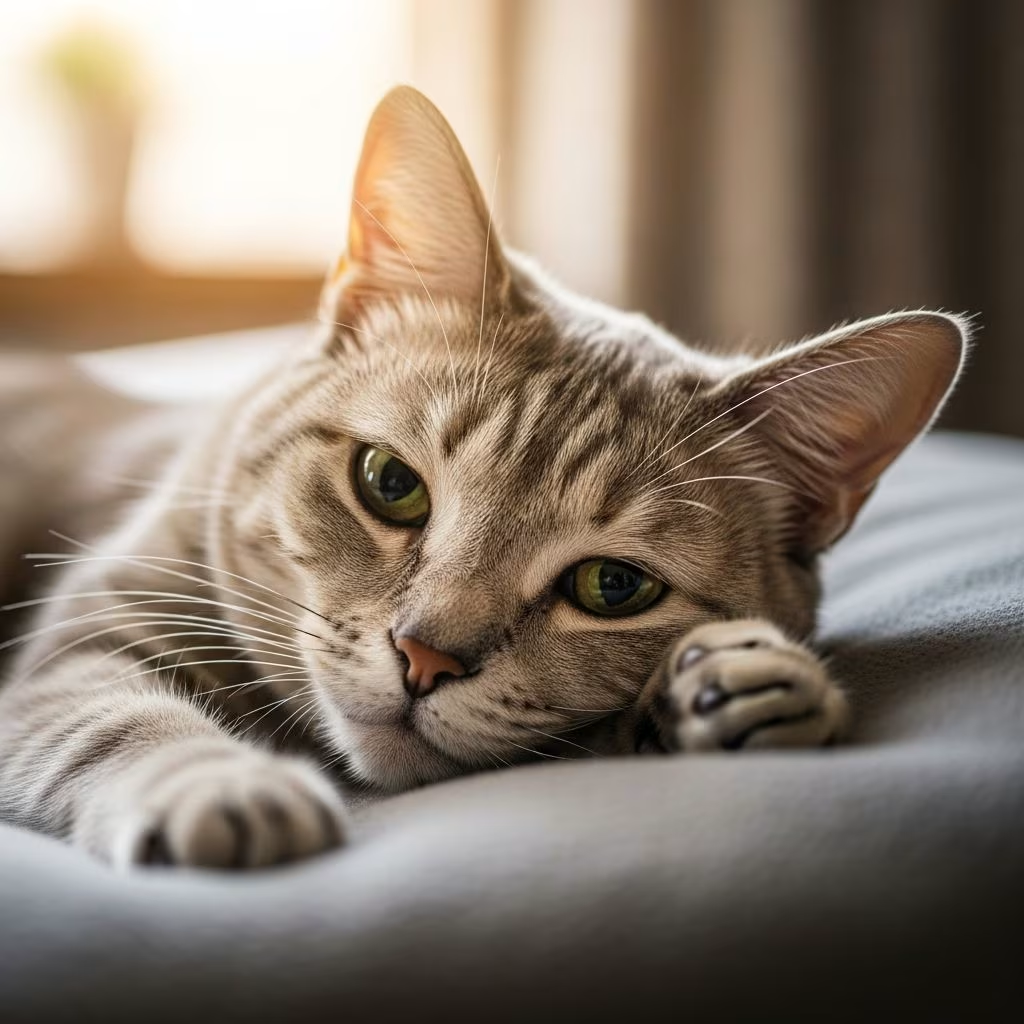
As cats enter their senior years—typically from 11 years old onwards—they become more susceptible to a range of age-related health issues. Advances in veterinary medicine, better nutrition, and indoor living have extended cat lifespans to late teens or early 20s, making proactive health management crucial. Senior cats often mask symptoms due to their instinct to hide weakness, so regular veterinary check-ups every six months are essential for early detection and intervention. Common signs like weight loss, increased thirst, lethargy, or changes in litter box habits warrant immediate attention. This guide covers the most prevalent diseases, their symptoms, causes, diagnosis, treatments, and prevention strategies to help your feline companion enjoy their golden years.
Why Senior Cats Are Prone to Disease
Aging brings physiological changes that heighten disease risk. The immune system weakens, making infections more likely; organs like kidneys, heart, and liver experience wear and tear; metabolism slows, leading to weight fluctuations; and joints degenerate, causing pain. Dehydration exacerbates issues, thinning skin and reducing circulation. Conditions like hypertension often stem from primary diseases such as kidney failure or hyperthyroidism. Genetic factors, obesity, and past injuries contribute, but many issues are manageable with timely care.
Chronic Kidney Disease (CKD)
**Chronic Kidney Disease (CKD)** is the most common illness in senior cats, affecting up to 30-50% of cats over 10 years old. It involves progressive loss of kidney function, where nephrons (filtering units) gradually fail, leading to toxin buildup.
Symptoms: Increased thirst and urination (polydipsia/polyuria), weight loss, decreased appetite, lethargy, bad breath (uremic odor), vomiting, poor coat condition. Early stages may be subtle, progressing to anemia and severe dehydration.
Causes: Aging, genetics, chronic dehydration, infections, or toxins. Unlike acute kidney injury, CKD develops slowly.
Diagnosis: Blood tests (elevated BUN, creatinine), urinalysis (dilute urine, protein loss), SDMA test for early detection, ultrasound.
Treatment: No cure, but manageable with renal diets (low protein/phosphorus), subcutaneous fluids, anti-nausea meds (e.g., maropitant), phosphate binders, potassium supplements, blood pressure control. Prognosis improves with early intervention; many cats live years comfortably.
Prevention: Encourage water intake (fountains, wet food), regular vet exams, avoid toxins.
Hyperthyroidism
Hyperthyroidism affects over 10% of cats over 10, caused by benign thyroid tumors overproducing hormones, accelerating metabolism.
Symptoms: Weight loss despite ravenous appetite, hyperactivity, pacing, excessive vocalizing, vomiting, diarrhea, rough coat, rapid heart rate, hypertension.
Causes: Mostly benign adenomas; rare carcinomas.
Diagnosis: Blood tests (elevated T4), physical exam (palpable thyroid), sometimes scans.
Treatment: Radioactive iodine (I-131) therapy is curative (90% success, one-time); alternatives include methimazole pills, dietary therapy (iodine-restricted), surgery. Monitor for side effects like kidney issues unmasked post-treatment.
Prevention: Annual bloodwork from age 7; no known preventive measures.
Diabetes Mellitus
Diabetes, often Type 2, develops in middle-aged to senior cats due to insulin resistance or deficiency, linked to obesity and inactivity.
Symptoms: Increased thirst/urination, weight loss, plantigrade stance (hind legs flat), lethargy, poor appetite or polyphagia.
Causes: Genetics, obesity, concurrent diseases like pancreatitis.
Diagnosis: Blood glucose curves, fructosamine, urinalysis for glucose.
Treatment: Insulin injections (glargine/twice-daily), low-carb diets, weight management. 20-40% achieve remission with early tight control. Monitor for hypoglycemia.
Prevention: Maintain ideal weight, exercise, avoid high-carb treats.
Arthritis and Joint Disease
Arthritis (osteoarthritis) affects most senior cats, causing cartilage breakdown and inflammation.
Symptoms: Reluctance to jump/climb, stiffness (worse after rest), reduced grooming (matted fur), litter box avoidance, personality changes. Cats hide pain well.
Causes: Wear/tear, obesity, prior injuries.
Diagnosis: Physical exam, X-rays, pain scoring.
Treatment: NSAIDs (e.g., meloxicam), joint supplements (glucosamine/chondroitin), omega-3s, environmental mods (ramps, low-sided boxes), acupuncture/laser therapy.
Prevention: Weight control, joint-friendly environments.
Dental Disease
Dental issues like gingivitis, periodontitis, and tooth resorption plague 70% of senior cats, leading to pain and systemic spread.
Symptoms: Bad breath, drooling, difficulty eating, pawing mouth, swollen gums, tooth loss. Can cause hepatic lipidosis via anorexia.
Causes: Plaque/tartar buildup, immune decline.
Diagnosis: Oral exam, dental X-rays under anesthesia.
Treatment: Professional cleanings/extractions, antibiotics, pain relief. Home: brushing with enzymatic toothpaste, dental diets/treats.
Prevention: Daily brushing, routine dentals from age 2.
Cognitive Dysfunction (Dementia)
Feline cognitive dysfunction mimics Alzheimer’s, from brain cell loss affecting memory and awareness.
Symptoms: Disorientation, altered sleep, house soiling, personality changes, reduced interaction.
Causes: Aging, oxidative damage.
Diagnosis: Rule out medical causes, behavior history.
Treatment: Antioxidants, selegiline, environmental enrichment (puzzles, routines).
Prevention: Mental stimulation, diet with antioxidants.
Heart Disease
Hypertrophic cardiomyopathy (HCM) is common, causing thickened heart walls.
Symptoms: Lethargy, coughing, rapid breathing, appetite loss, sudden paralysis (clots).
Diagnosis: Echo, ECG, blood pressure.
Treatment: ACE inhibitors (enalapril), beta-blockers, diet, anticoagulants.
Prevention: Screen breeds prone to HCM.
Gastrointestinal Disease
GI issues like IBD, cancer, or infections cause vomiting/diarrhea.
Symptoms: Chronic vomiting, diarrhea, weight loss.
Treatment: Diet trials, metronidazole, probiotics, anti-nausea.
Cancer
Lymphoma and others rise with age.Symptoms: Lumps, weight loss.Treatment: Chemo, surgery.
Preventive Care for Senior Cats
- Semi-annual vet visits with bloodwork/urinalysis.
- Weight/appetite monitoring.
- Home adaptations: low-entry boxes, ramps.
- Nutritional support: senior diets.
- Vaccinations, parasite control.
Frequently Asked Questions (FAQs)
Q: How often should senior cats see the vet?
A: Every 6 months for exams and bloodwork to catch issues early.
Q: Can senior cat diseases be cured?
A: Some like hyperthyroidism (with I-131), others managed lifelong like CKD.
Q: What are early signs of illness in senior cats?
A: Weight loss, thirst changes, litter box issues, lethargy.
Q: How to manage arthritis at home?
A: Joint supplements, warm beds, ramps, weight control.
Q: Is dental disease serious?
A: Yes, it causes pain and spreads infection.
References
- 10 Most Common Illnesses in Senior Cats — PetMD. 2023-10-15. https://www.petmd.com/cat/general-health/most-common-illnesses-in-senior-cats
- Senior Cat Care: Common Diseases & Their Symptoms — Animal Clinic of CB. 2024-05-20. https://animalclinicofcb.com/senior-cat-care-common-diseases-their-symptoms/
- Common Senior Cat Health Problems — Purina. 2024-02-10. https://www.purina.com/articles/cat/senior-cat/health/problems
- The Special Needs of the Senior Cat — Cornell University College of Veterinary Medicine. 2023-11-01. https://www.vet.cornell.edu/departments-centers-and-institutes/cornell-feline-health-center/health-information/feline-health-topics/special-needs-senior-cat
- Aging Cat Health: Diseases, Symptoms & Support — Fort Mill Vet. 2024-01-12. https://fortmillvet.com/aging-cat-health-common-diseases-how-to-support-your-senior-feline/



