

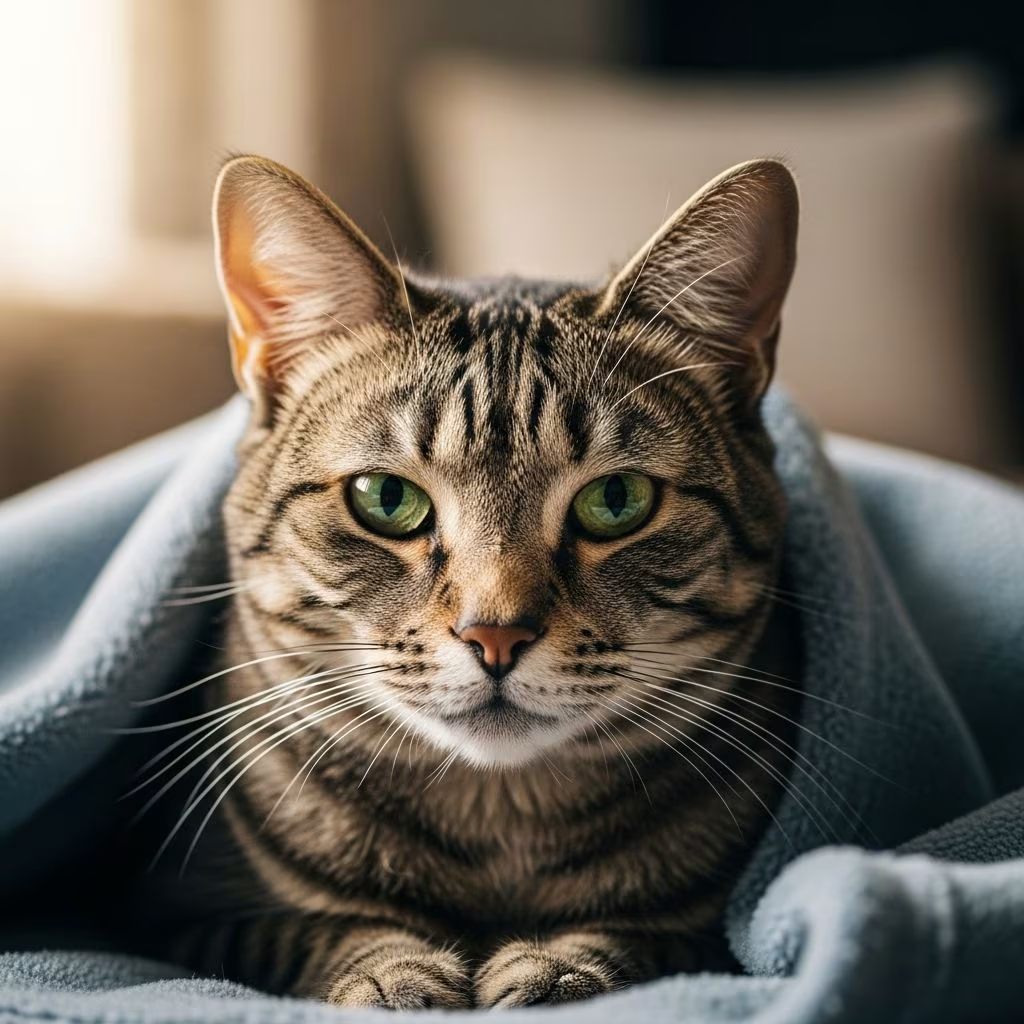
As cats enter their senior years—typically around age 11 and older—they become more susceptible to a range of age-related health conditions. Advances in veterinary medicine, nutrition, and indoor living have extended feline lifespans into the late teens or early 20s, making proactive care essential. Senior cats often mask symptoms of illness due to their instinctual behavior, so regular veterinary check-ups every six months are crucial for early detection and management. Common signs to watch for include unexplained weight loss, changes in appetite, increased thirst or urination, lethargy, and alterations in grooming or mobility. This comprehensive guide covers the most prevalent diseases in senior cats, their symptoms, diagnostic approaches, and treatment strategies to help you support your aging feline.
Chronic Kidney Disease (CKD)
**Chronic Kidney Disease (CKD)** is one of the most common illnesses in senior cats, affecting up to 30-50% of cats over 10 years old. It involves a progressive decline in kidney function, where the kidneys can no longer effectively filter waste from the blood, leading to toxin buildup. While not curable, CKD is highly manageable with early intervention, potentially extending life by years.
Symptoms
- Increased thirst (polydipsia) and urination (polyuria)
- Weight loss and decreased appetite
- Lethargy, vomiting, and bad breath (halitosis from uremia)
- Poor coat condition and dehydration
Diagnosis
Veterinarians diagnose CKD through blood tests measuring creatinine, blood urea nitrogen (BUN), and symmetric dimethylarginine (SDMA), urinalysis for protein loss and concentration, and imaging like ultrasound to assess kidney structure.
Treatment and Management
- Renal diets: Low-phosphorus, moderate-protein prescription foods to reduce kidney strain.
- Fluid therapy: Subcutaneous fluids at home or in-clinic to combat dehydration.
- Medications: Phosphate binders, potassium supplements, anti-nausea drugs, and blood pressure medications like ACE inhibitors.
- Monitoring: Regular bloodwork to track progression.
Early detection via routine senior wellness exams can slow CKD progression significantly.
Hyperthyroidism
Hyperthyroidism results from overproduction of thyroid hormones due to benign tumors in the thyroid gland, impacting 10% of cats over 10 years. It accelerates metabolism, causing systemic effects if untreated.
Symptoms
- Weight loss despite ravenous appetite
- Hyperactivity, pacing, or restlessness
- Vomiting, diarrhea, and increased vocalization
- Rapid heart rate, high blood pressure, and poor coat quality
Diagnosis
Blood tests confirm elevated thyroxine (T4) levels; additional screening rules out co-existing conditions like CKD.
Treatment Options
| Treatment | Description | Pros | Cons |
|---|---|---|---|
| Radioactive Iodine (I-131) | Single injection destroys thyroid tumor cells | Curative in 95% of cases; one-time treatment | Requires hospitalization; not always available |
| Methimazole (oral/transdermal) | Daily medication to block hormone production | Affordable; quick effect | Lifelong; side effects like vomiting possible |
| Dietary Therapy | Prescription food limiting iodine intake | Non-invasive | Strict compliance needed; not for all cases |
| Surgery | Thyroid gland removal | Effective | Risks of anesthesia; hypothyroidism possible |
Treatment resolves symptoms rapidly, improving quality of life.
Diabetes Mellitus
Diabetes in cats, akin to type 2 in humans, occurs when the pancreas fails to produce sufficient insulin, leading to high blood sugar. It affects middle-aged to senior cats, often linked to obesity.
Symptoms
- Excessive thirst and urination
- Weight loss, plantigrade stance (walking on hocks)
- Lethargy and poor appetite
Diagnosis and Treatment
Diagnosis via blood glucose curves and urinalysis for glucose. Treatment includes twice-daily insulin injections, low-carb diets, and weight management. Up to 30% of cats achieve remission with early, aggressive care.
Arthritis and Joint Disease
Arthritis, or osteoarthritis, affects over 90% of senior cats, causing cartilage degeneration and inflammation in joints. Cats hide pain, making it challenging to detect.
Symptoms
- Reluctance to jump, climb, or run
- Reduced grooming, leading to matted fur
- Altered gait, stiffness, or litter box avoidance
- Increased sleeping and irritability
Management
- Pain relief: NSAIDs like meloxicam or gabapentin.
- Supplements: Glucosamine, chondroitin, omega-3s.
- Environmental changes: Ramps, low-sided litter boxes, soft bedding.
- Weight control: To reduce joint stress.
X-rays confirm diagnosis; multimodal therapy enhances mobility.
Heart Disease
Hypertrophic cardiomyopathy (HCM) is the most common heart condition in senior cats, thickening heart walls and impairing function. It can lead to blood clots (saddle thrombus).
Symptoms
- Lethargy, rapid breathing, or coughing
- Sudden hind limb paralysis and pain (from clots)
- Loss of appetite and weakness
Treatment
Echocardiograms diagnose HCM. Management includes ACE inhibitors (e.g., enalapril), beta-blockers, diuretics, and anticoagulants. Emergency clot treatment involves pain meds and oxygen.
Cancer
Cancer incidence rises with age, with lymphoma being common. It accounts for significant morbidity in seniors.
Symptoms and Management
- Lumps, weight loss, appetite changes
- Diagnosis via biopsy/FNA; chemotherapy or surgery offers palliation.
Gastrointestinal Disease
GI issues like IBD or cancer cause vomiting, diarrhea, and weight loss. Treatment: anti-nausea meds, probiotics, metronidazole.
Cognitive Dysfunction (Dementia)
Similar to Alzheimer’s, it affects memory and behavior: disorientation, altered sleep, house soiling. Managed with antioxidants, selegiline, and enriched environments.
Other Conditions
- Dental Disease: Bad breath, drooling; requires professional cleanings.
- Hypertension: Often secondary; treated with amlodipine.
- Liver Disease: Jaundice, vomiting; supportive care.
Preventive Senior Cat Care
Annual bloodwork, dental checks, and weight monitoring are key. Provide senior diets, hydration fountains, and low-stress environments to support immunity and organ health.
Frequently Asked Questions (FAQs)
Q: How often should senior cats see the vet?
A: Every 6 months for comprehensive exams and bloodwork to catch issues early.
Q: Can senior cats recover from kidney disease?
A: CKD is not curable but manageable; many cats live years with proper care.
Q: What diet is best for senior cats with multiple conditions?
A: Prescription diets tailored by your vet, prioritizing kidney or thyroid needs.
Q: How can I tell if my cat has arthritis?
A: Look for mobility changes; vet exams with X-rays confirm.
Q: Is hyperthyroidism fatal?
A: Untreated, yes; treated options like I-131 are curative.
References
- 10 Most Common Illnesses in Senior Cats — PetMD. 2023-10-15. https://www.petmd.com/cat/general-health/most-common-illnesses-in-senior-cats
- Chronic Kidney Disease in Cats — Cornell University College of Veterinary Medicine. 2024-05-20. https://www.vet.cornell.edu/departments-centers-and-institutes/cornell-feline-health-center/health-information/feline-health-topics/chronic-kidney-disease-cats
- Feline Hyperthyroidism Guidelines — American Animal Hospital Association (AAHA). 2023-11-01. https://www.aaha.org/resources/2023-aaha-selected-endocrine-guidelines/feline-hyperthyroidism/
- The Special Needs of the Senior Cat — Cornell Feline Health Center. 2024-02-12. https://www.vet.cornell.edu/departments-centers-and-institutes/cornell-feline-health-center/health-information/feline-health-topics/special-needs-senior-cat
- Arthritis and Degenerative Joint Disease in Cats — International Cat Care (iCatCare). 2023-08-07. https://icatcare.org/articles/arthritis-and-degenerative-joint-disease-in-cats
- Senior Cat Care: Common Diseases & Their Symptoms — Animal Clinic of Countryside. 2024-01-10. https://animalclinicofcb.com/senior-cat-care-common-diseases-their-symptoms/



