

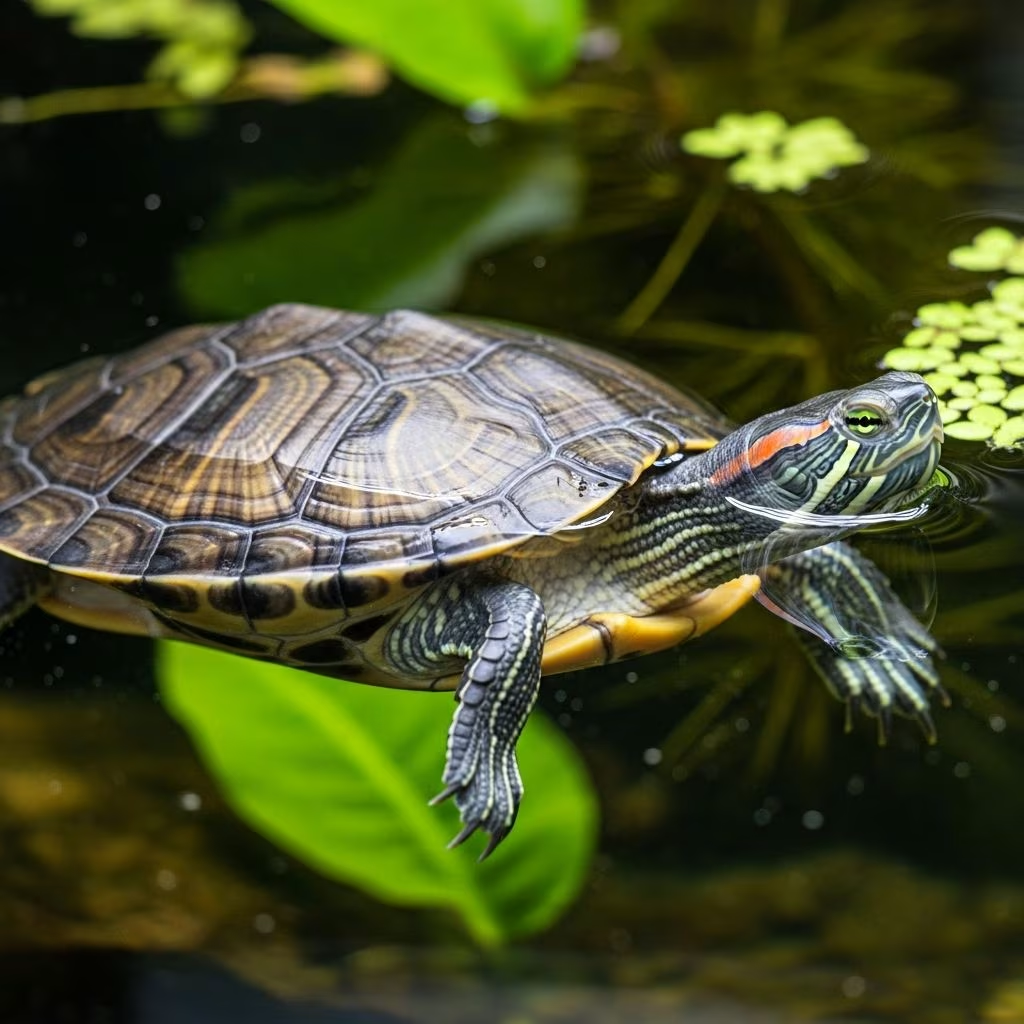
Understanding Common Diseases in Pet Aquatic Turtles
Aquatic turtles are popular pet reptiles, but they require specialized care to maintain optimal health. Like all animals, they are susceptible to various diseases and health conditions that can significantly impact their quality of life. Understanding the most common diseases affecting aquatic turtles is essential for pet owners who want to provide the best possible care for their shelled companions. Early recognition of symptoms and prompt veterinary intervention can mean the difference between recovery and serious complications or even death. This comprehensive guide covers the major health conditions that affect pet aquatic turtles, their causes, symptoms, and treatment options.
Metabolic Bone Disease in Aquatic Turtles
Metabolic bone disease (MBD) is one of the most serious health issues affecting captive aquatic turtles. This condition develops when turtles do not receive adequate calcium, phosphorus, and vitamin D3, or when the balance between these essential nutrients is incorrect. The disease affects the turtle’s skeletal system, causing bones to become weak and brittle. Turtles with metabolic bone disease often display visible signs including soft shells, deformities in the shell or limbs, and difficulty moving. Prevention is far more effective than treatment, and it centers on providing proper nutrition and appropriate lighting. Turtles require access to UVB lighting to synthesize vitamin D3, which is crucial for calcium absorption. A balanced diet that includes calcium-rich foods and appropriate commercial turtle pellets specifically formulated to meet nutritional requirements is essential for preventing this debilitating condition.
Vitamin A Deficiency and Its Complications
Vitamin A deficiency is another extremely common health problem in captive aquatic turtles, typically resulting from inadequate dietary intake. This nutritional deficiency affects multiple body systems, particularly the skin, mucous membranes, and immune system. Turtles suffering from vitamin A deficiency become increasingly vulnerable to secondary infections, which can develop rapidly and become life-threatening. The condition weakens the turtle’s ability to fight off bacterial, viral, and fungal infections, making it an underlying factor in many other diseases. Symptoms of vitamin A deficiency include swollen eyelids that may contain pus-like discharge, ocular inflammation, and in severe cases, blindness. Treatment involves either oral or injectable vitamin A administration under strict veterinary supervision, as overdosing vitamin A can cause toxicity. Prevention requires providing a varied diet that includes dark leafy greens, aquatic plants, and high-quality commercial turtle pellets formulated with appropriate vitamin A levels.
Respiratory Tract Infections in Aquatic Turtles
Respiratory tract infections represent one of the most common illnesses observed in pet aquatic turtles. These infections are typically caused by bacteria and frequently develop secondary to vitamin A deficiency. Poor water quality, inadequate tank filtration, and improper temperature management are significant contributing factors. Turtles possess a unique respiratory anatomy that lacks a diaphragm, preventing them from effectively clearing mucus from their airways. This anatomical limitation makes respiratory infections particularly problematic in turtles compared to other animals. Affected turtles may exhibit excess mucus in their mouths, appearing as bubbles around the mouth, nose, and eyes. Additional symptoms include nasal discharge, lethargy, loss of appetite, audible wheezing, and extension of the neck to facilitate breathing. Some turtles may engage in open-mouth breathing or gasping as their condition worsens. Treatment typically involves administering antibiotics, which can be delivered orally, through injection, or as nasal drops. Injectable antibiotics are preferred when possible, as administering oral medication to turtles is extremely challenging. Veterinarians may recommend X-rays and blood tests to determine the underlying cause of the infection. Very sick turtles may require hospitalization with intensive care including injectable fluid therapy and force-feeding to support recovery.
Pneumonia: A Serious Progression
Pneumonia represents a serious progression of untreated respiratory disease in aquatic turtles. When a lingering cold or respiratory infection is not addressed, it can develop into pneumonia, which is responsible for approximately 30 percent of turtle deaths. Turtles with pneumonia display the symptoms of a cold but become increasingly listless with diminished appetite. Swimming behavior becomes abnormal, with affected turtles swimming crookedly or experiencing difficulty maintaining proper buoyancy in the water. Some turtles may have difficulty staying above water or conversely, difficulty diving. Treatment of pneumonia requires veterinary intervention with antibiotics specifically selected for bacterial respiratory infections. During treatment, maintaining elevated water temperatures between 28°C to 30°C helps stimulate the immune system and facilitates mucus clearance. Providing appropriate nutrition during this critical period is essential for supporting the turtle’s recovery. The prognosis depends heavily on early recognition and prompt treatment, as pneumonia can rapidly become life-threatening if left untreated.
Abscesses in Aquatic Turtles
Abscesses are localized collections of pus that can form in various locations on or within a turtle’s body. Ear abscesses are particularly common and can be extremely debilitating. These pus-filled sacs develop due to bacterial contamination and are often associated with underlying vitamin A deficiency. Symptoms of abscesses include decreased appetite, lethargy, and visible swelling in the affected area. When abscesses form in the ears, turtles display swelling of the ear area and may have discharge from the ear canal. Surgical treatment is required to effectively address abscesses. The veterinarian will surgically open the abscess, carefully drain all purulent material, and flush the affected tissue with medicated cleansing solutions. A culture of the abscess material is typically recommended to identify the specific type of bacteria responsible for the infection. Following surgical drainage, topical medication and either oral or injectable antibiotics are usually prescribed to eliminate the infection completely. Successful treatment of ear abscesses results in complete healing in most cases; however, recurrence is possible if underlying vitamin deficiencies are not corrected or if contaminated water conditions persist.
Shell Infections and Shell Rot
Shell infections, commonly referred to as shell rot or ulcerative shell disease, are among the most challenging conditions to treat in aquatic turtles. Multiple organisms can cause shell infections, including bacteria, fungi, and viruses. Poor water quality is the primary contributing factor, creating an environment where harmful pathogens can proliferate. Rough substrates in the tank can cause minor wounds on the shell that provide entry points for infection. Additionally, unbalanced diets lacking essential nutrients weaken the shell’s ability to resist infection. Symptoms of shell infection include discoloration of affected shell areas, which typically darken, and the development of a strong, unpleasant odor emanating from the shell. The affected areas may become soft or develop abnormal peeling patterns. Treatment of shell infections involves identifying the causative organism through microscopic analysis and culture. The affected areas require thorough cleaning, and appropriate medications are administered based on the identified pathogen. Advanced cases of shell rot can lead to serious complications or death, and recovery typically leaves visible scars on the shell. Following successful treatment, the turtle’s shell may permanently bear evidence of the infection.
Septicemic Cutaneous Ulcerative Disease (SCUD)
Septicemic cutaneous ulcerative disease (SCUD) is a bacterial infection that specifically affects aquatic turtles and causes significant damage to the shell. The disease causes pitting of the scutes on the shell surface, and affected scutes may slough off completely. Infected areas often develop pus-filled discharge beneath the shell. Affected turtles typically exhibit loss of appetite, lack of energy, and may display small red spots on the shell resulting from bleeding. Liver damage is a common complication of SCUD, making this a particularly serious condition. Treatment involves administering appropriate antibiotics selected based on bacterial culture results. Maintaining excellent tank sanitation and water quality is critical for both treatment success and prevention of future infection. Regular water changes, proper filtration, and maintaining appropriate tank cleanliness are essential preventive measures.
Treatment Approaches for Aquatic Turtle Diseases
Treatment of aquatic turtle diseases often requires a multifaceted approach addressing both the immediate infection and underlying environmental or nutritional factors. Vitamin A deficiency treatment involves either oral or injectable vitamin A supplementation under strict veterinary guidance, as improper dosing can lead to vitamin A toxicity. Respiratory infections are managed with antibiotics, often administered through injection for optimal effectiveness, combined with maintaining elevated temperatures and nutritional support. Shell infections require identification of the causative organism followed by appropriate antimicrobial therapy tailored to the specific pathogen. Abscesses necessitate surgical intervention combined with antimicrobial therapy. Environmental management is critical during treatment of all diseases, with proper temperature maintenance, water quality, and appropriate nutrition being essential components of the healing process. Very sick turtles may require hospitalization with intensive care including fluid therapy and force-feeding to support recovery.
Prevention Strategies for Aquatic Turtle Health
Prevention of aquatic turtle diseases begins with providing optimal environmental conditions and nutrition. Maintaining clean water with proper filtration removes waste and prevents bacterial growth that leads to infections. Regular water changes and tank maintenance are fundamental to disease prevention. Providing appropriate UVB lighting allows turtles to synthesize vitamin D3 essential for calcium metabolism and shell health. Temperature management, with proper basking areas maintained at species-specific temperatures, supports immune function and overall health. A varied, balanced diet that includes dark leafy greens, aquatic plants, and commercial turtle pellets formulated with appropriate vitamins and minerals prevents nutritional deficiencies. Avoiding overcrowding and maintaining proper tank size for the species reduces stress and disease transmission. Quarantining new turtles before introducing them to an established collection prevents introduction of viral diseases such as herpesvirus. Minimizing mixing of different turtle species reduces disease transmission risk, particularly for viral infections.
Working with Veterinary Professionals
Successful management of aquatic turtle health requires establishing a relationship with a veterinarian experienced in reptile medicine. Early diagnosis and treatment significantly increase recovery chances and can be more cost-effective long-term than allowing conditions to progress. Veterinarians can perform diagnostic procedures including X-rays, blood tests, and cultures to identify specific pathogens. They can prescribe appropriate medications, advise on environmental modifications, and provide guidance on nutritional adjustments. If you notice any signs of illness in your turtle including loss of appetite, lethargy, buoyancy problems, swollen eyes, or runny nose, seek immediate advice from a specialist reptile veterinarian.
Zoonotic Concerns: Salmonella and Human Health
Beyond the health concerns affecting the turtles themselves, aquatic turtle ownership carries potential health implications for human household members. Many species of aquatic turtles carry the bacterium Salmonella asymptomatically, meaning the bacteria exist in their systems without causing visible illness in the turtle. However, Salmonella can cause severe gastrointestinal disease in susceptible people and animals, with symptoms including nausea, vomiting, diarrhea, abdominal pain, cramping, and fever. Young children, elderly people, and immunocompromised individuals are at highest risk of developing severe disease from Salmonella. Proper hygiene, including handwashing after handling turtles or their habitats, is essential for preventing transmission to human family members.
Frequently Asked Questions About Aquatic Turtle Diseases
Q: What are the most common diseases affecting pet aquatic turtles?
A: The most common diseases include metabolic bone disease, vitamin A deficiency, respiratory infections, pneumonia, abscesses, shell infections, and septicemic cutaneous ulcerative disease. These conditions often result from improper nutrition, inadequate lighting, poor water quality, or suboptimal environmental conditions.
Q: How can I prevent disease in my aquatic turtle?
A: Prevention involves maintaining clean water with proper filtration, providing appropriate UVB lighting for vitamin D3 synthesis, offering a balanced varied diet, maintaining proper temperatures, and avoiding overcrowding. Regular veterinary checkups also help identify health issues before they become serious.
Q: What should I do if my turtle shows signs of respiratory infection?
A: Contact a reptile veterinarian immediately. Respiratory infections can progress to pneumonia if untreated. The veterinarian may perform X-rays and cultures to identify the specific pathogen and prescribe appropriate antibiotics, often administered by injection for better effectiveness.
Q: Can vitamin A deficiency be reversed?
A: Yes, vitamin A deficiency can be treated with oral or injectable vitamin A supplementation under veterinary supervision. However, treatment must be carefully managed as overdose of vitamin A can cause toxicity. Correcting the diet to prevent recurrence is essential.
Q: How is shell rot treated?
A: Shell rot treatment involves identifying the causative organism through microscopic analysis and culture, thoroughly cleaning the affected areas, and administering appropriate medications based on the identified pathogen. The turtle’s shell typically bears scars following treatment.
Q: Is it safe to handle my aquatic turtle?
A: While aquatic turtles can be handled, they require careful management to prevent stress and injury. More importantly, practice good hygiene after handling as many aquatic turtles carry Salmonella. Wash hands thoroughly after any contact with the turtle or its habitat.
Q: What temperature should I maintain for a healthy aquatic turtle?
A: Most aquatic turtles require water temperatures between 24°C to 27°C for general maintenance, with some species preferring warmer water. During treatment of respiratory infections, temperatures should be elevated to 28°C to 30°C to support immune function and mucus clearance.
References
- Common Diseases of Aquatic Turtles — VCA Animal Hospitals. 2024. https://vcahospitals.com/know-your-pet/turtles-aquatic-diseases
- Diseases – Aquatic turtles — Aquatic Turtle. 2024. https://www.aquatic-turtle.com/care/diseases/
- Clinical Signs of Aquatic Chelonia — Exotics Keeper Magazine. 2024. https://exoticskeeper.com/blog/clinical-signs-of-aquatic-chelonianbsp/
- Common Diseases Of Aquatic Turtles — Reptiles Magazine. 2024. https://reptilesmagazine.com/common-diseases-of-aquatic-turtles/
- Disorders and Diseases of Reptiles — Merck Veterinary Manual. 2024. https://www.merckvetmanual.com/all-other-pets/reptiles/disorders-and-diseases-of-reptiles
- Common Problems in Aquatic Turtles — VCA Animal Hospitals. 2024. https://vcahospitals.com/know-your-pet/turtles-aquatic-problems



