

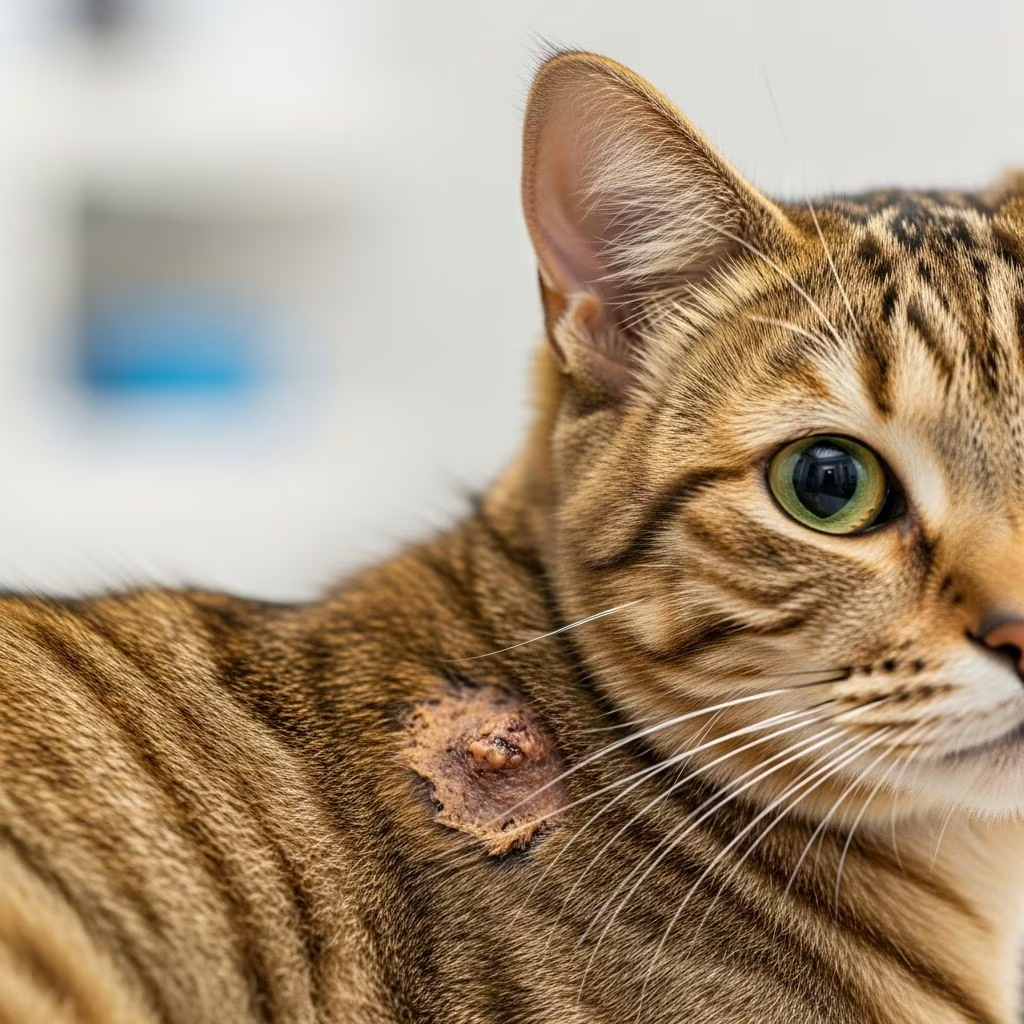
Common Causes of Scabs on a Cat: A Complete Guide
If you’ve noticed your feline friend developing scabs, you’re not alone. Scabs on cats can be concerning for pet owners, but understanding the underlying causes is the first step toward helping your cat heal. Scabs form when a cat’s skin experiences trauma or irritation, causing the protective outer layer to rupture and create a crust as the body heals. Whether your cat is an indoor pet or spends time outdoors, various factors can lead to scab formation. This comprehensive guide explores the most common causes of cat scabs and provides evidence-based treatment solutions.
What Are Cat Scabs?
Scabs on cats, medically referred to as excoriations, appear after some form of trauma occurs to the skin. When a wound bleeds and blood clots, a scab forms as a protective barrier while the skin heals underneath. Another related condition is called a crust, which occurs after any condition that ruptures the protective outer layer of skin. Understanding the difference between these types of lesions can help you better communicate with your veterinarian about your cat’s condition.
The Most Common Cause: Parasites
Fleas, mites, and lice are by far the most common cause of scabs on cats. These blood-sucking parasites cause intense itching, leading cats to scratch and bite at their skin, creating scabs and wounds. Remarkably, even a single flea bite can trigger a severe reaction in some cats, particularly those with flea allergies.
When checking for parasites, keep in mind that your cat may have excellent grooming habits, meaning you won’t actually see the bugs even though they’re present. If your cat has scabs, immediately consult your veterinarian for flea, lice, or mite treatment recommendations. Your vet can prescribe topical treatments available over the counter or through their office, or determine whether injectable or oral medications are necessary.
Miliary Dermatitis: The Scabby Cat Disease
For indoor cats, the most likely cause of scabs is a condition called miliary dermatitis, which is generally caused by an allergic reaction and forms an extremely itchy rash. The name “miliary” comes from the millet-seed appearance of the lesions. This condition tends to be easier to feel under the fur than to see visually.
Miliary dermatitis can develop from multiple triggers:
- Flea bites (the most common cause)
- Pollen allergies
- Food allergies
- Ear mites and skin mites
- Chiggers and deep hair follicle mites
- Ringworm infections
- Bacterial infections
- Lice and ticks
- Nutritional deficiencies
The treatment approach depends on identifying the specific cause. If flea allergy dermatitis is suspected, a flea preventive is essential. For parasite infections, topical treatments may be used. In cases where food allergy is suspected, a hypoallergenic food trial is recommended. Additional treatments may include antihistamines, essential fatty acids, topical medications, and cyclosporine.
Allergies: A Major Contributing Factor
Allergies are a leading cause of scabs on cats. Like humans, cats can develop allergies to food, insect bites, medications, dust, or pollen. When allergic reactions occur, cats often lick their fur excessively until bald spots appear, and the constant scratching can lead to scab formation. The good news is that allergies are relatively simple to treat, though your cat may require ongoing medication.
Food and Environmental Allergies
If cat scabs don’t disappear after treating for fleas and mites, your cat may have developed a food or environmental allergy. If you’ve recently changed their diet or added something new to your home, try removing the new items or food to see if symptoms improve.
Environmental irritants like dust, pollen, or new household cleaners can make a cat’s skin itchy. Sometimes something as simple as switching to a new laundry detergent or changing their bedding can trigger scratching and scabbing. Environmental sensitivities can cause itchy flare-ups that show up as scabs even when fleas aren’t involved.
Ringworm Infections
Ringworm is a fungal infection, not an actual worm, that commonly affects cats. A scaly ring of missing hair is a telltale sign of ringworm. This condition is contagious and requires prompt veterinary attention. Your vet can confirm the diagnosis and prescribe antifungal creams or ointments, medicated baths, or oral medications.
Dry Skin as a Contributing Factor
When air becomes dry, especially during winter months, your cat’s skin can become just as itchy and flaky as human skin. A little scratching can quickly lead to scabs forming on affected areas. Maintaining proper humidity levels in your home and providing regular grooming can help prevent scab formation from dry skin.
Other Parasites Beyond Fleas
Even if fleas are ruled out, other parasites such as mites and lice could still be responsible for your cat’s scabs. These tiny pests are hard to see with the naked eye but can cause intense itching, which frequently leads to scab formation. Your veterinarian can perform skin scrapings or other diagnostic tests to identify these parasites.
Stress and Over-Grooming
Cats experience stress too, and they often cope by over-grooming or excessive scratching. Major changes like introducing a new pet, loud noises, or even boredom can trigger this behavior and lead to raw, scabby patches. Creating a calm, enriched environment for your cat can help reduce stress-related skin issues.
Minor Injuries and Trauma
Scrapes, bites from other cats, or rough play can cause small wounds that scab over. While these typically heal on their own, it’s important to monitor them for signs of infection.
Treatment Approaches for Cat Scabs
Treating cat scabs involves two simultaneous aspects. First, identify the cause of the scabs and remove the problem from the environment. Second, keep your cat from injuring itself or making the scabs worse until they heal. Working on both aspects together provides the best results.
Check for Fleas and Mites
Always start by checking your cat for any type of parasite. Even if you don’t spot bugs, your cat’s excellent grooming habits may simply be hiding their presence. Your veterinarian can recommend appropriate flea, lice, or mite treatments.
Try Elimination Diets
If scabs persist after parasite treatment, try an elimination diet to identify potential food allergies. This involves removing new foods or items from your cat’s environment to see if symptoms improve.
Home Care and Natural Remedies
Several gentle home remedies can complement veterinary treatment:
- Warm sea salt solution: Mix a teaspoon of sea salt in warm water and dab it on affected areas with a cotton ball to keep scabs clean
- Oatmeal baths: These can calm irritated skin and promote healing
- Aloe vera: This plant can soothe irritated skin
- Coconut oil: Can help calm irritation and support skin health
Always consult with your veterinarian before trying home remedies to ensure they won’t interfere with prescribed treatments.
Diet and Grooming for Prevention
A nutritious, well-balanced diet is key to maintaining healthy skin and fur. Regular brushing not only keeps your cat’s coat tidy but also gives you an opportunity to check for any skin changes early. If your cat has scabs on their chin, consider switching from plastic bowls to ceramic or stainless steel, as plastic can trap bacteria. Regular grooming and a clean, balanced diet go a long way in preventing skin issues while your cat enjoys the extra attention.
When to Call Your Veterinarian
While some scabs may resolve with home care, professional veterinary evaluation is crucial if:
- Scabs don’t improve after a week of home treatment
- Scabs are spreading or becoming more numerous
- Your cat shows signs of infection (warmth, discharge, odor)
- Your cat appears to be in pain or distress
- You notice hair loss accompanying the scabs
Understanding Medication Options
Cats with scabs due to allergies respond well to various treatment options. These may include intermittent corticosteroid therapy, hypoallergenic diets, antihistamines, and cyclosporine. Your veterinarian will determine the most appropriate treatment based on the underlying cause of your cat’s scabs.
Frequently Asked Questions
Q: Can indoor cats get scabs without exposure to parasites?
A: Absolutely. Even without fleas or mites, indoor cats can develop scabs from dust, scented cleaners, food allergies, dry air, and stress-induced overgrooming. Indoor life comes with its own set of skin triggers that can cause scabbing.
Q: How long does it take for cat scabs to heal?
A: Healing time varies depending on the underlying cause and severity. Simple scabs from minor injuries may heal in one to two weeks, while scabs caused by allergies or parasites may persist longer if the underlying issue isn’t addressed.
Q: Are cat scabs contagious to humans?
A: Most causes of cat scabs are not transmissible to humans. However, ringworm is a fungal infection that can spread to people, so practice good hygiene when handling a cat with ringworm scabs.
Q: Should I remove scabs from my cat?
A: No. You should leave scabs and crusts alone as they protect healing skin underneath. Removing scabs can increase infection risk and delay healing. Simply monitor them and consult your veterinarian if concerned.
Q: What’s the difference between scabs and crusts on cats?
A: Scabs form over injuries after blood clots, while crusts occur after conditions that rupture the protective outer layer of skin. Both should be left alone to heal properly.
Q: Can stress cause scabs on cats?
A: Yes. Stress can trigger over-grooming and excessive scratching, which leads to raw patches and scab formation. Providing a calm, enriched environment helps prevent stress-related skin issues.
References
- Remedies for Cat Scabs — WebMD. https://www.webmd.com/pets/cats/remedies-cat-scabs
- Cat Has Scabs But No Fleas: Causes, Treatment & Home Remedies — Bailey’s CBD. https://baileyscbd.com/blogs/cat-health/cat-has-scabs-but-no-fleas-causes-treatment-home-remedies
- Scabby Cat Disease: How to Treat Feline Miliary Dermatitis — Cumberland Animal Hospital. 2024-04-30. https://www.cumberlandanimalhospitalonline.com/site/blog/2024/04/30/scabby-cat-disease
- Miliary Dermatitis in Cats — VCA Animal Hospitals. https://vcahospitals.com/know-your-pet/feline-miliary-dermatitis
- Miliary Dermatitis — Scabby Cat Disease — Tucson Vets. 2023-12-15. https://www.vscot.com/site/blog/2023/12/15/scabby-cat
- Common Cat Skin Problems and What to Do About Them — Silverado Vet Hospital. https://www.silveradovethospital.com/blogs/common-cat-skin-problems-and-what-to-do-about-them



