

Understanding Dog Choking: A Life-Threatening Emergency
While choking in dogs is relatively rare, it remains a serious and potentially life-threatening emergency that requires immediate attention. Unlike humans, dogs cannot communicate their distress verbally, making it essential for pet owners to recognize the warning signs and know how to respond quickly. Understanding what causes choking, how to identify it, and what steps to take can mean the difference between life and death for your beloved companion. This comprehensive guide covers everything you need to know about dog choking, from prevention strategies to emergency response techniques.
Recognizing the Signs of a Choking Dog
The first step in managing a choking emergency is recognizing the warning signs. Dogs experiencing choking may display several distinct symptoms that warrant immediate action. Watch for gagging or repeated coughing sounds, as these are often the first indicators that something is obstructing their airway. Difficulty breathing, including shallow or labored breathing, is another critical sign. Pay close attention to your dog’s gums and tongue color—if they appear blue or pale rather than their normal pink shade, this indicates a severe oxygen deficiency requiring emergency intervention. Some dogs may also drool excessively, paw at their mouth, or display visible panic and distress. The severity of symptoms depends on whether the object is partially or completely blocking the airway. A partial obstruction may allow some breathing and coughing, while a complete blockage is a medical emergency that can lead to loss of consciousness within minutes.
Common Causes of Dog Choking
Understanding what typically causes choking can help you identify and remove potential hazards from your home. Several common culprits are responsible for most choking incidents in dogs.
Toys and Small Objects
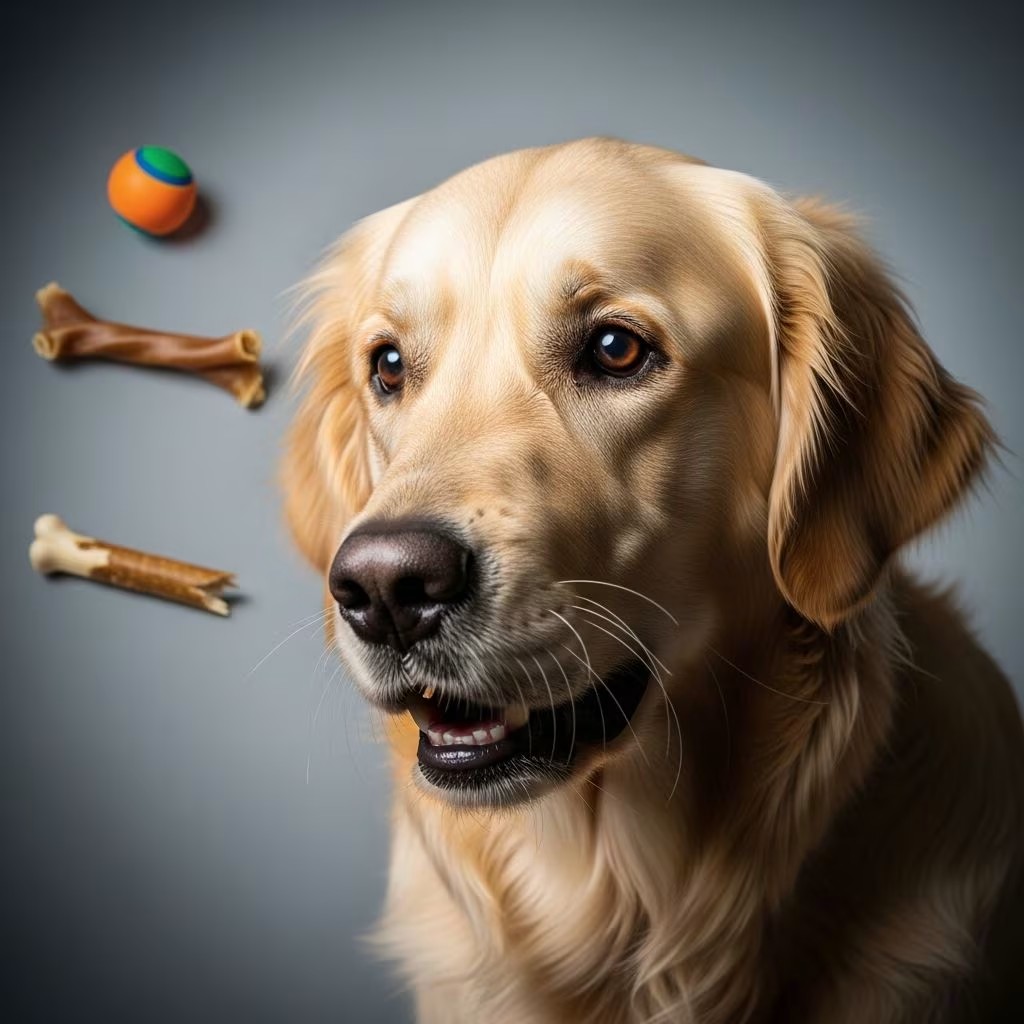
Toys that are too small or break easily into small pieces pose a significant choking risk. Small rubber balls, tiny toy parts, and toys designed for other pets can easily be swallowed whole or in pieces. Additionally, household items like socks, hair ties, strings, rubber bands, small children’s toys, and other small objects left lying around can become choking hazards when curious dogs investigate them.
Food and Treats
Large kibble sizes, oversized treats, and improperly sized food can cause choking, particularly in small dogs or those with fast eating habits. Some dogs have a tendency to gulp their food without properly chewing, significantly increasing their choking risk. Hard treats, rawhide chews, bones, and bully sticks can break, splinter, or wear down into smaller pieces that pose choking hazards.
Breed-Specific Risks
Flat-faced or brachycephalic dog breeds, including Bulldogs, Pugs, French Bulldogs, and similar breeds, face elevated risks due to their anatomy. These breeds already have compromised airways, and any additional obstruction or swelling can quickly become life-threatening. Dogs with these breed characteristics should be monitored particularly closely for choking risks.
Bones and Chews
While many dog owners give their pets bones and chew toys, these items can be dangerous. Bones can splinter into sharp pieces, hard chews can break off chunks, and rawhide can deteriorate into swallowable pieces. The risk varies based on how aggressively your dog chews and their individual ability to handle these items.
Immediate Response: What To Do If Your Dog Is Choking
If you suspect your dog is choking, time is critical. The following steps outline what to do in this emergency situation.
Step 1: Check Their Mouth Carefully
Your first action should be to gently open your dog’s mouth and look for any visible objects. If you can clearly see an obstruction and it isn’t lodged tightly, you may attempt to remove it carefully using your fingers. However, avoid performing a blind finger sweep—poking around in your dog’s mouth when you cannot see the object can cause injury or accidentally push the item deeper into the throat. Be cautious as frightened or distressed dogs may bite, even their beloved owners.
Step 2: Perform the Heimlich Maneuver for Dogs
If your dog is conscious but still choking and you cannot remove the object by hand, performing the dog-specific Heimlich maneuver can help dislodge the obstruction. This technique should only be performed if your dog is still conscious, as it requires their participation and can be harmful if done incorrectly on an unconscious animal.
How to Perform the Heimlich Maneuver for Dogs:
- For small dogs, hold them with their back against your chest and stand behind them, or place them in a standing position
- Make a fist with one hand and cup your other hand around your fist
- Perform five rapid, forceful thrusts into the belly, positioning your fist just under the ribs
- Thrust your fist inward and upward toward the ribs with each movement
- Check the mouth after the thrusts to see if the object has been dislodged
- Repeat the process if necessary, but do not delay seeking veterinary help
Step 3: Look for Remaining Objects
After successfully dislodging an object or removing it from your dog’s mouth, gently open their mouth and check for any remaining pieces. Look under the tongue, along the roof of the mouth, and as far back into the throat as you can safely see. Be aware that frightened dogs may act aggressively and bite, so proceed carefully.
Step 4: Seek Emergency Veterinary Care
Even if you successfully remove the choking object, it is crucial to get your dog to an emergency veterinarian immediately. Choking incidents can cause swelling, aspiration (where material enters the lungs), and internal trauma that may not be immediately visible. A veterinarian can examine your dog thoroughly, take X-rays if needed, and provide treatment for any injuries sustained during the choking incident.
Preventing Dog Choking: Proactive Measures
Prevention is always preferable to emergency response. By taking proactive steps to minimize choking hazards, you can significantly reduce the risk of this life-threatening situation.
Choose Toys Wisely
Always select toys that match your dog’s size and chewing style. Small toys can be choking hazards for larger dogs, while aggressive chewers need tough, durable options designed to withstand powerful jaws. Toys marketed as “indestructible” typically pose fewer risks than toys that break apart easily. In households with multiple dogs of different sizes, ensure each dog has appropriately sized toys and always supervise playtime to prevent dogs from playing with each other’s toys.
Consider Food Size
Dog kibble is specifically labeled by size for good reason. Large dry kibble or oversized treats can pose problems for small dogs or dogs who eat too quickly. Always choose a kibble size that is appropriate for your dog’s breed and chewing ability. If your dog tends to gulp food, consider using a smaller kibble size or transitioning to wet food.
Supervise With Bones and Chews
Hard bones, rawhides, and bully sticks can break, splinter, or wear down into smaller choking hazards. While some dogs handle these chews without issue, they can be risky for others. If you choose to give your dog these items, always supervise closely and remove the chew if it begins to break apart. Consider safer alternatives such as rubber chew toys that hold treats, yak cheese chews, or specially designed puzzle toys.
Slow Down Fast Eaters
Dogs who gulp down their food are at significantly higher risk of choking. To slow their eating pace, use a slow feeder bowl with ridges or compartments that force your dog to work around obstacles. Alternatively, try food puzzle toys that require your dog to work for each piece of kibble. These solutions not only reduce choking risk but also provide mental stimulation and can help prevent other eating-related issues.
Keep Small Objects Out of Reach
Items such as socks, hair ties, string, small children’s toys, and other household objects are common choking hazards. Dog-proof your home by keeping hazardous objects off the floor or stored in closed drawers and bins. Get down to your dog’s eye level and identify every possible target they might investigate. This proactive approach eliminates many potential choking incidents before they occur.
Know Your Dog’s Breed Risks
Flat-faced breeds like Bulldogs and Pugs are more prone to airway issues and should be monitored particularly carefully. Discuss your specific breed’s unique risks with your veterinarian and ask for personalized recommendations to minimize choking hazards. Understanding breed-specific vulnerabilities allows you to implement targeted prevention strategies.
Skip Potential Choking Hazards
Even if your dog loves tiny toys or rawhide bones, it’s best to avoid any potential choking hazards altogether. If an object can fit fully in your dog’s mouth, it’s a choking hazard. Avoid cooked bones that splinter easily and hard treats that can break into sharp pieces. Use breakaway or safety collars when your dog is unsupervised, and keep all cords elevated and out of reach.
Teach Strong Training Cues
Training your dog with reliable cues like “drop it” or “leave it” can prevent them from picking up and swallowing dangerous objects. Dogs who respond consistently to these commands are less likely to consume items before you can intervene. Start training these cues early and practice regularly in various situations to ensure your dog responds reliably when it matters most.
Frequently Asked Questions About Dog Choking
Q: Can dogs choke on food or toys?
A: Yes, dogs can absolutely choke on both food and toys. Large kibble, rawhide, bones, or treats that aren’t chewed properly can block the airway. Small toys or toy pieces can also pose a serious choking risk, particularly in small-breed dogs or aggressive chewers.
Q: What should I do if my dog is choking?
A: If your dog is choking, first check their mouth for visible objects you can safely remove. If the object isn’t visible or removable, perform the dog Heimlich maneuver by making a fist and thrusting upward into their belly just under the ribs. After removing the object or attempting the maneuver, seek emergency veterinary care immediately.
Q: How can I prevent my dog from choking?
A: Prevent choking by choosing appropriately sized toys, selecting kibble suitable for your dog’s size and eating speed, supervising chew time, using slow feeder bowls for fast eaters, keeping small objects out of reach, and training reliable “drop it” and “leave it” commands.
Q: Are certain dog breeds more prone to choking?
A: Yes, flat-faced or brachycephalic breeds like Bulldogs and Pugs have a higher choking risk due to their compromised airways. These breeds require extra vigilance and breed-specific prevention strategies.
Q: Should I give my dog bones and chews?
A: While some dogs handle bones and chews without problems, they can be risky. If you give your dog these items, always supervise closely, remove them if they begin to break apart, and consider safer alternatives like rubber toys, yak cheese chews, or puzzle toys.
References
- 6 Common Causes of Dog Choking—and What To Do — Chewy. 2024. https://www.chewy.com/education/dog/health-and-wellness/choking-dog
- How To Give a Dog the Heimlich Maneuver — Chewy. 2024. https://www.chewy.com/education/dog/health-and-wellness/heimlich-maneuver-for-dogs
- 5 Common Causes of Choking in Dogs — PetMD. 2024. https://www.petmd.com/dog/emergency/common-causes-of-choking-in-dogs
- How To Give Your Dog CPR: A Step-by-Step Guide — Chewy. 2024. https://www.chewy.com/education/dog/health-and-wellness/dog-cpr
- Destructive Dog Chewing: How To Stop It — Chewy. 2024. https://www.chewy.com/education/dog/training-and-behavior/training-tips-how-to-stop-destructive-chewing-in-dogs



