

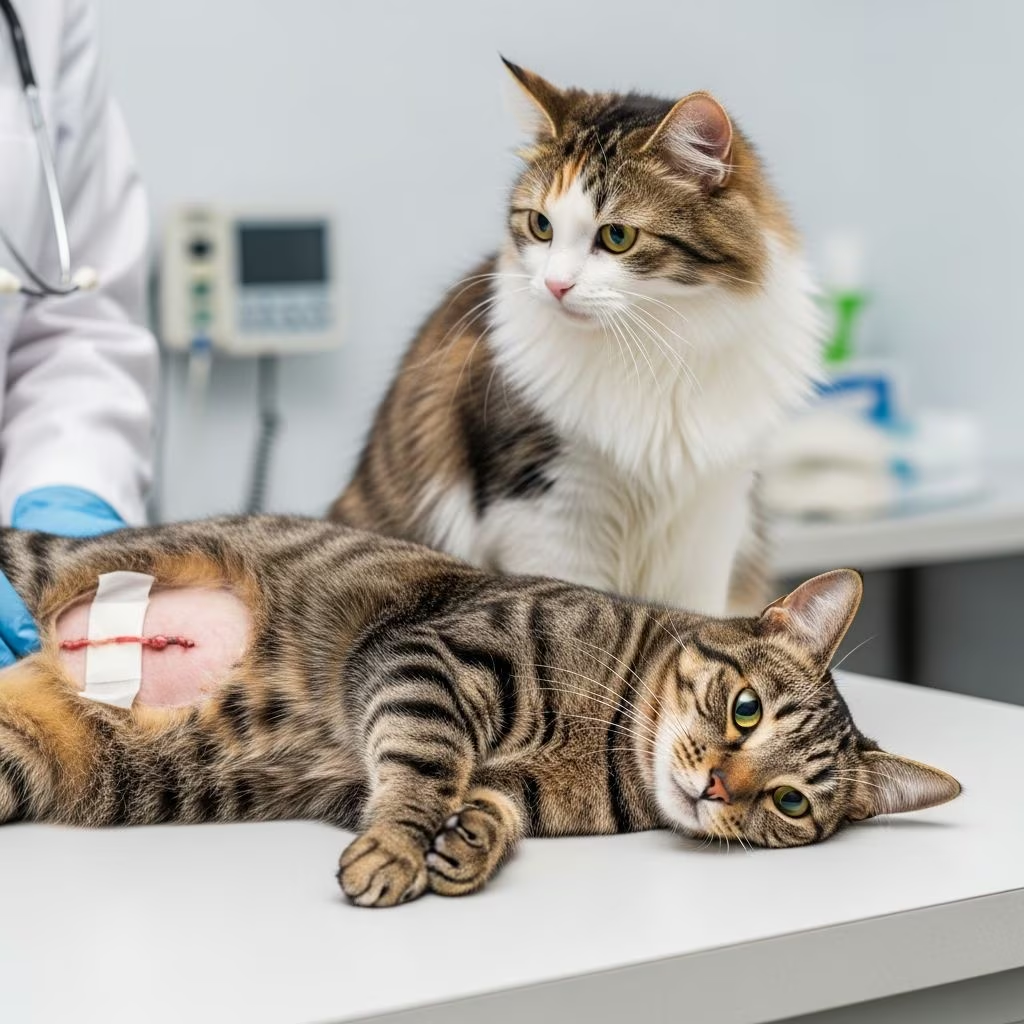
Spaying and neutering cats are routine procedures that offer significant health and behavioral benefits, such as preventing unwanted litters and reducing cancer risks. However, like any surgery, they carry potential complications. This article details nine common issues, drawing from veterinary expertise to help cat owners recognize, prevent, and manage them effectively.
Feline Neutering – What’s Involved?
Neutering refers to sterilization surgeries for both male (castration) and female (spay or ovariohysterectomy, OHE) cats, typically performed around 6 months of age or earlier in shelters. Early neutering in cats shows no proven negative physical or behavioral effects, unlike in dogs.
Castration
Male cats are anesthetized, often without intubation due to the procedure’s brevity. The scrotum is shaved, two small incisions expose each testicle, and the spermatic cord is ligated to remove it. Wounds heal open in 1-2 days with minimal bleeding; sutures are rarely needed.
Spay (Ovariohysterectomy)
Females undergo general anesthesia with intubation. A midline abdominal incision (1-2 inches) exposes the ovaries and uterus, which are clamped, ligated, and removed. The incision is closed in layers with absorbable sutures internally and skin sutures or glue externally. Recovery involves pain medication, e-collars, and rest.
Feline Neutering – What Can Go Wrong?
While most cats recover smoothly, complications range from minor to rare life-threatening issues. Awareness empowers owners to monitor recovery.
1. They Are Booked in for the Wrong Surgery
Sex misidentification occurs, especially in fluffy or young kittens. Errors are usually caught at admission, but occasionally during surgery, like missing a uterus in presumed females. Double-check with vets pre-op.
2. Anesthetic Problems
Anesthesia risks include death, hypothermia, hypotension, prolonged sedation, and blindness (often temporary but sometimes permanent). Modern drugs are safer, but vigilant monitoring is key. Pre-op bloodwork identifies at-risk cats.
3. Aspiration
Rare but serious, aspiration pneumonia happens if stomach contents enter lungs during anesthesia, especially in full stomachs. Fasting 8-12 hours pre-op and intubation minimize risks.
4. Hemorrhage
Cats bleed less than dogs, but issues include internal (females: weakness, lethargy) or external wound bleeding. Rates are low (0.14% uterine pedicle in cats); most self-limit or are managed with pressure, sedation, and monitoring. Severe cases may need return to surgery. Scrotal hematomas in males can lead to abscesses.
5. Swelling
The most common issue, caused by subcutaneous bleeding, activity, or licking. Males show scrotal swelling; females abdominal. Prevent with e-collars, rest, and cold packs. Most resolve in days.
6. Self-Trauma
Cats chew, lick, or scratch incisions, removing sutures and causing dehiscence. E-collars (cones) are essential; alternatives like suits help finicky cats. Monitor closely first 7-10 days.
7. Infection
Wound infections stem from licking, litter exposure, or hospital bacteria. Signs: redness, discharge, fever. Culture swabs check resistance; antibiotics treat. Cleanliness and e-collars prevent. Intra-abdominal rare but serious.
8. Ovarian Remnants or Surgical Errors
Ovarian remnants (missed tissue) cause estrus signs or pyometra. Errors like ureter ligation or splenic laceration are rare (most corrected intra-op). Overweight cats or small incisions increase remnant risk.
9. Pregnancy
Undetected pregnancies in outdoor females complicate surgery. Early ones extend time slightly; advanced may require C-section consideration. Pre-op palpation or ultrasound helps.
Long-Term Complications
Beyond immediate risks, hormonal changes post-neuter increase obesity odds, contributing to orthopedic issues, FLUTD in males (narrower urethra), and rare urinary incontinence (more in dogs). Manage with diet, exercise. Pediatric neutering may delay growth plates, raising fracture risk, though evidence is limited.
| Complication | Frequency | Prevention | Treatment |
|---|---|---|---|
| Hemorrhage | Low (0.05-0.14%) | Ligation check, monitoring | Pressure, surgery if severe |
| Swelling | Common | E-collar, rest | Cold packs, monitor |
| Infection | Uncommon | Hygiene, e-collar | Antibiotics, drainage |
| Obesity | Common long-term | Diet control | Weight management |
Post-Operative Care Tips
- Confine indoors 7-14 days; no jumping.
- Use e-collar full-time initially.
- Monitor incision: no redness, swelling, discharge.
- Prevent litter trauma with pelleted litter.
- Follow-up suture removal (10-14 days).
- Adjust food to prevent weight gain.
Frequently Asked Questions (FAQs)
What is the most common spay/neuter complication in cats?
Swelling and self-trauma top the list, often from licking.
Can cats bleed to death after neuter?
Rare unless coagulopathy present; most bleeding is minor.
Does early neutering cause health issues?
No strong evidence in cats; benefits outweigh risks.
How to prevent infection post-surgery?
E-collar, clean environment, vet-prescribed care.
Is obesity inevitable after neutering?
No, with proper diet and exercise.
This comprehensive guide equips cat owners with knowledge for optimal outcomes. Consult your vet for personalized advice.
References
- Top 5 Spay & Neuter Complications in Dogs & Cats — Clinician’s Brief. 2023. https://www.cliniciansbrief.com/article/top-5-complications-gonadectomy
- Spaying and neutering — American Veterinary Medical Association (AVMA). 2024-01-15. https://www.avma.org/resources-tools/pet-owners/petcare/spaying-and-neutering
- Cat Neuter Surgery: What It Is, Preparation, and Recovery — PetMD. 2024. https://www.petmd.com/cat/procedure/cat-neuter-surgery
- 9 Common Cat Spay or Neuter Surgery Complications: Our Vet Explains — Catster. 2024. https://www.catster.com/ask-the-vet/common-cat-spay-neuter-complications/
- Potential Complications of Spay/Neuter — Ace of Spays. 2023. https://aceofspays.com/complications/



