

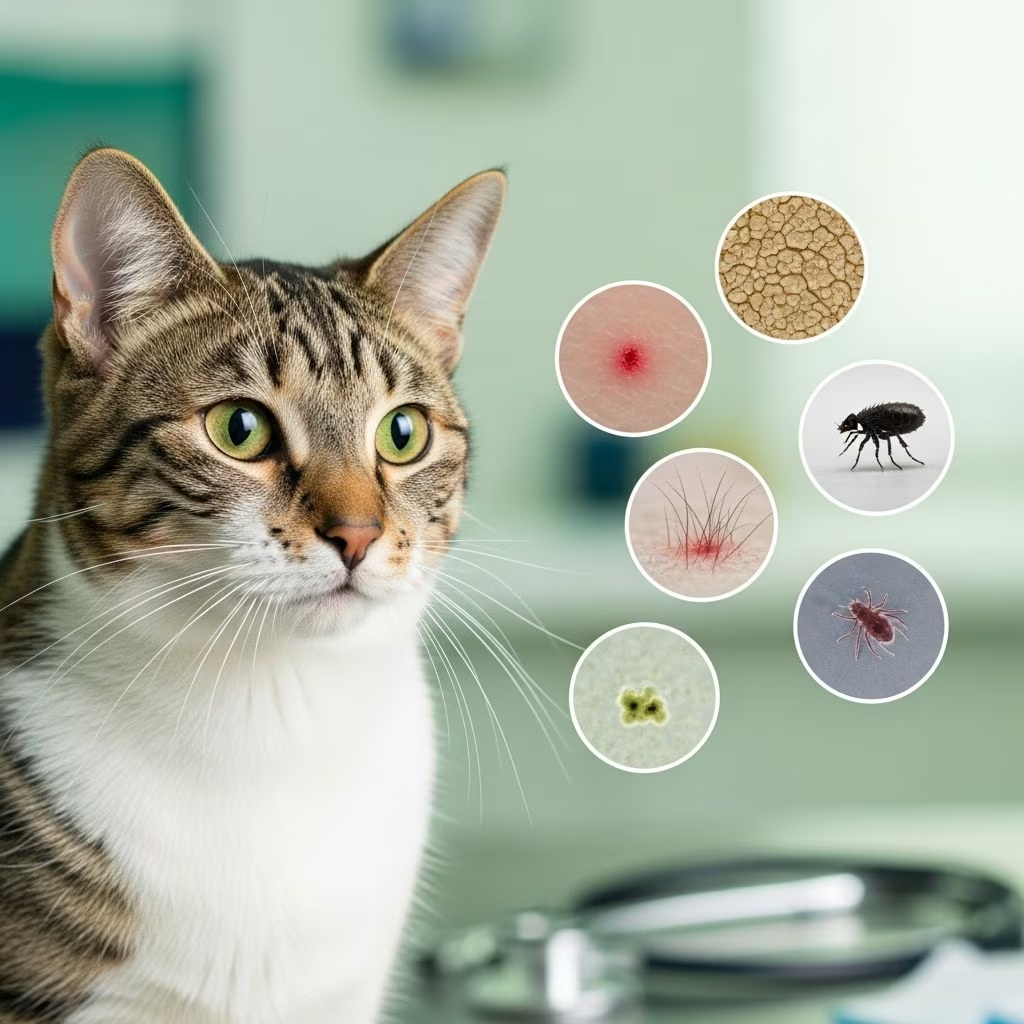
Skin problems are among the most frequently encountered health issues in cats, affecting their comfort, wellbeing, and quality of life. As a responsible pet owner, understanding these common conditions and recognizing their symptoms early can help you seek appropriate veterinary care and prevent complications. Feline skin conditions can range from minor annoyances to serious health concerns, with causes varying from parasites and infections to allergies and autoimmune disorders. This comprehensive guide explores the six most common skin problems affecting cats, their underlying causes, associated symptoms, and evidence-based treatment approaches to help you maintain your cat’s skin health.
Understanding Feline Skin Health
A cat’s skin serves as the first line of defense against environmental pathogens and parasites, making skin health crucial for overall wellness. The prevalence of specific skin conditions varies by geographic location and individual risk factors. Common causes of feline skin disease include parasitic infestations, allergic reactions, bacterial and fungal infections, autoimmune conditions, and environmental factors. When your cat’s skin becomes compromised, it can lead to excessive itching, hair loss, inflammation, and secondary infections that require veterinary intervention.
1. Flea Allergy Dermatitis (FAD)
Flea Allergy Dermatitis represents one of the most prevalent skin conditions in cats and is a hypersensitive reaction to flea saliva rather than the flea bite itself. This inflammatory condition causes intense itching, redness, and sometimes open sores that significantly impact your cat’s comfort. Remarkably, even a single flea bite can trigger a severe allergic reaction in sensitive cats, making prevention essential for susceptible animals.
Symptoms of FAD
Cats with flea allergy dermatitis typically exhibit excessive grooming and licking behaviors, particularly around the tail base, neck, and thighs. This over-grooming often leads to noticeable hair loss, red bumps, and irritated skin. You may observe your cat displaying increased restlessness, frequent scratching, and discomfort when these affected areas are touched.
Prevention and Treatment
The most effective approach to managing FAD involves consistent flea prevention and prompt treatment of any infestations. Regularly comb your cat with a flea comb and inspect for flea dirt—small black specks that indicate flea presence. Modern flea prevention medications, available through your veterinarian, can effectively prevent infestations when used as directed. If your cat develops FAD, your vet may recommend antihistamines or corticosteroids to manage inflammation and itching while addressing the underlying flea problem.
2. Ringworm (Dermatophytosis)
Ringworm is a fungal infection that despite its misleading name has nothing to do with worms. This highly contagious condition ranks among the most common fungal causes of skin disease in cats and represents one of the few cat skin conditions transmissible to humans. Kittens and cats with compromised immune systems face increased susceptibility to this infection.
Identifying Ringworm Symptoms
Ringworm typically presents as circular patches of hair loss with red, scaly edges, most commonly appearing on the head, ears, or front legs. Some cats may show minimal symptoms while still shedding fungal spores, making diagnosis through professional veterinary examination essential. Affected cats may scratch the lesions, leading to secondary bacterial infections.
Treatment and Management
If you suspect ringworm, isolate your cat from other pets immediately and consult a veterinarian for confirmation through fungal culture or other diagnostic methods. Treatment typically involves antifungal medications administered both topically and orally, combined with thorough environmental cleaning to eliminate fungal spores and prevent reinfection. Recovery may take several weeks, and follow-up testing confirms successful treatment.
3. Miliary Dermatitis
Miliary dermatitis isn’t a specific disease but rather a reaction pattern in cats characterized by small, crusty bumps typically felt rather than seen on the skin. These tiny lesions resemble millet seeds—hence the name—and are usually scattered across the skin, especially along the back and neck.
Causes and Symptoms
This condition can be triggered by several underlying causes including flea bites, food or environmental allergies, or skin infections. Cats with miliary dermatitis often display signs of discomfort when touched and may scratch or bite at affected areas. The condition represents the skin’s response to irritation rather than a primary disease, making identification of the underlying cause crucial for effective treatment.
Diagnostic Approach and Treatment
Diagnosis requires identifying the underlying trigger, which may involve flea prevention trials, dietary changes, or allergy testing. Once the cause is determined and addressed—whether through parasite prevention, dietary modification, or allergen avoidance—the miliary dermatitis typically resolves as the skin inflammation decreases.
4. Allergic Dermatitis: Food and Environmental Triggers
Allergic dermatitis in cats can stem from both food and environmental allergens, manifesting through various skin symptoms. Food allergies often develop gradually over time, while environmental allergens such as pollen, dust mites, or mold can trigger acute or chronic reactions.
Recognizing Allergic Dermatitis
Affected cats may experience itching, chronic ear infections, and gastrointestinal issues alongside skin manifestations. You might observe your cat frequently licking their paws, rubbing their face, or displaying generalized discomfort. The ears, rear, belly, and groin areas are commonly affected, often showing crusty or irritated skin and hair loss.
Diagnosis and Management Strategy
Diagnosing allergies proves challenging and often involves ruling out other conditions first. Your veterinarian may recommend elimination diets, intradermal skin testing, or immune therapy. Managing allergic dermatitis typically requires a multi-pronged approach including dietary modifications, antihistamines, omega-3 fatty acid supplementation, and sometimes immunotherapy to reduce allergic sensitivity over time. Environmental modifications, such as air filters and regular cleaning, can also reduce allergen exposure.
5. Feline Acne
Feline acne occurs when hair follicles become blocked due to keratin overproduction, resulting in blackheads and small bumps similar to human acne. This condition most commonly affects the chin and lips but can also appear on other body areas.
Identifying Feline Acne
Lesions typically resemble tiny bumps, blackheads, and whiteheads, sometimes appearing as specks of dirt rather than a recognizable skin condition. In mild cases, the condition causes minimal discomfort, but if left untreated, severe outbreaks can become inflamed and infected, leading to pain, swelling, bleeding, and hair loss.
Prevention and Treatment Options
While the exact cause isn’t always clear, poor grooming, plastic food dishes, and stress can contribute to feline acne development. Prevention involves maintaining good hygiene and switching to stainless steel or ceramic food and water dishes instead of plastic, which can harbor bacteria and irritants. For mild cases, regular cleaning with a vet-approved antiseptic may suffice. More severe outbreaks may require topical or systemic antibiotics to prevent secondary bacterial infection.
6. Dry Skin
Dry skin in cats can result from poor nutrition, stress, underlying disease, or environmental factors. This condition often produces flakes similar to dandruff, causing discomfort and potential itching.
Causes and Symptoms
Nutritional deficiencies, particularly in essential fatty acids, commonly contribute to dry skin development. Environmental factors such as low humidity, excessive bathing, or harsh cleaning products can also strip natural oils from the skin. Indoor cats living in heated homes during winter months frequently experience increased dryness.
Treatment and Prevention
Improving your cat’s diet with high-quality nutrition including omega-3 and omega-6 fatty acids helps restore skin health from within. Increasing environmental humidity through humidifiers and ensuring fresh water availability supports skin hydration. In some cases, your veterinarian may recommend medicated shampoos or topical moisturizers to provide relief and restore the skin barrier.
Additional Common Skin Conditions
Eosinophilic Granuloma
This inflammatory condition results in raw, ulcerated skin and hairless, itchy plaques characterized by red, raised areas. While the mouth and lips are most commonly affected, lesions can develop on the belly and legs. Treatment typically involves identifying and addressing underlying triggers while managing inflammation with prescribed medications.
Parasitic Infestations Beyond Fleas
Beyond fleas, cats can suffer from mite infestations and other ectoparasites that cause significant discomfort and secondary health issues. Ticks and mites can spread diseases, generate allergic reactions, and create general discomfort affecting both pets and household members. Your veterinarian can conduct visual inspections and perform skin scrapes to identify parasitic infections.
When to Seek Veterinary Care
You should schedule a veterinary appointment if your cat displays persistent scratching, visible hair loss, skin lesions, unusual odors from the skin, or behavioral changes related to skin discomfort. Signs of potential infection include green, yellow, or chunky discharge from the skin, strong smells, or the appearance of small fluid-filled bumps (pustules). Early intervention often prevents progression to more serious secondary infections.
Preventative Care and Skin Health Management
Maintaining optimal feline skin health involves several key strategies: consistent parasite prevention, high-quality nutrition, regular grooming, stress reduction, and environmental optimization. Providing your cat with a balanced diet rich in essential fatty acids, maintaining appropriate humidity levels, and ensuring regular veterinary check-ups contribute significantly to skin health. Stress management through enrichment activities and environmental modifications also supports immune function and skin resilience.
Frequently Asked Questions
Q: How can I tell if my cat has a skin infection versus an allergy?
A: While allergies typically cause itching and inflammation, infections often produce visible discharge, unusual odors, pustules, or epidermal collarettes (flaky skin surrounding red areas). Your veterinarian can perform diagnostic tests like skin cultures or scrapes to distinguish between these conditions accurately.
Q: Are cat skin conditions contagious to humans?
A: Some are. Ringworm can transmit to humans through direct contact or contaminated surfaces. Practice good hygiene, wash hands after handling an affected cat, and consult your doctor if you develop suspicious skin lesions.
Q: How long does it take to treat common cat skin problems?
A: Treatment duration varies by condition. Flea allergy dermatitis may improve within weeks of consistent prevention, while ringworm typically requires 4-12 weeks of treatment. Allergies often require ongoing management rather than complete cure.
Q: Can changing my cat’s diet help with skin problems?
A: Diet can significantly impact skin health. While food allergies account for only a relatively small percentage of itchy skin cases in cats, high-quality nutrition with adequate omega fatty acids supports overall skin health. Never change your cat’s food abruptly; consult your veterinarian about dietary adjustments.
Q: What are the best parasite prevention options for cats?
A: Your veterinarian can recommend prescription flea and tick preventatives tailored to your cat’s age, weight, and health status. These are more effective and safer than over-the-counter products and provide year-round protection against parasites.
References
- Skin Conditions in Cats: Types, Symptoms, and Treatment — PetMD. Accessed November 2025. https://www.petmd.com/cat/general-health/skin-conditions-in-cats
- Identify Common Cat Skin Disease and their Treatments — Metro Vet Clinic. Accessed November 2025. https://metrovetclinic.com/resources/cat-skin-disease/
- Common Cat Skin Conditions — Bloom Plaza Animal Hospital. May 18, 2022. https://www.bloomplazaanimalhospital.com/site/blog/2022/05/18/common-cat-skin-conditions
- Feline Skin Diseases — Cornell Feline Health Center, Cornell University College of Veterinary Medicine. Accessed November 2025. https://www.vet.cornell.edu/departments-centers-and-institutes/cornell-feline-health-center/health-information/feline-health-topics/feline-skin-diseases
- Skin Conditions in Cats: Vet-Recommended Care and Treatment — Vets Love Pets. Accessed November 2025. https://vetslovepets.com.au/blogs/cat/cat-skin-conditions
- Itchy Cats and Skin Disorders — Cats Protection Veterinary Guide. Accessed November 2025. https://www.cats.org.uk/media/1033/vg04_itchy_cats_and_skin_disorders.pdf



