

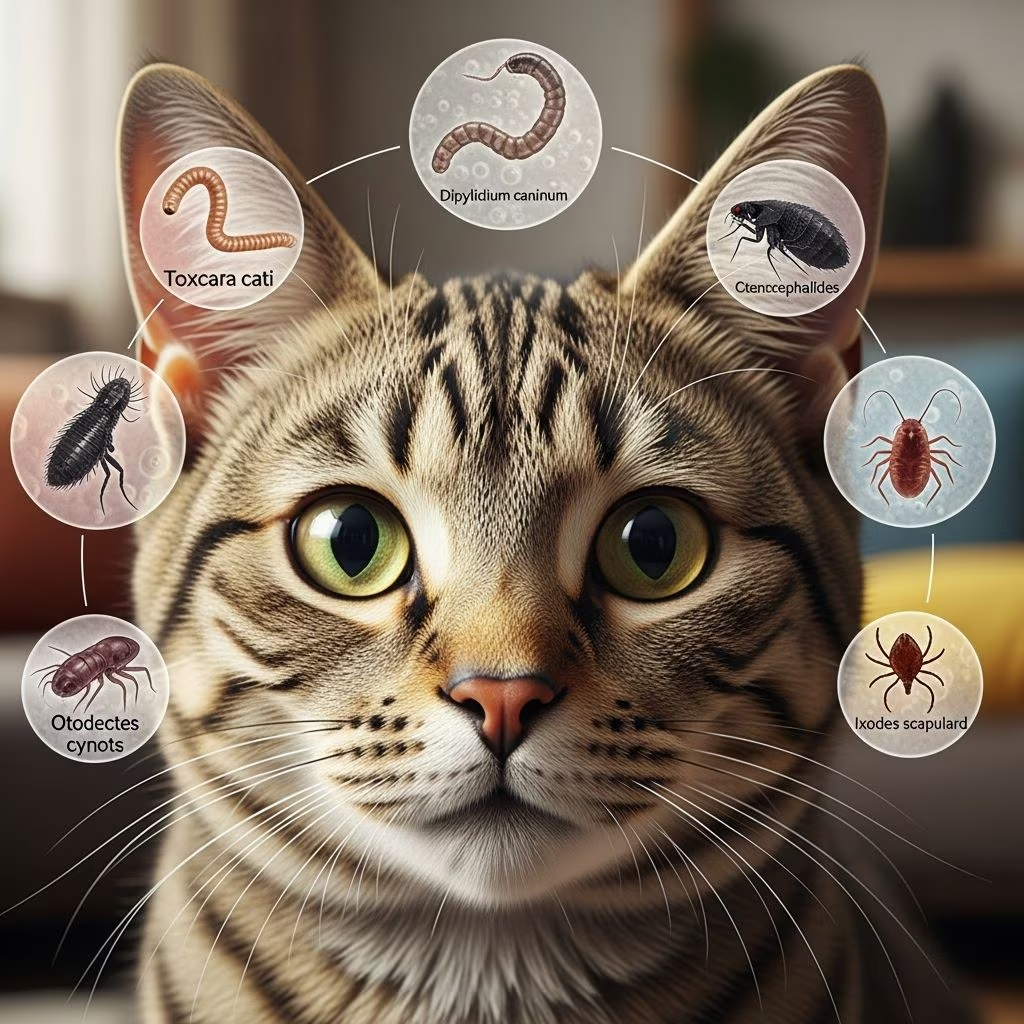
Understanding Common Cat Parasites: A Complete Guide
Cat parasites are one of the most prevalent health concerns veterinarians encounter in feline patients. Whether your cat spends time outdoors or lives exclusively indoors, parasitic infections can affect cats of all ages and lifestyles. Gastrointestinal parasitism alone affects up to 45% of cats in some populations, making it essential for cat owners to understand the risks, recognize symptoms, and implement effective prevention strategies. This comprehensive guide covers the most common parasites that threaten feline health, their transmission methods, clinical signs, treatment options, and preventive measures.
Types of Cat Parasites
Cat parasites fall into two main categories: internal parasites (worms) and external parasites (fleas, ticks, and mites). Each type presents unique challenges and requires specific treatment approaches.
Internal Parasites (Worms)
Roundworms
Roundworms represent the most common intestinal parasite affecting cats, with prevalence rates between 25% to 75% in the general cat population, and even higher rates in kittens. Two species commonly infect cats: *Toxocara cati* and *Toxascaris leonina*. These parasites are cream-colored and measure three to five inches in length, residing in the cat’s intestine where they survive by consuming food ingested by the host.
Cats contract roundworms through multiple pathways, including consumption of infected feces, nursing from infected mothers, or eating intermediate hosts such as rodents, earthworms, or beetles. Female roundworms produce fertile eggs that pass through infected cat feces, becoming infective after several days to several weeks of development.
Symptoms of roundworm infection include:
- Diarrhea
- Lethargy and decreased activity
- Weight loss despite normal appetite
- Vomiting
- Dull coat appearance
- Visible worms in stool or vomit
- Distended or bloated abdomen
Many cats with light worm burdens show no visible symptoms, making routine stool analysis during yearly wellness visits crucial for early detection. Treatment involves veterinarian-prescribed dewormers, typically requiring two to three doses for complete elimination.
Hookworms
Hookworms are intestinal parasites that cause significant health complications in infected cats. These parasites penetrate the intestinal lining and feed on blood, leading to serious consequences even with small parasite loads.
Common symptoms of hookworm infection include:
- Anemia (low red blood cell count)
- Weight loss
- Diarrhea
- Poor hair coat quality
- Blood in feces
- Pale mucous membranes
Kittens contract hookworms from infected mothers through milk, feces, or occasionally through skin penetration. Diagnosis involves stool analysis performed by your veterinarian. Treatment consists of deworming medications, with follow-up treatments and fecal exams necessary to ensure complete eradication. Prevention includes regular use of parasite preventives, daily litter box cleaning, and maintaining good household hygiene.
Tapeworms
Tapeworms are intestinal parasites transmitted through fleas, rodents, and birds. The most obvious sign of tapeworm infection is the presence of small, white, rice-like segments visible around the cat’s anus, in bedding, or within the stool.
Additional symptoms include:
- Mild weight loss
- Increased appetite
- Visible segments in feces or bedding
Veterinarians diagnose tapeworms through visual inspection of fecal material or microscopic examination. Treatment with prescription deworming medications is highly effective, though controlling flea populations is essential to prevent reinfestation.
Heartworm
Heartworm represents a serious and potentially fatal parasitic infection in cats. Unlike dogs, cats may show no symptoms until heartworm disease reaches advanced stages, making prevention critical.
Signs of heartworm infection include:
- Rapid breathing
- Coughing attacks
- Vomiting
- Loss of appetite and weight loss
- Fainting episodes
- Seizures
- Trouble walking
- Sudden collapse and death (sometimes the first sign)
Unfortunately, no specific medication safely treats heartworm disease in cats, as the medications used for dogs pose safety risks to felines. Treatment focuses on symptom management and stabilizing the affected cat. Prevention through routine veterinary exams and vaccinations is the most effective approach.
Coccidia and Giardia
Coccidia and Giardia are single-celled protozoan organisms that inhabit the cat’s intestines, stealing nutrition and causing intestinal distress. These parasites affect cats year-round, even during cold weather.
Symptoms include:
- Diarrhea
- Poor overall body condition
- Unthriftiness
- Dull coat
Veterinarians diagnose these parasites through microscopic stool examination or specific antigen tests. Treatment requires prescription medications tailored to the specific parasite type.
External Parasites
Fleas
Fleas are external parasites that feed on your cat’s blood and can transmit serious diseases. These tiny insects are among the most common external parasites affecting cats.
Flea infection symptoms include:
- Intense itching and scratching
- Excessive grooming
- Hair loss
- Scabs and skin irritation
- Visible fleas on the coat
- Flea dirt (tiny black specks on skin)
Some cats develop allergies to flea saliva, meaning even a single flea bite can trigger allergic reactions and uncomfortable symptoms. Prescription flea preventatives, available in topical or oral forms, provide safe and highly effective treatment and prevention. Monthly applications help prevent reinfestation and protect against disease transmission.
Ticks
Ticks are external parasites that attach to the skin and transmit serious illnesses. These blood-feeding parasites present significant health risks beyond the parasitic infection itself.
Signs of tick infestation include:
- Visible small, dark bumps attached to skin
- Scratching or biting at affected areas
- Ticks often go unnoticed until discovered during petting
Regular inspection during grooming helps identify ticks early. Prescription tick preventatives provide the most effective protection against these parasites and the diseases they carry.
Mites (Ear Mites and Mange)
Mites are tiny parasites that cause significant discomfort in infected cats. Two primary types affect felines: ear mites and mange mites.
Ear Mites: These parasites live in the ear canal, causing intense itching and discomfort.
Ear mite symptoms include:
- Constant head shaking
- Intense ear itching
- Dark, crumbly ear discharge
- Secondary ear infections
- Scratching and rubbing ears
Mange Mites: Demodex mites cause patches of hair loss with mild irritation, while Notoedres mites create severely inflamed, intensely itchy areas. Both types can spread through contagious contact.
Mange symptoms include:
- Constant scratching, head-shaking, licking, or biting
- Patches of hair loss
- Skin inflammation and irritation
- Scabs and wounds from excessive scratching
- Excessively flaky skin or white dandruff
Veterinarians diagnose mites through skin scrapings of affected areas, typically found on the head, neck, and less commonly on trunk and limbs. Treatment involves medicated ear preparations or topical parasite control products. Several cat flea preventives also protect against mange mites, providing dual protection.
How Cats Get Parasites
Understanding transmission routes helps cat owners implement effective prevention strategies. Parasitic infections spread through multiple pathways:
- Maternal transmission: Kittens contract parasites from infected mothers through nursing or contact with contaminated feces
- Fecal-oral route: Cats ingest parasite eggs from contaminated environments or litter boxes
- Prey consumption: Hunting and consuming infected rodents, birds, earthworms, or insects transmits parasites
- Vector transmission: Fleas and mosquitoes transmit certain parasites like heartworm
- Skin penetration: Some parasites penetrate skin directly, particularly hookworms
- Environmental exposure: Contaminated outdoor environments expose cats to various parasites year-round
Recognizing Parasite Symptoms
While specific symptoms vary by parasite type, cats with parasitic infections often display general signs indicating health problems:
- Dull, unkempt coat
- Diarrhea or constipation
- Vomiting
- Weight loss or failure to gain weight
- Loss of appetite
- Abdominal distension or bloating
- Pale mucous membranes
- Lethargy and decreased activity
- Visible worms in stool or vomit
- Excessive scratching, grooming, or hair loss
- Skin irritation or wounds
Importantly, light parasite infections may produce no visible symptoms, making routine veterinary care and diagnostic testing essential for early detection and treatment.
Diagnosis and Treatment
Professional veterinary care is crucial for accurate diagnosis and appropriate treatment. Veterinarians employ several diagnostic methods:
- Fecal analysis: Microscopic examination of stool samples reveals intestinal parasites and their eggs
- Physical examination: Visual inspection identifies external parasites and skin changes
- Skin scrapings: Microscopic examination of skin samples confirms mite infections
- Antigen testing: Special tests detect specific parasites like Giardia
Once diagnosed, treatment depends on the specific parasite type. Deworming medications such as Panacur or Drontal effectively eliminate intestinal parasites. Prescription flea and tick preventatives combat external parasites. Cats with severe infections may require IV fluids and supportive care. Follow-up fecal exams ensure complete parasite elimination and prevent reinfestation.
Prevention Strategies
Preventing parasitic infections proves far more effective and cost-efficient than treating established infections. Comprehensive prevention includes:
- Monthly parasite preventatives: Prescription topical or oral medications provide year-round protection against multiple parasite types
- Regular veterinary exams: Annual wellness visits, or more frequent visits for high-risk cats, detect parasites early
- Routine deworming: Periodic deworming prevents infection in high-risk cats
- Fecal examinations: Annual stool analysis identifies intestinal parasites before symptoms develop
- Litter box hygiene: Daily cleaning and proper disposal of waste reduce environmental contamination
- Environmental sanitation: Regular cleaning of bedding, toys, and living spaces prevents parasite transmission
- Flea control: Controlling flea populations prevents tapeworm transmission and flea-related diseases
- Outdoor restrictions: Keeping cats indoors eliminates exposure to many parasites and disease vectors
- Rodent control: Reducing rodent populations prevents cats from consuming infected prey
Frequently Asked Questions
Q: How often should my cat be tested for parasites?
A: Kittens should be tested every two weeks until 8 weeks old, then monthly until 6 months old. Adult cats should have annual fecal exams. Cats with outdoor access or those showing symptoms may require more frequent testing.
Q: Can indoor cats get parasites?
A: Yes, indoor cats can contract parasites through contaminated food, water, contact with infected pets, or parasite eggs brought inside on clothing and shoes. However, indoor cats generally have lower infection rates than outdoor cats.
Q: Are cat parasites contagious to humans?
A: Some cat parasites can affect humans, including roundworms and hookworms. Practicing good hygiene, such as washing hands after handling cats or cleaning litter boxes, significantly reduces transmission risk.
Q: What is the best parasite prevention for my cat?
A: Prescription monthly preventatives provide comprehensive protection. Consult your veterinarian to determine the best product for your cat’s specific needs, lifestyle, and health status.
Q: How long does parasite treatment take?
A: Treatment duration varies by parasite type. Some infections clear with a single dose, while others require multiple treatments spaced days or weeks apart. Follow-up testing ensures complete eradication.
Q: Can my cat get parasites again after treatment?
A: Yes, reinfection is possible if the source of infection isn’t controlled. Implementing prevention strategies and maintaining good hygiene practices reduces reinfestation risk.
References
- Gastrointestinal Parasites of Cats — Cornell Feline Health Center, Cornell University College of Veterinary Medicine. 2024. https://www.vet.cornell.edu/departments-centers-and-institutes/cornell-feline-health-center/health-information/feline-health-topics/gastrointestinal-parasites-cats
- Internal Parasites in Cats — VCA Animal Hospitals. 2024. https://vcahospitals.com/know-your-pet/internal-parasites-in-cats
- Gastrointestinal Parasites of Cats — Merck Veterinary Manual — Merck & Co., Inc. 2024. https://www.merckvetmanual.com/cat-owners/digestive-disorders-of-cats/gastrointestinal-parasites-of-cats
- Intestinal Parasites in Cats and Dogs — American Veterinary Medical Association (AVMA). 2024. https://www.avma.org/resources-tools/pet-owners/petcare/intestinal-parasites-cats-and-dogs
- Most Common Parasites In Cats — North Cobb Animal Hospital. 2022. https://www.northcobbanimalhospital.com/site/blog/2022/08/19/most-common-parasites-cats
- Parasites in Cats — Willowbrook Veterinary Hospital. 2024. https://www.willowbrookvet.com/services/cats/parasites-tigard



