

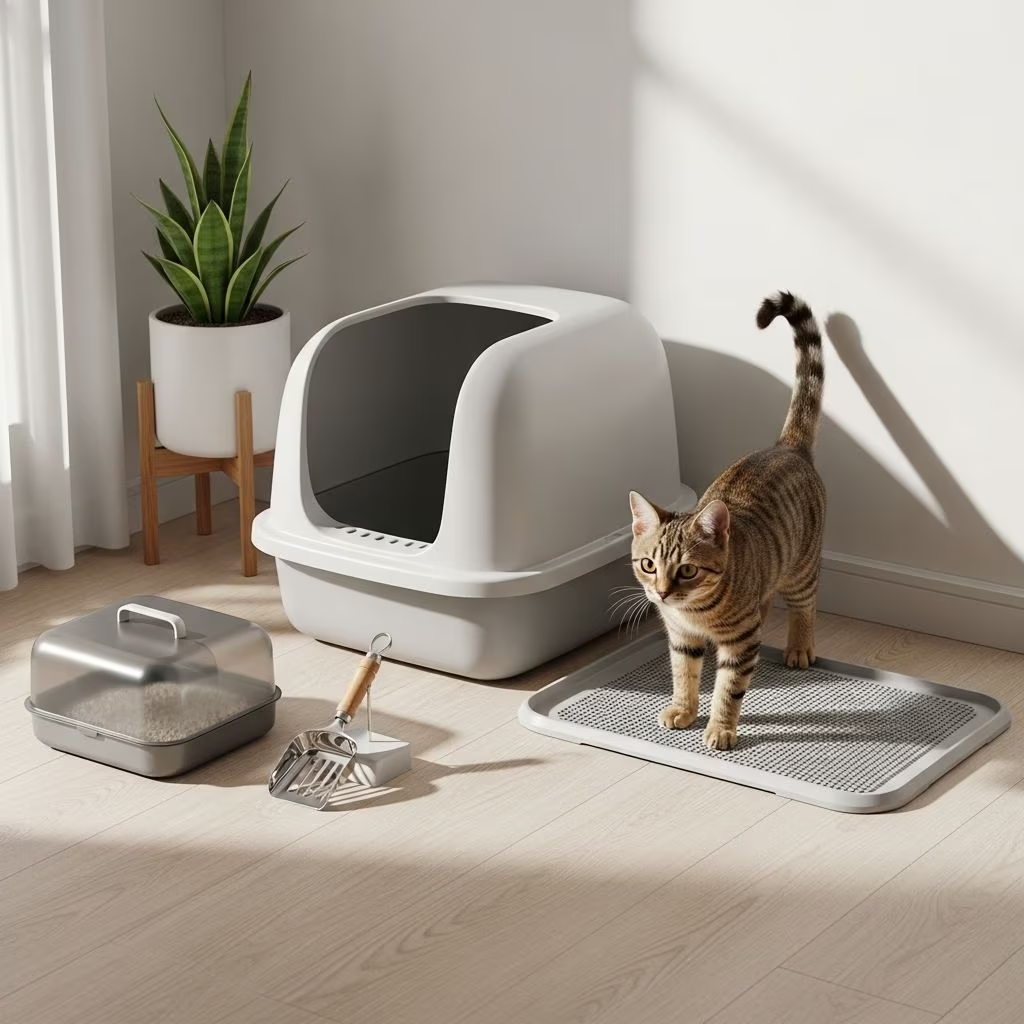
Litter box problems rank among the most frustrating challenges cat owners face. Whether your feline friend is eliminating outside the box, avoiding it altogether, or displaying other unwanted behaviors, understanding the root causes can help you find effective solutions. Many litter box issues stem from simple fixes, while others may require medical attention or behavioral modification. This comprehensive guide covers eight common litter box problems and actionable strategies to resolve them.
Understanding Why Litter Box Problems Occur
Before diving into specific problems, it’s important to recognize that litter box avoidance or inappropriate elimination rarely happens without reason. The two most common reasons why a cat stops using the litter box consistently are medical conditions and stress or anxiety. Always start with a veterinary visit to rule out urinary tract infections (UTIs), arthritis, kidney disease, or other health conditions that might be causing your cat’s behavior. Once medical issues are excluded, you can address behavioral and environmental factors.
Cats are naturally fastidious creatures with specific preferences about their bathroom facilities. Understanding these preferences is key to maintaining a harmonious household and ensuring your cat uses the litter box reliably.
Problem 1: Dirty Litter Box
The Issue
One of the most common litter box problems is an insufficiently clean box. Cats are notoriously particular about cleanliness and will avoid a dirty litter box. If your cat is eliminating outside the box, a soiled litter box may be the culprit.
The Solution
Implement a rigorous cleaning schedule:
- Scoop the litter box at least twice daily to remove waste and clumps
- Completely empty, disinfect, and replace all litter at least once weekly
- Use enzymatic cleaners to eliminate odors that might discourage use
- Consider cleaning more frequently if you have multiple cats or notice your cat is particularly sensitive
Many cats respond immediately to increased cleaning frequency. This simple solution often resolves litter box avoidance issues within days.
Problem 2: Litter Box Size Issues
The Issue
Most commercial litter boxes are too small for adult cats. A cramped litter box can make your cat uncomfortable and unwilling to use it. Additionally, smaller boxes don’t provide adequate space for cats to turn around or position themselves comfortably.
The Solution
Size matters significantly for litter box acceptance. Consider these options:
- Upgrade to a large plastic storage box, such as those designed to fit under beds, which provides ample space
- Choose litter boxes that are at least 1.5 times the length of your cat’s body
- For cats that aim high when urinating, use boxes with higher sides or consider a litter shield
- Monitor your cat’s comfort level and adjust accordingly
Providing a larger litter box is one of the most effective solutions for cats refusing to use standard-sized boxes.
Problem 3: Inappropriate Litter Depth
The Issue
Cats have specific preferences about litter depth. Too much litter can create an uncomfortable “sinking” sensation, while too little doesn’t provide adequate coverage for digging and burying waste.
The Solution
Maintain the optimal litter depth of 1-2 inches. This depth allows cats to:
- Dig comfortably without hitting the box bottom
- Bury their waste adequately
- Avoid the unsettling sensation of sinking into deep litter
- Exit the box without excessive litter clinging to their paws
Experiment with depths within this range to find your cat’s preference, as individual cats vary in their comfort levels.
Problem 4: Litter Type Preferences
The Issue
Cats can be extremely particular about litter texture and composition. Some cats prefer certain surfaces over litter, while others dislike the scent or texture of their current litter. Strong odors in scented litters can actually discourage use, as cats dislike overpowering smells.
The Solution
Experiment with different litter types to discover your cat’s preference:
- Offer unscented litter rather than heavily fragranced varieties
- Try different textures: clay, clumping, non-clumping, shredded paper, sawdust, wood pellets, or sand
- Set up multiple boxes with different litter types side by side to let your cat choose
- When transitioning to new litter, do so gradually by mixing increasing amounts of the new product with the old
- For kittens, use shredded paper or chunky litter and avoid clumping or sand varieties
What works for one cat may not work for another, so patience and observation are essential.
Problem 5: Litter Box Location Problems
The Issue
Location significantly impacts whether cats will use their litter box. Cats in the wild carefully select bathroom locations where they can maintain visual awareness of potential threats. A poorly positioned litter box may feel unsafe or inaccessible to your cat.
The Solution
Optimize litter box placement by considering:
- Avoid placing boxes in corners, closets, or tight spaces like between the toilet and bathtub where escape routes feel limited
- Place boxes in open areas where cats can see their surroundings and have multiple exit routes
- Keep litter boxes away from food and water bowls
- In multi-level homes, place one box per cat on each floor for accessibility
- Position boxes in separate locations if you have multiple boxes—never place them side by side
- Experiment with different locations if your cat isn’t using the current box
Cats feel most comfortable when they can monitor their environment while using the litter box.
Problem 6: Insufficient Number of Litter Boxes
The Issue
The number of litter boxes in your home directly impacts your cat’s litter box habits. An insufficient number of boxes forces competition and increases the likelihood of inappropriate elimination.
The Solution
Follow the golden rule of litter box distribution:
- Provide one litter box for each cat in your household, plus one extra
- For homes with multiple floors, place at least one box on each level
- Consider providing additional boxes if you have a large home or multiple cats
- Some cats prefer to urinate in one box and defecate in another, so additional boxes can help accommodate these preferences
- Monitor which boxes are used most frequently to optimize placement
Having adequate litter box access reduces stress and territorial behavior, particularly in multi-cat households.
Problem 7: Litter Box Cover Issues
The Issue
Litter box covers are a source of debate among cat owners and behaviorists. While some cats feel safer with a covered box, others experience anxiety or feel trapped by enclosed spaces.
The Solution
Experiment with different configurations:
- If your cat has an uncovered box, try adding a cover to see if it increases usage
- If your cat has a covered box, try removing the cover to determine if it improves comfort
- Try removing or adding liners inside the box, as some cats dislike the texture or rustling of plastic liners
- Consider a litter shield as a compromise option that provides privacy while maintaining open access
- Observe your cat’s behavior to determine which setup promotes consistent use
Trial and error is often necessary to determine your individual cat’s preference.
Problem 8: Inappropriate Elimination Location Preferences
The Issue
Some cats develop preferences for eliminating in specific locations outside the litter box, such as on area rugs, bedding, carpeting, or plant soil. This behavior often develops after one or two incidents break the established pattern, requiring deliberate re-establishment of proper litter box habits.
The Solution
Address inappropriate elimination with a multi-faceted approach:
- Thoroughly clean affected areas with enzymatic cleaners to remove all scent markers that attract re-soiling
- Block off problem areas using baby gates or pet doors to prevent access
- Cover problem spots with deterrents such as aluminum foil, double-sided sticky tape, plastic wrap, or upside-down carpet runners
- Place a few favorite treats or food bowls in the affected area, as cats typically won’t eliminate where they eat
- Install motion-sensor lights if the area is dark, as some cats prefer well-lit bathroom locations
- Use citrus-scented deterrents near the problem area, as most cats dislike citrus odors
- Gradually remove deterrents as your cat returns to consistent litter box use
Patience is critical when retraining your cat, as behavioral patterns take time to re-establish.
Additional Considerations for Specific Situations
Senior and Special Needs Cats
Older cats and those with mobility issues may have difficulty accessing standard litter boxes. Provide boxes with lower walls or entrance points to accommodate arthritis, reduced flexibility, or other age-related conditions. Shallow storage boxes work well for senior cats.
Preventing Urine Spraying
Urine spraying differs from inappropriate elimination and typically occurs on vertical surfaces. If your cat is not spayed or neutered, spraying is often a territorial marking behavior resolved by altering your cat. Consult your veterinarian about spaying or neutering as a first step.
Managing Multiple Cat Households
In homes with multiple cats, territorial stress can trigger litter box avoidance. Ensure adequate box numbers, separate locations, and consider creating distinct bathroom territories for each cat.
Frequently Asked Questions
Q: How often should I clean my cat’s litter box?
A: Scoop the box at least twice daily to remove waste and clumps. Completely empty, disinfect, and replace all litter at least once weekly. Some cats may require more frequent cleaning if they are particularly sensitive to cleanliness.
Q: What size should a cat litter box be?
A: Most commercial litter boxes are too small. Choose a box that is at least 1.5 times the length of your cat’s body. Many cat owners successfully use large plastic storage containers designed to fit under beds.
Q: How much litter should I put in the box?
A: Maintain a litter depth of 1-2 inches. This depth allows comfortable digging and waste burial without creating an uncomfortable sinking sensation or excessive litter clinging to paws.
Q: How many litter boxes do I need?
A: Provide one litter box for each cat plus one extra. In multi-level homes, place at least one box on each floor. Never place multiple boxes side by side; separate them throughout your home.
Q: Should my cat’s litter box have a cover?
A: This depends on your individual cat’s preference. Some cats feel safer with a cover, while others experience anxiety in enclosed spaces. Try both configurations to determine what works best for your cat.
Q: When should I see a veterinarian about litter box problems?
A: Always start with a veterinary visit to rule out medical conditions like urinary tract infections, arthritis, kidney disease, or other health issues. This should be your first step before addressing behavioral factors.
Q: What should I do if my cat has a strong litter preference?
A: Experiment with different litter types including clay, clumping, non-clumping, shredded paper, sawdust, wood pellets, and sand. Set up multiple boxes with different litters to let your cat choose, and make transitions gradually.
Q: How do I stop my cat from eliminating on carpets?
A: Clean the area thoroughly with enzymatic cleaners, block off access if possible, and use deterrents like aluminum foil or double-sided tape. Place food bowls in the area as cats typically won’t eliminate where they eat.
References
- How to Spot and Solve Pesky Litter Box Problems — Harrisburg Animal Hospital. 2024. https://www.harrisburganimalhospital.com/services/cats/blog/how-spot-and-solve-pesky-litter-box-problems
- Cat Not Using Litter Box: Causes and Solutions — Best Friends Animal Society. 2024. https://bestfriends.org/pet-care-resources/cat-not-using-litter-box-causes-and-solutions
- Troubleshooting Litter Box Issues — Alley Cat Allies. 2024. https://www.alleycat.org/community-cat-care/troubleshooting-litterbox-issues/
- Solving Litterbox Issues — Wisconsin Humane Society. 2024. https://www.wihumane.org/behavior/ask-the-experts/cat-behavior/solving-litterbox-problems
- Ask the Expert: How to Tackle Litter Box Problems with Your Cat — Cherry Hill Dog and Cat Hospital. 2025-02-01. https://cherryhilldogcathospital.com/2025/02/01/ask-the-expert-how-to-tackle-litter-box-problems-with-your-cat/
- Preventing and Solving Litter Box Problems — Animal Humane Society. 2024. https://www.animalhumanesociety.org/resource/preventing-and-solving-litter-box-problems



