
Bird Beak Health Problems: 5 Key Issues Every Owner Must Spot
Identify and address the five most common beak health issues affecting pet birds.
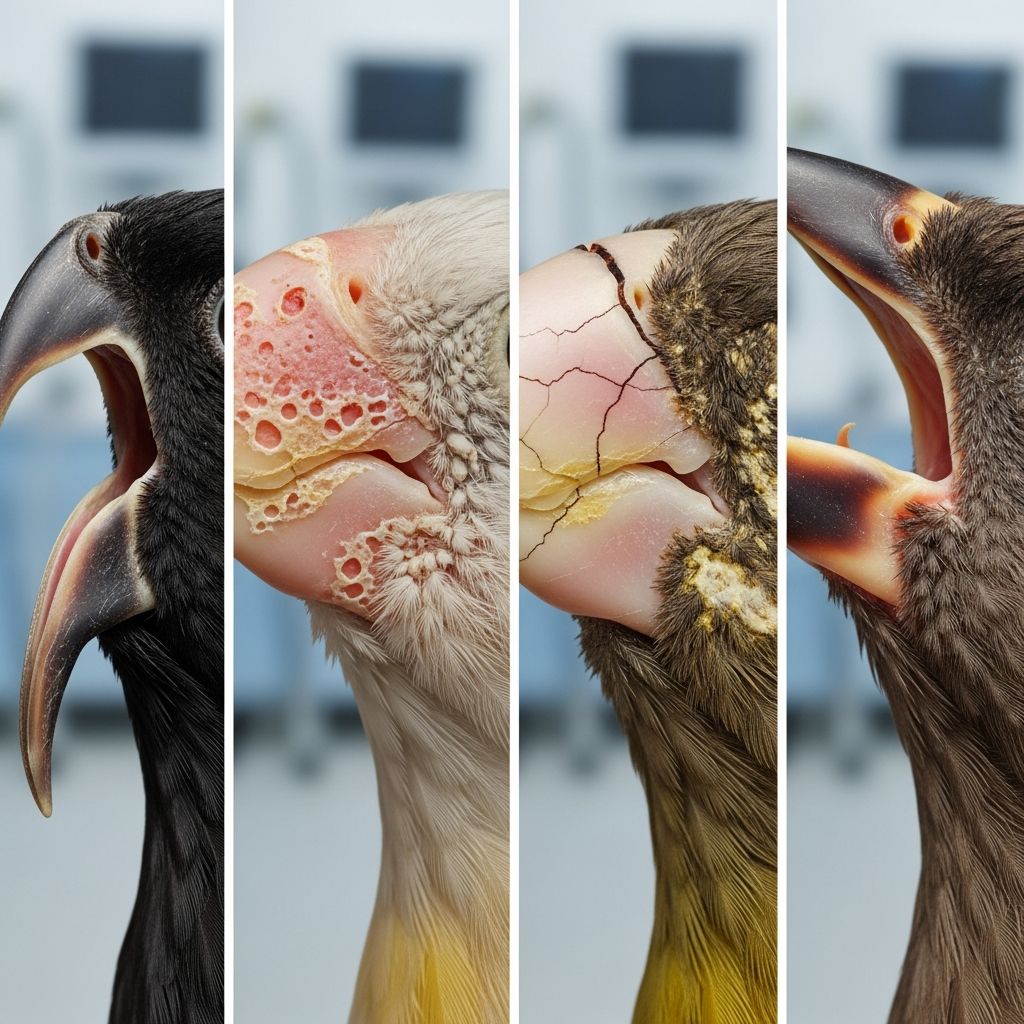
A bird’s beak is one of its most essential and multifunctional tools, playing a critical role in eating, grooming, climbing, and interacting with the environment. When a bird’s beak becomes compromised due to injury, disease, or developmental issues, it can significantly impact the bird’s quality of life and overall health. A wide number of health problems can impact a bird’s beak, either directly or indirectly, and understanding these common issues is vital for every bird owner. The most commonly seen beak health problems by veterinarians include trauma, abnormal beak growth and development, cancer, nutritional deficiencies, and infectious diseases. Each of these conditions requires prompt attention and professional care to ensure the best possible outcome for your feathered companion.
1. Trauma
Beak trauma represents one of the most serious and urgent beak health concerns in pet birds. Birds can injure their beaks through a variety of accidents and incidents that occur both in captivity and during flight. Understanding the causes and recognizing the signs of beak trauma is essential for quick intervention.
Common Causes of Beak Trauma
Beak injuries can occur as a result of several different scenarios:
– Fighting between other birds in shared enclosures- Falling onto hard floors from perches or during flight- Chewing on electric cords or other dangerous materials- Flying into windows, mirrors, or ceiling fans- The beak becoming trapped between cage bars or other structures
Types of Injuries and Severity
Beak trauma can result in various types of injuries, ranging in severity from minor to life-threatening. Fractures to the beak bone, puncture wounds from sharp objects, and avulsions (where the beak becomes partially or completely torn off the face) are all possible outcomes of traumatic incidents. Because the beak contains nerve endings and blood vessels, injuries can be extremely painful and cause significant bleeding.
Beak injuries are almost always emergency situations that require immediate attention from an avian veterinarian. The hemorrhage must be stopped promptly, usually through electrocautery (cauterization), as improper methods like silver nitrate sticks are toxic to birds. Wounds must be cleaned immediately, and antibiotics and anti-fungal medications may need to be administered to prevent secondary infections. Due to the beak’s nerve endings, pain or displacement can make eating and preening extremely difficult or impossible. In some cases, acrylics may be used to repair the beak until new tissue replaces it and the beak heals properly.
2. Abnormal Beak Growth & Development
Some baby birds develop beak abnormalities during their growth phase, leading to long-term complications if left untreated. These developmental issues can affect the bird’s ability to eat, drink, and interact normally with its environment. Understanding the different types of abnormal beak development can help owners identify issues early.
Types of Developmental Abnormalities
There are three primary types of abnormal beak growth and development that commonly affect young birds:
Overgrown Beak
Overgrown beak occurs when either the upper or lower beak grows too long. In the vast majority of cases, the upper beak overgrows the lower beak. This condition can result from genetics, nutritional deficiencies during development, liver disease (especially in budgies), polyomavirus-like infections (particularly in finches), trauma, or developmental abnormalities. For some normal birds, regular beak trimming is necessary throughout their lives. However, other birds naturally maintain proper beak length through eating a hard diet, grooming, climbing, chewing on toys, and rubbing their beaks on slightly abrasive surfaces.
Scissors Beak
Scissors beak is a lateral deviation where the upper beak grows to one side of the lower beak, creating a scissor-like appearance. This developmental abnormality occurs most commonly in cockatoos and macaws. It is thought to be caused by improper temperature during artificial incubation, genetic predisposition, incorrect feeding techniques, calcium deficiency, trauma, or viral or mycobacterial infections. Early identification and intervention are crucial for managing this condition.
Mandibular Prognathism (“Parrot Beak”)
Mandibular prognathism, commonly referred to as “parrot beak,” occurs when the tip of the upper beak rests on or inside the lower beak. This developmental abnormality is most commonly seen in cockatoos. The cause of this condition remains largely unknown, but it may be linked to genetics, improper incubation temperatures, or hand-feeding techniques. Interestingly, this condition is rarely seen in parent-raised birds, suggesting that parent birds may help promote normal beak development by hooking onto the chick’s beak during feeding.
Treatment Options
Many of these developmental conditions can be effectively managed with dental appliances that work similarly to human braces. These devices help straighten out the beak and correct bite abnormalities over time. Early intervention and consistent professional care offer the best prognosis for affected birds.
3. Cancer
Cancer affecting the beak, while less common than other beak disorders, can be a serious health concern in pet birds. Birds can develop cancer on their beaks, primarily presenting as squamous cell carcinoma and melanoma. These cancerous growths can manifest themselves in several ways that bird owners should watch for.
Signs and Symptoms of Beak Cancer
Beak cancer typically presents with visible signs including erosion of the beak surface, discoloration of normally pigmented areas, and the development of masses or lumps on the beak. These symptoms may progress gradually, making regular beak inspections essential for early detection. Any unusual changes in the beak’s appearance should be evaluated by an avian veterinarian promptly.
Prognosis and Treatment
The good news is that if caught early, tumors on the beak can normally be removed surgically. Early detection significantly improves the chances of successful treatment and full recovery. This underscores the importance of routine health checks and vigilant observation of your bird’s beak and overall condition.
4. Nutritional Deficiencies
Proper nutrition is fundamental to maintaining a healthy beak. Nutritional deficiencies can have profound effects on beak health, leading to various problems that may be reversible if addressed promptly through dietary changes.
Impact of Poor Nutrition on Beak Health
Liver disease resulting from excess fat and poor nutrition in the diet can cause both overgrown and scaly beaks. Many pet birds are fed diets that are too high in seeds and fats and too low in essential vitamins and minerals, leading to chronic nutritional imbalances. These deficiencies can manifest in the beak before affecting other body systems.
Specific Nutritional Deficiencies
Lack of calcium and vitamin D can cause soft, rubbery beaks, particularly in smaller birds such as cockatiels. Chronic vitamin A deficiency is also a common underlying cause of poor beak structure and secondary infections. Birds with inadequate nutrition may also develop scaling on the beak surface and increased susceptibility to infections.
Treatment and Prevention
The solution to nutritionally-related beak problems is straightforward: get the bird on a proper, balanced diet. Once nutrition is optimized, these symptoms can usually be reversed over time. A healthy diet should include a variety of vegetables, high-quality pellets, and limited amounts of seeds and nuts. Consulting with an avian veterinarian about your bird’s specific dietary needs is highly recommended.
5. Infectious Diseases
Infectious diseases represent a significant category of beak health problems, with many pathogens capable of directly infecting bird beaks or causing secondary beak problems through systemic infections.
Types of Infections
Many viral, bacterial, parasitic, and fungal pathogens can directly infect bird beaks or infect another part of the bird’s body and cause secondary problems to the bill. Some of the most significant infectious causes of beak problems include:
Scaly Leg and Face Mites
Mites can infest the beak and facial areas, causing scaling, irritation, and secondary infections. These parasites can be transmitted between birds and require prompt veterinary treatment with appropriate acaricides.
Psittacine Beak and Feather Disease (PBFD)
PBFD is a viral disease that affects the beak, feathers, and immune system of parrots and related birds. It can cause severe beak abnormalities, including overgrowth, scaling, erosion, and loss of normal beak structure. This disease is highly contagious between susceptible bird species and currently has no cure, making prevention through quarantine and biosecurity measures essential.
Avian Pox
Avian pox is a viral infection that can cause lesions on the beak and facial areas. These lesions may become secondarily infected with bacteria or fungi, complicating the infection and prolonging recovery.
Fungal Infections
Fungal infections can develop on the beak surface, particularly during periods when the bird is shedding its beak and new, thinner layers are emerging. Fungal infections can erode the beak tissue and protein structures, leading to significant beak damage if not treated promptly with appropriate antifungal medications.
Symptoms of Infectious Beak Disease
Signs that your bird may have an infectious beak disease include visible lesions, scaling, discoloration, erosion, drooling, difficulty eating, and behavioral changes such as head shaking or reluctance to groom. Birds often mask pain and discomfort, so subtle behavioral changes may be the only early warning signs.
Recognizing an Unhealthy Beak
Early recognition of beak problems is crucial for successful treatment. Bird owners should perform daily health checks of their birds, paying special attention to the beak.
Warning Signs to Watch For
– Beak overgrowth or asymmetry (uneven growth)- Cracks, peeling, or softening of the beak- Discoloration or unusual pigmentation changes- Visible masses, lumps, or lesions- Drooling or food buildup around the beak- Changes in eating habits, such as dropping food or slower eating- Head shaking or reluctance to groom- Weight loss or signs of systemic illness
When to Consult an Avian Veterinarian
If you suspect that your bird’s beak is growing unevenly, appears damaged, or shows any signs of infection or disease, consult an avian veterinarian immediately. An avian veterinarian can determine the underlying reason for the problem, perform necessary diagnostics such as radiographs to identify metabolic bone disease or liver issues, and provide appropriate treatment. Early intervention significantly improves the chances of successful recovery and prevents complications from developing.
At-Home Beak Care Tips
While professional veterinary care is essential for treating beak problems, there are several things bird owners can do at home to support beak health:
– Provide a varied, nutritionally balanced diet including fresh vegetables, high-quality pellets, and limited seeds- Offer climbing structures, perches of varying diameters, and safe chewing toys to promote natural beak conditioning- Ensure the cage is spacious and free of hazards that could cause injury- Maintain proper humidity levels (typically 40-60%) to support healthy skin and beak- Avoid exposure to Teflon and other toxic substances that can harm birds- Provide regular veterinary checkups to catch problems early- Monitor your bird’s behavior and appetite daily
Frequently Asked Questions
Q: How often should I have my bird’s beak trimmed by a veterinarian?
A: This depends on the individual bird and species. Some birds maintain their beaks naturally through proper diet and activity, while others may need trimming every few months. Your avian veterinarian can recommend a trimming schedule based on your bird’s specific needs.
Q: Can beak problems affect a bird’s overall health?
A: Yes, absolutely. Since the beak is linked to other body systems, beak disorders can affect a bird’s ability to eat, drink, groom, and interact with its environment, all of which impact overall health and quality of life.
Q: What should I do if my bird’s beak is injured and bleeding?
A: This is an emergency. Contact your avian veterinarian immediately. Do not attempt to stop the bleeding yourself with inappropriate materials. The veterinarian will use proper techniques like electrocautery to safely stop hemorrhage.
Q: Are developmental beak abnormalities hereditary?
A: Many can be, though environmental factors like improper incubation temperature and nutrition also play significant roles. Genetics appear to be involved in scissors beak and mandibular prognathism, which is why breeding affected birds is generally not recommended.
Q: Can nutritional deficiency-related beak problems be reversed?
A: Yes, in many cases. Once your bird is placed on a proper, balanced diet, symptoms like overgrowth, scaling, and soft beaks can usually be reversed over time as new, healthy beak tissue grows.
Q: What diet is best for beak health?
A: A varied diet including high-quality pellets, fresh vegetables, limited fruits, and restricted seeds and nuts supports optimal beak health. Consult your avian veterinarian for species-specific dietary recommendations.
References
- A Healthy Bird Has a Healthy Beak — Del Mar Veterinary Hospital. Accessed 2025. https://delmarvethospital.com/healthy-bird-healthy-beak/
- 5 Common Bird Beak Health Problems — Chewy Education. Accessed 2025. https://www.chewy.com/education/bird/health-and-wellness/5-common-bird-beak-health-problems
- Bird Beak Problems: Healthy vs Unhealthy Bird Beak — Revival Animal Health. Accessed 2025. https://www.revivalanimal.com/learning-center/bird-beak-problems
- Bird Beaks: Disorders and Diseases — Pet Assure. Accessed 2025. https://www.petassure.com/new-newsletters/bird-beaks-disorders-and-diseases/
- Hidden Signs of Beak Problems in Pet Birds: A Vet’s Guide — New Vet Equipment. Accessed 2025. https://newvetequipment.com/blog/bird-owners-avian-dental-problems
Similar Articles








Read full bio of Sneha Tete


