

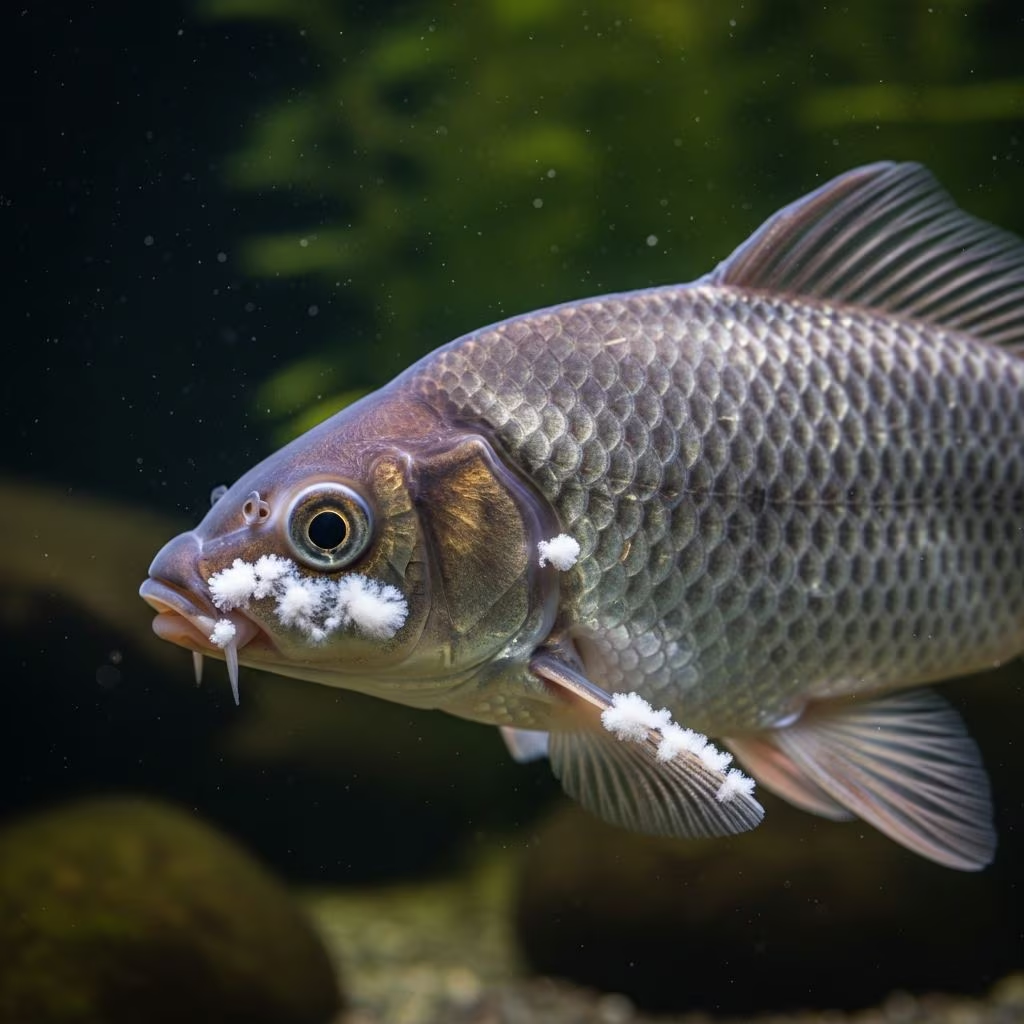
Columnaris disease, frequently mistaken for a fungal issue due to its cotton-like appearance, represents a serious bacterial infection primarily impacting freshwater aquarium fish. Prompt recognition and intervention can save affected fish and safeguard the entire tank population.
Understanding the Nature of Columnaris
This condition arises from Flavobacterium columnare, a bacterium commonly present in aquatic environments and on healthy fish. Under normal circumstances, a fish’s immune defenses keep it in check. However, when stress compromises these defenses, the bacteria proliferate, leading to visible damage.
Unlike true fungal infections, which stem from organisms like Saprolegnia and produce uniformly fluffy growths often with a greenish tint from algae, Columnaris features patches that start pale or white but may develop frayed edges or reddish inflammation. Microscopic analysis confirms the bacterial nature, distinguishing it from fungi.
Recognizing Early Warning Signs
Early detection hinges on observing subtle behavioral and physical changes. Affected fish often display:
- White or grayish, fuzzy patches on skin, fins, gills, or mouth areas
- Progressive fin fraying or erosion, sometimes with red borders
- Lethargy, hovering near the surface, or reduced swimming vigor
- Appetite loss, leading to weight decline
- Rapid gill movement or flashing against tank surfaces
These symptoms can escalate quickly, potentially causing respiratory distress or sudden mortality if gills become involved.
Factors Triggering Bacterial Overgrowth
Columnaris thrives opportunistically, exploiting vulnerabilities created by suboptimal conditions. Key triggers include:
- Elevated ammonia, nitrite, or unstable pH levels from inadequate filtration or overfeeding
- Abrupt temperature drops below optimal ranges for species like tropical fish
- High stocking density causing aggression, poor oxygen circulation, and waste buildup
- Recent additions of unquarantined fish carrying higher bacterial loads
- Physical injuries from sharp decorations or nips during territorial disputes
Reviewing tank history—such as recent cleanings, feedings, or parameter tests—helps pinpoint the stressor.
Differentiating from Similar Conditions
| Condition | Primary Cause | Key Visual Traits | Common Sites |
| Condition | Primary Cause | Key Visual Traits | Common Sites |
|---|---|---|---|
| Columnaris | Bacteria (Flavobacterium columnare) | Cottony patches with fraying, red edges | Fins, skin, mouth, gills |
| True Fungal (Saprolegnia) | Fungus | Fluffy white/green growths, uniform | Injured areas, body flanks |
| Fin Rot (advanced) | Mixed bacteria (Aeromonas, Pseudomonas) | Ragged fins, white edges, red veins | Fin and tail edges |
| Ich (White Spot) | Parasite (Ichthyophthirius) | Distinct white spots, rubbing behavior | Body, gills |
This table clarifies distinctions; for instance, fungal growths rarely fray fins, while Columnaris often leads to tissue degradation.
Immediate Response Protocols
Upon spotting symptoms, isolate the fish in a quarantine tank matching the main tank’s parameters to halt spread. Prepare a hospital tank with fresh, dechlorinated water, a heater, sponge filter, and airline for oxygenation.
Water Quality Optimization
Test for ammonia (0 ppm), nitrites (0 ppm), nitrates (<20 ppm), and pH stability. Execute 25-50% water changes daily, using conditioner to neutralize chlorine. This alone can resolve mild cases by reducing bacterial fuel.
Temperature Adjustment
Gradually raise temperature to 78-82°F (26-28°C) over 12-24 hours, as heat inhibits bacterial replication without shocking the fish.
Salt Therapy
Incorporate 1 teaspoon of non-iodized aquarium salt per 5 gallons, dissolving fully before adding. Salt osmoregulates bacterial cells and eases fish stress. Monitor species tolerance—avoid with scaleless fish like Corydoras.
Targeted Medication Strategies
For moderate to severe infections, employ antibacterial agents. Effective options include:
- Kanamycin-based antibiotics: Target gram-negative bacteria like Flavobacterium
- Nitrofurazone preparations: Disrupt bacterial metabolism
- Combination formulas with malachite green (use cautiously, per instructions)
Dose precisely, treating the quarantine tank only. Combine with improved water parameters for synergy. Continue for 7-10 days or until patches recede, then perform water changes to remove residues.
Caution: Overmedication harms beneficial bacteria; follow labels and avoid mixing incompatible drugs.
Long-Term Prevention Blueprint
Prevention surpasses treatment through proactive husbandry:
- Quarantine New Arrivals: Observe newcomers for 2-4 weeks in isolation.
- Weekly Maintenance: 20-30% water changes, gravel vacuuming, filter rinsing in tank water.
- Balanced Nutrition: Varied diet with high-quality flakes, frozen foods, and occasional veggies to bolster immunity.
- Optimal Stocking: Adhere to 1 inch of fish per gallon rule, accounting for adult sizes.
- Regular Monitoring: Daily visual checks and bi-weekly parameter tests.
These measures fortify fish resilience against opportunistic pathogens.
Species-Specific Considerations
While universal, Columnaris impacts vary: Goldfish tolerate salt well, tetras require gentler dosing, and livebearers benefit from stable warmth. Research per species for tailored care.
FAQs on Columnaris Management
Q: Can Columnaris affect saltwater fish?
A: Primarily a freshwater issue; marine equivalents involve different bacteria.
Q: Is it contagious to humans?
A: No, it’s fish-specific and poses no zoonotic risk.
Q: How long until improvement post-treatment?
A: Visible recovery in 3-5 days; full healing in 1-2 weeks with consistent care.
Q: Can natural remedies suffice?
A: Indian almond leaves or alder cones offer mild antibacterial aid, but severe cases need pharmaceuticals.
Q: What if treatment fails?
A: Euthanasia may be humane for advanced gill involvement; consult a vet for confirmation.
Advanced Tank Recovery Post-Outbreak
After treatment, sterilize equipment with a mild bleach solution (1:20 dilution, rinsed thoroughly). Cycle the main tank anew if beneficial bacteria crashed. Introduce fish gradually, monitoring vigilantly.
In multi-tank setups, treat all systems preventively if spread is suspected, prioritizing water quality universally.
References
- Cotton Wool Disease in Freshwater Fish — Dial A Vet. 2023. https://www.dialavet.com/blog/cotton-wool-disease-in-freshwater-fish
- Columnaris Fish Disease Spotlight and Treatment — Hygger. 2024. https://www.hygger-online.com/columnaris-fish-disease-spotlight-and-treatment/
- Cotton Wool Disease aka Columnaris in Fish — CA Fish Vet. 2023. https://cafishvet.com/fish-health-disease/cotton-wool-disease-aka-columnaris-in-fish/
- Fluffy, white cotton wool-like growths on skin — NT Labs. 2024. https://www.ntlabs.co.uk/diagnose/koi-fish/fluffy-white-cotton-wool-like-growths-on-skin/
- Aquarium Fish Diseases with Pictures — Green Aqua. 2023. https://greenaqua.hu/en/blog/post/aquarium-fish-diseases-with-pictures



