

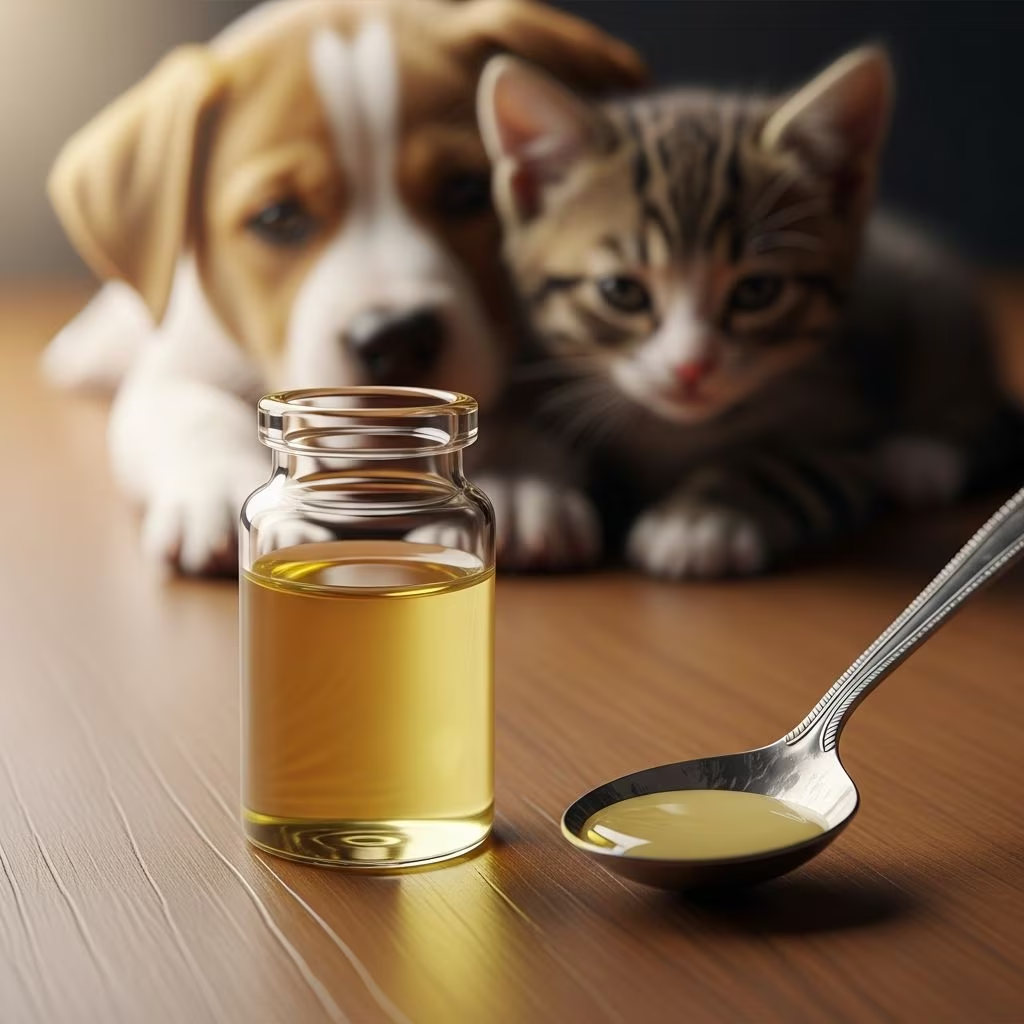
Understanding Colostrum: The First Milk Your Pet Needs
Colostrum is the nutrient-dense first milk produced by mother animals in the days immediately following birth. This specialized milk serves as nature’s perfect starter formula for newborn pets, providing essential components that support survival, growth, and long-term health. Whether you’re raising puppies, kittens, or other young animals, understanding colostrum’s role is fundamental to ensuring optimal development during the critical neonatal period.
The importance of colostrum cannot be overstated in veterinary medicine and animal husbandry. Research consistently demonstrates that animals receiving adequate colostrum within the first few hours of birth experience significantly better health outcomes, increased survival rates, and improved long-term performance. For pet owners and breeders, recognizing the value of this first milk and ensuring proper colostrum intake is one of the most impactful decisions you can make for your young animals.
What Is Colostrum and Why It Matters
Colostrum is distinctly different from regular milk that follows during the lactation cycle. This specialized secretion is produced immediately after birth and continues for the first few days of nursing. Colostrum is exceptionally high in protein and contains concentrated levels of vital immune components that newborn animals cannot produce on their own.
The primary difference between colostrum and mature milk lies in its composition and biological activity. Colostrum contains significantly higher concentrations of immunoglobulins, particularly IgG (immunoglobulin G), which are antibodies that provide passive immunity to newborns. These maternal antibodies offer protection against infectious diseases and pathogens that the mother has encountered during her lifetime, effectively giving the newborn animal a head start in fighting off infections.
Beyond antibodies, colostrum is rich in nutrients, enzymes, growth factors, and bioactive compounds that stimulate postnatal growth and development. This nutritional powerhouse helps establish healthy gut function, promotes tissue development, and provides energy during the critical transition from fetal to independent life.
The Role of Maternal Antibodies in Newborn Protection
Immediately after birth, mother animals produce colostrum that is abundant with maternal antibodies. These protective proteins represent the accumulated immune memory of the mother throughout her lifetime. For newborn puppies and kittens, these maternal antibodies are critical because newborns are born with immature immune systems unable to mount effective responses against pathogens.
The transfer of these maternal antibodies through colostrum is called passive immunity. During the first 24 hours after birth, the newborn’s intestinal tract is uniquely permeable to large protein molecules, allowing immunoglobulins to cross directly into the bloodstream through a process called absorption. This window of opportunity is limited and decreases dramatically after the first day of life, which is why feeding colostrum as early as possible is essential.
Maternal antibodies provide temporary but crucial protection against major infectious diseases, including canine and feline viral infections, bacterial pathogens, and other common threats. This protection typically lasts several weeks to a few months, providing a safety net during the vulnerable neonatal and early weaning periods.
Key Components of Colostrum
Colostrum contains multiple essential components that work synergistically to support newborn health:
Immunoglobulins and Antibodies
The most critical component of colostrum is its high concentration of immunoglobulins, particularly IgG. These antibodies provide the foundation of passive immunity and protection against infectious agents. Quality colostrum typically contains substantially higher IgG levels than mature milk produced later in lactation.
Proteins and Amino Acids
Colostrum is exceptionally high in protein content, essential for tissue development, muscle growth, and enzyme production in newborns. The amino acid profile in colostrum is specifically suited to support rapid growth and development during the critical neonatal period.
Nutrients and Growth Factors
Colostrum contains concentrated levels of vitamins, minerals, and growth factors that promote healthy development. These include factors that support intestinal health, enhance nutrient absorption, and stimulate overall growth.
Bioactive Compounds
Beyond traditional nutritional components, colostrum contains specialized compounds with anti-inflammatory, antimicrobial, and immunomodulatory properties that further support newborn health and survival.
The Critical Timing of Colostrum Feeding
The timing of colostrum intake is absolutely critical to its effectiveness. Research demonstrates that the sooner a newborn animal receives colostrum after birth, the better the outcomes for immune protection and overall health.
Ideally, all newborn puppies and kittens should receive colostrum within the first two to four hours after birth. The intestinal lining of newborns becomes progressively less permeable to large molecules like immunoglobulins during the first day of life. After approximately 24 hours, the window for absorption of colostral antibodies closes significantly, and the newborn’s gut develops its normal selective permeability barriers.
Delaying colostrum feeding reduces its protective effectiveness. Studies show that even modest delays in colostrum delivery result in decreased IgG absorption and reduced passive immunity. This is why providing colostrum quickly and efficiently is one of the most important immediate actions in neonatal pet care.
Colostrum Quality and Its Impact on Health
Not all colostrum is equal in quality or protective value. The concentration of IgG and other immune components varies between individual animals and depends on multiple factors including the mother’s health status, nutrition, age, and prior exposure to pathogens.
High-quality colostrum should be clean, free from bacterial contamination, and contain sufficient concentrations of immune components. Colostrum that is contaminated with bacteria can actually harm newborns by introducing pathogens during the critical early period when immunity is developing.
The quality of colostrum directly affects its protective benefits. Poor-quality colostrum, even if fed in adequate volumes, may not provide sufficient immune protection. This is why ensuring access to high-quality maternal colostrum from healthy mothers is preferable to relying on supplements or replacers alone.
Benefits of Adequate Colostrum Intake
The benefits of ensuring adequate colostrum intake extend far beyond the immediate neonatal period:
Short-Term Health Protection
Newborns receiving sufficient colostrum experience reduced rates of infectious disease, diarrhea, and other health complications during the critical first weeks of life. This immediate protection is invaluable in preventing neonatal mortality and morbidity.
Improved Growth and Development
Animals that receive adequate colostrum show improved rates of weight gain, better overall development, and more robust physical condition compared to those with inadequate colostrum intake.
Long-Term Health Advantages
The benefits of good colostrum management extend well beyond the neonatal period. Research demonstrates reduced mortality in the post-weaning period, improved vaccine response, reduced age at reproductive maturity, and better overall long-term health in animals that received adequate colostrum as newborns.
Enhanced Immune Function
Passive immunity from colostrum provides critical protection until the newborn’s own immune system matures and begins producing antibodies. This bridge period is essential for survival during the most vulnerable life stage.
Colostrum Supplements and Replacers
In situations where adequate maternal colostrum is unavailable—such as when caring for orphaned animals, when a mother cannot produce sufficient colostrum, or when disease prevention is desired—colostrum supplements and replacers can serve as valuable alternatives.
Colostrum-based supplements available today are manufactured from dried bovine colostrum and contain approximately 40 to 60 grams of IgG per dose with globulin protein levels between 9 to 13 percent. These products can help increase the amount of IgG fed to newborns when maternal colostrum supplies are limited or unavailable.
However, it is important to recognize that colostrum supplements and replacers, while valuable tools, cannot fully replicate the benefits of high-quality maternal colostrum. Maternal colostrum remains the gold standard because it contains not only immunoglobulins but also specialized leukocytes, enzymes, and other bioactive compounds that may offer additional benefits. When maternal colostrum is available and of good quality, it should be the first choice for newborn animals.
Special Considerations for Orphaned Pets
Orphaned puppies and kittens face unique challenges because they lack access to maternal colostrum. If possible, orphaned newborns should receive at least some maternal colostrum, preferably within the first few hours of life, even if they cannot be raised by their biological mother.
In cases where maternal colostrum cannot be provided, commercial colostrum supplements or replacers become essential components of the care regimen. Additionally, orphaned animals often require carefully planned vaccination schedules to ensure adequate protection develops as maternal antibody levels decline. Veterinarians can recommend specific colostrum products and feeding protocols tailored to orphaned animals’ unique needs.
Premature and At-Risk Newborns
Premature or compromised newborns have an even greater need for adequate colostrum intake. These vulnerable animals benefit tremendously from receiving their mother’s first milk, which is rich in antibodies and protective compounds. Early intervention to ensure colostrum feeding in at-risk newborns can mean the difference between survival and death during the critical neonatal period.
Monitoring Colostrum Adequacy
Determining whether newborn pets have received adequate colostrum can be challenging but is important for ensuring optimal health outcomes. Veterinarians use various methods to assess passive immunity, including measuring serum protein levels and immunoglobulin concentrations. These assessments help identify newborns at risk for inadequate passive immunity so that supplemental colostrum or other interventions can be provided.
Observing newborn behavior, growth rate, and health status provides practical indicators of adequate colostrum intake. Healthy newborns that received adequate colostrum typically show vigorous nursing behavior, steady weight gain, appropriate energy levels, and absence of gastrointestinal distress.
Frequently Asked Questions About Colostrum
Q: How long does maternal immunity from colostrum last?
A: Maternal antibodies from colostrum typically provide protection for several weeks to a few months, depending on the specific antibody type and the pathogen involved. This period allows the newborn’s own immune system time to mature and begin producing antibodies before maternal protection wanes.
Q: Can I give my orphaned kitten or puppy colostrum replacement if maternal colostrum isn’t available?
A: Yes, colostrum supplements and replacers are valuable alternatives when maternal colostrum is unavailable. However, they should be given as early as possible after birth, ideally within the first few hours of life, to maximize absorption benefits.
Q: Is there a difference between colostrum and regular formula for bottle-feeding orphaned pets?
A: Yes, colostrum is specifically beneficial for immune protection and contains higher protein and nutrient content than regular formula. For optimal health in orphaned newborns, starting with colostrum followed by appropriate commercial formula is ideal.
Q: What if my pet didn’t receive colostrum immediately after birth?
A: While immediate colostrum intake is ideal, delayed feeding is better than no colostrum at all. Provide colostrum as soon as possible, even if birth was several hours prior. Additionally, work with your veterinarian to implement additional health monitoring and vaccination protocols as needed.
Q: Are there any risks associated with colostrum supplements?
A: High-quality colostrum supplements are generally safe when provided appropriately. However, ensure products come from reputable sources and are free from bacterial contamination. Always follow veterinary guidance regarding appropriate dosing and administration.
References
- Colostrum Collection and Handling, Usage of Refractometer — Cornell University College of Veterinary Medicine. 2010. https://www.vet.cornell.edu/animal-health-diagnostic-center/programs/nyschap/modules-documents/colostrum-collection-and-handling-usage-refractometer
- Colostrum Management for Dairy Calves — PubMed Central/National Center for Biotechnology Information. 2020. https://pmc.ncbi.nlm.nih.gov/articles/PMC7125574/
- Feeding Orphaned Puppies — VCA Animal Hospitals. https://vcahospitals.com/know-your-pet/feeding-orphaned-puppies
- Thiamine Colostrum LTheanine LTryptophan — VCA Animal Hospitals. https://vcahospitals.com/know-your-pet/thiamine-colostrum-ltheanine-ltryptophan
- Raising Puppies — VCA Animal Hospitals. https://vcahospitals.com/know-your-pet/puppy-raising
- Feeding Orphaned Kittens — VCA Animal Hospitals. https://vcahospitals.com/know-your-pet/feeding-orphaned-kittens



