

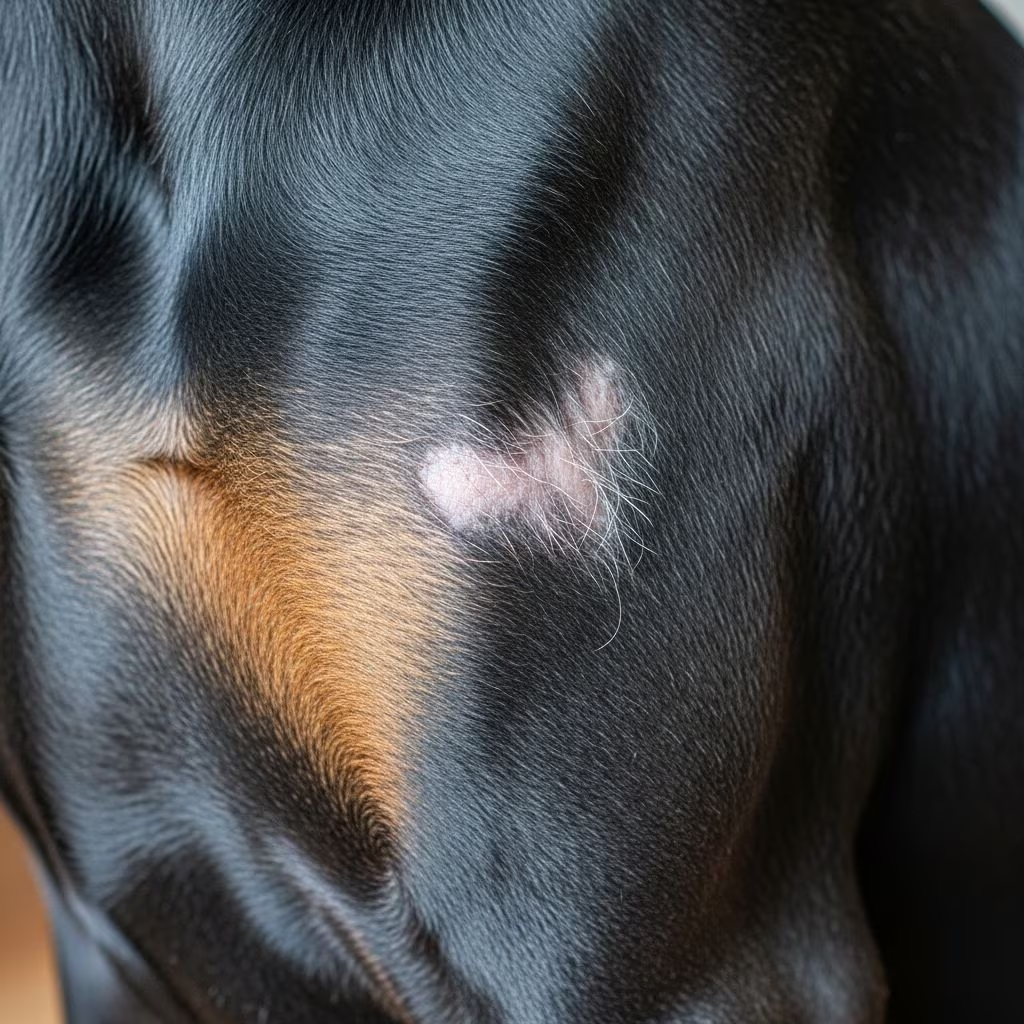
Understanding Color Dilution Alopecia in Dogs
Color dilution alopecia (CDA), also known as blue dog disease or color mutant alopecia, is a genetic, recessive inherited condition that affects dogs with dilute coat colorations. This hereditary skin disorder causes progressive hair loss and thinning, particularly in areas of the coat with diluted pigmentation. While CDA is considered relatively uncommon in the general canine population, it represents one of the most commonly diagnosed hereditary dermatological conditions in veterinary practice. Understanding this condition is essential for dog owners, especially those with breeds prone to developing CDA.
What Is Color Dilution Alopecia?
Color dilution alopecia is a genetic disorder that causes patches of hair thinning or complete hair loss in dogs with dilute coat colors. The condition may also include flaky and itchy skin in affected areas. Dogs with CDA are typically born with a normal-looking hair coat, and clinical signs may begin to manifest at around six months of age or later, sometimes not appearing until the dog reaches three years of age.
The condition is most commonly observed in dogs with blue or fawn coat colors. Blue coats represent a dilution of the black pigment, while fawn coats (also known as Isabella) represent a dilution of liver or chocolate-colored coats. Although CDA has been historically most recognized in blue Doberman Pinschers, who are often the most severely affected, the condition has been documented in many other breeds including German Shepherd Dogs and can potentially affect any breed with dilute coat colors.
Genetic Causes and Mechanisms
CDA is primarily caused by genetic factors involving the MLPH gene and dilution alleles that affect pigmentation. Dogs with dilute coat colors carry a recessive gene that leads to the dilution of pigments in their skin, coat, and eyes. This genetic anomaly creates a defective transfer of melanin to the hair follicle, resulting in melanin clumps that accumulate in the hair shafts and follicles.
These melanin clumps create weak spots in the hair structure, resulting in easily broken or fractured hairs. The genetic anomaly fundamentally alters the structure and function of a dog’s hair follicles at the microscopic level. The structural abnormalities of hair follicles and hair shafts induced by this pigmentation defect are considered permanent, and there is currently no treatment capable of correcting the underlying genetic defect or restoring normal follicular structure and function.
It is important to note that while MLPH variants confirm the predisposition linked to dilution, they do not definitively predict the onset of alopecia. Not all dogs with blue or fawn coats will develop CDA, and the frequency of the condition varies significantly within affected breeds.
Symptoms and Clinical Presentation
The symptoms of color dilution alopecia develop gradually and typically follow a characteristic progression. The earliest clinical indicators involve changes in coat quality in areas of dilute color, which owners may notice before significant hair loss occurs.
Early Signs
The initial modifications of coat quality represent the first sign of CDA. The affected hair loses its natural luster, becoming dull, dry, and brittle. The coat may develop a “moth-eaten” appearance or present with diffuse thinning. Remaining hair shafts often feel rough to the touch and break easily under minor trauma such as rubbing or brushing.
Progressive Hair Loss
Progressive hair thinning, known as hypotrichosis, eventually develops, followed by more extensive alopecia. Hair loss typically appears first on the lateral aspects of the trunk and tends to affect both sides of the body symmetrically. The trunk is mainly affected, while areas with non-dilute coloration are generally spared.
Secondary Skin Complications
As the condition progresses, dogs may develop additional skin complications. These can include scaly or flaky skin in balding areas, small bumps (papules), or pustules (pimples) associated with secondary bacterial skin infections. Some dogs with CDA experience itching or pruritus that may require management. In some cases, affected dogs may develop pyoderma or other secondary bacterial infections that need treatment.
Affected Breeds and Predisposition
While CDA has been most commonly and severely documented in blue Doberman Pinschers, the condition can occur in any dog breed with dilute coat colors. Dilute coat colors exist across multiple breeds and color variations, including blue, gray, fawn, reddish, and other color dilutions.
The prevalence and severity of CDA vary significantly within affected breeds. Some breeds with dilute coat colors rarely develop the condition, while others show higher rates of expression. This variation suggests the involvement of additional genetic modifiers and possibly environmental factors that influence disease development.
Impact on Overall Health
One important consideration for dog owners is that color dilution alopecia does not negatively impact the dog’s overall health status or quality of life beyond cosmetic concerns. CDA is classified as a cosmetic disorder that affects appearance rather than systemic health. Dogs with CDA maintain normal internal organ function and general health.
However, owners should be aware that secondary skin conditions may develop and require treatment. The primary health concerns related to CDA involve managing skin-specific issues such as dryness, scaling, bacterial infections, and itching rather than systemic complications.
Diagnosis of Color Dilution Alopecia
Proper diagnosis of CDA requires veterinary expertise and typically involves ruling out other causes of hair loss before confirming the condition. The diagnostic process incorporates several approaches and considerations.
Clinical Evaluation
Veterinarians begin by considering the dog’s breed and coat coloration, along with a thorough examination of the pattern and distribution of hair loss. The characteristic distribution of lesions, with the trunk mainly affected and non-dilute areas spared, provides important diagnostic clues. The chronological progression of symptoms—beginning with altered coat quality, followed by progressive hair thinning, then alopecia, and potentially followed by cutaneous complications—helps differentiate CDA from other dermatological conditions.
Microscopic Examination
Hair visualization under a microscope, known as trichography, reveals characteristic abnormalities supportive of CDA. Trichograms show pigment clumping and hair shaft abnormalities that are distinctive of the condition. These microscopic findings can help confirm diagnosis when combined with clinical presentation.
Skin Biopsy
Skin biopsy is another diagnostic tool that may be utilized. Histopathological examination shows abnormal hair shafts and distorted hair follicles that are full of keratin and melanin. This test can provide definitive confirmation of CDA.
Ruling Out Other Conditions
It is necessary to rule out other causes of hair loss such as hormonal disorders (hypothyroidism, Cushing’s disease), allergies, parasitic infections, and other dermatological conditions before confirming a CDA diagnosis. This differential diagnosis process ensures accurate identification of the underlying cause.
Management and Treatment Options
While color dilution alopecia is not curable, it is straightforward to manage with appropriate care. The goal of treatment is not to cure the genetic condition but rather to manage symptoms, maintain skin health, and prevent or treat secondary complications. Management is essentially symptomatic and focuses on improving cutaneous comfort and quality of life.
Topical Therapies
Topical products form the cornerstone of CDA management. Regular use of adapted topical products helps control symptoms and maintain skin health. Treatment options include:
- Medicated shampoos such as keratomodulating and emollient shampoos that control keratoseborrheic states and help maintain adequate hydration of the skin and coat
- Shampoos containing sulfur and salicylic acid that may be helpful in reducing follicular plugging
- Topical rinses and ointments to manage dry skin, scaling, and superficial infections
- Moisturizing products to help manage dryness and improve skin barrier function
Oral Medications
Oral medications may be prescribed when needed to address specific complications. Treatment options include:
- Antibiotics to treat secondary bacterial skin infections, particularly recurrent bacterial pyodermas that may develop
- Anti-inflammatory drugs to manage inflammation and discomfort
- Melatonin that has shown limited but sometimes helpful effects in stimulating partial hair regrowth in some dogs
- Retinoids (synthetic vitamin A) that may help stimulate partial hair growth in some cases
- Vitamin A supplementation as part of nutritional support
Nutritional Support
Nutritional recommendations are often made to maximize skin health in the face of CDA. Important nutritional considerations include:
- Omega-3 fatty acid supplements to help improve skin and coat health and reduce the severity of CDA symptoms
- Essential fatty acids to support skin barrier function and overall skin health
- Vitamin E and antioxidants to support skin health and reduce oxidative stress
Environmental Management
Dogs with CDA require protection from environmental factors that may aggravate their skin condition. Important considerations include:
- Temperature control to protect from extreme heat and cold that can worsen skin issues
- Avoidance of harsh grooming products that can further damage the skin and coat
- Use of gentle brushes instead of abrasive tools that can worsen hair breakage
- Protection from harsh environmental conditions that may aggravate skin problems
Prognosis and Long-term Outlook
The prognosis for color dilution alopecia presents a mixed picture. Although the prognosis for normal hair regrowth is generally poor, this is important context: CDA is classified as a cosmetic disorder that does not interfere with the affected pet’s quality of life or overall health status. Dogs with CDA can live normal, healthy lives with appropriate management.
With proper symptomatic treatment and management, most dogs with CDA maintain good quality of life and remain comfortable. The condition itself does not shorten lifespan or cause systemic health problems. Management focuses on maintaining skin comfort, preventing secondary infections, and addressing any itching or discomfort that may occur.
Breeding Considerations and Prevention
Since color dilution alopecia is a genetic disorder, prevention involves responsible breeding practices. Dogs with CDA, their parents, and their siblings should not be used in breeding programs to prevent passing this genetic condition to future generations.
Prevention through responsible breeding strategies includes genetic screening of breeding stock for dilution alleles of the MLPH gene and phenotypic selection to reduce the incidence of CDA in predisposed breeds. Breeders who are aware of CDA can make informed decisions about which dogs to breed, helping reduce the prevalence of this condition in future generations.
Frequently Asked Questions
Q: At what age does color dilution alopecia typically appear?
A: Clinical signs of CDA typically begin to manifest at around six months of age, though symptoms may not appear until the dog is three years old or older. Puppies with CDA are born with a normal-looking hair coat.
Q: Is color dilution alopecia painful for my dog?
A: CDA itself is not typically painful, though some dogs may experience itching. The hair loss is a cosmetic issue that does not affect the dog’s overall health. Secondary skin infections or complications may cause discomfort requiring treatment.
Q: Can color dilution alopecia be cured?
A: No, there is currently no cure for color dilution alopecia. Treatment is focused on managing symptoms and maintaining skin health through topical therapies, oral medications when needed, and environmental management.
Q: Which breeds are most commonly affected by CDA?
A: Blue Doberman Pinschers are most commonly and severely affected. However, CDA can occur in any breed with dilute coat colors, including German Shepherd Dogs and other breeds with blue, fawn, gray, or other dilute colorations.
Q: What should I do if my dog shows signs of color dilution alopecia?
A: Contact your veterinarian for proper diagnosis and to rule out other causes of hair loss. Your veterinarian can develop an appropriate management plan involving topical treatments, nutritional support, and other strategies to keep your dog comfortable.
References
- Color Dilution Alopecia in Dogs — VCA Animal Hospitals. 2024. https://vcahospitals.com/know-your-pet/color-dilution-alopecia-in-dogs
- Color Dilution Alopecia (CDA) in Dogs — Vancouver Vet. 2024-07-15. https://www.columbiarivervet.com/site/blog/2024/07/15/color-dilution-alopecia-dogs
- Color Dilution Alopecia — Animal Allergy & Dermatology of Colorado. https://animalallergycolorado.com/animal-disease-index/color-dilution-alopecia
- Color Dilution Alopecia in Dogs: Genetic Causes and Management — DermaVet. https://pro.dermavet.com/color-dilution-alopecia-in-dogs-genetic-causes-and-management/
- Understanding and Treating Canine Alopecic Dermatoses — Today’s Veterinary Practice. https://todaysveterinarypractice.com/dermatology/understanding-and-treating-canine-alopecic-dermatoses/
- Hereditary Alopecia and Hypotrichosis in Animals — Merck Veterinary Manual. https://www.merckvetmanual.com/integumentary-system/congenital-and-inherited-anomalies-of-the-integumentary-system/hereditary-alopecia-and-hypotrichosis-in-animals



