

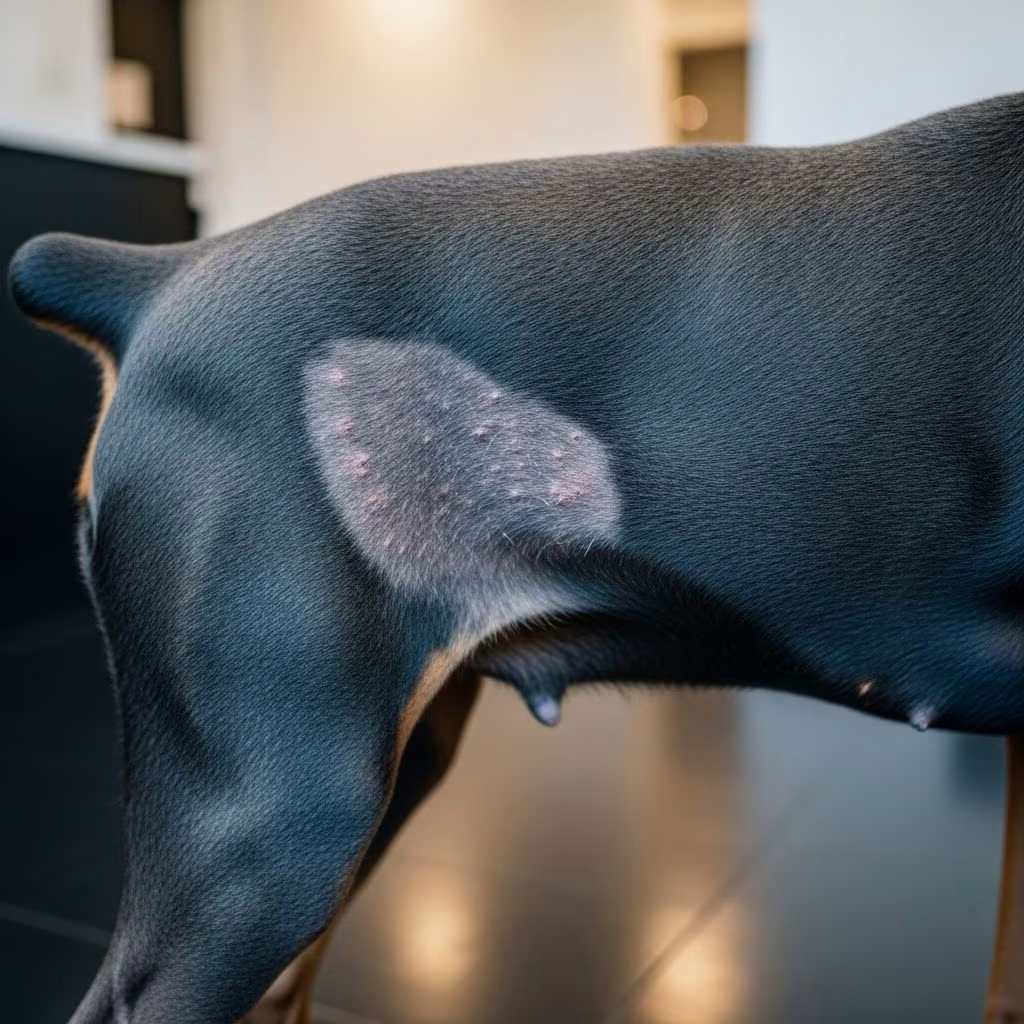
Color dilution alopecia (CDA), sometimes called blue dog disease, is a genetic skin disorder primarily affecting dogs with diluted coat colors such as blue, fawn, or Isabella. This condition leads to progressive hair thinning and loss, often starting in puppyhood, but it does not impact overall health or lifespan. Puppies typically appear normal at birth, with symptoms emerging around six months to young adulthood as hair follicles weaken due to melanin distribution issues.
The Genetic Roots of CDA
At its core, CDA stems from a recessive gene responsible for diluting coat pigments. Black pigment lightens to blue or gray, while chocolate or liver turns to fawn or Isabella shades. This dilution disrupts melanin transfer to hair shafts, causing clumping that weakens the hair structure. Not every dog with a dilute coat develops CDA; it depends on genetic expression, with severity varying widely.
Research indicates this melanin clumping creates fragile hair shafts prone to breakage and poor regrowth. Follicles may fill with keratin and melanin fragments, leading to occlusion and potential secondary issues. The condition is inherited recessively, meaning both parents must carry the gene for offspring to be at risk.
Breeds Most Commonly Impacted
Certain breeds with selective breeding for dilute colors show higher prevalence. Doberman Pinschers, especially blue varieties, are the most frequently affected, often experiencing severe hair loss on the trunk. Other breeds include:
- Labrador Retrievers (silver factor)
- Yorkshire Terriers
- Chow Chows (blue or red dilute)
- Italian Greyhounds
- Whippets and Great Danes with blue coats
- Any breed pursuing dilute phenotypes like fawn Pugs or Isabella French Bulldogs.
Breeders pursuing these aesthetics inadvertently propagate the gene, though not all dilute-coated dogs in these lines develop symptoms.
Recognizing the Signs and Symptoms
Early detection hinges on observing coat changes. Initial signs include a dull, dry coat with sparse fur on ears, tail, and back, progressing to patchy baldness. Common symptoms encompass:
- Thinning or complete hair loss in dilute-colored areas
- Scaly, flaky skin without primary itchiness
- Small follicular papules or comedones
- Broken, stubbly hairs
- Secondary bacterial infections causing folliculitis or red bumps.
Skin remains normal otherwise, with no systemic illness. Itching arises mainly from infections, not the primary disorder. Progression can take years, from mild thinning to near-total alopecia in affected zones.
Diagnostic Approaches for Accurate Identification
Veterinarians diagnose CDA through clinical evaluation and exclusion of mimics like hypothyroidism or allergies. Key steps include:
| Method | Description | Purpose |
|---|---|---|
| Physical Exam | Assess coat pattern, focusing on symmetric trunk loss in dilute areas | Identify characteristic distribution |
| Trichogram | Microscopic hair shaft exam | Reveal melanin clumping and fractures |
| Skin Biopsy | Histopathology of follicles | Confirm distorted follicles with keratin/melanin plugs |
| Blood Tests | Rule out endocrine disorders | Exclude hormonal alopecia |
Biopsy is definitive, showing abnormal shafts and follicles. Early diagnosis prevents complications like recurrent infections.
Management and Treatment Strategies
No cure exists for CDA, as it’s genetic, but symptom management improves comfort and appearance. Focus on skin health and preventing secondary problems:
- Topical Care: Medicated shampoos with chlorhexidine or benzoyl peroxide for cleansing; moisturizing rinses reduce scaling.
- Supplements: Omega-3 fatty acids (fish oil) promote coat quality and reduce inflammation.
- Antibiotics/Antifungals: For infections, using cephalexin or topical mupirocin.
- Anti-Inflammatories: Short-term steroids if needed, cautiously.
- Environmental Adjustments: Avoid extreme weather; gentle brushing prevents matting.
Regular vet monitoring adjusts plans. Melatonin or growth stimulants show anecdotal benefits but lack robust evidence. Prognosis for hair regrowth is poor, yet it’s cosmetic with good quality of life.
Preventing CDA Through Responsible Breeding
Prevention is ideal via genetic screening. Labs offer dilute gene tests (e.g., MLPH mutation in some breeds). Avoid breeding affected dogs or known carriers. Educate breeders on risks of dilute colors:
- Test sires and dams before pairing
- Prioritize health over rare phenotypes
- Track pedigrees for CDA history
Organizations like the Orthopedic Foundation for Animals provide resources. Public awareness reduces incidence.
Living with a Dog Affected by CDA
Dogs with CDA thrive with proper care. Owners report minimal lifestyle impact beyond grooming. Provide soft bedding, hypoallergenic diets, and routine skin checks. Cosmetic options like clipping even the coat or dog sweaters offer aesthetic relief in winter. Monitor for infections via monthly baths and prompt vet visits. Emotional support for owners addresses cosmetic concerns, emphasizing health over looks.
Long-term, affected dogs maintain energy, appetite, and playfulness. Success stories from Dobermans and Labs highlight resilience with diligent management.
Frequently Asked Questions (FAQs)
Is color dilution alopecia painful for dogs?
Typically not, unless secondary infections cause itch or inflammation. Primary CDA is asymptomatic.
Can CDA be cured?
No, but managed effectively for comfort.
Does CDA affect all dilute-coated dogs?
No, only those expressing the full genetic effect.
Is there a test for CDA carriers?
Yes, genetic panels detect dilute alleles in breeds like Dobermans.
How do I groom a dog with CDA?
Gently with soft brushes and medicated products; avoid over-bathing.
References
- Color Dilution Alopecia in Dogs – CDA Causes & Treatments — Friendly Animal Clinic. 2023-10-31. https://www.greensboroncvet.com/site/friendly-animal-clinic-blog/2023/10/31/color-dilution-alopecia-treatment
- Color Dilution Alopecia — Animal Allergy & Dermatology. N/A. https://animalallergycolorado.com/animal-disease-index/color-dilution-alopecia
- Understanding and Treating Canine Alopecic Dermatoses — Today’s Veterinary Practice. N/A. https://todaysveterinarypractice.com/dermatology/understanding-and-treating-canine-alopecic-dermatoses/
- Color Dilution Alopecia (CDA) in Dogs — Columbia River Veterinary Hospital. 2024-07-15. https://www.columbiarivervet.com/site/blog/2024/07/15/color-dilution-alopecia-dogs
- Color-dilution alopecia in dogs — PubMed (Peer-reviewed). 2005-09-01. https://pubmed.ncbi.nlm.nih.gov/16131833/
- Color Dilution Alopecia in Dogs — VCA Animal Hospitals. N/A. https://vcahospitals.com/know-your-pet/color-dilution-alopecia-in-dogs



