

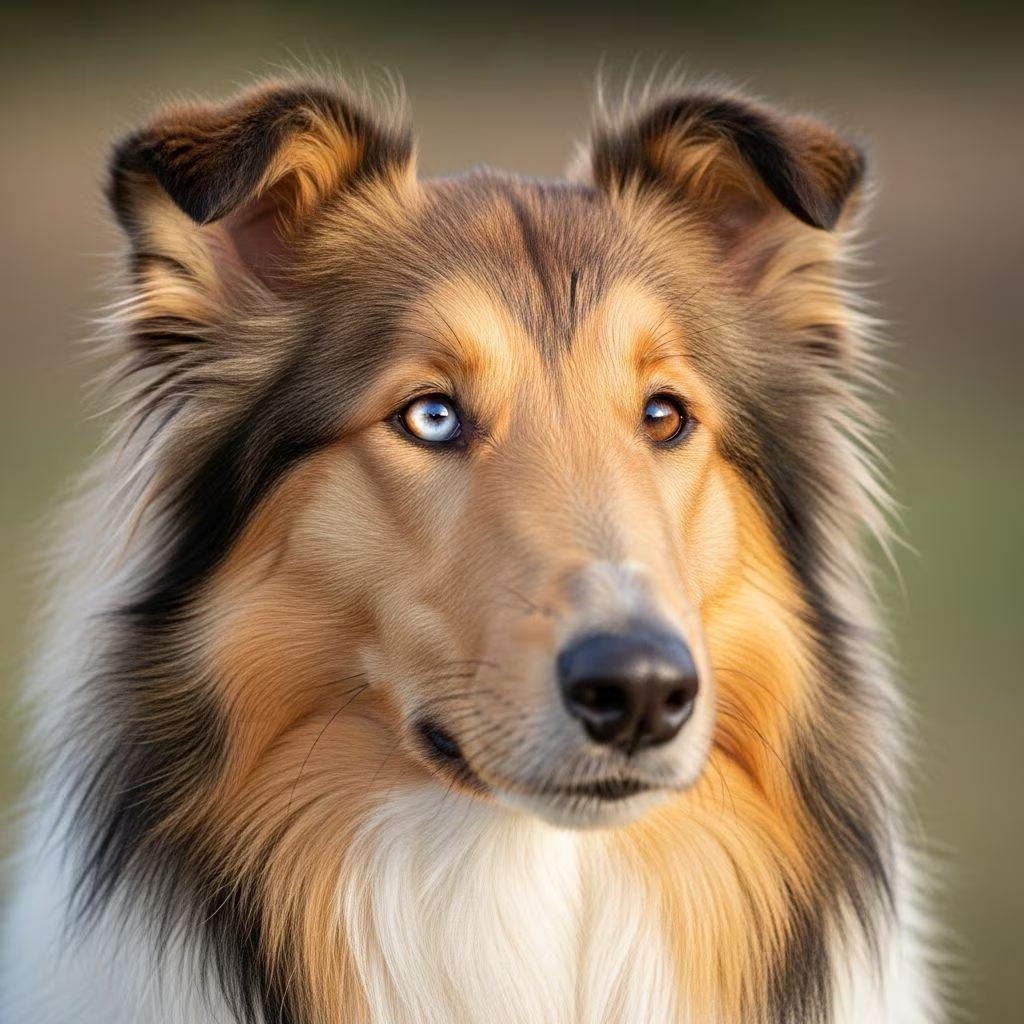
Collie Eye Anomaly (CEA), also known as choroidal hypoplasia, is a genetic developmental disorder affecting the eyes of dogs, most commonly found in herding breeds. This condition results from abnormal development of the blood vessels that supply the retina, the light-sensitive tissue at the back of the eye. While the condition is named after Collies, it affects multiple dog breeds and can range from asymptomatic to severely debilitating. Understanding this condition is crucial for dog owners, breeders, and veterinary professionals who work with affected breeds.
What is Collie Eye Anomaly?
Collie Eye Anomaly is a developmental disease of the choroid, which is the blood vessel layer beneath the retina that supplies oxygen and nourishment to the eye structures. The choroid anchors the retina to the underlying structures and is essential for proper vision. In CEA, this critical layer develops abnormally, resulting in areas of thinning or complete defects. The condition is characterized primarily by choroidal hypoplasia, an underdevelopment of the vascular supply to the retina, which is especially visible in the area temporal to the optic nerve.
CEA manifests with varying degrees of severity. Some dogs may have only mild blood vessel abnormalities that do not affect vision, while others experience significant vision loss due to retinal disease or optic nerve abnormalities. The most common manifestation is the presence of thin, pale, nearly transparent patches in the choroid that can be visualized during a veterinary eye examination.
Which Breeds Are Affected?
While CEA is most prevalent in Collie breeds, it affects multiple dog breeds with herding backgrounds. The primary breeds affected include:
- Rough Collies
- Smooth Collies
- Border Collies
- Australian Shepherds
- Shetland Sheepdogs
- Boykin Spaniels
- Longhaired Whippets
- Silken Windhounds
- Hokkaido Dogs
- Lancashire Heelers
- Nova Scotia Duck Tolling Retrievers
The condition is particularly common in breeds of herding descent, though any dog breed can potentially be affected.
Causes and Genetic Inheritance
Collie Eye Anomaly is caused by a genetic mutation that affects the normal development of blood vessels supplying the retina. The condition is inherited in an autosomal recessive manner, meaning a dog must inherit two copies of the mutated gene—one from each parent—to develop the disorder. Dogs that inherit only one copy of the mutation may be carriers but typically do not display symptoms, though they may pass the gene to offspring.
There are two forms of CEA: genetic and spontaneous. The genetic form is inherited through the mechanism described above. The spontaneous form occurs when factors during fetal development disrupt normal eye development, such as maternal systemic infection, inflammation, toxin exposure, or malnutrition during pregnancy. Regardless of the form, the underlying problem is the same: underdeveloped and too-small blood vessels that deliver blood to the retina, leading to abnormal eye development.
Signs and Symptoms
The clinical presentation of Collie Eye Anomaly varies significantly among affected dogs. Symptoms can range from completely asymptomatic in mild cases to severe vision impairment or complete blindness in advanced cases. The most common sign of CEA is blindness, though the degree of vision loss depends on the severity of the developmental defects.
Common Symptoms Include:
- Small pupils or uneven pupils (anisocoria)
- Light sensitivity (photophobia)
- Smaller eyeballs than normal (microphthalmia)
- Sunken eyeballs in their sockets (enophthalmia)
- Clouding of the cornea from mineralization
- Retinal folds where layers of the retina do not form properly together
- Vision loss ranging from mild to complete blindness
- Behavioral signs indicating vision impairment
Many dogs with mild CEA show no noticeable symptoms and have normal vision throughout their lives. However, in severe cases, vision impairment can be progressive, and dogs may experience increased sensitivity to light and visible abnormalities in pupil appearance.
Complications from CEA
Some cases of CEA become painful due to secondary complications, particularly when retinal detachment occurs, resulting in persistent bleeding into the eye or increased pressure inside the eye (glaucoma). Symptoms of glaucoma-related pain include:
- Rubbing at the eyes
- Obvious bulging of one or both eyes
- Red eyes
- Persistent blinking or squinting (blepharospasm)
Cases of sudden blindness associated with CEA are considered medical emergencies and require prompt veterinary attention.
Diagnosis of Collie Eye Anomaly
Diagnosis of CEA involves a complete eye examination performed by a veterinarian, ideally a veterinary ophthalmologist. During the examination, the veterinarian visualizes the back of the eye using specialized equipment to identify the characteristic thin, pale, and nearly transparent patches of the choroid. In severe cases, they may identify a coloboma, which is an outpouching or hole in the retina or other eye structures.
The examination may also reveal other structural abnormalities such as retinal folds, microphthalmia, or enophthalmia. In some cases, lesions may be present in both eyes or asymmetric in nature. Regular ophthalmic examinations are recommended for monitoring dogs that are at risk or affected by CEA.
Early diagnosis is particularly important for dogs showing signs of retinal detachment, as surgical intervention may be more effective if detected early.
Treatment Options
Unfortunately, Collie Eye Anomaly cannot be reversed or cured. However, several management strategies can help address complications and improve quality of life for affected dogs. Treatment approaches depend on the severity of the condition and the presence of secondary complications.
Mild Cases
Dogs with mild CEA that do not show vision loss or other complications typically require no treatment other than yearly eye exams to monitor for any progression of the disease. Many dogs with minimal choroidal hypoplasia function normally with no obvious vision deficits. In fact, some puppies with minimal choroidal hypoplasia may appear normal at subsequent examinations as the affected area fills in with pigment.
Moderate to Severe Cases
For dogs experiencing complications from CEA, treatment focuses on managing secondary conditions:
- Topical Eye Drops: Medications to maintain normal eye pressures, reduce inflammation, and manage pain
- Laser Eye Surgery: In cases of coloboma-induced partial retinal detachment, laser surgery may be attempted to re-attach the retina if the condition is detected early
- Lifestyle Management: For dogs with vision loss, environmental modifications and behavioral training to help them adapt to their condition
It is important to note that coloboma may not always lead to retinal detachment, particularly if the coloboma remains stable during the dog’s first year of life.
Prognosis and Quality of Life
The prognosis for dogs with Collie Eye Anomaly varies depending on the extent and severity of symptoms. Some forms of CEA are mild and symptoms do not progress or worsen over the dog’s lifetime. Other forms result in progressive visual impairment that gradually worsens. Complete blindness occurs in some dogs and is irreversible; however, with appropriate lifestyle management, most dogs cope remarkably well with vision loss.
Dogs that have developed complete blindness can adapt to their new circumstances with proper environmental management, including keeping furniture in consistent locations, maintaining consistent routines, and providing extra care during outdoor activities. Many blind dogs maintain excellent quality of life and continue to enjoy normal activities with their families.
Prevention Through Breeding Programs
Prevention of Collie Eye Anomaly involves selective breeding programs designed to screen for abnormalities and the genetic mutation. Responsible breeders test their breeding stock for CEA and avoid breeding dogs that carry the mutation. Breeding programs have been in place for over 50 years and have successfully lowered the number of affected dogs in many breeds.
Genetic testing can identify carriers of the CEA mutation, allowing breeders to make informed decisions about breeding pairs. Prospective dog owners should request health certifications and genetic testing results from breeders to help prevent purchasing dogs with genetic predisposition to CEA.
When to Seek Veterinary Care
Prompt veterinary care is advised for dogs with symptoms consistent with CEA, particularly:
- Sudden vision changes or blindness
- Signs of eye pain such as excessive blinking, squinting, or rubbing
- Visible abnormalities in pupil appearance or eye appearance
- Signs of retinal detachment or hemorrhage
Cases of sudden blindness are considered emergencies and should receive immediate veterinary attention.
Frequently Asked Questions About Collie Eye Anomaly
Q: Can Collie Eye Anomaly be cured?
A: No, CEA cannot be cured or reversed. However, treatment can manage complications such as retinal detachment or glaucoma, and most affected dogs adapt well to their condition with appropriate care and management.
Q: Will my dog definitely go blind if they have CEA?
A: Not necessarily. Many dogs with mild CEA have normal vision throughout their lives. The severity varies greatly among affected individuals, and while some dogs experience vision loss, others show no noticeable symptoms.
Q: At what age does CEA typically appear?
A: CEA is a developmental condition present from birth, though symptoms may not be immediately apparent. Diagnosis is typically made during puppy eye examinations by a veterinary ophthalmologist.
Q: Can I breed my dog if they have CEA?
A: Responsible breeders avoid breeding dogs with CEA to prevent passing the genetic mutation to offspring. If your dog has CEA, breeding is not recommended, particularly if both parents carry the mutation.
Q: How often should my dog have eye exams if at risk for CEA?
A: Dogs at risk for or affected by CEA should have regular ophthalmic examinations, typically at least yearly, to monitor for progression or complications of the disease.
Q: Can CEA be detected before symptoms appear?
A: Yes, a veterinary ophthalmologist can detect the characteristic changes of CEA during an eye examination even in asymptomatic dogs, allowing for early intervention if needed.
Q: Is there genetic testing available for CEA?
A: Yes, genetic testing can identify dogs carrying the CEA mutation, helping breeders make informed breeding decisions and allowing owners to understand their dog’s risk status.
References
- Collie Eye Anomaly — VCA Animal Hospitals. 2025. https://vcahospitals.com/know-your-pet/collie-eye-anomaly
- Collie Eye Anomaly (CEA) — Wisdom Panel. 2025. https://www.wisdompanel.com/en-us/dog-health-conditions/collie-eye-anomaly-cea
- Collie Eye Anomaly (CEA) — Pet Health Network. 2025. https://www.pethealthnetwork.com/dog-health/dog-diseases-conditions-a-z/collie-eye-anomaly-cea
- Collie Eye Anomaly: Causes, Symptoms & Prevention — Hill’s Pet. 2025. https://www.hillspet.com/dog-care/healthcare/collie-eye-anomaly
- Collie Eye Anomaly in Dogs | Canine Health — Embark Vet. 2025. https://embarkvet.com/products/dog-health/health-conditions/collie-eye-anomaly-choroidal-hypoplasia-cea/
- Collie Eye Anomaly in Dogs – Causes, Treatment and Prevention — Vetster. 2025. https://vetster.com/en/conditions/dog/collie-eye-anomaly
- Choroidal Hypoplasia/Coloboma — Collie Health Foundation. 2025. https://www.colliehealth.org/cea-mutation/



