

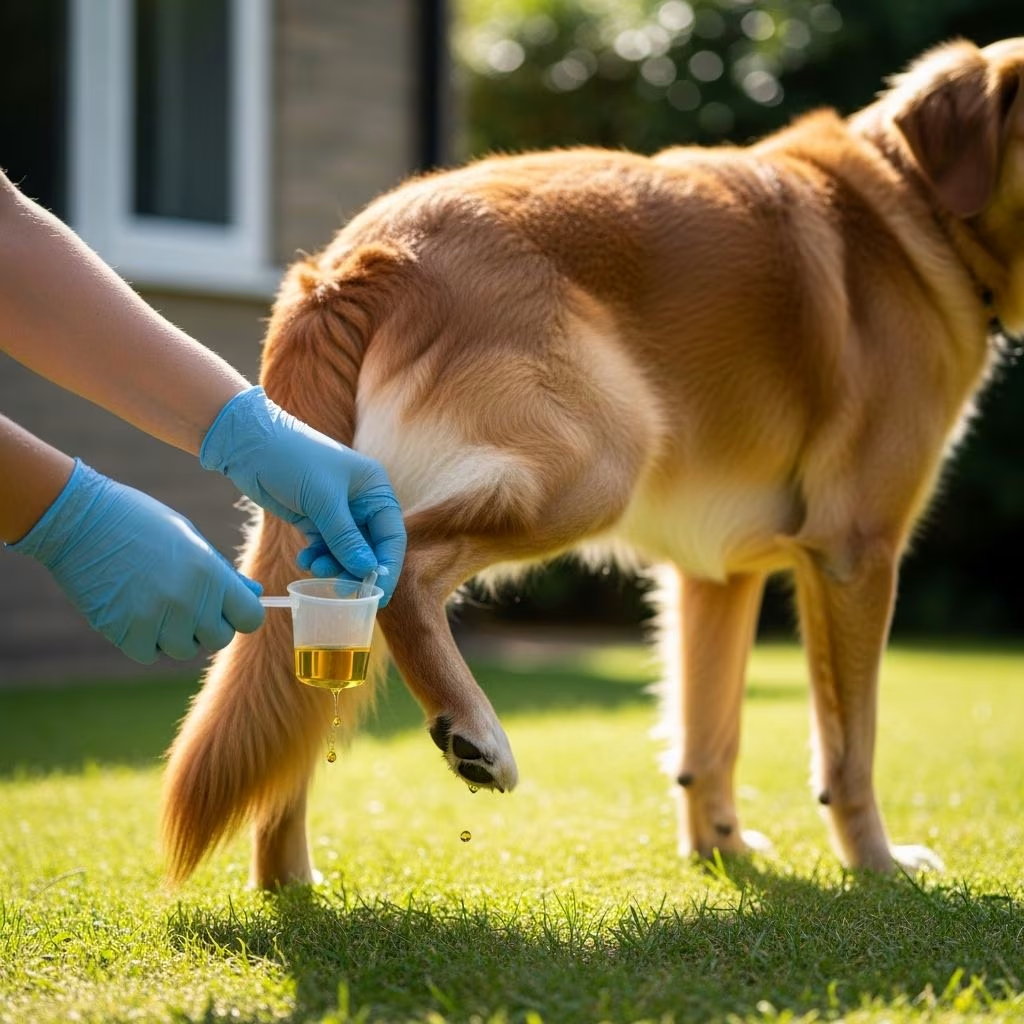
Obtaining a urine sample from your dog is a vital skill for pet owners, enabling prompt veterinary diagnostics for issues like urinary tract infections, kidney problems, or diabetes. This guide details practical home methods, professional alternatives, and best practices to ensure sample quality, drawing from established veterinary recommendations.
Why Urine Samples Matter for Canine Health
Urine analysis reveals critical insights into a dog’s hydration status, kidney function, and presence of crystals, bacteria, or glucose. A clean sample minimizes contamination, leading to precise results that guide treatment. Morning collections are ideal as urine is most concentrated then, providing optimal data for tests like specific gravity and pH measurements.
Veterinarians rely on these samples to detect conditions early. For instance, abnormal pH or bacteria can signal infections, while protein traces might indicate kidney strain. Home collection empowers owners to act quickly without delaying care.
Essential Tools and Supplies
Gather these items before starting to streamline the process:
- Clean, shallow containers like pie tins, foil trays, or wide bowls for squatting dogs.
- Cups, jars, or ladles for leg-lifting breeds.
- Disposable gloves to avoid contamination and protect your hands.
- Sterile sample pots from your vet, or clean leak-proof alternatives.
- Labels and marker for noting dog’s name, date, and time.
- Leash for controlled outdoor sessions.
Wash all reusable tools with soap, rinse thoroughly, and dry to prevent residue interference. Specialized urine trays or extendable scoops are available for tricky cases.
Primary Home Collection Technique: Free-Catch Method
The free-catch approach is straightforward, non-invasive, and suitable for most dogs. It involves capturing mid-stream urine during natural voiding to reduce skin or environmental contaminants.
Step-by-Step Process:
- Take your dog to their usual potty area on a leash early morning when the bladder is full.
- Observe posture: squatting females or puppies versus leg-lifting males.
- As urination begins, swiftly position the container under the stream, targeting the middle portion for cleanliness—skip the first and last seconds.
- Collect 1-3 tablespoons (15-45 ml); smaller volumes work if that’s all available.
- Avoid contact with fur, genitals, ground, or grass to preserve purity.
For squatters, slide a flat pie plate underneath. Leg-lifters need a handheld cup ready for quick insertion. Practice builds confidence; remain calm to keep your dog relaxed.
Advanced Tools for Challenging Collections
When free-catch proves difficult—due to speed, shyness, or size—use aids designed for precision.
| Tool Type | Best For | Tips |
|---|---|---|
| Urine trays | Small or indoor dogs | Place in potty spot beforehand; let dog approach naturally. |
| Extendable scoops/poles | Large, fast movers | Deploy swiftly; transfer to sterile pot immediately. |
| Absorbent pads | Reluctant or elderly dogs | Wring out into container; use vet-recommended preservatives. |
Introduce tools gradually: let your dog sniff them to ease anxiety. Clean thoroughly post-use with soap and disinfectant. These boost success rates significantly for cooperative pets.
Professional Veterinary Collection Options
If home efforts fail, vets offer sterile methods. Cystocentesis uses ultrasound-guided needle aspiration from the bladder, yielding the purest sample free of lower tract debris—ideal for culture or microbiota analysis.
Catheterization inserts a tube via the urethra, another low-contamination choice, though slightly more invasive. These are quick, painless under restraint, and preferred for suspicious infections where contamination skews results.
Discuss with your vet; they may perform on-site or guide home attempts first. Studies show cystocentesis alters microbiota detection less than voiding, critical for accurate microbiome profiling.
Optimal Handling and Storage Practices
Sample integrity degrades rapidly due to bacterial growth, pH shifts, and crystal formation. Act fast to maintain reliability.
- Transfer promptly: Move to a sterile, lidded pot; label fully.
- Deliver quickly: Within 1-2 hours ideally; inform vet of collection time.
- Refrigerate if delayed: At 36-40°F (2-4°C) in a sealed bag, never freeze—damages cells.
- Avoid extremes: No heat, sunlight, or surface scoops, which add debris.
These steps ensure tests reflect true health status, preventing false positives like contaminant bacteria.
Troubleshooting Common Difficulties
Challenges arise, but solutions exist:
- Too fast/shy: Use longer leash, multiple tries, or sedation-free vet collection.
- Indoor only: Line litter areas with non-absorbent material or pads.
- Male leg-lifters: Practice with treats post-success; try dawn walks.
- Obese/arthritic: Supportive harnesses or ground-level trays.
- Contamination signs: Cloudy sample or odor? Redo mid-stream.
Patience yields results; track patterns over days if needed.
When to Collect and Seek Analysis
Gather samples for symptoms like frequent urination, blood traces, straining, accidents, or unexplained thirst. Routine senior checkups also benefit.
Urinalysis checks color, clarity, sediment, chemicals, and microbes. Abnormalities prompt cultures or imaging. Early submission aids timely intervention.
Frequently Asked Questions
How much urine is enough?
1-3 tablespoons suffices for standard tests; even less works for basics.
Can I collect from puddles?
No—ground contact introduces bacteria and debris, invalidating results.
What’s mid-stream urine?
The middle flow after initial voiding, least contaminated by urethra flora.
How long can I store before vet visit?
Refrigerate up to 24 hours max; fresher is better.
Is cystocentesis safe?
Yes, when vet-performed; rare risks like minor bleeding.
Preventing Future Needs Through Wellness
Support urinary health with ample fresh water, balanced diet low in fillers, regular walks, and weight management. Annual vet exams catch issues early, reducing urgent sample needs.
References
- How to Get a Urine Sample From a Dog – 2 Methods for Dog Urine Collection — Plaza Animal Hospital. 2023. https://plazaanimals.com/pet-diagnostics-in-mooresville-nc/how-to-get-a-urine-sample-from-a-dog-2-methods-for-dog-urine-collection/
- How Do I Collect a Urine Sample From My Dog? — American Kennel Club. 2023-01-15. https://www.akc.org/expert-advice/health/collect-urine-sample-from-dog/
- How to collect a urine sample from your dog — People’s Dispensary for Sick Animals. 2024. https://www.pdsa.org.uk/pet-help-and-advice/pet-health-hub/other-veterinary-advice/how-to-collect-a-urine-sample-from-your-dog
- Urinalysis — VCA Animal Hospitals. 2024. https://vcahospitals.com/know-your-pet/urinalysis
- The impact of urine collection method on canine urinary microbiota — PMC (National Library of Medicine). 2023-04-12. https://pmc.ncbi.nlm.nih.gov/articles/PMC10100081/
- Sample collection — eClinpath. 2023. https://eclinpath.com/urinalysis/sample-collection/



