
Collecting Dog Urine Samples at Home
Master simple techniques to gather clean urine samples from your dog for vital vet diagnostics, ensuring accurate health insights.
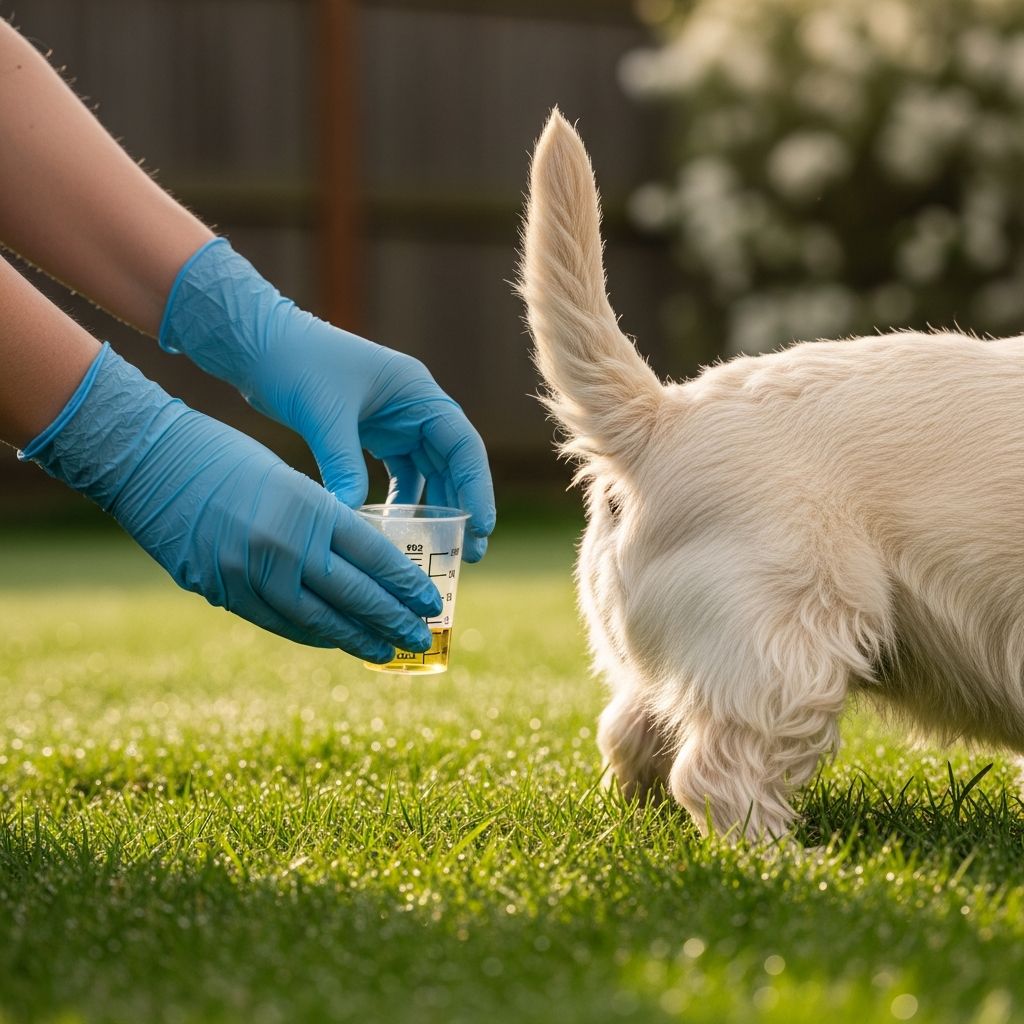
Obtaining a urine sample from your dog is a key step in diagnosing urinary tract issues, kidney problems, or infections, often required before vet visits. Home collection using clean techniques ensures fresh samples for analysis, minimizing contamination for precise results.
Why Urine Testing Matters for Canine Health
Urine analysis reveals critical data on hydration, pH levels, crystals, bacteria, and protein presence, aiding early detection of diabetes, bladder stones, or renal disease. Vets prefer recent samples to assess concentration accurately, as overnight urine is typically most informative. Regular testing tracks treatment progress and overall wellness.
Home-Based Collection Techniques
Pet owners can successfully gather samples without advanced tools by timing efforts for morning voids when bladders are fullest. Patience and preparation boost success rates.
The Free-Catch Approach
This straightforward method captures midstream urine during natural elimination, reducing skin or environmental bacteria. Position yourself near your dog’s usual spot, using a short leash for control.
- Observe pre-urination signals like circling or sniffing to anticipate the moment.
- Wear disposable gloves to avoid contaminating the sample or exposing yourself to potential pathogens.
- Select wide, shallow, clean containers such as pie tins, foil trays with crimped edges, or plastic bowls rinsed with soap and dried completely.
- Swiftly slide or hold the container under the stream after the first few seconds, targeting 15-45 ml without touching fur or ground.
- Withdraw gently to prevent spills, then cap and label immediately with pet name, collection time, and date.
For leg-lifting males, extendable ladles or tall jars work best; squatters suit low-profile pans. Practice runs familiarize nervous dogs.
Specialized Tools for Tricky Cases
When direct catching fails, devices simplify the process for shy or large breeds.
- Slide-under trays or absorbent pads placed in potty areas capture urine passively.
- Long-handled scoops deploy quickly for active pets.
- Pour collected liquid into sterile vet-supplied vials promptly, avoiding air exposure.
- Disinfect reusables thoroughly post-use to prevent cross-contamination.
Consult your vet for size-appropriate options, introducing tools gradually to ease pet anxiety.
Professional Collection Methods at the Clinic
Vets employ sterile techniques for the purest samples when home efforts fall short or cultures are needed.
Cystocentesis: The Gold Standard
This ultrasound-guided needle aspiration from the bladder yields uncontaminated urine ideal for bacterial identification and cytology. Though briefly uncomfortable, it avoids urethral trauma and is routine for diagnostics.
Catheterization Procedures
A sterile tube threads through the urethra, more feasible in males, providing clean samples but risking minor cell shedding or irritation. Reserved for specific cases like tumor evaluation.
| Method | Pros | Cons | Best For |
|——–|——|——|———-|
| Free-Catch | Easy, non-invasive, owner-led | Possible contaminants | Routine checks |
| Cystocentesis | Sterile, accurate culture | Requires vet, minor stress | Infections, cultures |
| Catheterization | Direct access | Invasive, gender-specific | Males, targeted tests |
This table summarizes options based on veterinary guidelines.
Optimal Timing and Volume Guidelines
First-morning urine concentrates solutes for better crystal or glucose detection. Aim for 1-2 tablespoons unless specified otherwise—smaller viable if fresh. Collect in one session, not piecemeal.
Storage and Transport Best Practices
Freshness preserves cellular integrity; refrigerate at 4°C if delaying beyond 30 minutes, but analyze within 24 hours. Avoid freezing unless instructed, and never use ground-pooled urine due to debris. Transport in leak-proof, labeled containers; inform staff of collection details for result interpretation.
Frequent Mistakes to Sidestep
Common errors skew diagnostics:
- Capturing initial or end-stream portions laden with debris.
- Using unclean or ground-contacted containers.
- Delaying refrigeration, allowing bacteria proliferation.
- Insufficient labeling, complicating ownership matching.
- Overfilling non-sterile vessels, risking spills.
Steer clear for trustworthy outcomes.
Navigating Challenges with Different Dogs
Puppies may squat unpredictably—use leashes and multiple attempts. Seniors with mobility issues benefit from pads indoors. Anxious breeds respond to calm voices and treats post-collection.
When to Seek Veterinary Help Immediately
Bloody, strained, or frequent urination signals urgency; bring your pet alongside the sample for comprehensive exams.
FAQs on Dog Urine Collection
Q: How soon after collection must I deliver the sample?
A: Ideally within hours; refrigerate if up to 24 hours to maintain viability.
Q: Can I use household items?
A: Yes, clean foil trays or pie pans suffice if sterile-transferred promptly.
Q: Is midstream essential?
A: Highly recommended to minimize bacteria from skin or genitals.
Q: What if my dog refuses to urinate on command?
A: Walk normally, stay observant; off-leash if safe, but stay proximate.
Q: Does cystocentesis hurt my dog?
A: Minimal discomfort, akin to a vaccination; sedation rare.
Enhancing Future Collection Success
Train via positive reinforcement near tools. Stock vet-provided kits for readiness. Track patterns in a log for vet discussions, empowering proactive care.
Mastering these skills fosters better health management, bridging home and clinic diagnostics seamlessly.
References
- How to Get a Urine Sample From a Dog – Plaza Animal Hospital — Plaza Animals. 2023. https://plazaanimals.com/pet-diagnostics-in-mooresville-nc/how-to-get-a-urine-sample-from-a-dog-2-methods-for-dog-urine-collection/
- Sample collection | eClinpath — eClinpath. 2024. https://eclinpath.com/urinalysis/sample-collection/
- Urinalysis: Best practices for sample collection and submission — Texas A&M Veterinary Medical Diagnostic Laboratory. 2023-10-01. https://tvmdl.tamu.edu/urinalysis-best-practices-for-sample-collection-and-submission/
- How To Collect A Urine Sample From Your Dog – YouTube — PDSA. 2022. https://www.youtube.com/watch?v=U3WIXBEXB8o
- How Do I Collect a Urine Sample From My Dog? — American Kennel Club. 2024. https://www.akc.org/expert-advice/health/collect-urine-sample-from-dog/
- How to collect a urine sample from your dog – PDSA — PDSA. 2024. https://www.pdsa.org.uk/pet-help-and-advice/pet-health-hub/other-veterinary-advice/how-to-collect-a-urine-sample-from-your-dog
Similar Articles








Read full bio of Sneha Tete




