

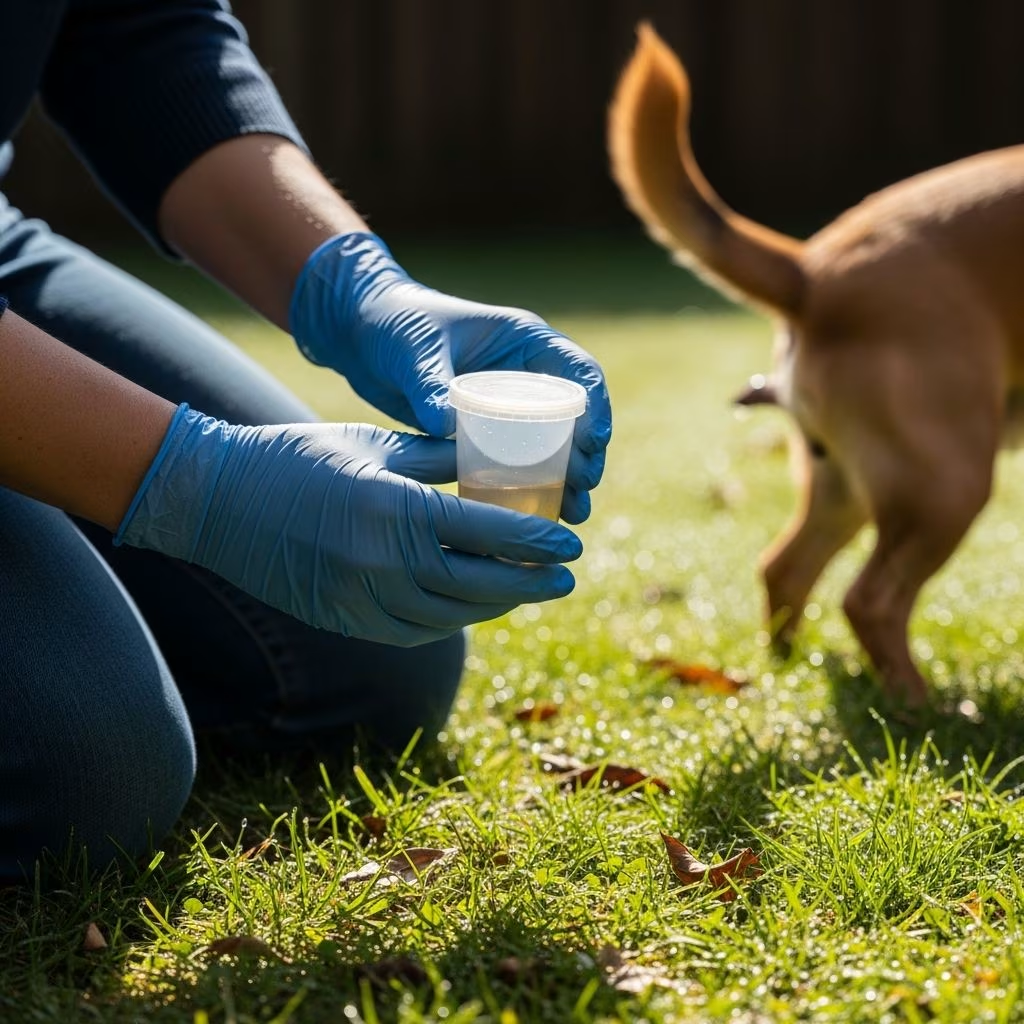
Obtaining a urine sample from your dog is a straightforward yet crucial task that can reveal important insights into their urinary health, kidney function, and overall well-being. Veterinarians often request these samples to perform urinalysis, which detects infections, crystals, diabetes, or other conditions. This guide explores practical home collection methods, professional veterinary approaches, and best practices to ensure sample quality for reliable results.
Why Urine Testing Matters for Your Dog’s Health
Urine analysis provides a non-invasive window into your dog’s internal health. It evaluates concentration, pH levels, presence of bacteria, blood cells, or crystals that signal issues like urinary tract infections (UTIs), bladder stones, or kidney disease. Early detection through routine or symptomatic testing can prevent serious complications. For instance, concentrated morning urine offers the most accurate assessment of kidney concentrating ability.
Home-collected samples empower owners to act quickly on symptoms such as frequent urination, straining, blood in urine, or accidents indoors. However, sample quality directly impacts diagnostic accuracy—contamination from skin, bacteria, or debris can lead to false positives, necessitating repeat collections.
Home Collection Techniques: Free-Catch Method
The free-catch method is the simplest and least invasive way for owners to gather urine. It involves capturing midstream urine during natural voiding to minimize contaminants from the urethra, genitals, or external environment. This approach suits most dogs and requires minimal equipment.
Gathering Supplies for Success
- Clean, shallow container: Opt for a pie tin, takeaway tray, aluminum foil tray, or wide bowl. Avoid absorbent materials.
- Transfer container: Sterile urine pot, clean jar, or Tupperware with a tight lid, provided by your vet.
- Gloves: Disposable plastic to prevent hand contamination.
- Leash and label: For control and marking the sample with dog’s name, date, and time.
Wash all containers with soapy water, rinse thoroughly, and dry to eliminate residues that could skew results.
Step-by-Step Free-Catch Process
- Time it right: Collect first thing in the morning when the bladder is full and urine is concentrated.
- Prepare your dog: Take them to their usual potty spot on a leash for better control.
- Position the container: For squatters, slide the shallow tray under from the side. For leg-lifters, use a cup or ladle extended into the stream.
- Capture midstream: Wait until urination starts, then quickly place the container to catch the middle portion, avoiding the initial and final flows.
- Transfer promptly: Pour 1-2 tablespoons into the sealed pot. Refrigerate if not delivering within hours.
Practice patience—multiple attempts may be needed. Stay calm to avoid stressing your dog, which could inhibit urination.
Advanced Home Options: Manual Expression
If free-catch proves tricky, gentle bladder expression offers an alternative. Position your dog on their side or back, locate the lower abdomen bladder (soft, balloon-like), and apply steady, mild pressure. Collect the released urine in a container below. Use caution to avoid discomfort or incomplete emptying, and consult your vet first as this risks trauma in some cases. Clean the genital area with unscented wipes beforehand to reduce bacteria.
Professional Veterinary Collection Methods
When home efforts fail or sterility is paramount, vets employ catheterization or cystocentesis. These yield pristine samples ideal for bacterial cultures or when contamination is suspected.
Catheterization: Urethral Sampling
A sterile catheter is passed through the urethra into the bladder. This method is straightforward for male dogs but more challenging in females due to anatomy. It provides sterile urine but may introduce transitional cells or minor bleeding if irritated. Vets use it for targeted diagnostics like tumor detection.
Cystocentesis: Direct Bladder Aspiration
The gold standard for cleanliness, cystocentesis involves ultrasound-guided or palpation-based needle insertion into the bladder. Equipment includes a 6-12mL syringe, 22-gauge needle, and ethanol for skin prep.
Palpation Technique: Restrain in lateral recumbency, isolate the bladder, insert needle at a 45-degree angle, aspirate 5-10mL, then withdraw.
Ultrasound-Guided: Visualize the bladder real-time for precision, minimizing risks like hematuria. This method is quick, safe for most dogs, and essential for confirming infections in free-catch positives.
Understanding Sample Contamination Risks
Contaminants distort results: bacteria or white cells from skin suggest false UTIs; fecal matter invalidates tests. Free-catch samples often show squamous cells or debris, prompting vet re-sampling via cystocentesis.
| Method | Pros | Cons | Best For |
|---|---|---|---|
| Free-Catch | Easy, non-invasive, owner-friendly | High contamination risk | Routine screening |
| Catheterization | Sterile, good for males | Invasive, potential trauma | Culture when needed |
| Cystocentesis | Cleanest, most accurate | Requires vet, minor hematuria possible | Confirmatory testing |
Storage and Transport Best Practices
Deliver samples within 1-2 hours for optimal analysis, as cells degrade and bacteria multiply. Refrigerate at 4°C if delayed (up to 24 hours), but never freeze, as it alters crystals. Label clearly and note collection method for vet interpretation.
Troubleshooting Common Challenges
- Dog won’t urinate on leash: Allow off-leash in a controlled yard, staying nearby.
- Small breeds or fast urinators: Use a long-handled ladle or partner assistance.
- Shy or anxious dogs: Exercise first to encourage voiding; try multiple short walks.
- Contaminated sample rejected: Repeat with better midstream technique or seek vet help.
When to Collect a Sample Urgently
Act fast for signs like bloody urine, excessive thirst, lethargy, or vomiting—these indicate potential emergencies like stones or renal failure. Morning samples are ideal for concentration checks.
FAQs: Dog Urine Sample Collection
How much urine does the vet need?
Typically 1-2 tablespoons (5-10mL) suffices for urinalysis.
Can I collect from a puddle?
No—environmental contaminants ruin accuracy. Always catch fresh midstream.
Is cystocentesis painful for my dog?
Minimally; it’s quick with local restraint, safer than suspected infections left untreated.
What if my dog is on medication?
Note all drugs on the label, as they affect results.
How often should I test?
As vet-recommended: annually for seniors, or per symptoms.
Enhancing Sample Quality for Better Diagnostics
Consistency yields reliable data. Combine home vigilance with vet expertise for proactive care. Tools like non-absorbent kitty litter pellets aid multi-pet homes, though adapted for dogs. Track patterns in urination habits to spot issues early.
Empowering owners with these skills bridges home monitoring and professional diagnostics, ensuring timely interventions for optimal canine health.
References
- Urinalysis in Companion Animals: Collection, Handling, & Evaluation — Today’s Veterinary Practice. 2023. https://todaysveterinarypractice.com/clinical-pathology/todays-technician-urinalysis-in-companion-animals-part-1-collection-sample-handling-initial-evaluation/
- Sample collection | eClinpath — eClinpath. 2024. https://eclinpath.com/urinalysis/sample-collection/
- Urinalysis: Best practices for sample collection and submission — Texas A&M Veterinary Medical Diagnostic Laboratory. 2023. https://tvmdl.tamu.edu/urinalysis-best-practices-for-sample-collection-and-submission/
- How to collect a urine sample from your dog — PDSA. 2024. https://www.pdsa.org.uk/pet-help-and-advice/pet-health-hub/other-veterinary-advice/how-to-collect-a-urine-sample-from-your-dog
- How To Collect A Urine Sample From Your Dog — PDSA (YouTube). 2023. https://www.youtube.com/watch?v=U3WIXBEXB8o
- How Do I Collect a Urine Sample From My Dog? — AKC. 2024. https://www.akc.org/expert-advice/health/collect-urine-sample-from-dog/



