

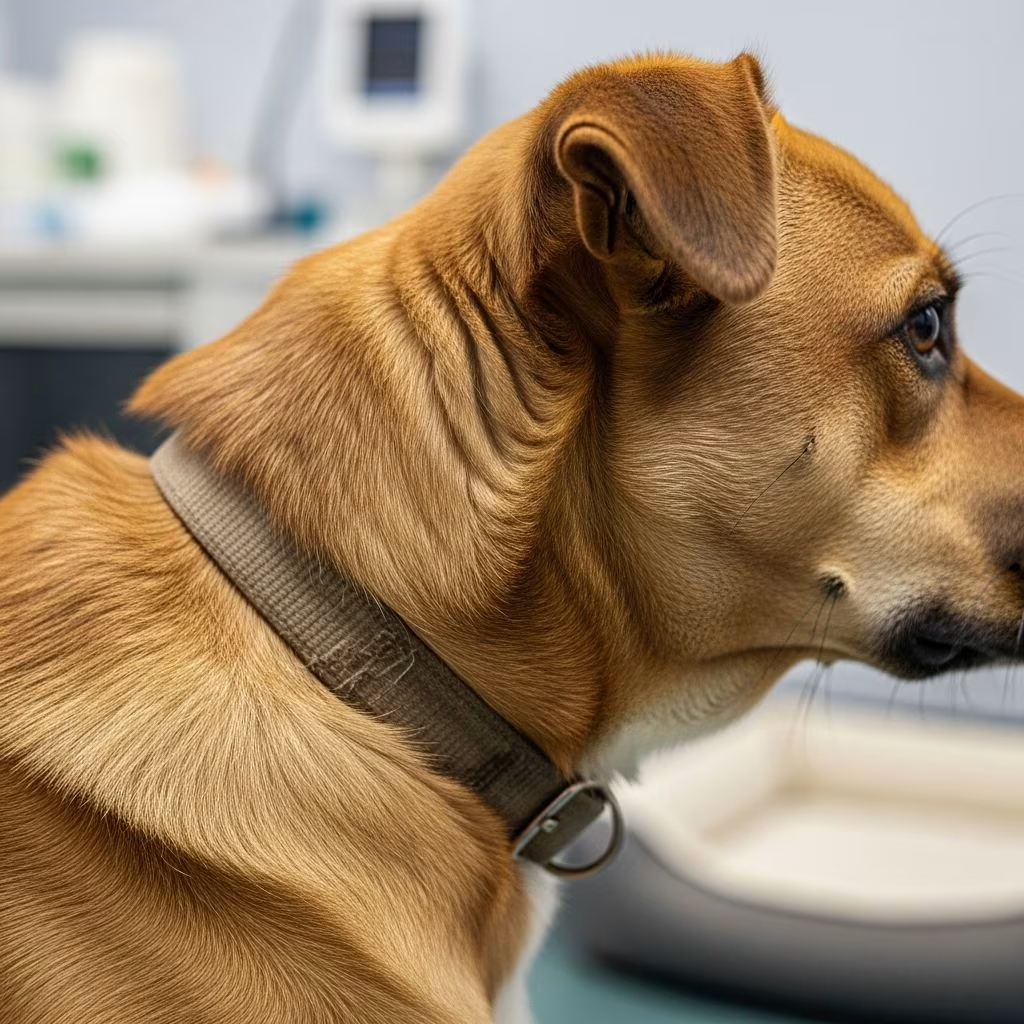
The thyroid gland, vital for regulating metabolism, energy, and overall vitality in dogs, sits vulnerably at the front of the neck. Routine use of collars, particularly during walks with pulling dogs, may exert pressure directly on this area, potentially leading to inflammation and long-term dysfunction. Veterinary observations suggest that repeated trauma from collars could contribute to hypothyroidism, a common endocrine disorder marked by low hormone production.
Understanding the Canine Thyroid’s Location and Role
The thyroid glands are paired structures positioned just below the larynx, nestled in the throat’s midline. They produce hormones like thyroxine (T4) and triiodothyronine (T3), which influence heart rate, body temperature, digestion, and muscle function. In dogs, disruptions here manifest as lethargy, unexplained weight gain, coat dullness, and recurrent infections.
Anatomically, this placement makes the thyroid susceptible to external forces. When a dog lunges forward on a leash, the collar tightens around the neck, compressing soft tissues including the thyroid and nearby salivary glands. Over time, this mechanical stress might provoke chronic irritation.
How Collar Pressure Leads to Thyroid Inflammation
Strong pulling creates a compressive force on the thyroid. Vets note that the harder and more frequent the pressure—especially in powerful breeds—the higher the injury risk. Inflammation ensues, cueing the immune system to dispatch antibodies against the damaged cells. This autoimmune response destroys functional thyroid tissue, reducing hormone output and ushering in hypothyroidism.
Metal chain collars, prong devices, or stiff leather types amplify harm through sudden jerks or sustained tension. Even flat collars, if ill-fitted, distribute force unevenly, pinpointing stress on the gland area.
Breeds Most at Risk from Leash-Related Thyroid Trauma
- Labrador Retrievers: Known for enthusiastic pulling, these dogs often develop thyroid issues alongside obesity.
- Golden Retrievers: Their strength and energy lead to frequent collar strain.
- German Shepherds: Working lines pull hard, correlating with higher hypothyroidism rates.
- Dobermans and Rottweilers: Large frames and power increase trauma potential.
While genetics predispose these breeds, collar-induced trauma may accelerate onset. Smaller dogs, with less pull force, show lower incidence.
Symptoms of Thyroid Dysfunction in Dogs
Early signs mimic aging or poor diet but stem from hormonal deficits:
| Symptom | Description |
|---|---|
| Weight Gain | Despite unchanged appetite, fat accumulates due to slowed metabolism. |
| Lethargy | Reduced playfulness and exercise tolerance. |
| Skin and Coat Issues | Thinning fur, dark patches, infections from weakened immunity. |
| Behavioral Changes | Fearfulness or aggression from discomfort. |
| Intolerance to Cold | Seeking warmth excessively. |
Diagnosis involves blood tests measuring T4 levels, TSH, and thyroid antibodies, confirming autoimmune damage.
Scientific Insights on Neck Trauma and Gland Damage
Research links leash corrections to cervical injuries. A study of 400 dogs found strong pullers or those receiving collar jerks prone to throat soft-tissue harm, potentially extending to endocrine glands. Veterinary experts like Dr. Jean Dodds highlight trauma from slip rings or prongs injuring thyroid and salivary structures.
PetMD warns of repeated neck stress damaging thyroid tissues, advocating harnesses to bypass this vulnerability. These findings underscore collars’ role beyond mere discomfort, possibly fostering systemic disease.
Safe Alternatives: Harnesses and Leash Best Practices
Switch to front-clip harnesses redistributes pull force to the chest, sparing the neck. Properly fitted, they discourage pulling by turning the dog toward the handler.
- Choose adjustable, padded models for comfort.
- Avoid back-clip styles that encourage lunging.
- Pair with short, sturdy non-retractable leashes for control.
Head halters offer another option for reactive dogs, gently directing the head without throat pressure.
Training Tips to Reduce Pulling and Prevent Injury
Proactive training minimizes collar reliance:
- Positive Reinforcement: Reward loose-leash walking with treats.
- Stop-and-Go Method: Halt when pulling occurs, resume on slack.
- Desensitization: Practice in low-distraction areas, gradually increasing challenges.
- Exercise First: Tire dogs before walks to curb enthusiasm.
Consistency yields results within weeks, protecting health long-term.
Additional Collar Hazards Beyond the Thyroid
Collars pose multifaceted risks:
- Skin Irritations: Tight fits cause abrasions, hair loss, infections.
- Tracheal Damage: Jerks collapse airways in brachycephalic breeds.
- Spinal Misalignment: Neck force transmits to vertebrae.
- Escape Hazards: Growing pups outpace puppy collars, embedding them painfully.
Holistic Support for Thyroid Wellness
Bolster resilience with quality nutrition rich in iodine, selenium, and antioxidants. Regular vet checkups catch issues early via baseline thyroid panels, especially for at-risk breeds. Supplements under guidance may aid recovery, but address root causes like equipment first.
FAQs on Dog Collars and Thyroid Safety
Can any collar cause thyroid damage?
Primarily those allowing hard pulls or jerks; loose, flat collars on calm walkers pose minimal risk.
At what age should I switch to a harness?
From puppyhood, to establish safe habits and prevent formative trauma.
How do I know if my dog’s thyroid is affected?
Observe persistent symptoms; seek bloodwork for confirmation.
Are retractable leashes safe?
No—their sudden stops jerk necks violently, heightening risks.
Does hypothyroidism shorten dog lifespan?
Treated promptly with medication, most thrive; untreated leads to complications.
Long-Term Benefits of Collar-Free Walking
Adopting harnesses not only shields the thyroid but enhances walks: better control, reduced handler strain, natural posture preservation. Dogs exhibit fewer conflicts, improved focus, fostering stronger bonds. Owners report energetic, healthier companions free from nagging symptoms.
For breeds prone to endocrine woes, this shift is preventive medicine. Monitor for subtle changes, prioritize fit gear, and train diligently—your dog’s vitality depends on it.
References
- Can a Collar Damage a Dog’s Thyroid? — Whole Dog Journal. 2019-01-31. https://www.whole-dog-journal.com/care/collars-harnesses-leashes-muzzles/can-a-collar-damage-a-dogs-thyroid/
- Thyroid gland disease may be related to collar injuries — Peter Dobias, DVM. Accessed 2026. https://peterdobias.com/blogs/blog/dog-collar-injuries-can-cause-thyroid-disease
- The Hidden Health Risks For Dogs That Pull On The Lead — K9Bridle. Accessed 2026. https://www.k9bridle.com/dogs-that-pull-on-the-lead/
- 5 Ways Collars Can Harm Your Dog — PetMD. Accessed 2026. https://www.petmd.com/dog/care/5-ways-collars-can-harm-your-dog



