
Colitis-X In Horses: Emergency Guide For Rapid Care
Exploring the severe equine condition known as Colitis-X: symptoms, triggers, urgent care strategies, and survival insights for horse owners.
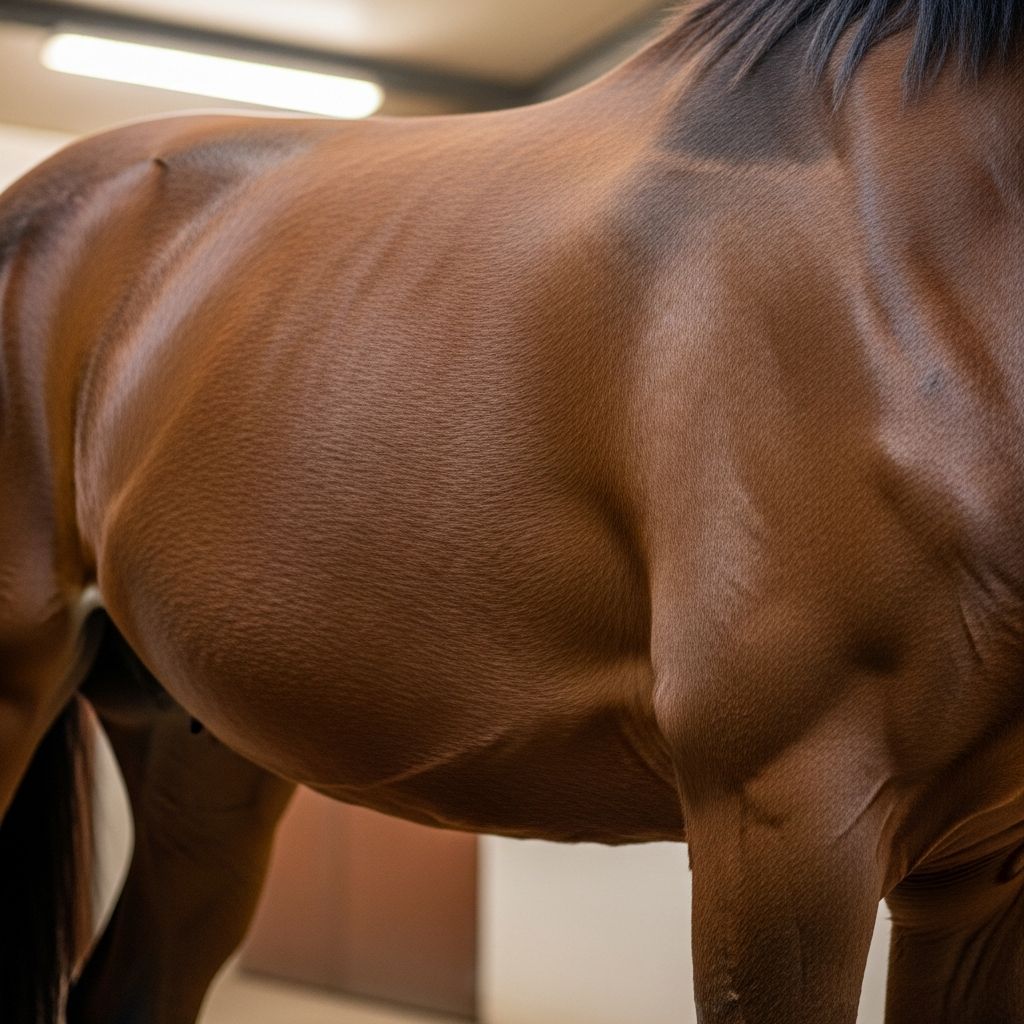
Colitis-X stands as one of the most alarming and frequently fatal conditions affecting the equine digestive system. This acute inflammatory disorder targets the large intestine, leading to explosive diarrhea, profound dehydration, endotoxemia, and often shock within hours of onset. Horses afflicted with Colitis-X typically succumb rapidly despite aggressive interventions, highlighting the need for immediate veterinary attention.
Recognizing the Hallmarks of Colitis-X
The onset of Colitis-X is abrupt and devastating. Owners often witness a previously healthy horse suddenly developing severe, watery diarrhea that can exceed 50 liters per day. Accompanying this are signs of systemic collapse: elevated heart rate above 80 beats per minute, fever surpassing 102°F, cold extremities, and mucous membranes that appear injected or cyanotic. Dehydration progresses swiftly, with skin tenting and sunken eyes becoming evident within hours.
Unlike milder diarrheal episodes, Colitis-X escalates to hypovolemic shock, characterized by weak pulses, prolonged capillary refill time, and mental depression. Colic signs may precede diarrhea, but the condition’s hallmark is the rapid shift to a moribund state. Bloodwork reveals hemoconcentration, metabolic acidosis, azotemia, and hypoalbuminemia due to protein-losing enteropathy.
Potential Triggers Behind the Mystery
The precise etiology of Colitis-X remains elusive, earning it the moniker “idiopathic” or “peracute colitis.” However, several factors are implicated based on clinical observations. A massive influx of endotoxin from gram-negative bacteria in the hindgut appears central, possibly triggered by sudden dietary shifts, antibiotic disruption of gut flora, or overwhelming parasite burdens.
Clostridial overgrowth, particularly toxin-producing strains like Clostridium difficile and Clostridium perfringens, correlates with severe cases. These pathogens release cytotoxins that damage intestinal mucosa, amplifying inflammation and fluid loss. Non-infectious contributors include non-steroidal anti-inflammatory drug (NSAID) toxicity, such as phenylbutazone, which erodes colonic protection.
| Category | Examples | Mechanism |
|---|---|---|
| Infectious | Clostridium spp., Salmonella | Toxin-mediated mucosal damage |
| Parasitic | Cyathostomins (larval cyathostominosis) | Mass emergence causing barrier breach |
| Drug-related | NSAIDs (phenylbutazone) | Ulceration and reduced mucosal defense |
| Dietary | Sudden feed changes | Gut dysbiosis and endotoxin release |
Diagnostic Approaches in Crisis Situations
Time is critical in Colitis-X, so diagnosis relies on clinical presentation rather than exhaustive testing. Physical exam confirms dehydration (PCV >50%, TPP >8 g/dL), tachycardia, and toxic mucous membranes. Fecal analysis may detect clostridial toxins, Salmonella, or cyathostomin larvae, but results lag behind the horse’s decline.
Abdominal ultrasound can reveal colonic wall thickening or edema, while blood gas analysis shows lactic acidosis and hypoxemia. Coagulation panels screen for disseminated intravascular coagulation (DIC), a common complication with prolonged PT, low antithrombin, and elevated fibrin degradation products. Differential diagnoses include salmonellosis, Potomac horse fever, and right dorsal colitis, but the peracute nature and refractoriness distinguish Colitis-X.
Intensive Therapeutic Interventions
Treatment protocols mirror those for severe salmonellosis or endotoxemia, emphasizing hemodynamic stabilization. High-volume intravenous polyionic fluids (100-200 mL/kg/day) combat hypovolemia, with monitoring of central venous pressure to avoid overload.
- Fluid Therapy: Lactated Ringer’s or Normosol-R, supplemented with potassium, calcium, and bicarbonate as indicated.
- Colloids: Plasma (10-20 mL/kg) or hetastarch to restore oncotic pressure and combat hypoalbuminemia.
- Anti-endotoxins: Polymyxin B (6,000 IU/kg) binds lipopolysaccharide, mitigating shock.
Flunixin meglumine (0.25-1 mg/kg IV q8h) curbs prostaglandin-mediated inflammation but requires caution to prevent masking laminitis risk. Low-dose heparin or aspirin addresses subclinical DIC. Broad-spectrum antimicrobials like metronidazole (15 mg/kg PO q6h) target anaerobes, though antibiotics can exacerbate dysbiosis.
Gastrointestinal protectants such as sucralfate (20 mg/kg PO q6h) and psyllium promote mucosal repair. Cryotherapy on feet prevents endotoxin-induced laminitis. Despite these measures, survival rates hover below 30%, with euthanasia often necessitated by irreversible shock.
Distinguishing Colitis-X from Other Colitides
Colitis-X differs starkly from chronic forms like right dorsal colitis (RDC), linked to NSAID abuse and featuring hypoalbuminemia, ventral edema, and milder diarrhea. RDC responds to dietary overhaul: eliminate hay, switch to pelleted feeds, add corn oil, and discontinue NSAIDs.
Acute bacterial colitis from Salmonella or Clostridium presents similarly but may yield to targeted antibiotics and supportive care. Parasitic colitis, often seasonal, ties to cyathostomin larval emergence post-deworming. Sand enteropathy causes chronic weight loss and diarrhea, diagnosed via fecal gravel tests.
Prognostic Factors and Survival Odds
Several parameters predict outcomes in Colitis-X. Poor indicators include heart rate >100 bpm, lactate >6 mmol/L, fibrinogen <200 mg/dL, and persistent azotemia after 24 hours of fluids. Early plasma transfusion and endotoxin neutralization improve odds slightly. Foals and aged horses fare worse, with mortality nearing 100% in untreated cases.
Preventive Strategies for Horse Owners
Proactive management curtails Colitis-X risk. Implement fecal egg count-based deworming to control cyathostomins. Avoid abrupt feed changes and limit NSAID use to therapeutic minimums. Maintain biosecurity to block Salmonella and Clostridium transmission via contaminated water or trailers.
Regular probiotics support hindgut microbiome stability, though evidence is anecdotal. Monitor for early diarrhea and intervene swiftly—early referral to equine hospitals with ICU capabilities markedly boosts survival.
Frequently Asked Questions (FAQs)
What is the first sign of Colitis-X in horses?
Severe, watery diarrhea often appears suddenly, accompanied by colic and fever.
Can Colitis-X be cured with antibiotics alone?
No, comprehensive fluid therapy and supportive care are essential; antibiotics address secondary infections but not the core inflammation.
How quickly does Colitis-X progress?
Horses can deteriorate into shock within 12-24 hours, necessitating immediate veterinary care.
Is Colitis-X contagious?
It may involve transmissible agents like Salmonella; isolate affected horses and disinfect premises.
What dietary changes help prevent recurrence?
Gradual feed introductions and high-quality forage reduce dysbiosis risk.
Long-Term Recovery and Monitoring
Survivors of Colitis-X require extended convalescence. Gradual reintroduction of fiber prevents relapse, with plasma proteins tracked until normalized. Owners should watch for RDC sequelae or laminitis. Monthly veterinary check-ups ensure gut health restoration.
In conclusion, while Colitis-X defies straightforward cures, vigilance and rapid response framework the best defense. Equine professionals continue researching toxin dynamics and novel therapies to stem this scourge.
References
- Equine colitis: etiologies and treatment strategies — dvm360. 2023-05-15. https://www.dvm360.com/view/equine-colitis-etiologies-and-treatment-strategies-should-i-use-antibiotics-proceedings
- Discussion of Colitis in Horses — Succeed-Vet. 2024-01-10. https://www.succeed-vet.com/educational-resources/disease-library/colitis/
- Right Dorsal Colitis in Horses: An Overview — Kentucky Equine Research. 2023-11-20. https://ker.com/equinews/right-dorsal-colitis-in-horses-an-overview/
- Acute Colitis in Horses — PMC (NCBI). 2020-03-15. https://pmc.ncbi.nlm.nih.gov/articles/PMC7151827/
- Symptoms, Diagnosis and Treatment of Colitis — Equine Clinic. 2022-07-08. https://equineclinic.com/symptoms-diagnosis-treatment-of-colitis/
- Colitis in Adult Horses — VetSpecialists.com. 2020-04-01. https://www.vetspecialists.com/vet-blog-landing/animal-health-articles/2020/04/01/colitis-in-adult-horses
Similar Articles








Read full bio of medha deb


