

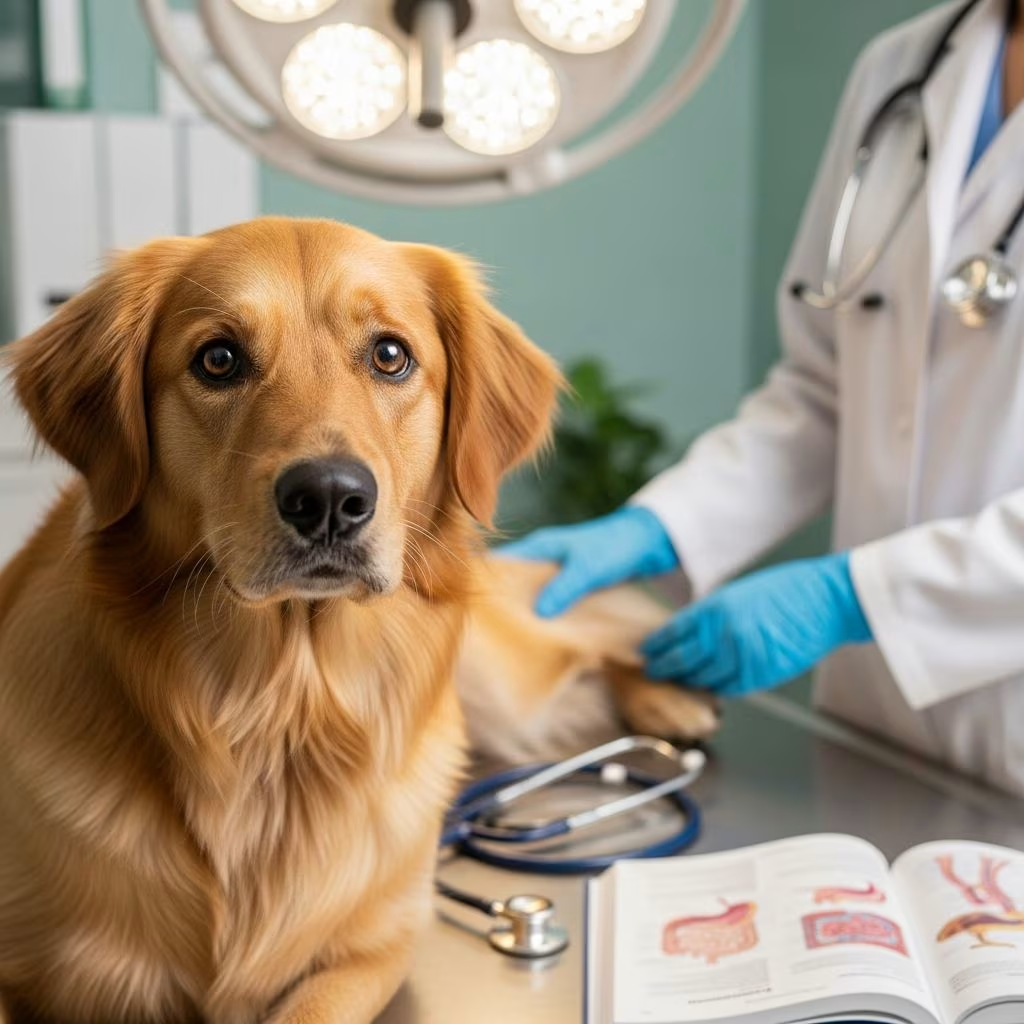
Colitis refers to inflammation of the colon in dogs, leading to uncomfortable digestive disturbances that owners often notice through changes in stool quality. This condition can range from mild, short-lived episodes to ongoing challenges requiring veterinary oversight. Recognizing early signs allows for prompt intervention, helping dogs return to normal comfort levels swiftly.
Recognizing the Signs of Colitis
Dogs with colitis typically show distinct gastrointestinal symptoms centered around defecation. Frequent attempts to defecate, often producing small amounts of stool mixed with blood or mucus, stand out as primary indicators. Owners might observe straining, scooting, or signs of abdominal discomfort during these episodes. Fresh blood or a jelly-like mucus coating the stool differentiates colitis from upper intestinal issues, where diarrhea appears more watery without these features.
- **Bloody or mucoid diarrhea**: Stools frequently contain bright red blood or thick mucus, signaling colon irritation.
- **Straining and urgency**: Dogs may posture repeatedly with little output, indicating tenesmus or painful passage.
- **Flatulence and gas**: Increased bloating accompanies loose stools in many cases.
- **Lethargy or appetite loss**: Mild cases might include reduced energy, while severe ones show dehydration risks.
These symptoms can onset suddenly in acute forms or persist intermittently in chronic scenarios, prompting a need for professional evaluation to rule out overlaps with conditions like infections or allergies.
Common Triggers Behind Colonic Inflammation
Multiple factors provoke colitis, categorized into acute (sudden, short-term) and chronic (recurrent or prolonged) types. Acute instances often tie to transient stressors, while chronic ones involve deeper physiological imbalances.
Acute Colitis Causes
Sudden colitis frequently stems from everyday mishaps or environmental pressures. Dietary slips, such as scavenging garbage or consuming fatty scraps, irritate the colon lining rapidly. Stress from boarding, travel, or household changes—known as stress colitis—disrupts gut motility and flora balance. Infections by bacteria like Salmonella or Clostridium, and parasites including Giardia or whipworms, also ignite inflammation through invasion or toxin release.
Chronic Colitis Contributors
Persistent colitis demands investigation into allergies, immune dysregulation, or structural issues. Food hypersensitivities to proteins provoke ongoing reactions, mimicking irritable bowel patterns. Inflammatory bowel disease (IBD) features immune attacks on the intestinal wall, often confirmed via biopsies. Less commonly, tumors, hormonal imbalances, or unresolved parasites sustain symptoms.
| Type | Key Causes | Typical Duration |
|---|---|---|
| Acute | Stress, dietary indiscretion, parasites, bacteria | Days to a week |
| Chronic | Food allergies, IBD, infections, cancer | Weeks to lifelong management |
This table summarizes distinctions, aiding owners in gauging severity based on history.
Diagnostic Approaches for Accurate Identification
Veterinarians employ a stepwise process to pinpoint colitis origins, starting with history and physical exams. Fecal analysis detects parasites, bacteria, or protozoa via microscopy or PCR tests. Bloodwork assesses dehydration, infection markers, or organ function. Imaging like ultrasound or X-rays rules out obstructions, while endoscopy with biopsies provides definitive IBD diagnosis.
- History review: Recent diet changes, stress events, or exposures.
- Fecal exams: Multiple samples for comprehensive parasite screening.
- Response to trials: Bland diet outcomes guide allergy suspicions.
Early diagnostics prevent complications, ensuring tailored therapies.
Treatment Strategies for Effective Relief
Treatment hinges on cause and severity, blending supportive care with targeted therapies. Acute cases often resolve with minimal intervention, while chronic demands ongoing management.
Supportive Home Care
Withhold food for 12-48 hours to rest the gut, followed by bland diets like boiled chicken and rice. Gradually reintroduce high-fiber additions such as psyllium or beet pulp to firm stools. Probiotics restore beneficial bacteria, enhancing resilience against flare-ups. Hydration via electrolyte solutions prevents weakness.
Medications and Veterinary Interventions
Antiparasitics eliminate worms or Giardia. Antibiotics target bacterial overgrowth, used judiciously to preserve flora. Anti-inflammatories like metronidazole or corticosteroids (e.g., prednisolone) reduce swelling in IBD. Immunosuppressants such as azathioprine manage severe immune responses. Hospitalization with IV fluids aids dehydrated patients.
For stress-related bouts, calming aids like trazodone or environmental adjustments prove beneficial.
Preventive Measures to Safeguard Gut Health
Proactive steps minimize recurrence risks. Maintain consistent, high-quality diets avoiding abrupt switches. Regular deworming and fecal checks catch parasites early. Stress reduction through routine exercise, puzzle toys, and gradual introductions to changes supports stability. Limited-ingredient diets trial novel proteins for allergy-prone dogs, fed exclusively for 4-6 weeks.
- Supervise walks to prevent scavenging.
- Probiotic supplements during transitions.
- Annual vet wellness for at-risk breeds.
When to Seek Immediate Veterinary Help
Monitor for red flags: persistent diarrhea beyond 48 hours, black tarry stools (indicating upper GI bleed), vomiting, severe lethargy, or abdominal distension. Puppies, seniors, or those with pre-existing conditions warrant quicker action to avert dehydration or sepsis.
Frequently Asked Questions (FAQs)
What does colitis poop look like in dogs?
It appears as small, frequent stools coated in bright red blood or clear mucus, often with straining.
Can stress alone cause colitis in dogs?
Yes, stress colitis is common, disrupting gut function without other triggers.
Are probiotics safe for dogs with colitis?
Generally yes, they aid flora balance; consult vets for strains.
How long does acute colitis last in dogs?
Typically 3-7 days with proper care, resolving faster under vet guidance.
Is colitis in dogs contagious?
Not directly, but infectious causes like parasites can spread via feces.
Long-Term Management for Chronic Cases
Chronic colitis requires lifelong vigilance. Hydrolyzed protein diets minimize allergens, paired with fiber modulation. Regular vet check-ins adjust meds based on response. Weight monitoring and stool scoring track progress, ensuring quality of life. Breeds like Boxers or German Shepherds show predispositions, benefiting from early screening.
Holistic supports like omega-3 supplements reduce inflammation naturally. Behavioral training curbs stress-induced flares, fostering calmer demeanors.
References
- Colitis in Dogs: Symptoms, Causes and Treatments — Raised Right Pets. 2023. https://www.raisedrightpets.com/blog/colitis-in-dogs-symptoms/
- Colitis in Dogs — VCA Animal Hospitals. 2024-01-15. https://vcahospitals.com/know-your-pet/colitis-in-dogs
- Colitis in dogs — PDSA. 2024. https://www.pdsa.org.uk/pet-help-and-advice/pet-health-hub/conditions/colitis-in-dogs
- Stress Colitis in Dogs: Symptoms & Treatment — MetLife Pet Insurance. 2023-05-10. https://www.metlifepetinsurance.com/blog/pet-health/stress-colitis-in-dogs/
- All About Treating Colitis and Irritable Bowel Disease (IBD) in Dogs — The Honest Kitchen. 2024. https://www.thehonestkitchen.com/blogs/pet-wellness/treating-colitis-and-ibd-in-dogs
- Colitis in Dogs — BluePearl Pet Hospital. 2023-08-20. https://bluepearlvet.com/medical-articles-for-pet-owners/colitis-in-dogs/



