

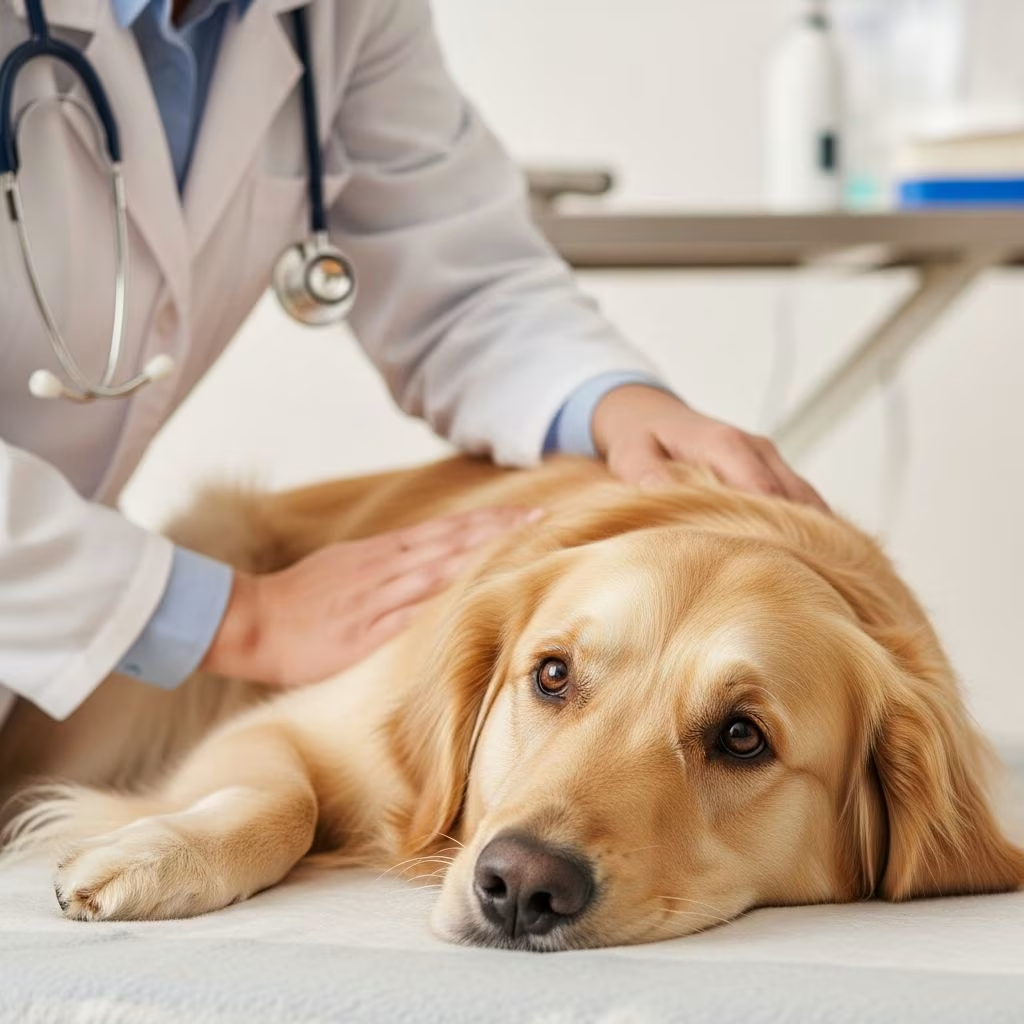
Understanding Colitis in Dogs
Colitis is a condition characterized by inflammation of the colon, the large intestine of dogs. This inflammation can lead to uncomfortable symptoms and affect your dog’s quality of life. Understanding this condition is essential for dog owners to recognize when their pet requires veterinary attention and to support proper recovery. Colitis can range from mild, acute cases that resolve quickly to chronic conditions requiring long-term management strategies. The severity and duration of symptoms depend largely on the underlying cause and how quickly treatment begins.
What Causes Colitis in Dogs?
Colitis in dogs stems from numerous potential causes, which can be broadly categorized into acute and chronic triggers. Identifying the specific cause is crucial for determining the most appropriate treatment plan for your individual dog.
Acute Colitis Causes
Acute colitis typically develops suddenly and resolves relatively quickly with proper treatment. Common triggers include:
- Stress from boarding, traveling, moving, or significant environmental changes
- Dietary indiscretions such as eating inappropriate foods, garbage, or excessive treats
- Sudden changes in diet without gradual transition
- Parasitic infections
- Foreign material ingestion
- Infectious agents including bacterial infections
- Contaminated food ingestion
- Contact with infected dogs
- Chronic exposure to wet environments
Chronic Colitis Causes
Chronic colitis persists over extended periods and often requires ongoing management. The underlying causes of chronic colitis include:
- Parasitic infections such as giardia or whipworms
- Food hypersensitivity and allergies
- Persistent bacterial or fungal infections
- Ingestion of foreign materials
- Cancerous growths
- Inflammatory bowel disease (IBD)
- Dysbiosis or leaky gut syndrome
- Idiopathic causes when no specific trigger can be identified
Specific Infectious Agents
Several pathogens commonly cause colitis in dogs. Bacterial infections including Salmonella, Clostridium, and E. coli are frequently implicated. Dogs on raw food diets face heightened risk of bacterial exposure. Additionally, parasitic infections from organisms like Giardia, Cryptosporidium, and whipworms can trigger inflammatory responses in the colon. These infections can sometimes transmit to humans, particularly affecting young, elderly, or immunocompromised individuals, making proper hygiene essential when handling affected dogs.
Allergic and Immune-Related Colitis
Allergic colitis often results from dietary protein sensitivities. Dogs with food allergies frequently exhibit additional symptoms beyond diarrhea, including vomiting, itchy skin, and rashes. Immune-mediated disease occurs when the dog’s immune system incorrectly attacks its own colon tissue. Inflammatory bowel disease (IBD) represents a chronic inflammatory condition of the gastrointestinal system, primarily targeting the colon. Certain breeds, including Basenjis, German Shepherds, and Irish Setters, demonstrate genetic predisposition to IBD.
Clinical Signs and Symptoms
Recognizing the symptoms of colitis helps pet owners identify when veterinary intervention is necessary. Symptoms can vary in severity and may develop suddenly or gradually depending on the type of colitis.
Common Symptoms
The primary clinical sign of colitis is diarrhea, often containing mucus or blood. Dogs may strain during bowel movements or defecate more frequently than normal. Additional symptoms include vomiting, weight loss, flatulence, loss of appetite, and signs of abdominal discomfort. Some dogs may exhibit lethargy or reduced activity levels. In chronic cases, dogs may experience progressive weight loss despite adequate caloric intake.
When to Seek Veterinary Care
Pet owners should seek immediate veterinary evaluation if diarrhea persists beyond 24 hours, if blood or mucus appears in stool, if the dog shows signs of dehydration, or if symptoms are accompanied by vomiting or lethargy. Additionally, any sudden change in bowel habits warrants professional assessment to rule out serious underlying conditions.
Diagnosis of Canine Colitis
Veterinarians employ various diagnostic approaches to identify the cause of colitis and develop appropriate treatment plans. The diagnostic process may include physical examination, laboratory testing, and imaging studies. Fecal analysis helps identify parasitic infections or abnormal bacterial flora. Blood work can reveal systemic infections or inflammatory markers. In some cases, colonoscopy allows direct visualization of the colon and collection of tissue samples for histopathological examination. The specific diagnostic tests recommended depend on the severity and duration of symptoms, as well as the suspected underlying cause.
Treatment Options for Canine Colitis
Treatment approaches vary significantly based on the identified cause of colitis. Most dogs respond well to simple dietary modifications combined with appropriate medications. The specific cause dictates the most effective therapeutic strategy.
Dietary Management
Diet plays a central role in colitis treatment. Initial management often involves fasting for 24 to 48 hours to allow the inflamed colon to rest. Following the fasting period, feeding a bland or low-residue diet supports recovery. Veterinarians frequently recommend boiled chicken with rice or prescription gastrointestinal diets specially formulated for sensitive digestion.
For dogs with suspected food sensitivities, hydrolyzed or hypoallergenic diets containing broken-down proteins that won’t trigger immune reactions prove beneficial. Novel protein diets containing protein sources the dog has not previously consumed offer another option for dogs with food allergies. These specialized diets help identify problematic ingredients and allow the digestive tract to heal without further irritation.
Fiber Management
Fiber supplementation forms an important component of colitis treatment. Adding fermentable fiber sources such as psyllium husk, beet pulp, or fructooligosaccharides (FOS) to the diet can improve colon health. Interestingly, some dogs with colitis respond better to low-fiber diets rather than high-fiber options, making individual assessment essential. Pumpkin serves as an accessible fiber source that many dog owners can add to home-prepared diets. The specific fiber type and amount should be determined based on individual response and veterinary recommendation.
Probiotic and Prebiotic Supplements
Probiotic formulations containing beneficial bacteria help restore healthy gut flora balance disrupted by infection or inflammation. Prebiotics like FOS support the growth of beneficial bacteria and reduce intestinal inflammation. These supplements can be particularly helpful in cases where dysbiosis or leaky gut contributes to colitis symptoms. While probiotics prove beneficial in many cases, they don’t help all dogs, so veterinary guidance ensures appropriate selection.
Antimicrobial Therapy
Antibiotics and anti-inflammatory medications address specific underlying causes. Metronidazole, tylosin, and sulfasalazine are commonly prescribed antibiotics that may also possess anti-inflammatory properties. These medications often represent the initial treatment approach. However, research indicates that antibiotics can negatively affect some patients, particularly those without bacterial infections. If colitis doesn’t improve with initial antibiotic courses, veterinarians typically recommend diet trials and further diagnostic testing.
Anti-Inflammatory Medications
For immune-mediated and inflammatory bowel disease cases, anti-inflammatory medications reduce colon inflammation and associated pain. These gastrointestinal anti-inflammatories differ fundamentally from NSAIDs and prove safer for colitis management. Corticosteroids and immune modulators may be recommended for severe or refractory cases. Some cases of IBD respond well to antibiotics, while others require dietary management alone or in combination with anti-inflammatory drugs.
Supportive Care
Maintaining proper hydration is essential, particularly during acute episodes when fluid loss through diarrhea increases. De-worming treatment should be administered if parasitic infection is suspected. Ensuring the dog receives adequate nutrition while supporting recovery is paramount. In chronic cases, long-term management may involve combinations of dietary modifications, supplements, and medications tailored to the individual dog’s response.
Recovery and Prognosis
The recovery timeline depends significantly on whether the colitis is acute or chronic. Acute colitis typically resolves within a few days to weeks with appropriate treatment. Most dogs with acute colitis demonstrate full recovery and return to normal bowel function relatively quickly.
Chronic colitis requires longer recovery periods and often necessitates trials of different medications and dietary approaches to determine what works best for the individual dog. While chronic colitis may not be completely curable, it can typically be managed and controlled through combinations of diet, fiber supplements, probiotics, antibiotics, and anti-inflammatory medications. The goal of long-term management shifts from cure to maintaining quality of life and minimizing symptom flare-ups.
Prevention and Management Strategies
Preventing colitis episodes involves minimizing exposure to known triggers. Gradually transitioning to new diets rather than making abrupt changes reduces dietary-induced colitis risk. Keeping dogs away from contaminated food sources, infected dogs, and unsanitary environments decreases infectious disease exposure. During stressful situations such as boarding or travel, maintaining consistent routines and familiar foods helps minimize stress-related colitis.
For dogs prone to chronic colitis, maintaining them on their prescribed diet and supplement regimen even during symptom-free periods prevents relapse. Regular veterinary check-ups allow early detection of developing issues. Keeping dogs current on parasite prevention protects against parasitic colitis.
Special Considerations
Certain dog breeds demonstrate increased susceptibility to inflammatory bowel disease and immune-mediated colitis. Owners of predisposed breeds should remain vigilant for early symptoms. Dogs with severe or refractory colitis may require referral to veterinary gastroenterologists for advanced diagnostics including colonoscopy and specialized treatment protocols.
The relationship between diet and colitis cannot be overstated. Keeping detailed food diaries helps identify potential dietary triggers. Some dogs benefit from home-cooked diets prepared under veterinary nutritionist guidance, while others do well on commercial prescription diets. The ideal approach varies by individual.
Frequently Asked Questions About Canine Colitis
Q: What is the difference between acute and chronic colitis?
A: Acute colitis develops suddenly with severe symptoms that typically resolve within days to weeks with treatment. Chronic colitis persists over extended periods, often requiring ongoing management with diet, medications, and supplements. Acute colitis frequently results from stress or dietary indiscretion, while chronic colitis usually stems from allergies, IBD, or persistent infections.
Q: Can colitis in dogs be cured?
A: Acute colitis caused by temporary triggers typically resolves completely with appropriate treatment. Chronic colitis, especially cases caused by IBD or food allergies, may not be curable but can be effectively managed through long-term dietary and medical interventions. Many dogs live normal, healthy lives despite chronic colitis when proper management strategies are implemented.
Q: How long does it take to treat colitis in dogs?
A: Acute colitis often improves within three to seven days with appropriate treatment. However, chronic colitis management extends over months or years, with gradual identification of effective dietary and medication combinations. Some dogs show improvement within weeks of dietary changes, while others require several months of trial-and-error to find the optimal management approach.
Q: Should I feed my dog with colitis at home or use prescription diet?
A: Prescription gastrointestinal diets are specifically formulated to support colitis recovery and often prove most effective. However, bland home-cooked diets of boiled chicken and rice can be used temporarily during acute episodes. Long-term management of chronic colitis typically benefits from prescription hydrolyzed or novel protein diets. Your veterinarian should recommend the most appropriate option based on your dog’s specific condition.
Q: Is colitis contagious to other dogs?
A: Colitis itself is not contagious, but the infectious agents that may cause it, such as Salmonella or Giardia, can spread to other dogs. Dogs with infectious colitis should be kept separate from other dogs, and careful hygiene should be maintained. However, many causes of colitis, including stress-related and immune-mediated types, are not transmissible.
Q: Can stress really cause colitis in dogs?
A: Yes, stress is one of the leading causes of large bowel diarrhea and colitis in dogs. Boarding, travel, moving, or significant environmental changes can trigger stress colitis. Dogs with stress-related colitis typically recover once the stressful situation resolves and normal routines resume. Minimizing stress through familiar routines and environments helps prevent stress-induced episodes.
Q: What should I feed a dog recovering from colitis?
A: Initially, offer a bland diet of boiled chicken and rice, or a prescription gastrointestinal diet. Gradually introduce the regular diet over seven to ten days if recovery progresses well. For dogs with identified food allergies or sensitivities, transition to hydrolyzed protein or novel protein diets. Continue adding fiber supplements and probiotics as recommended by your veterinarian to support recovery and prevent recurrence.
References
- Colitis in Dogs — VCA Animal Hospitals. 2025. https://vcahospitals.com/know-your-pet/colitis-in-dogs
- Canine Colitis: Causes, Symptoms and Treatment — Veteris UK. 2025. https://veteris.co.uk/petcare-advice/canine-colitis-causes-symptoms-and-treatment
- Colitis in Dogs — PetMD. 2025. https://www.petmd.com/dog/conditions/digestive/colitis-dogs
- Colitis in Dogs — PDSA (People’s Dispensary for Sick Animals). 2025. https://www.pdsa.org.uk/pet-help-and-advice/pet-health-hub/conditions/colitis-in-dogs
- Colitis in Dogs: Signs, Symptoms, and How to Treat — American Kennel Club. 2025. https://www.akc.org/expert-advice/health/colitis-in-dogs/



