

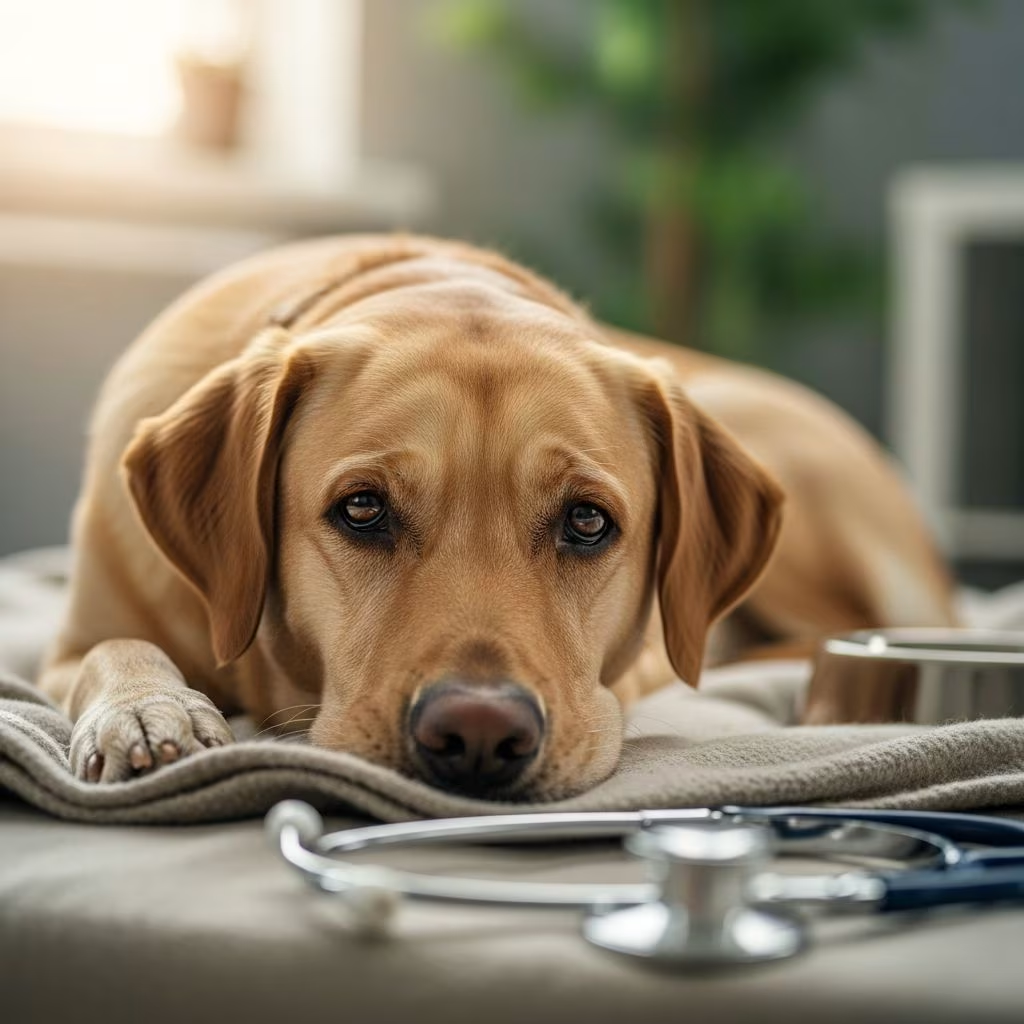
Understanding Colitis in Dogs
Colitis is an inflammatory condition affecting the large intestine (colon) of dogs, leading to distressing gastrointestinal symptoms. When the colon becomes inflamed, it loses its ability to absorb water properly, resulting in urgent and frequent bowel movements often containing blood and mucus. This condition can range from mild and acute to severe and chronic, requiring varying levels of veterinary intervention. Understanding the causes, symptoms, and treatment options is essential for dog owners who want to help their pets recover and maintain digestive health.
What Causes Colitis in Dogs?
Colitis in dogs can stem from numerous different causes, which are typically categorized as either acute or chronic. Identifying the underlying cause is crucial for determining the most appropriate treatment plan and preventing future episodes.
Acute Colitis Causes
Acute colitis occurs suddenly and typically resolves relatively quickly. Common triggers for acute colitis include:
- Stress: Environmental changes such as boarding, traveling, moving, or changes in household routines can trigger stress-related colitis. Stress colitis is recognized as one of the leading causes of large bowel diarrhea in dogs.
- Dietary indiscretions: Consuming inappropriate foods such as spoiled food from garbage, excessive treats, people food, cat food, dairy products, or greasy meats can irritate the colon.
- Sudden dietary changes: Abrupt transitions between different dog foods without proper gradual mixing can upset the digestive system.
- Parasites: Infestations with parasites like giardia, cryptosporidium, and whipworms commonly cause acute colitis.
- Infections: Bacterial infections including salmonella, clostridium, and E. coli can trigger acute inflammatory responses in the colon.
- Foreign materials: Ingestion of non-food items that irritate or damage the colon lining.
- Contaminated food or environments: Consuming contaminated food, contact with infected dogs, or chronic exposure to wet environments may precipitate colitis.
Chronic Colitis Causes
Chronic colitis persists over an extended period and typically requires more intensive investigation and management. The underlying causes of chronic colitis are often more complex:
- Food allergies and sensitivities: Dogs may develop hypersensitivity reactions to specific dietary proteins or ingredients, leading to chronic inflammation.
- Inflammatory bowel disease (IBD): This is the most common cause of chronic diarrhea in dogs. IBD involves chronic inflammation of the intestinal mucosa of unknown origin. Certain breeds, including Basenjis, German Shepherds, and Irish Setters, are genetically predisposed to this condition.
- Parasitic infections: Persistent parasitic infestations, particularly giardia and whipworms, can cause long-term colitis.
- Bacterial infections: Chronic bacterial infections may require specific treatment protocols.
- Immune-mediated disease: The dog’s immune system may inappropriately attack its own colon tissue.
- Dysbiosis: Imbalances in the intestinal bacterial flora can lead to chronic inflammatory responses.
- Cancer or neoplasms: Tumors affecting the colon or surrounding tissues may cause chronic symptoms.
- Idiopathic colitis: In some cases, veterinarians cannot identify a specific cause despite thorough investigation.
Recognizing Symptoms of Colitis
Dogs with colitis display characteristic gastrointestinal symptoms that vary in severity depending on whether the condition is acute or chronic. Recognizing these signs allows for prompt veterinary evaluation and treatment initiation.
Common Clinical Signs
The primary symptom of colitis is altered bowel movements. Dogs typically experience:
- Urgent and frequent defecation: Dogs need to poop urgently and often, though each bowel movement produces only small amounts of stool.
- Diarrhea: Loose or watery stools are the hallmark symptom, resulting from the colon’s inability to absorb water due to inflammation.
- Blood and mucus in stool: Stools often contain visible blood and/or mucus, indicating mucosal irritation and inflammation.
- Straining during defecation: Dogs may strain excessively during bowel movements.
- Increased frequency: Bowel movements may occur more than normal, particularly during acute episodes.
Additional Symptoms in Chronic Cases
When colitis becomes chronic or is associated with inflammatory bowel disease, dogs may experience additional systemic symptoms:
- Weight loss despite adequate food intake
- Vomiting
- Loss of appetite
- Flatulence and abdominal discomfort
- Lethargy and reduced energy levels
If diarrhea persists beyond 24 hours or if you notice blood in your dog’s stool, veterinary evaluation is warranted to rule out serious underlying conditions.
Diagnosis of Colitis in Dogs
Proper diagnosis is essential for effective treatment. Veterinarians employ various diagnostic tools to identify the cause and severity of colitis.
Initial Assessment
The diagnostic process begins with a thorough physical examination and detailed history. Your veterinarian will ask about:
- Duration and severity of symptoms
- Recent dietary changes or dietary indiscretions
- Exposure to stress or environmental changes
- Recent travel or contact with other animals
- Current medications or supplements
- Vaccination and deworming status
Diagnostic Testing
For acute colitis with mild symptoms, basic assessment may suffice. However, for persistent or severe cases, more extensive testing helps identify underlying causes:
- Fecal examination: Microscopic evaluation of stool samples identifies parasites and other abnormalities.
- Stool culture: Bacterial culture may identify specific infectious agents.
- Blood work: Complete blood count and biochemistry panels assess overall health and rule out systemic diseases.
- Imaging studies: Ultrasound and X-rays visualize the colon and surrounding structures for abnormalities, masses, or foreign objects.
- Colonoscopy and biopsy: In chronic cases, endoscopic visualization with tissue biopsy may be necessary to diagnose inflammatory bowel disease and assess the severity of mucosal inflammation.
- Bile acid tests: These specialized tests evaluate liver and gastrointestinal function.
Treatment Options for Colitis
Treatment strategies depend on the underlying cause, severity of symptoms, and whether colitis is acute or chronic. Most dogs respond well to conservative management, though some require ongoing medical intervention.
Acute Colitis Treatment
For mild acute colitis cases, simple interventions often suffice:
- Dietary management: Temporarily withholding solid food for 24-48 hours allows the inflamed colon to rest and recover.
- Fluid replacement: Oral rehydration therapy maintains hydration. In severe cases with signs of dehydration, intravenous fluid administration may be necessary.
- Bland diet: Once food is reintroduced, a bland, easily digestible diet is recommended, often consisting of chicken and rice or prescription bland diets.
- Gradual diet normalization: The regular diet is gradually reintroduced over several days to weeks.
General Treatment Approaches
Treatment for most dogs with colitis involves:
| Treatment Method | Purpose | When Used |
|---|---|---|
| Bland or Hydrolyzed Diet | Reduces gastrointestinal irritation and supports healing | Most acute cases and initial chronic management |
| High-Fiber Diet | Normalizes stool consistency and supports colon health | Chronic colitis, particularly fiber-responsive cases |
| Probiotics and Prebiotics | Restores beneficial gut bacteria and reduces inflammation | Most cases; particularly useful in dysbiosis |
| Fiber Supplements | Supports stool consistency and colon function | Chronic colitis; may include psyllium or pumpkin |
| Deworming Treatment | Eliminates parasitic infections | When parasites are suspected or identified |
| Antibiotics | Treats bacterial infections; may include metronidazole or tylosin | Antibiotic-responsive diarrhea and bacterial infections |
| Anti-inflammatory Medications | Reduces intestinal inflammation and discomfort | IBD and immune-mediated colitis; not standard NSAIDs |
| Immunosuppressants | Controls excessive immune responses | Severe IBD that doesn’t respond to other treatments |
Chronic Colitis Management
Chronic colitis requires more comprehensive and long-term management strategies. Treatment protocols typically follow a systematic approach:
- Elimination diet trial: Testing with novel protein or hydrolyzed protein diets identifies food sensitivities.
- Parasite elimination: Comprehensive deworming protocols rule out parasitic causes.
- Bacterial assessment: Culture and sensitivity testing guides antibiotic selection when bacterial infections are identified.
- Systemic disease screening: Blood work and imaging exclude renal, hepatic, and pancreatic diseases.
- Intestinal biopsy: If other causes are ruled out, biopsy confirms inflammatory bowel disease and assesses inflammation severity.
- Targeted therapy: Treatment is then tailored based on biopsy findings and response to dietary modifications.
Three Main Chronic Colitis Categories
Chronic colitis cases typically fall into three main categories with distinct treatment approaches:
- Antibiotic-responsive diarrhea: Improves significantly with antibiotics and dietary management; represents the most common responsive category.
- Food-allergic colitis: Responds well to hypoallergenic exclusion diets; antibiotic therapy is usually unnecessary.
- Inflammatory bowel disease: Requires special high-fiber hypoallergenic diets combined with immunosuppressants and long-term management; biopsy typically shows signs of inflammation.
Frequently Asked Questions About Canine Colitis
Q: How long does colitis last in dogs?
A: Acute colitis often resolves within a few days to weeks with appropriate treatment. Chronic colitis, however, is a long-term condition requiring ongoing management and may persist throughout the dog’s life. Early intervention improves recovery time and outcomes.
Q: Can I treat my dog’s colitis at home?
A: For mild acute cases where the dog maintains energy and appetite, a bland diet at home may help. Adding pumpkin for fiber and probiotics can support gut health. However, if diarrhea persists beyond 24 hours or worsens, veterinary evaluation is essential to rule out serious causes and determine appropriate treatment.
Q: Is colitis contagious between dogs?
A: Some infectious causes of colitis, such as certain bacteria (salmonella, clostridium) and parasites (giardia), can be transmitted between dogs. However, non-infectious causes like food allergies and IBD are not contagious. Infected dogs should be isolated from other animals, and careful hygiene practices are essential.
Q: What should I feed a dog with colitis?
A: During acute episodes, bland diets consisting of boiled chicken and rice or prescription diet foods are recommended. For chronic colitis, veterinarians often recommend high-fiber hypoallergenic diets or novel protein diets. Your veterinarian will recommend specific dietary options based on your dog’s underlying cause and response to treatment.
Q: Are antibiotics always necessary for colitis?
A: No, antibiotics are not required for every case of colitis. Some cases respond well to dietary modifications alone, while others require anti-inflammatory medications. Antibiotics may be counterproductive in certain cases, so veterinary assessment is crucial for determining whether antibiotic therapy is appropriate.
Q: Can stress really cause colitis in dogs?
A: Yes, stress is recognized as a common trigger for acute colitis in dogs. Environmental changes such as boarding, traveling, moving, or household disruptions can precipitate stress colitis. Minimizing stressful situations and providing a calm, stable environment can help prevent stress-related episodes.
When to Seek Veterinary Care
While mild acute colitis may resolve independently with home management, certain situations warrant immediate veterinary attention. Seek professional evaluation if your dog experiences diarrhea lasting more than 24 hours, has blood or excessive mucus in stools, shows signs of dehydration, appears lethargic or stops eating, or exhibits severe abdominal pain. Additionally, puppies, senior dogs, and dogs with pre-existing health conditions require prompt veterinary assessment when colitis symptoms develop.
Preventing Future Episodes
While not all colitis cases can be prevented, several strategies reduce the risk of recurrence. Maintain consistent, high-quality nutrition without sudden dietary changes. Prevent dietary indiscretions by securing garbage and limiting access to inappropriate foods. Keep deworming and vaccination protocols current as recommended by your veterinarian. Minimize stress through proper socialization and maintaining routine. Provide adequate hydration and a stable living environment. For dogs prone to food sensitivities, continue with recommended hypoallergenic diets and avoid known trigger foods.
References
- Colitis in Dogs — VCA Animal Hospitals. 2025. https://vcahospitals.com/know-your-pet/colitis-in-dogs
- Colitis in Dogs — PetMD, reviewed by Dr. Shelby Loos, DVM. 2025. https://www.petmd.com/dog/conditions/digestive/colitis-dogs
- Colitis in Dogs: Clinical Signs, Diagnosis and Treatment — Vets and Clinics. 2025. https://vetsandclinics.com/en/colitis-in-dogs-clinical-signs-diagnosis-and-treatment
- Canine Colitis: Causes, Symptoms and Treatment — Veteris. 2025. https://veteris.co.uk/petcare-advice/canine-colitis-causes-symptoms-and-treatment
- Colitis in Dogs: Signs, Symptoms, and How to Treat — American Kennel Club. 2025. https://www.akc.org/expert-advice/health/colitis-in-dogs/
- Colitis in Dogs — PDSA. 2025. https://www.pdsa.org.uk/pet-help-and-advice/pet-health-hub/conditions/colitis-in-dogs



