

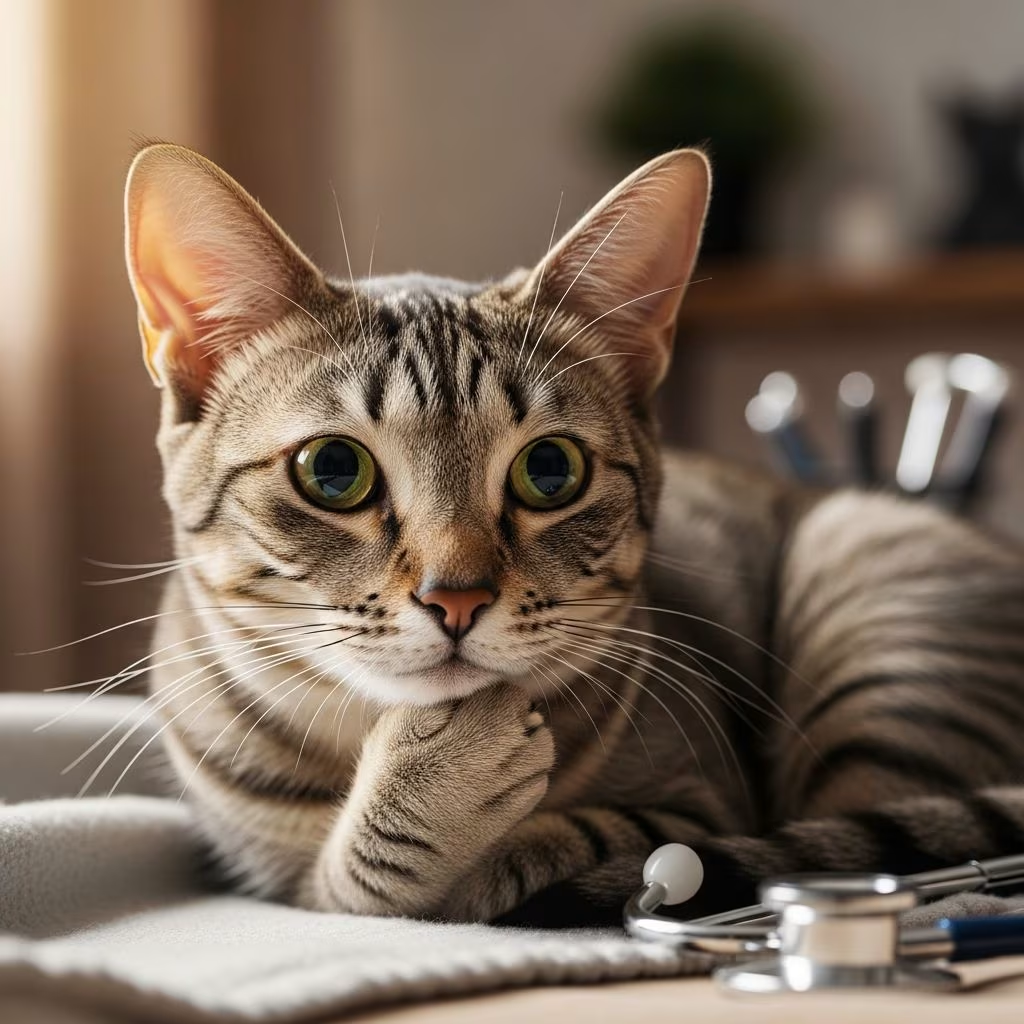
Colitis refers to inflammation of the colon, the final segment of a cat’s digestive system responsible for absorbing water and forming stool. This condition affects many felines, leading to discomfort and disrupted bowel habits. Recognizing early signs and pursuing proper management can significantly improve a cat’s quality of life.
Recognizing the Signs of Colitis
The most noticeable indicator of colitis in cats is diarrhea, often characterized by frequent attempts to defecate with small amounts of stool. This stool typically appears soft, watery, or jelly-like, frequently containing mucus, fresh blood, or a combination of both. Cats may strain during elimination, vocalize in pain, or defecate outside the litter box due to urgency.
- Frequent, small-volume defecations throughout the day
- Stool with visible mucus or bright red blood
- Straining or tenesmus, where the cat appears to have incomplete evacuation
- Possible appetite loss, vomiting, or weight reduction in prolonged cases
These symptoms distinguish colitis from small intestine issues, where larger stool volumes are common. Acute episodes might resolve quickly, but recurring patterns signal chronic problems needing attention.
Common Triggers Behind Colon Inflammation
Several factors can ignite inflammation in a cat’s colon. Infections top the list, including bacterial overgrowth, viral pathogens, and protozoal invaders like Giardia. Parasites such as roundworms or whipworms irritate the lining, prompting immune responses.
Food-related issues are prevalent too. Allergies or intolerances to proteins in commercial diets can provoke ongoing reactions, sometimes evolving into inflammatory bowel disease (IBD). Abrupt diet switches or scavenging indigestible items exacerbate matters.
Stress plays a notable role, especially in multi-cat homes or during changes like new arrivals or travel. Physical blockages from swallowed objects, polyps, or tumors represent rarer but serious culprits. Certain medications or underlying conditions like hyperthyroidism may contribute indirectly.
Types of Colitis: Acute vs. Chronic
| Type | Duration | Common Causes | Prognosis |
|---|---|---|---|
| Acute | Sudden, short-term (days to weeks) | Stress, dietary upset, parasites | Often self-resolves or responds quickly to basic care |
| Chronic | Recurrent or persistent (months+) | IBD, allergies, infections, neoplasia | Requires ongoing management; lifelong in some cases |
Acute colitis frequently stems from transient triggers and may not demand extensive intervention. Chronic forms, however, involve deeper immune dysregulation or structural changes, demanding thorough investigation.
Diagnostic Approaches for Accurate Identification
Veterinarians start with a detailed history and physical exam, noting diet, environment, and symptom patterns. Fecal analysis detects parasites, bacteria, or protozoa. Blood tests evaluate hydration, organ function, and inflammation markers.
Imaging like ultrasound or radiographs reveals thickening or masses. For persistent cases, endoscopy or biopsy provides definitive insights into cellular changes, distinguishing IBD from cancer.
- Fecal flotation and PCR for parasites
- Complete blood count and chemistry panel
- Abdominal ultrasound for wall thickness
- Colonoscopy with biopsy for histopathology
Treatment Strategies Tailored to the Cause
Management hinges on pinpointing the root issue. For acute, mild instances, fasting for 12-24 hours followed by a bland diet restores balance. Boiled chicken or fish with rice offers digestibility, transitioning to high-fiber prescription formulas.
Parasitic causes warrant dewormers like fenbendazole. Bacterial imbalances may need metronidazole, which also curbs protozoa and modulates immunity. Anti-inflammatories such as prednisolone address IBD effectively.
Supportive measures include subcutaneous fluids for dehydration, probiotics to repopulate beneficial gut flora, and fiber supplements like psyllium for stool firmness.
Nutritional Interventions for Gut Recovery
Diet forms the cornerstone of therapy. Novel protein diets—using venison or duck—bypass allergies. Hydrolyzed proteins break down allergens into non-reactive fragments. High-fiber options bulk stool, slowing transit and aiding water absorption.
Feed small, frequent meals to minimize overload. Prescription diets from brands like Hill’s i/d incorporate prebiotics and balanced nutrients lost in diarrhea.
- Novel or hydrolyzed protein sources
- Soluble fiber additions (psyllium, beet pulp)
- Probiotic-enriched formulas
- Avoid high-fat or milk-based treats
Advanced Therapies for Refractory Cases
When standard approaches falter, escalate to immunosuppressants or biologics. Fecal microbiota transplantation (FMT) restores microbiome diversity via enemas or capsules, showing promise in research.
Surgical resection applies to polyps or localized tumors. B12 injections correct deficiencies common in chronic inflammation.
Preventive Measures and Home Management
Minimize stress with stable routines, pheromone diffusers, and separate resources in multi-cat setups. Gradual diet transitions prevent shocks. Routine deworming and flea control curb parasites.
Monitor litter habits closely; early intervention averts escalation. Annual vet checkups catch predispositions.
Living with Chronic Colitis: Long-Term Outlook
Many cats thrive on maintenance diets and periodic meds. Track weight, stool quality, and energy. Adjust based on flare-ups. While not always curable, remission is achievable, enhancing comfort and longevity.
Frequently Asked Questions
Can colitis in cats be fatal?
Rarely directly, but untreated dehydration or complications like sepsis can endanger life. Prompt care yields excellent outcomes.
Is wet food better for cats with colitis?
Hydrating wet foods aid digestion, but select low-residue, vet-recommended varieties over free-feeding.
How long does acute colitis last?
Typically 3-5 days with supportive care; persistent symptoms need vet evaluation.
Can stress alone cause colitis?
Yes, via gut motility changes and immune shifts, common post-travel or household changes.
Are probiotics safe for all cats?
Generally yes, but consult vets for strains targeting feline microbiomes.
References
- Colitis in Cats – Causes, Treatment and Associated — Vetster. 2023. https://vetster.com/en/conditions/cat/colitis-in-cats
- Cat Colitis | Causes, Signs & Treatment — Hill’s Pet. 2023. https://www.hillspet.co.uk/cat-care/healthcare/colitis-in-cats
- Colitis in Cats: Symptoms, Causes, Diagnosis & Treatment — Cats.com. 2023. https://cats.com/colitis-in-cats
- Colitis in Small Animals – Digestive System — Merck Veterinary Manual. 2024-02-01. https://www.merckvetmanual.com/digestive-system/diseases-of-the-large-intestine-in-small-animals/colitis-in-small-animals
- Inflammatory Bowel Disease — Cornell University College of Veterinary Medicine. 2023. https://www.vet.cornell.edu/departments-centers-and-institutes/cornell-feline-health-center/health-information/feline-health-topics/inflammatory-bowel-disease
- Feline – Colitis — PetAssure. 2023. https://www.petassure.com/education/cat-disease/feline-colitis-insurance/
- Colitis in cats — JOII Pet Care. 2023. https://www.joiipetcare.com/blogs/health-conditions/colitis-in-cats



