
Colibacillosis In Poultry: Comprehensive Guide For Farmers
Understanding the Impact, Symptoms, and Control of E. coli Infections in Poultry Flocks Worldwide
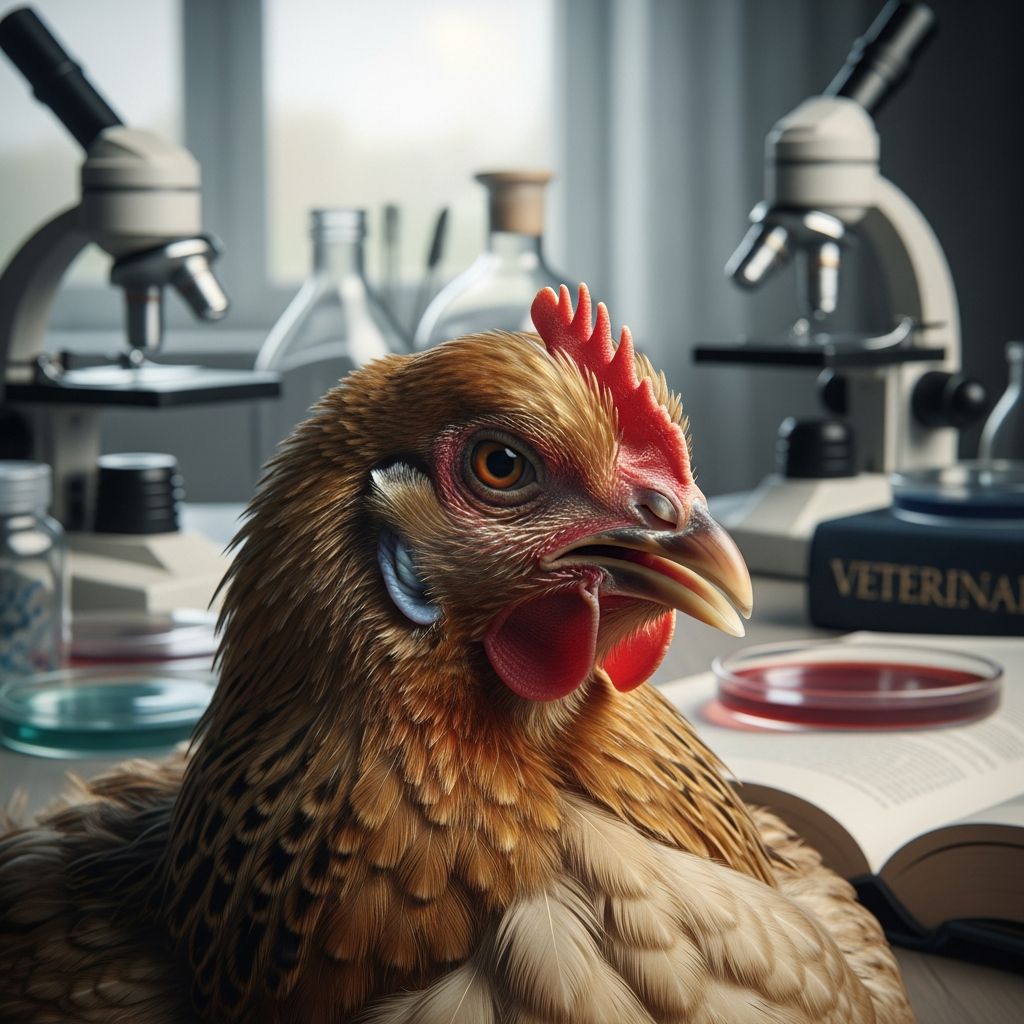
Colibacillosis represents one of the most prevalent bacterial infections impacting poultry production globally, primarily driven by strains of Escherichia coli known as avian pathogenic E. coli (APEC). This disease manifests in various forms, from localized infections to systemic septicemia, leading to substantial economic repercussions through increased mortality, reduced growth rates, and diminished egg production.
The Nature and Pathogenesis of the Disease
At its core, colibacillosis arises when specific E. coli strains, part of the normal intestinal flora, transition into opportunistic pathogens under favorable conditions. These APEC strains possess virulence factors such as adhesins, toxins, and protective capsules that enable tissue invasion and immune evasion. The bacterium thrives in environments contaminated by feces, spreading via dust inhalation, contaminated water, or feed, particularly in densely populated poultry houses.
In broilers, the disease peaks between 4-6 weeks of age, coinciding with rapid growth phases where stress compromises immunity. Layers and breeders face risks around peak production, with salpingitis contributing to sporadic deaths. Predisposing factors include concurrent viral infections like infectious bronchitis virus (IBV) or Newcastle disease virus (NDV), mycoplasmosis, poor ventilation, high ammonia levels, and nutritional imbalances.
Clinical Manifestations Across Poultry Types
Colibacillosis presents diversely depending on the bird’s age, infection route, and immune status. In young chicks, omphalitis—often termed ‘mushy chick disease’—stems from navel contamination during hatching, resulting in yolk sac inflammation, edema, and high embryonic or neonatal mortality. Affected chicks appear wet, lethargic, with swollen abdomens and unhealed navels.
Older birds exhibit respiratory forms, characterized by airsacculitis, pneumonia, and pericarditis. Clinical signs include ruffled feathers, nasal discharge, coughing, reduced feed intake, and poor weight gain. Systemic spread leads to polyserositis, with fibrinous exudates coating organs like the heart, liver, and air sacs—a condition known as colisepticemia.
- Respiratory distress: Foamy exudate in air sacs progressing to caseous material.
- Cellulitis: Skin infections, especially in broilers, causing subcutaneous abscesses.
- Reproductive tract issues: Salpingitis and peritonitis in layers, reducing egg output.
- Enteritis and granulomas: Intestinal inflammation or nodular lesions in chronic cases.
In layers, E. coli ascent into the oviduct triggers salpingoperitonitis, marked by yellow fibrin on ovaries and oviducts, often linked to fecal contamination during egg-laying.
Diagnosis: Confirming E. coli Involvement
Accurate diagnosis hinges on clinical observation, necropsy findings, and laboratory confirmation. Post-mortem reveals characteristic lesions: cloudy air sacs, pericardial effusion, hepatic fibrin tags, and perihepatitis. Swabs from lesions cultured on selective media identify E. coli, with antimicrobial sensitivity testing crucial due to resistance trends.
Histopathology shows bacterial emboli in vessels and inflammatory infiltrates. Differentiating from salmonellosis or fowl typhoid requires bacterial serotyping and PCR for virulence genes. Early detection via flock monitoring prevents outbreaks.
Economic Burden on the Poultry Industry
Colibacillosis inflicts heavy financial strain, accounting for significant mortality in broilers (up to 20-30% in outbreaks) and condemning birds due to cellulitis. In layers, it slashes egg production by 10-20% during peaks, compounded by culls and treatment costs. Globally, losses exceed millions annually from condemned carcasses, veterinary interventions, and suboptimal feed efficiency.
| Production Type | Primary Impacts | Estimated Losses |
|---|---|---|
| Broilers | Mortality, cellulitis condemnation | High (4-6 wk peak) |
| Layers/Breeders | Salpingitis, reduced eggs | Sporadic deaths, late lay drop |
| Turkeys/Other | Respiratory, septicemia | Variable by age |
Prevention Strategies: Building Resilient Flocks
Proactive management targets environmental control and immunity enhancement. Core measures include:
- Biosecurity: Strict hygiene, all-in-all-out systems, footbaths, and rodent control to curb fecal spread.
- Ventilation and litter management: Maintain low ammonia (<20 ppm), optimal temperature (24-28°C), and dry litter to minimize dust.
- Water quality: Chlorination or acidification to reduce bacterial load.
- Vaccination: Against predisposing agents like IBV, NDV, mycoplasma, and IBD to bolster respiratory defenses.
Clean hatching eggs, proper incubation, and navel disinfection at hatch mitigate omphalitis. Autogenous vaccines using farm-specific APEC strains show promise in reducing outbreaks. Nutritional support with vitamins A, E, and selenium enhances immunity.
Treatment Approaches Amid Resistance Challenges
Antimicrobial therapy remains a frontline response, with sensitivity-guided choices like enrofloxacin, amoxicillin, or trimethoprim-sulfamethoxazole. However, multidrug-resistant APEC strains complicate efficacy, urging prudent use and withdrawal periods. Supportive care—electrolytes, vitamins—improves survival.
In severe outbreaks, mass medication via water is common, but alternatives like probiotics, bacteriophages, and essential oils are emerging to curb resistance. Early intervention before septicemia halves mortality.
Research Frontiers and Future Directions
Ongoing studies focus on APEC genomics for targeted vaccines and rapid diagnostics. Phage therapy trials demonstrate reduced lesion scores in challenged birds. Integrated approaches combining vaccines, biosecurity, and microbiome modulation offer sustainable control.
Frequently Asked Questions (FAQs)
What causes colibacillosis in poultry?
Primarily avian pathogenic E. coli (APEC), triggered by stress, poor hygiene, or concurrent infections.
How can I spot colibacillosis early?
Watch for respiratory signs, lethargy, diarrhea, or navel swelling in chicks; necropsy confirms fibrinous lesions.
Is colibacillosis treatable?
Yes, with antibiotics based on sensitivity tests, alongside supportive care, though resistance is rising.
Can vaccines prevent it?
Indirectly, by vaccinating against predisposing viruses; autogenous E. coli vaccines are effective on farms.
Does it affect egg production?
Significantly in layers via salpingitis, causing drops and mortality.
References
- Colibacillosis – Poultry Hub Australia — Poultry Hub. Accessed 2026. https://www.poultryhub.org/all-about-poultry/health-management/disease/colibacillosis
- Avian Colibacillosis and Salmonellosis: A Closer Look at … – PMC — National Center for Biotechnology Information. 2009-12-01. https://pmc.ncbi.nlm.nih.gov/articles/PMC2819778/
- COLIBACILLOSIS IN POULTRY — Poultry Extension. Accessed 2026. https://poultry.extension.org/articles/poultry-health/common-poultry-diseases/colibacillosis-in-poultry/
- Colibacillosis in Layers: an Overview — The Poultry Site. Accessed 2026. https://www.thepoultrysite.com/articles/colibacillosis-in-layers-an-overview
- Colibacillosis in poultry: A disease overview and the … — eJournals (Hellenic Veterinary Medical Society). Accessed 2026. https://ejournals.epublishing.ekt.gr/index.php/jhvms/article/view/25915
Similar Articles








Read full bio of Sneha Tete


