

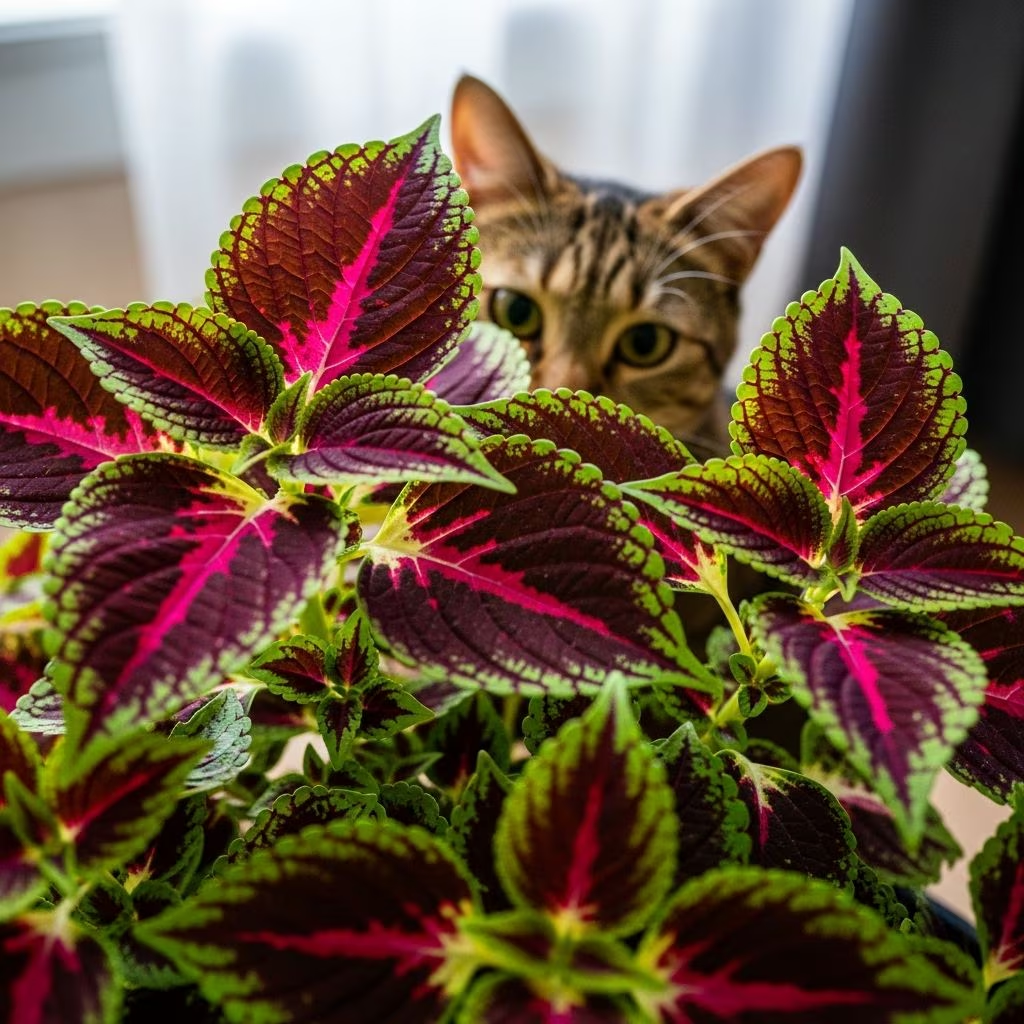
Vibrant coleus plants captivate gardeners with their mosaic-like leaves in shades of purple, green, red, and yellow, making them popular choices for indoor pots and outdoor borders. However, these eye-catching ornamentals harbor essential oils that render them hazardous to cats, potentially leading to gastrointestinal distress and skin reactions upon contact or ingestion. While rarely fatal, exposure warrants vigilance from pet owners to prevent discomfort for their feline friends.
Understanding the Toxicity Profile of Coleus
Coleus, scientifically known as Plectranthus scutellarioides (formerly Solenostemon scutellarioides), belongs to the mint family and thrives in shaded spots, producing foliage that rivals flowers in appeal. The plant’s toxicity stems from diterpenes like coleonol and coleon O, alongside irritating essential oils that affect cats’ sensitive systems. Unlike humans, cats lack certain liver enzymes to metabolize these compounds efficiently, amplifying their impact.
The ASPCA classifies coleus as toxic to cats, dogs, and horses, with primary effects manifesting as digestive upset rather than severe systemic damage. Low ingestion levels typically provoke mild responses, but repeated or substantial exposure escalates risks, emphasizing the need for proactive management in pet households.
How Cats Encounter Coleus Hazards
Felines may brush against coleus leaves during play or exploration, transferring oils to their fur, which they then groom off, leading to oral and dermal exposure. Direct nibbling on leaves or stems—often out of curiosity or boredom—introduces the toxins internally. Indoor setups amplify risks, as curious cats leap onto shelves or window sills hosting hanging baskets.
- Contact dermatitis: Oils irritate skin, especially on paws, muzzle, or thinly furred areas.
- Oral ingestion: Chewing foliage triggers immediate mucosal inflammation.
- Grooming transfer: Post-contact licking spreads irritants to the digestive tract.
Outdoor coleus beds pose lesser threats to strictly indoor cats, provided no roaming occurs, but hybrid households demand caution.
Recognizing Symptoms of Coleus Exposure in Cats
Signs vary by exposure route but generally appear within hours. Skin contact yields rash, redness, itching, and swelling, potentially on tongue, gums, or lips if grooming follows. Gastrointestinal involvement from ingestion prompts vomiting, diarrhea, abdominal pain, and occasionally bloody stools.
| Exposure Type | Common Symptoms | Severity Level |
|---|---|---|
| Skin Contact | Rash, redness, itching, drooling | Mild |
| Ingestion | Vomiting, diarrhea, anorexia, depression | Mild to Moderate |
| Severe/High Dose | Bloody vomit/stools, lethargy, breathing issues | Moderate to Serious |
Advanced reactions like depression or anorexia signal deeper irritation, urging prompt veterinary consultation. Unlike oxalate-containing plants causing intense oral pain, coleus effects center on oils provoking inflammation without crystal embedding. Monitor for 24-48 hours post-suspected exposure.
Immediate Steps if Your Cat Contacts Coleus
Upon noticing symptoms, isolate the cat from the plant and rinse affected skin with mild soap and cool water to dilute oils. Offer small amounts of water or a bland diet to soothe the stomach, avoiding milk due to lactose intolerance in most cats. Track symptoms: mild cases often resolve in 12-24 hours with supportive care.
For persistent vomiting (over 3 episodes), bloody discharges, seizures, or respiratory distress, seek emergency vet care immediately. Vets may administer anti-emetics, fluids, or activated charcoal based on severity. Tele-vet services provide initial guidance when clinics are inaccessible.
Proactive Strategies to Protect Your Cat
Prevention trumps treatment in multi-pet homes. Elevate indoor coleus beyond jumping reach using high shelves or hanging planters with secure hooks. Opt for outdoor-only cultivation if space allows, fencing off garden areas or using pet-resistant containers.
- Train cats with deterrents like citrus sprays or aluminum foil around bases.
- Supervise playtime near greenery.
- Maintain a pet-safe plant inventory, consulting ASPCA lists regularly.
Enrich environments with cat grass, shelves, or toys to curb plant-chewing tendencies driven by boredom.
Why Coleus Appeals Despite the Risks
Beyond aesthetics, coleus offers shade tolerance and easy propagation from cuttings, rooting in water within weeks. Varieties like ‘Rainbow’ or ‘Fishnet Stockings’ dazzle with patterns, but their allure fades against pet safety. Gardeners prize low-maintenance growth in humid, indirect light, yet cat owners must weigh beauty against biology.
Safe, Cat-Friendly Plant Alternatives
Swap coleus for non-toxic options mimicking its vibrancy. Spider plants (Chlorophytum comosum) trail gracefully with white-striped leaves, thriving in similar conditions. Boston ferns add lush texture without hazards, while catnip (Nepeta cataria) entertains safely.
| Plant Name | Appeal | ASPCA Rating |
|---|---|---|
| Spider Plant | Arching, variegated foliage | Non-toxic |
| Parlor Palm | Elegant fronds, shade-loving | Non-toxic |
| Cat Thyme | Aromatic, feline attractant | Non-toxic |
| Bamboo Palm | Tall, air-purifying | Non-toxic |
These substitutes maintain visual interest while prioritizing safety.
Broader Insights into Feline Plant Sensitivities
Cats’ unique metabolism heightens vulnerability to many ornamentals. Essential oils, saponins, and alkaloids in common houseplants trigger cascades from irritation to organ strain. Annual ASPCA reports highlight thousands of plant-related calls, underscoring education’s role. Owners blending greenery and pets benefit from hybrid strategies: vetted selections, barriers, and awareness.
FAQs: Coleus and Cat Safety
Is coleus fatal to cats?
No, coleus rarely causes death due to its low toxicity, but symptoms like severe vomiting require vet attention.
Can outdoor coleus harm indoor cats?
Unlikely if cats don’t access yards, but pollen or debris tracking indoors poses minor risks.
How quickly do coleus poisoning symptoms appear?
Typically within 1-4 hours, starting with drooling or vomiting.
Are all coleus varieties equally toxic?
Yes, essential oils are consistent across types like painted nettle or flame nettle.
What if my cat ate one leaf?
Monitor for mild GI upset; contact a vet if symptoms worsen beyond 24 hours.
Creating a Toxin-Free Feline Oasis
Balancing botanical beauty with cat welfare involves informed choices. By selecting safe flora, implementing barriers, and responding swiftly to incidents, owners foster harmonious homes. Regular vet check-ins and poison control hotlines (e.g., ASPCA at 888-426-4435) equip guardians against unseen threats. Coleus’s charm endures in pet-free zones, but cat-centric spaces thrive on alternatives.
References
- Are Coleus Poisonous? — Plant Addicts. 2023. https://plantaddicts.com/are-coleus-poisonous/
- Is Coleus Toxic to Cats? Vet Approved Advice — Catster. 2023-10-15. https://www.catster.com/cat-health-care/is-coleus-toxic-to-cats/
- Coleus – Toxic and Non-toxic Plants — ASPCA. 2024-01-01. https://www.aspca.org/pet-care/aspca-poison-control/toxic-and-non-toxic-plants/coleus
- Toxicity of House Plants to Pet Animals — PMC (National Library of Medicine). 2023-05-20. https://pmc.ncbi.nlm.nih.gov/articles/PMC10220692/



