
Coffin Bone Sequestra In Horses: Diagnosis, Surgery, Recovery
Understanding the causes, diagnosis, and surgical solutions for necrotic bone fragments in equine hooves.
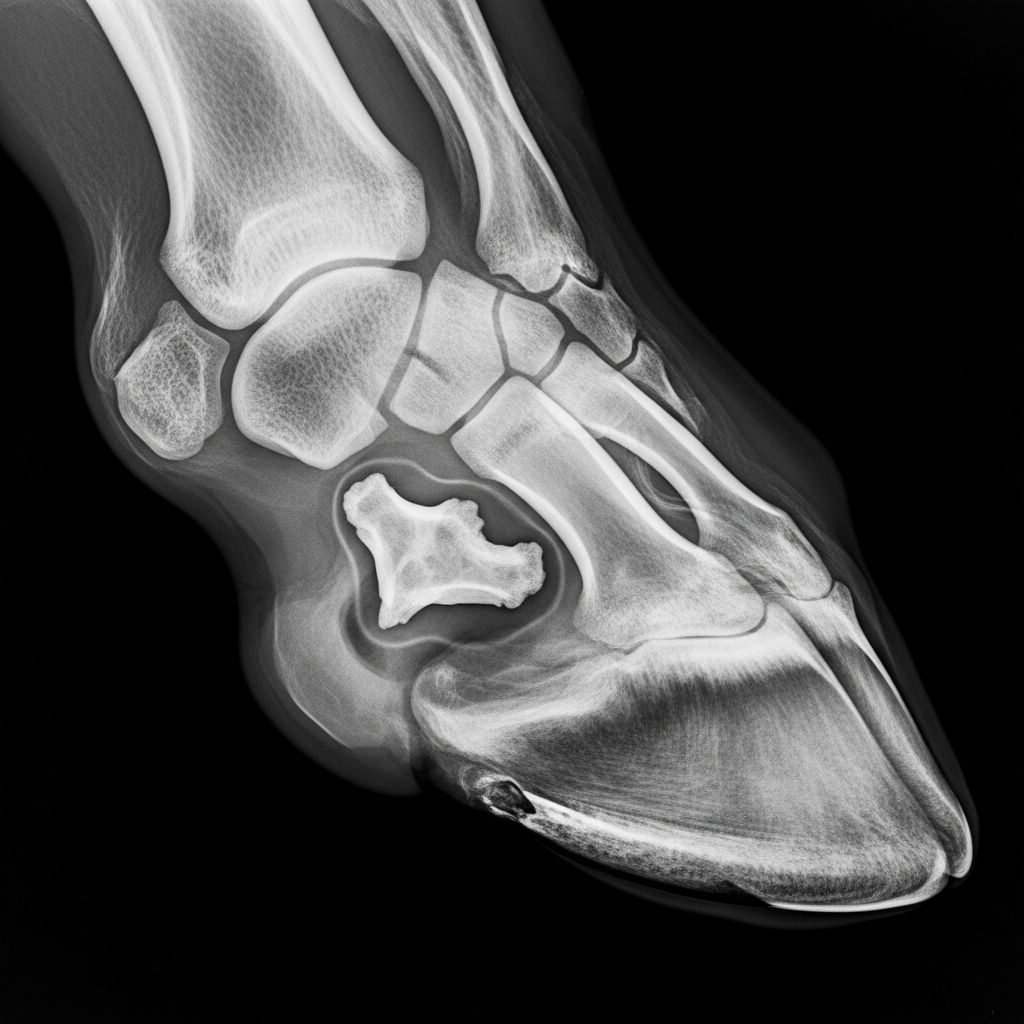
Dead bone fragments known as sequestra in the coffin bone, or distal phalanx, represent a serious musculoskeletal issue in horses, often stemming from penetrating injuries or chronic inflammatory conditions. These necrotic segments fail to integrate with living bone, leading to persistent lameness and recurrent infections that demand prompt veterinary intervention for resolution.
Understanding the Anatomy of the Equine Coffin Bone
The coffin bone forms the foundation of the equine hoof, encased within the hoof wall and sole, supporting the horse’s weight while interfacing with sensitive laminae and solar dermis. Composed primarily of compact cortical bone on its surface and cancellous bone internally, it receives blood supply through periosteal vessels and nutrient foramina, making it vulnerable to disruptions from trauma or ischemia.
Key anatomical features include the solar margin, which contacts the solar corium, and the parietal surface interfacing with the hoof wall. Disruptions here, such as from nail punctures or abscess extension, can compromise vascular integrity, initiating pathological processes like osteitis and subsequent sequestrum development.
Primary Causes Leading to Sequestrum Formation
Sequestra typically arise when bacterial infection or trauma severs blood supply to a bone segment, causing avascular necrosis. Common triggers encompass:
- Penetrating sole injuries: Nails, screws, or sharp debris breaching the sole introduce pathogens directly to the bone surface.
- Deep subsolar abscesses: Untreated pus collections erode through soft tissues into bone, fostering chronic osteomyelitis.
- Chronic laminitis complications: Vascular compromise and lamellar separation in laminitic feet predispose to secondary infections and bone necrosis.
- Hoof wall defects: Cracks, white line separations, or aggressive trimming allow microbial ingress.
Environmental pathogens like Staphylococcus aureus or Fusobacterium necrophorum thrive in the anaerobic hoof environment, exacerbating tissue damage and promoting dead bone isolation.
Recognizing Clinical Symptoms Early
Horses affected by coffin bone sequestra exhibit a spectrum of signs, often mimicking routine hoof abscesses but with recurrent patterns. Primary indicators include:
- Grade 2-4/5 lameness, worsening on turns or hard surfaces.
- Recurrent abscess drainage from the same sole spot or coronary band.
- Heat, swelling, or digital pulse in the affected foot.
- Variable response to initial abscess drainage and antibiotics, with flare-ups after weeks.
Chronic cases may show hoof wall distortion, widened white lines, or solar bruising due to compensatory weight shifts. Owners frequently report history of recent farriery mishaps or prolonged stall rest following laminitis episodes.
Diagnostic Approaches for Accurate Identification
Confirming a sequestrum requires a multimodal diagnostic strategy, prioritizing imaging to differentiate from fractures or soft tissue abscesses.
Radiographic Evaluation
Lateral and oblique radiographs reveal characteristic findings: a well-defined, sclerotic bone fragment separated from parent bone by a radiolucent halo, often with surrounding osteolysis. Delaying imaging 2-3 weeks post-injury enhances visibility as the sequestrum mineralizes distinctly. Frog packing minimizes gas artifacts for clearer solar margin views.
Advanced Imaging Modalities
Nuclear scintigraphy highlights hot spots of active bone remodeling in early osteitis, while CT scans offer superior detail for complex cases involving synovial involvement. Ultrasonography assesses draining tracts, guiding biopsy if needed.
| Diagnostic Tool | Key Findings | Advantages |
|---|---|---|
| Radiography | Sclerotic fragment with lucent rim | Cost-effective, widely available |
| Scintigraphy | Increased uptake at lesion | Detects early changes |
| CT | 3D bone detail | Precise fragment localization |
Lameness exams with perineural blocks localize pain to the foot, while cytology from drainage tracts identifies bacteria, supporting osteomyelitis diagnosis.
Surgical Management Strategies
Definitive treatment involves surgical excision of the necrotic fragment to halt infection progression and stimulate healing. Procedures commence under standing sedation or general anesthesia.
- Preoperative Preparation: Radiographs guide incision planning; broad-spectrum antimicrobials mitigate systemic spread.
- Solar Debridement: Hoof knife and curette expose the defect; sequestrum removal via rongeurs ensures clean margins.
- Wall Resection (if needed): For dorsal or medial fragments, partial hoof wall removal provides access.
- Postoperative Care: Sole packing with antimicrobial bandages or treatment plates prevents contamination; regional limb perfusion delivers high-dose antibiotics.
Healing timelines span 8-12 weeks, monitored via serial radiographs showing bone remodeling.
Supportive Medical Therapies
Adjunctive treatments bolster surgical outcomes:
- Systemic Antimicrobials: Penicillin and gentamicin target common isolates for 4-6 weeks.
- Local Therapies: Soaks in Epsom salts or honey dressings promote granulation.
- Farriery Support: Padded shoes offload pressure, encouraging solar defect closure.
- NSAIDs: Phenylbutazone manages pain and inflammation.
Prognostic Factors Influencing Recovery
Most horses (85-95%) return to soundness post-sequestrectomy if infection is confined to bone. Guarded prognoses apply to cases with:
- Navicular bursa or joint extension.
- Pathologic fractures from demineralization.
- Chronic laminitis distorting hoof architecture.
Early intervention yields best results; delays risk extensive lysis and laminitis induction in contralateral limbs from overuse.
Preventive Measures for Horse Owners
Proactive hoof care minimizes risks:
- Regular farrier visits to address cracks promptly.
- Avoiding rocky terrain barefoot; use protective boots for trail riding.
- Early laminitis management with venograms and deep digital flexor tenotomy.
- Post-penetration protocols: immediate radiographs and poulticing.
Educating on abscess signs empowers timely intervention, averting sequestrum evolution.
Frequently Asked Questions (FAQs)
What is a coffin bone sequestrum?
A detached necrotic bone piece in the distal phalanx due to infection or trauma, causing lameness.
How long does recovery take after surgery?
Typically 2-3 months for solar healing and radiographic resolution, with gradual return to work.
Can laminitis cause sequestra?
Yes, vascular changes and abscesses in chronic laminitis predispose to bone necrosis.
Is surgery always necessary?
Yes, conservative management fails as sequestra lack blood supply and perpetuate infection.
What breeds are most affected?
No breed predilection; performance horses and laminitic ponies are common.
Long-Term Management and Monitoring
Post-recovery, biannual radiographs track remodeling, while therapeutic shoeing maintains balance. Nutritional support with biotin and omega-3s bolsters hoof quality. Vigilance for contralateral lameness prevents compensatory issues.
In performance contexts, controlled exercise ramps up over 4 months, prioritizing flat work before jumping. Collaboration between veterinarians, farriers, and owners optimizes lifelong hoof health.
References
- Sequestra of the Distal Phalanx in Horses — Merck Veterinary Manual, Merck & Co., Inc. 2025. https://www.merckvetmanual.com/musculoskeletal-system/disorders-of-the-foot-in-horses/sequestra-of-the-distal-phalanx-in-horses
- Distal Phalanx: Pedal Osteitis – Septic in Horses — Vetlexicon Equis. Recent update. https://www.vetlexicon.com/equis/surgery-orthopedic/articles/distal-phalanx-pedal-osteitis-septic/
- Equine Foot Surgery: A Joint Venture With the Farrier — EquiPodiatry. Recent publication. https://www.equipodiatry.com/news/28
- Equine Distal Phalangeal Sequestration — Wiley Online Library (Veterinary Radiology & Ultrasound). 1990-05-01. https://onlinelibrary.wiley.com/doi/abs/10.1111/j.1740-8261.1990.tb01815.x
- 5 Types of Coffin Bone Lameness in Horses — Mad Barn (veterinary resource). Recent. https://madbarn.com/coffin-bone-lameness-in-horses/
Similar Articles








Read full bio of medha deb


