

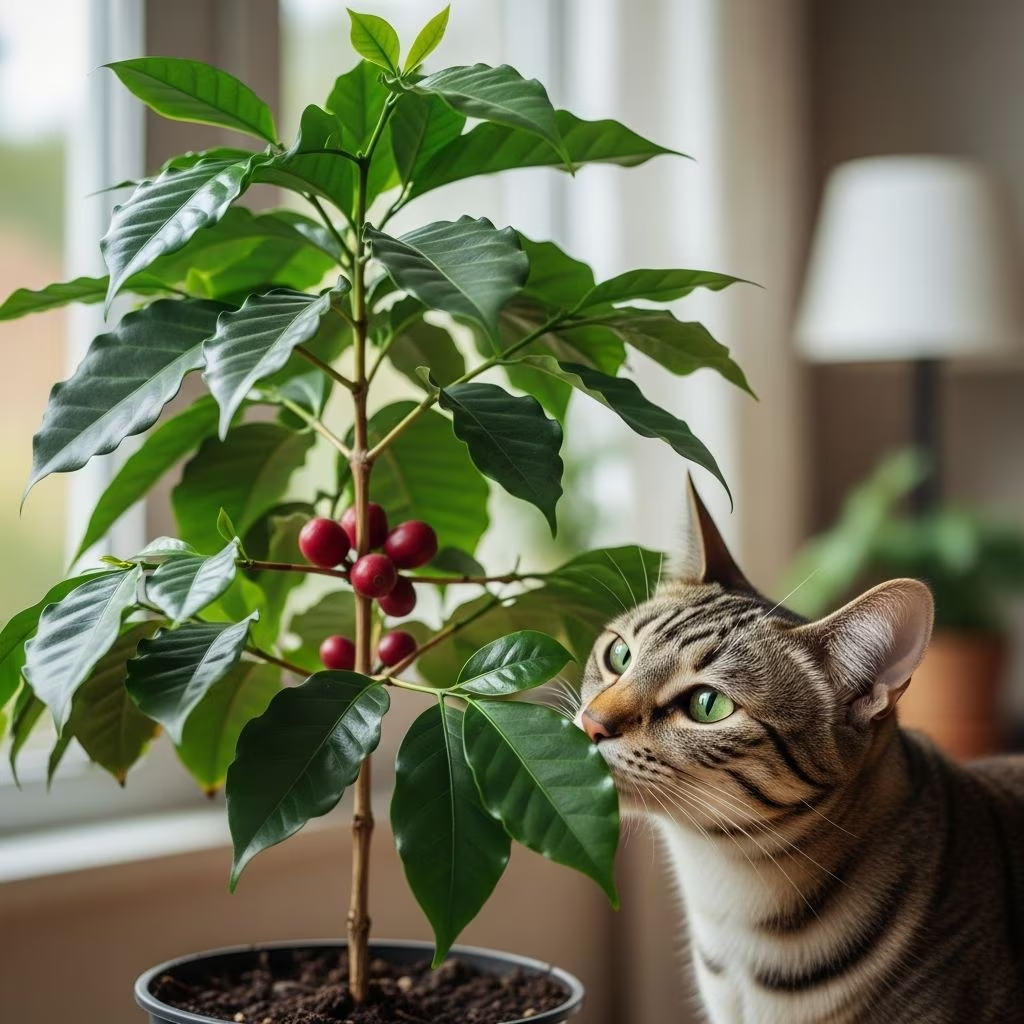
Houseplants add vibrancy to homes, but for cat owners, selecting the right ones is crucial to avoid health hazards. Coffee plants, often grown for their lush foliage and exotic appeal, pose notable risks to felines due to specific toxic elements present in various species. While not all coffee-related greenery carries the same level of danger, understanding the distinctions between plants like Polyscias guilfoylei (coffee tree) and Coffea arabica (true coffee plant) is essential for pet safety.
Understanding Coffee Plant Varieties
Several plants go by ‘coffee plant’ names, leading to confusion among gardeners and pet owners. The coffee tree, scientifically known as Polyscias guilfoylei from the Araliaceae family, features glossy leaves and occasional small flowers or berries. This species contains saponins, natural detergents that irritate a cat’s skin, mouth, and digestive system upon contact or ingestion. In contrast, Coffea arabica and Coffea canephora produce the coffee beans humans enjoy, harboring caffeine primarily in their fruits and seeds rather than leaves.
Polyscias guilfoylei thrives indoors with moderate light and humidity, making it a popular choice unaware of its feline toxicity. Every part—leaves, stems, flowers, and berries—harbors the risk. True coffee plants like Coffea arabica have lower caffeine in foliage, but their ripe cherries pack a potent dose, equivalent to 1.2-2.2% caffeine content, far exceeding safe levels for cats.
| Plant Type | Scientific Name | Toxic Compound | Primary Risk Areas |
|---|---|---|---|
| Coffee Tree | Polyscias guilfoylei | Saponins | Skin, mouth, GI tract |
| True Coffee Plant | Coffea arabica/canephora | Caffeine (in fruits/seeds) | Fruits, beans; systemic effects |
Why These Plants Harm Cats
Cats lack the enzymes to metabolize certain plant chemicals efficiently, amplifying toxicity. Saponins in the coffee tree disrupt cell membranes, causing inflammation wherever they contact moist tissues like gums or the stomach lining. Caffeine from Coffea species stimulates the central nervous system excessively in felines, whose smaller body mass and slower caffeine clearance heighten vulnerability. A lethal dose for cats is around 80 mg per kg of body weight—roughly the caffeine in one human coffee cup for a 4kg cat.
Beyond direct ingestion, cats may brush against leaves, transferring irritants during grooming. Boredom or curiosity drives nibbling, especially in indoor environments lacking stimulation. Even minimal exposure can trigger discomfort, while larger amounts lead to severe distress.
Recognizing Exposure Symptoms
Clinical signs vary by exposure amount and plant type. Mild contact with Polyscias guilfoylei might cause paw licking, drooling, or red skin patches from dermatitis. Ingestion escalates to vomiting, diarrhea, and appetite loss as saponins inflame the gut.
- Gastrointestinal upset: Vomiting, loose stools, abdominal tenderness.
- Oral irritation: Excessive salivation, pawing at mouth.
- Behavioral changes: Lethargy, depression, reduced eating.
For caffeine-heavy encounters with Coffea fruits, symptoms intensify systemically. Initial hyperactivity gives way to rapid heart rate, panting, tremors, and coordination loss. Severe cases involve seizures, collapse, or irregular rhythms, appearing 2-4 hours post-ingestion. Without observation of the incident, these mimic other conditions, underscoring prompt veterinary input.
Immediate Response to Suspected Poisoning
If you witness plant interaction or notice odd behaviors, act swiftly but calmly. Remove plant remnants from your cat’s mouth if safe, and prevent further access. Note the plant type, amount involved, and symptom onset time. Do not induce vomiting without professional guidance, as some toxins worsen with this.
Contact your veterinarian or an animal poison hotline immediately. Provide details for accurate assessment. Transport the cat promptly if symptoms progress, bringing a plant sample or photo for identification.
Veterinary Diagnosis and Care
Vets rely on history and symptoms since no specific test detects coffee tree saponins. Physical exams check hydration, heart function, and abdominal pain. Bloodwork rules out dehydration or organ strain, especially post-caffeine exposure where cardiac monitoring is key.
Treatment focuses on support: activated charcoal binds remaining toxins, anti-nausea drugs curb vomiting, and IV fluids combat dehydration. Skin irritations receive soothing rinses. Most cats recover fully within 24-72 hours with minimal intervention, as severe outcomes are uncommon. Monitor at home post-discharge for lingering effects like appetite return.
Preventing Future Incidents
Proactive measures safeguard your home. Relocate toxic plants to cat-free zones like high shelves, hanging baskets, or enclosed rooms. Use deterrents: citrus sprays (cats dislike the scent), aluminum foil around pots, or motion-activated air puffs.
Enrich environments with cat grass, scratching posts, and interactive toys to curb plant-chewing boredom. Research before acquiring greenery—consult ASPCA toxic plant lists.
Safe Alternatives for Cat-Friendly Homes
Opt for verified non-toxic options to maintain your green oasis:
- Spider Plant (Chlorophytum comosum): Air-purifying, resilient, ignores felines.
- Parlor Palm (Chamaedorea elegans): Elegant, shade-tolerant, harmless.
- Boston Fern (Nephrolepis exaltata): Lush, humidity-loving, safe nibbling.
- Calathea Varieties: Colorful patterns, low-light friendly, non-irritating.
These thrive indoors without risking health, blending aesthetics with safety.
Common Myths About Plant Toxicity
Myths persist: ‘Cats avoid bad plants’ ignores curiosity-driven accidents. ‘Leaves are safe, only fruits harm’ overlooks uniform saponins in coffee trees. ‘Small nibbles won’t hurt’ underestimates cumulative irritation. Dispel these with evidence-based knowledge.
Long-Term Health Impacts
Rarely do single exposures cause lasting damage, but repeated low-level contact erodes gut health or sensitizes skin. Caffeine incidents stress hearts, risky for seniors or cardiac-prone cats. Vigilance prevents escalation.
FAQs
Are all coffee plants equally toxic to cats?
No. Polyscias guilfoylei affects via saponins across parts; Coffea arabica endangers mainly through caffeine-laden fruits.
What if my cat ate one coffee cherry?
Seek vet care urgently—caffeine content risks severe symptoms like tremors or arrhythmias.
Can I keep coffee plants with precautions?
Possible in inaccessible spots, but safer swaps exist for peace of mind.
How quickly do symptoms appear?
Saponin irritation within hours; caffeine effects in 2-4 hours.
Is coffee tree poisoning fatal?
Rarely, with prompt treatment; most recover fully.
References
- Are Coffee Plants Toxic to Cats? Vet-Reviewed Houseplants — Catster. 2023. https://www.catster.com/cat-health-care/are-coffee-plants-toxic-to-cats/
- Is the Coffee Plant Toxic? How to Cultivate a Coffee Plant at Home — Coffee Annan. 2023. https://coffeeannan.com/en/blogs/blog/kaffeepflanze-giftig
- Top 8 Feline and Canine Toxic Plants: What You Need to Know — 1st Pet Vet. 2023. https://1stpetvet.com/pet-health-information/top-8-feline-and-canine-toxic-plants-what-you-need-to-know/
- Coffee Tree – Toxic and Non-toxic Plants — ASPCA. 2023-10-01. https://www.aspca.org/pet-care/aspca-poison-control/toxic-and-non-toxic-plants/coffee-tree
- Caring for a Coffea Arabica | Coffee Plant — Plantsome. 2023. https://plantsome.ca/pages/plantcare/coffea-arabica-coffee-plant



