Coconut Water for Dogs: Benefits and Safety Guide
Discover if coconut water is safe for your dog, its key benefits for hydration and health, and how to offer it properly without risks.
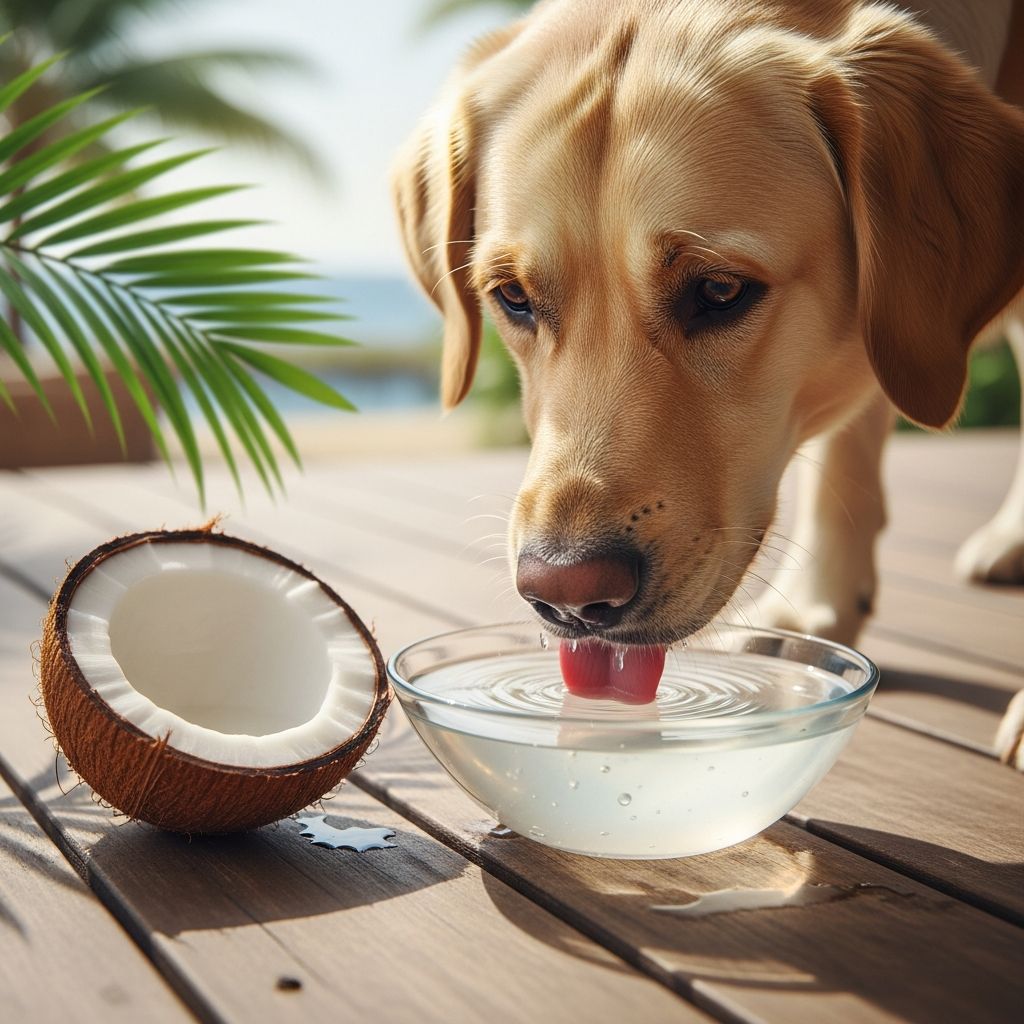
Coconut water offers dogs a natural source of hydration and electrolytes when given in moderation. It supports recovery from exercise and aids mild digestive needs but must not replace plain water as the primary drink.
Nutritional Profile of Coconut Water and Its Relevance to Canine Health
Coconut water stands out due to its rich composition of natural electrolytes like potassium, magnesium, and sodium, which dogs lose through panting and physical activity. These minerals help maintain muscle function and energy levels, making it useful for active or dehydrated pets.
Beyond electrolytes, it provides trace amounts of B vitamins that contribute to energy metabolism. Antioxidants in coconut water may offer minor protective effects against oxidative stress, though they do not replace a complete diet. For dogs, this makes it an occasional supplement rather than a staple.
- Potassium: Supports nerve signals and fluid balance.
- Magnesium: Aids muscle relaxation and bone health.
- Sodium: Helps regulate blood pressure and hydration.
This profile positions coconut water as a refreshing option during hot weather or post-exercise recovery, encouraging fluid intake when dogs resist plain water.
Key Advantages for Your Dog’s Well-Being
One primary benefit is enhanced hydration, especially for dogs recovering from mild illness or intense play. Its mild sweetness often appeals to picky drinkers, promoting better fluid consumption without added sugars if pure.
For athletic dogs, it replenishes lost electrolytes quickly, reducing fatigue. Owners report dogs perking up after sips on long walks, as it mimics a natural sports drink tailored for canines.
Digestive support comes from its gentle nature; small amounts can soothe minor upsets like diarrhea by restoring balance without irritating the gut. However, evidence remains anecdotal, and it’s no substitute for veterinary treatment.
| Scenario | Benefit | Recommended Amount |
|---|---|---|
| Hot weather exercise | Electrolyte restoration | 1-4 oz, diluted |
| Mild dehydration | Increased fluid intake | Teaspoon to 2 oz |
| Post-activity recovery | Energy boost | Up to 1 cup for large breeds |
Practical Ways to Incorporate It into Your Dog’s Routine
Introduce coconut water gradually to avoid tummy troubles. Begin with a teaspoon mixed into regular water for small dogs, scaling to a few ounces for larger ones. Monitor for signs like loose stools.
Dilution is crucial: mix 1:1 with water to reduce sugar concentration and ease acceptance. Freeze into ice cubes for a cooling treat on warm days, providing slow-release hydration.
For daily use, limit to occasional treats—perhaps after park visits or during summer heat. Active breeds like Labs or Border Collies may benefit most, while seniors appreciate the gentle rehydration.
- Select 100% pure, unsweetened varieties.
- Check labels for additives like xylitol, which is toxic.
- Store in fridge and use fresh.
Potential Risks and How to Avoid Them
Excessive amounts lead to diarrhea due to natural sugars and potassium overload, potentially causing hyperkalemia in dogs with kidney issues. Always prioritize plain water.
Allergies are rare but possible; watch for itching or swelling. Processed brands with sugars or flavors exacerbate weight gain and dental problems.
Puppies, pregnant dogs, or those with health conditions should skip it unless vet-approved. High potassium demands caution for renal patients.
Comparing Coconut Water to Other Hydration Options
| Option | Pros | Cons | Best For |
|---|---|---|---|
| Coconut Water | Electrolytes, palatable | High potassium, sugar | Active adults |
| Plain Water | Safe, calorie-free | Less appealing | Daily use |
| Bone Broth | Flavorful, nutrients | Sodium-heavy | Sick dogs |
| Pedialyte (vet-approved) | Balanced electrolytes | Artificial | Dehydration cases |
Coconut water edges out for natural appeal but lags behind plain water for safety.
Expert Insights and Veterinary Recommendations
Vets generally endorse small amounts for healthy dogs, emphasizing label checks and moderation. It’s not a cure-all but complements balanced nutrition.
For sick dogs, it encourages drinking during recovery from gastroenteritis, but severe cases need professional fluids. Consult before use in breeds prone to kidney stones.
Frequently Asked Questions
Is coconut water safe daily for dogs?
No, limit to occasional use to prevent digestive issues and potassium buildup.
How much coconut water can a 50-lb dog have?
Up to 4-8 oz diluted, split across the day, based on activity.
Can puppies drink it?
Avoid until 6 months; their systems are sensitive.
What if my dog refuses it?
Dilute more or try frozen cubes for novelty.
Does it help with heatstroke?
It aids mild cases but seek vet for severe symptoms.
Related Coconut Products for Dogs
Fresh coconut meat provides fiber and fats in tiny portions, avoiding shells to prevent choking. Coconut oil supports skin and joints via MCTs but use sparingly.
Coconut milk offers creaminess for food toppers, but its fat content limits it to traces.
Conclusion: A Smart Occasional Choice
Coconut water enhances canine hydration naturally when used wisely. Pair with vet guidance for best outcomes.
References
- PetMD: Can Dogs Eat Coconut? — PetMD. 2023. https://www.petmd.com/dog/nutrition/can-dogs-eat-coconut
- Whole Dog Journal: Is Coconut Water Good for Dogs? — Whole Dog Journal. 2023. https://www.whole-dog-journal.com/lifestyle/is-coconut-water-good-for-dogs/
- Fetch Pet Insurance: Can Dogs Drink Coconut Water? — Fetch Pet. 2023. https://www.fetchpet.com/the-dig/can-dogs-drink-coconut-water
- Heads Up For Tails: Is Coconut Safe for Dogs? — Heads Up For Tails. 2023. https://headsupfortails.com/blogs/dogs/coconut-for-dogs
- Furever Kare: Coconut Water for Dogs — Furever Kare. 2023. https://fureverkare.com/blogs/news/coconut-water-for-dogs
Similar Articles








Read full bio of medha deb