

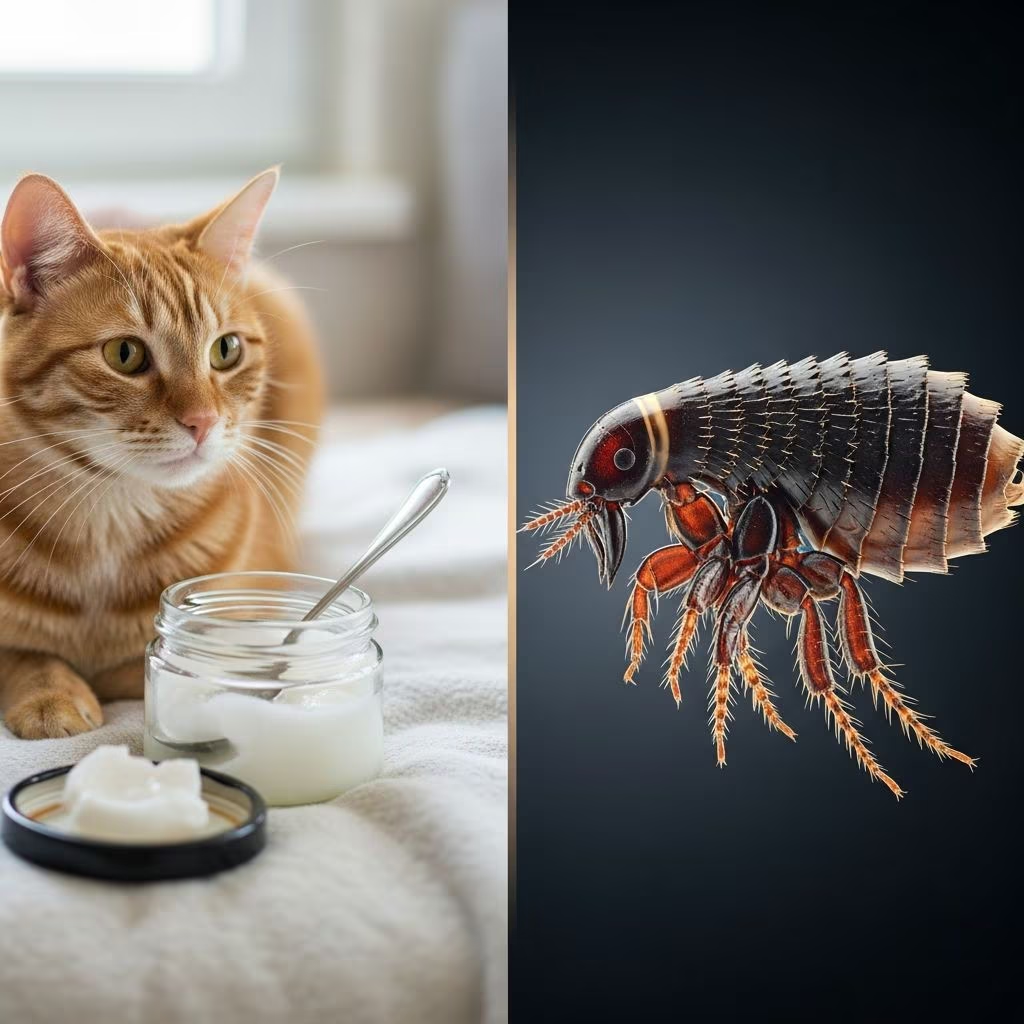
Fleas pose a persistent challenge for cat owners, prompting interest in natural solutions like coconut oil. While it offers some repellent qualities due to lauric acid, it does not eradicate infestations on its own, requiring integration with professional treatments for success.
The Science Behind Coconut Oil and Flea Interaction
Coconut oil contains **lauric acid**, a medium-chain fatty acid comprising about 50% of its composition. This compound disrupts the exoskeleton of adult fleas, potentially suffocating them or making the cat’s coat less hospitable. Studies and veterinary insights indicate this effect targets only mature fleas, leaving eggs, larvae, and pupae unaffected, which form over 95% of a typical infestation cycle.
Repellent action stems from the oil’s greasy barrier, deterring fleas from biting or laying eggs for a few days to a week. However, efficacy varies by infestation severity; light cases may see temporary relief, but heavy ones persist. Anti-inflammatory properties also soothe flea bite irritation, reducing redness and itching in affected cats.
Why Coconut Oil Falls Short as a Standalone Remedy
Despite popularity in pet circles, coconut oil lacks the potency to break the flea life cycle. Adult fleas represent mere 5% of the population, evading comprehensive control. Anecdotal reports highlight mixed outcomes: some owners note immediate flea drop-off and itch relief, while others face greasy residue complicating grooming or bathing.
Environmental factors amplify limitations. Fleas thrive in carpets, bedding, and yards, unaffected by topical cat applications. Without concurrent home sanitation—vacuuming, washing fabrics—reinfestation occurs rapidly.
| Aspect | Coconut Oil Effect | Flea Life Stage Impacted |
|---|---|---|
| Repellency | Temporary (3-7 days) | Adults only |
| Killing Power | Suffocation possible | Adults only |
| Life Cycle Control | None | Eggs/Larvae/Pupae untouched |
| Skin Relief | High (anti-inflammatory) | N/A |
Safe Application Guidelines for Cat Owners
Selecting quality matters: opt for organic, virgin, cold-pressed coconut oil to maximize lauric acid retention. Fractionated versions (MCT oil) stay liquid, absorbing faster without greasiness.
- Patch Test: Apply a pea-sized amount to the inner ear or belly skin; monitor 24 hours for redness, swelling, or excessive grooming.
- Topical Use: Warm 1/4-1/2 teaspoon in palms (adjust by cat size), massage into fur focusing on neck, armpits, tail base. Comb through with a flea comb post-application.
- Oral Dosage: Start at 1/8 teaspoon daily mixed in food for small cats; limit to 1/4 teaspoon for adults to avoid diarrhea from over-ingestion.
- Frequency: Weekly maximum to prevent oily buildup, matting, or digestive upset.
Never apply near eyes, nose, or genitals. Kittens under 8 weeks and pregnant cats require vet clearance due to sensitivity risks.
Boosting Effectiveness: Integrated Flea Management Plans
Pair coconut oil with multifaceted strategies for optimal results. A 7-day protocol example:
- Day 1: Vacuum home thoroughly; wash all fabrics in hot water.
- Day 2: Bathe cat with mild flea shampoo; apply coconut oil post-bath.
- Day 3: Use flea comb daily, dipping in soapy water to drown captured pests.
- Day 4: Introduce vet-recommended topical spot-on or collar.
- Day 5-7: Repeat vacuuming; monitor and reapply oil if tolerated.
Veterinary options like prescription orals (e.g., nitenpyram) or collars provide 1-12 months protection against fleas and ticks, far surpassing natural aids.
Potential Risks and When to Avoid Coconut Oil
Not all cats tolerate it well. Overuse leads to greasy fur, promoting bacterial growth or matting. Ingested excess causes loose stools, vomiting, or pancreatitis in predisposed felines. Obese cats or those with fatty liver disease face heightened risks from caloric density (120 calories/teaspoon).
Allergic reactions, though rare, manifest as hives or lethargy—discontinue immediately and seek vet care. Long-haired breeds may worsen with oil-induced clumping.
Red Flags: Consult a vet if fleas persist beyond 48 hours, cat shows anemia signs (pale gums, weakness), or skin infections develop.
Superior Natural and Conventional Alternatives
- Diatomaceous Earth (Food-Grade): Dehydrates fleas in environment; sprinkle on bedding, vacuum after 48 hours.
- Apple Cider Vinegar Spray: 1:1 water dilution repels via acidity; mist lightly, avoiding face.
- Essential Oils (Diluted): Cedarwood or lemongrass in carrier oil—vet-approved only, as many are toxic to cats.
- Prescription Meds: Spinosad chews kill within 30 minutes; fipronil spot-ons prevent re-infestation.
For eco-conscious owners, nematodes (beneficial worms) target lawn larvae effectively.
Preventing Flea Reinfestation Year-Round
Proactive measures trump reactive treatments. Monthly preventives, year-round yard maintenance (mow short, remove debris), and indoor humidity below 50% starve flea eggs. Inspect new pets or strays before introduction.
Seasonal awareness: Fleas peak in warm, humid months but survive indoors anytime.
Frequently Asked Questions
Does coconut oil instantly kill fleas on my cat?
No, it repels and may suffocate some adults temporarily but ignores other life stages. Expect partial relief, not elimination.
How much coconut oil is safe for a 10-lb cat?
1/4 teaspoon topically or orally weekly; scale by weight and monitor digestion.
Can I mix coconut oil with other remedies?
Yes, post-vet shampoo or with collars, but avoid chemical topicals simultaneously to prevent dilution.
Is fractionated coconut oil better for fleas?
It absorbs quicker, reducing mess, while retaining lauric benefits—ideal for finicky cats.
What if my cat licks off the oil?
Small amounts are safe; excess may cause mild GI upset. Use sparingly on groomed areas.
Expert Takeaways for Cat Flea Control
Coconut oil serves as a supportive tool—easing symptoms and repelling briefly—but demands vet-guided protocols for eradication. Prioritize life cycle disruption via sanitation and pharmaceuticals. Regular wellness checks catch issues early, ensuring your cat stays flea-free and comfortable.
References
- Does Coconut Oil Kill Fleas on Cats? Vet Insights — FurLife. 2023-10-15. https://getfurlife.com/blogs/news/coconut-oil-for-fleas-on-cats-does-it-work
- Is Coconut Oil Safe for Cats? Flea Treatment Guides — HBNO Bulk. 2024-05-22. https://www.hbnobulk.com/blogs/natural-essential-oils/does-coconut-oil-kill-fleas-on-cats-safe-application-tips
- Natural Remedies for Fleas on Cats — Lolahemp. 2024-02-10. https://lolahemp.com/blogs/cat-health/natural-flea-treatments-for-cats



