

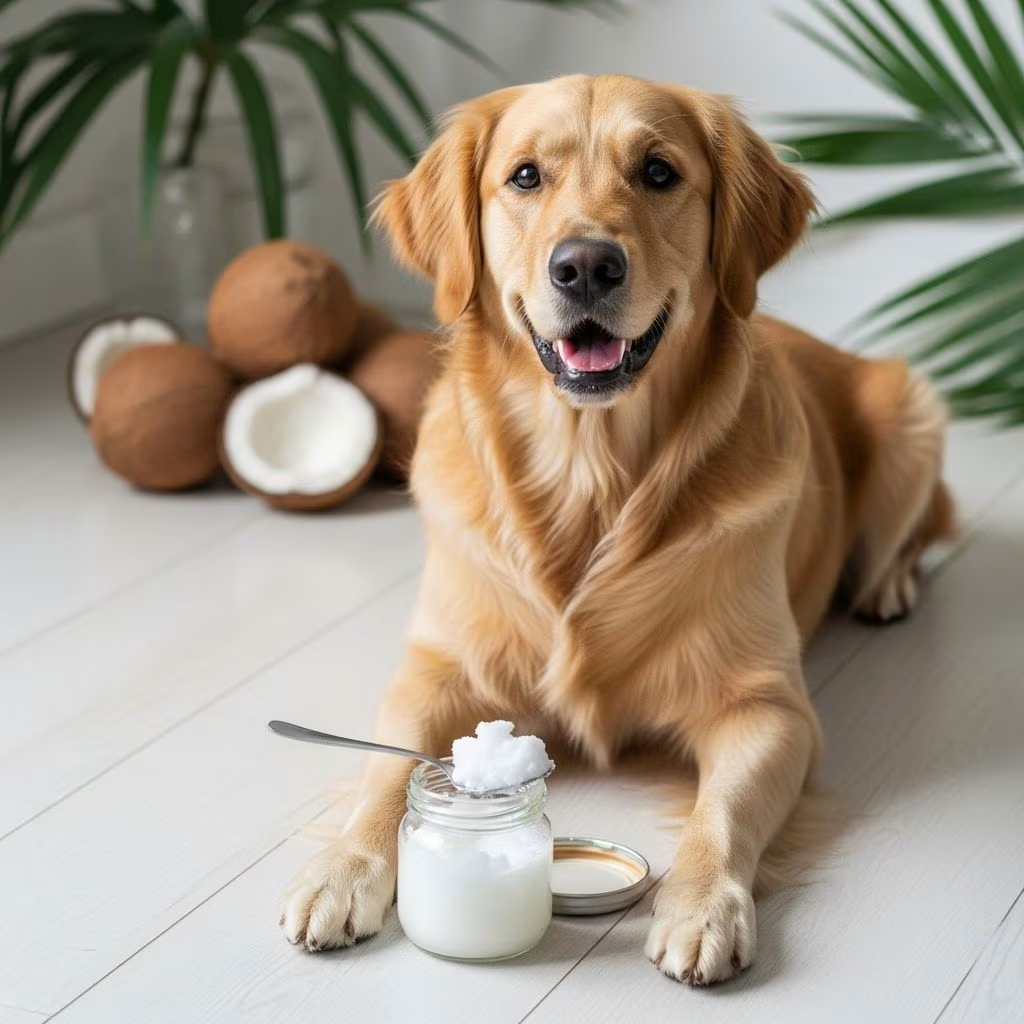
Coconut oil has gained popularity among pet owners for its potential health advantages in dogs, primarily due to medium-chain triglycerides (MCTs) like lauric acid, which offer antimicrobial properties.
Understanding Coconut Oil’s Composition
Coconut oil is rich in saturated fats, particularly MCTs such as lauric, capric, and caprylic acids. These fats differ from typical dietary fats because they are quickly metabolized for energy rather than stored, potentially supporting various bodily functions. Virgin or unrefined coconut oil retains more natural antioxidants and nutrients compared to refined versions, making it preferable for pet use.
Potential Health Advantages for Canines
While human studies provide some basis, canine-specific research is limited. Nonetheless, several benefits are reported based on veterinary insights and preliminary findings.
- Skin and Coat Improvement: Applying coconut oil topically can moisturize dry skin, reduce flakiness, and promote a shinier coat by penetrating hair shafts.
- Digestive Support: MCTs may aid nutrient absorption, balance gut flora, and alleviate mild digestive issues.
- Antimicrobial Effects: Lauric acid combats bacteria, fungi, and viruses, potentially helping with infections or oral health.
- Anti-Inflammatory Properties: It might ease joint inflammation or allergic reactions, though evidence is anecdotal.
- Brain and Energy Boost: MCTs provide quick energy and may support cognitive function in aging dogs.
Topical use for pest repulsion, like against fleas or mites, has shown promise in small studies where coconut oil shampoos reduced infestations and aided wound healing.
Safe Dosage Recommendations
Moderation is crucial to prevent overload of fats. Start small and monitor reactions.
| Dog Size | Starting Oral Dose (per day) | Topical Application |
|---|---|---|
| Small (<20 lbs) | 1/4 – 1/2 tsp | Thin layer on affected areas |
| Medium (20-50 lbs) | 1 tsp | Same, avoid full coat |
| Large (>50 lbs) | 1 tbsp | Same, test patch first |
Introduce gradually over a week, mixing into food for oral use. Consult a vet for personalized advice, especially for overweight or health-compromised dogs.
Application Methods: Oral vs. Topical
Oral Administration Tips
Mix melted coconut oil into meals. It solidifies at room temperature, so warm gently. Benefits may take 1-2 weeks to appear.
Topical Treatments
Warm a small amount and massage into paws, ears, or itchy spots. For baths, add to shampoo. Licking small amounts is usually safe but counts toward daily intake.
Recognizing and Managing Risks
Despite benefits, coconut oil is calorie-dense (120 kcal/tbsp), risking obesity, pancreatitis, or digestive upset with excess.
- Gastrointestinal Issues: Diarrhea, greasy stools, or vomiting from rapid introduction.
- Allergic Reactions: Rare, but watch for itching, hives, or worsened skin conditions.
- Pancreatitis Risk: High-fat content can inflame the pancreas in susceptible dogs.
- Inflammation Concerns: Some research links saturated fats to increased gut permeability or endotoxin levels, potentially promoting inflammation.
- Cholesterol Elevation: Long-term use may raise blood lipids.
Discontinue if adverse signs appear and seek veterinary care.
When to Avoid Coconut Oil Entirely
Not suitable for all dogs. Skip if your pet has:
- Pancreatitis history
- Obesity or diabetes
- Fat-sensitive digestion
- Known allergies to coconuts
Pregnant or lactating dogs require vet approval.
Choosing Quality Coconut Oil
Opt for organic, virgin, cold-pressed oil without additives. Store in a cool, dark place; it lasts up to two years.
Alternatives to Coconut Oil
If unsuitable, consider:
- Fish oil for omega-3s (less inflammatory).
- Coconut water or meat in tiny amounts for hydration and fiber.
- Vet-recommended probiotics for digestion.
- Flaxseed oil for plant-based fats.
Real Owner Experiences and Vet Insights
Many report glossier coats and reduced itching, but results vary. Vets like Dr. Sarah Wooten emphasize its role as a supplement, not staple. Dr. Whittenburg warns of weight gain risks.
Frequently Asked Questions
Can puppies have coconut oil?
Limited amounts post-weaning, but consult a vet due to developing digestion.
Does it help with bad breath?
Possibly via antimicrobial action; add sparingly to dental routines.
Is it safe for topical flea control?
May deter pests but not replace professional treatments.
How long to see benefits?
1-4 weeks for skin/digestion; monitor closely.
What if my dog eats too much?
Expect loose stools; withhold and hydrate. Vet if persistent.
In summary, coconut oil offers targeted benefits for dogs when used judiciously under guidance. Prioritize your pet’s individual needs for optimal results.
References
- Coconut Oil for Dogs: Potential Benefits and Drawbacks — American Kennel Club. 2023-10-15. https://www.akc.org/expert-advice/health/coconut-oil-dogs/
- What to Know About Dogs Eating Coconut Oil — WebMD. 2024-05-22. https://www.webmd.com/pets/dogs/what-to-know-dogs-eat-coconut-oil
- Coconut Oil for Dogs — PetMD. 2024-08-10. https://www.petmd.com/dog/general-health/coconut-oil-for-dogs
- Is Coconut Safe for Dogs? Benefits & Precautions Explained — Heads Up For Tails. 2023-11-05. https://headsupfortails.com/blogs/dogs/coconut-for-dogs
- 5 Benefits of Coconut Oil for Dogs — Chewy. 2024-02-14. https://www.chewy.com/education/dog/food-and-nutrition/coconut-oil-for-dogs
- Coconut Oil for Dogs: Potential Benefits & Precautions — Vetic. 2024-01-20. https://vetic.in/blog/diet-and-nutrition/coconut-oil-for-dogs/
- Is Coconut Oil Good or Bad for Dogs? The Surprising Truth — Healthline. 2023-12-08. https://www.healthline.com/nutrition/coconut-oil-for-dogs



