
Coconut Oil for Dogs: Benefits and Risks
Discover if coconut oil truly benefits your dog's health, from skin and digestion to potential drawbacks like weight gain.
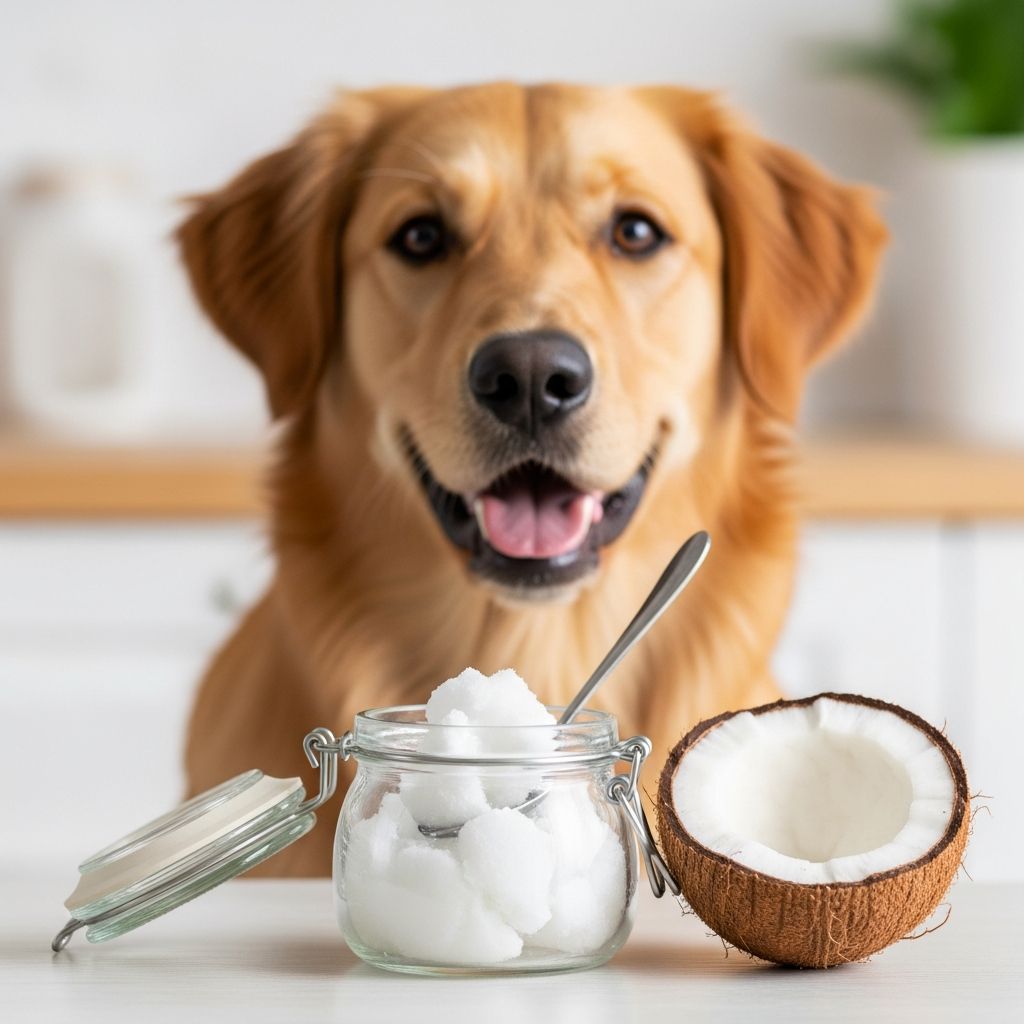
Coconut oil has gained popularity among pet owners for its potential health advantages in dogs, primarily due to its high content of medium-chain triglycerides (MCTs). These unique fats provide quick energy and may support various bodily functions, but moderation is key to avoid adverse effects.
Understanding the Composition of Coconut Oil
Coconut oil is derived from the meat of mature coconuts and consists mostly of saturated fats, with about 90% being medium-chain fatty acids. The primary components include lauric acid (around 50%), capric acid, and caprylic acid, which differentiate it from long-chain fats found in many animal and vegetable oils.
These MCTs are metabolized differently; they are rapidly absorbed in the liver and converted directly into energy rather than stored as fat, making them a efficient fuel source for dogs.
Key Health Benefits Supported by Evidence
Energy Boost and Metabolic Support
MCTs in coconut oil serve as a readily available energy source, particularly beneficial for active dogs or those with high energy needs. Studies indicate they enhance cognitive function in senior dogs by improving memory and alertness.
- Quick conversion to ketones for brain fuel.
- Supports weight management when used sparingly in balanced diets.
Skin and Coat Improvements
Topical or oral use of coconut oil can moisturize dry skin and promote a shiny coat. Lauric acid’s antimicrobial properties help combat bacteria and fungi, reducing itchiness and infections.
Owners often report softer fur and fewer hot spots after consistent application.
Digestive and Gut Health Advantages
Coconut oil may aid digestion by reducing gut inflammation and supporting healthy flora. Research shows dogs with gastrointestinal issues improved on MCT-rich diets, leading to better nutrient absorption and firmer stools.
Anti-Inflammatory and Immune Effects
The fatty acids exhibit anti-inflammatory qualities, potentially easing joint discomfort and allergic reactions. Lauric acid also provides antiviral and antifungal support, bolstering overall immunity.
Potential Thyroid and Senior Dog Support
Some evidence suggests MCTs help regulate thyroid function, aiding metabolism and temperature control. For aging pets, they promote mental sharpness.
Potential Drawbacks and Safety Concerns
Despite benefits, coconut oil is calorie-dense at 120 calories per tablespoon and nearly 100% fat, posing risks for obesity, pancreatitis, and diarrhea.
| Benefit | Potential Risk | Mitigation |
|---|---|---|
| Quick energy from MCTs | Weight gain | Strict dosing |
| Skin health | Digestive upset | Start low, increase slowly |
| Gut support | Pancreatitis in prone breeds | Vet consultation |
Safe Dosing Guidelines for Different Dog Sizes
Start with 1/4 teaspoon per 10 pounds of body weight daily, gradually increasing to 1 teaspoon per 10 pounds over weeks. Divide into meals to prevent stomach issues.
- Small dogs (under 20 lbs): 1/4 to 1/2 tsp/day
- Medium dogs (20-50 lbs): 1/2 to 1 tsp/day
- Large dogs (over 50 lbs): 1-2 tsp/day
Monitor for loose stools or lethargy, and adjust accordingly. Overweight or pancreatitis-prone dogs should avoid it.
How to Incorporate Coconut Oil into Your Dog’s Routine
Oral Administration Methods
Mix melted virgin coconut oil into food, kibble toppers, or treats. Opt for unrefined, organic varieties to retain nutrients.
Topical Applications
For skin issues, apply directly to affected areas, massaging in. Use as a paw balm or ear cleaner (diluted).
Integration with Commercial Diets
Some dog foods include coconut oil for added MCTs; check labels. Pair with omega-3 sources for balanced fatty acids.
Scientific Research: What Studies Say
While promising, much evidence comes from small studies or extrapolations from human research. A study on MCT diets improved GI disorders in dogs, and MCTs enhanced cognition in seniors.
Larger veterinary trials are needed. Experts recommend it as a supplement, not a cure-all.
Common Myths vs. Facts
- Myth: Coconut oil cures allergies. Fact: It supports but doesn’t eliminate them.
- Myth: Unlimited amounts are safe. Fact: Excess leads to health issues.
- Myth: All fats are equal. Fact: MCTs are uniquely digestible.
Frequently Asked Questions (FAQs)
Can all dogs have coconut oil?
Most can in moderation, but consult a vet for puppies, pregnant dogs, or those with health conditions.
Is virgin coconut oil best for dogs?
Yes, it preserves natural MCTs and antioxidants without refining chemicals.
What if my dog gets diarrhea from it?
Reduce dose or stop; it indicates fat overload.
Does it help with bad breath?
Possibly, via antimicrobial lauric acid reducing oral bacteria.
Can it replace fish oil?
No, combine for full omega benefits.
Expert Recommendations and When to See a Vet
Veterinarians suggest virgin coconut oil as part of holistic care but emphasize balanced nutrition first. Seek professional advice before starting, especially for chronic issues.
Alternatives include fish oil for omegas or specialized senior formulas with botanical MCTs.
Real Owner Experiences and Tips
Many report glossier coats and better digestion after 2-4 weeks. Tip: Warm slightly for easier mixing; store in cool, dark place.
References
- Benefits of Dog Food With Coconut Oil for Your Pup — Yumwoof. 2023. https://yumwoof.com/blogs/nutrition/dog-food-with-coconut-oil
- 5 Benefits of Coconut Oil for Dogs — Chewy. 2024. https://www.chewy.com/education/dog/food-and-nutrition/coconut-oil-for-dogs
- Is Coconut Oil Safe for Dogs? — GoodRx. 2024. https://www.goodrx.com/pet-health/dog/is-coconut-oil-safe-for-dogs
- Is Coconut Oil Good for Dogs and Cats? — Dublin Vet Clinic. 2023. https://www.dublinvetclinic.com/coconut-oil-good-for-dogs-and-cats/
- Coconut Oil for Dogs — DogCancer.com. 2022. https://www.dogcancer.com/articles/diet-and-lifestyle/coconut-oil-for-dogs/
- Is Coconut Oil Good for Dogs? — Purina US. 2024. https://www.purina.com/articles/dog/health/nutrition/is-coconut-oil-good-for-dogs
Similar Articles








Read full bio of medha deb




