

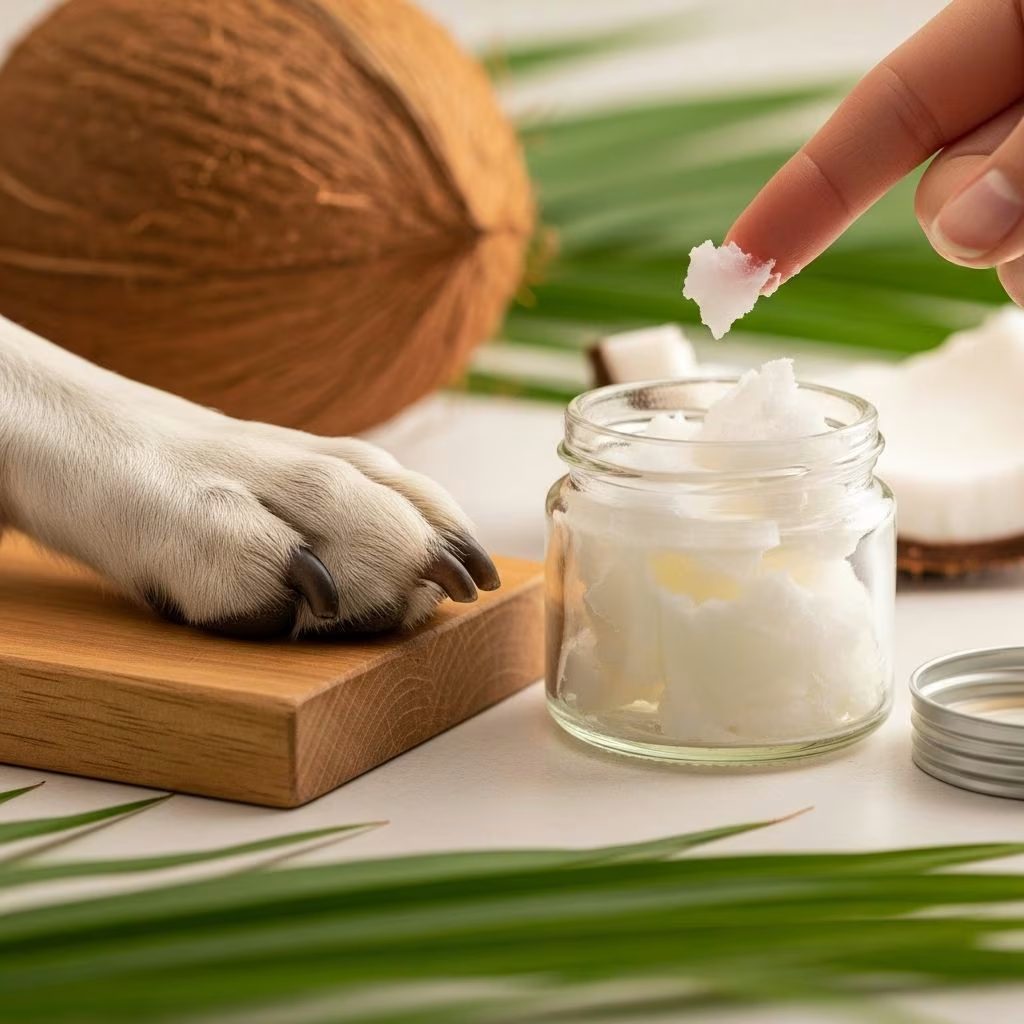
Dogs frequently suffer from dry, cracked paw pads due to harsh weather, rough surfaces, or allergies, prompting many owners to seek natural solutions like coconut oil. This versatile substance, derived from coconut kernels, offers moisturizing properties that can temporarily ease discomfort on paws, though scientific evidence remains limited.
Understanding Paw Pad Problems in Dogs
A dog’s paw pads serve as shock absorbers, providing traction and protection. Exposure to hot pavement, ice melt chemicals, or dry air leads to cracking, fissuring, or hyperkeratosis—excessive skin thickening. These issues cause pain, limping, or excessive licking, potentially worsening infections.
- Common causes: Seasonal dryness, allergies, frequent walking on abrasive terrain.
- Symptoms: Redness, flaking, bleeding cracks, reluctance to walk.
- Why paws matter: They contact toxins and allergens directly, amplifying skin barrier breaches.
Neglecting paw health affects mobility and quality of life, making timely interventions essential.
Properties of Coconut Oil That Appeal to Pet Owners
Coconut oil solidifies below 76°F (24°C), forming a semi-occlusive barrier that locks in moisture. It contains lauric acid, a medium-chain triglyceride (MCT) with antimicrobial effects against bacteria and fungi in lab settings.
Virgin, unrefined coconut oil preserves these compounds without additives, unlike refined versions. Its emollient nature softens keratinized tissue, potentially aiding minor abrasions.
| Component | Potential Paw Benefit |
|---|---|
| Lauric Acid (≈50%) | Antibacterial, antifungal action |
| Caprylic Acid | Moisturizing, anti-inflammatory |
| Saturated Fats | Barrier protection against elements |
While human dermatology supports these traits, canine-specific studies are sparse.
Potential Advantages for Canine Paw Health
Anecdotal reports highlight coconut oil’s role in hydrating parched pads, reducing itch from hot spots, and forming a shield against irritants.
- Hydration boost: Penetrates stratum corneum, restoring suppleness to flaky pads.
- Barrier function: Prevents further moisture loss in arid climates or post-bath.
- Mild antimicrobial: May deter yeast or bacterial overgrowth in moist cracks.
- Soothes minor injuries: Eases summer burns or winter chapping without steroids.
Veterinarians like Dr. Simon note its utility in skin barrier support regimens for dry conditions. Small applications yield visible softening within days, per owner experiences.
Safety Concerns and Limitations
Despite upsides, coconut oil isn’t risk-free for paws. Its slick texture heightens slip hazards on tile or wood, risking sprains or falls—especially for active breeds.
Ingestion occurs as dogs lick paws; small amounts (under 1 tsp) pose minimal threat, but excess fat content triggers diarrhea, greasy stools, or pancreatitis flares in predisposed dogs.
- Caloric density: 120 kcal/tbsp contributes to obesity if chronically licked.
- Cholesterol elevation: Studies link prolonged use to hyperlipidemia and arterial plaques.
- Allergy potential: Rare contact dermatitis manifests as worsened redness.
- Pore clogging: Greasy residue traps debris, promoting folliculitis.
Pancreatitis-prone, overweight, or lipid-metabolism-impaired dogs warrant vet clearance.
Best Practices for Application
To harness benefits while minimizing downsides, follow precise protocols.
- Select quality oil: Opt for organic, virgin coconut oil; fractioned variants stay liquid but lack full antimicrobials.
- Prep paws: Clean with mild shampoo, dry thoroughly to enhance absorption.
- Apply sparingly: Warm pea-sized amount between fingers, massage into pads and interdigital skin. Avoid fur to prevent matting.
- Allow absorption: Wait 10-15 minutes before walks; use booties on slick floors.
- Frequency: 2-3 times weekly max; monitor for adverse reactions.
For enhanced efficacy, blend with shea butter or beeswax into balms—reducing slipperiness.
Alternatives to Coconut Oil for Paw Protection
Not all dogs tolerate oils; consider these evidence-supported options.
| Product Type | Key Ingredients | Best For |
|---|---|---|
| Paw Wax/Balm | Beeswax, Vitamin E | Grip-maintaining protection |
| Oatmeal Lotion | Colloidal oatmeal | Itch relief, allergies |
| Pet-Safe Antifungal Cream | Miconazole | Infections |
| Humectant Sprays | Aloe vera, glycerin | Daily hydration sans grease |
Vet-prescribed topicals outperform DIY for severe cases like pododermatitis.
Integrating Coconut Oil into Broader Paw Care Routines
Holistic management trumps standalone remedies. Trim overgrown nails, inspect daily for foreign bodies, and moisturize proactively.
- Seasonal adjustments: Thicker balms in winter, lighter gels in summer.
- Dietary support: Omega-3 supplements bolster skin from within.
- Breed considerations: Short-nosed brachycephalics or hairless dogs need extra vigilance.
Track progress with photos; discontinue if no improvement in 1-2 weeks.
When to Consult a Veterinarian
Coconut oil suits mild dryness only. Seek professional help for persistent limping, pus, foul odors, or systemic signs like lethargy—indicating infections or allergies.
Pre-existing conditions amplify risks; vets assess via bloodwork for safe integration.
FAQs on Coconut Oil and Dog Paws
Is coconut oil toxic if my dog licks it off their paws?
Small licked amounts are safe, but monitor for GI upset; large ingestion risks diarrhea or pancreatitis.
How much coconut oil should I use on paws?
A pea-sized dab per paw suffices; overuse increases slip and ingestion risks.
Can puppies or senior dogs use it?
Yes, sparingly, but consult vets for vulnerable pups or elders with sensitivities.
Does it work for yeast infections on paws?
Lauric acid offers mild antifungal aid, but prescription meds are superior for confirmed cases.
What if my dog’s paws worsen after application?
Stop use; allergy or clogging may occur—rinse and vet-evaluate.
Research underscores moderation: Topical coconut oil aids paw moisture but lacks robust trials. Prioritize observation and professional guidance for optimal outcomes.
References
- Can You Put Coconut Oil on a Dog’s Paws? Science-Based Facts — Dogster. 2023. https://www.dogster.com/dog-health-care/can-you-put-coconut-oil-on-a-dogs-paws
- Coconut Oil for Dogs: Potential Benefits and Drawbacks — American Kennel Club. 2024-01-15. https://www.akc.org/expert-advice/health/coconut-oil-dogs/
- The Risks and Benefits of Coconut Oil for Pets — The Drake Center. 2023-05-20. https://www.thedrakecenter.com/about-us/in-the-news/risks-and-benefits-coconut-oil-pets
- Is Coconut Oil Beneficial for Dogs? — The Pooch Mobile. 2024. https://www.thepoochmobile.com/is-coconut-oil-beneficial-for-dogs
- Is Coconut Oil Good or Bad for Dogs? The Surprising Truth — Healthline. 2023-11-10. https://www.healthline.com/nutrition/coconut-oil-for-dogs
- Coconut Oil Uses for Dogs — PetPlace. 2024-02-01. https://www.petplace.com/article/dogs/pet-health/coconut-oil-uses-for-dogs
- Is Coconut Oil Safe for Dogs? Yes, But Here’s What You Should Know — GoodRx. 2025-06-12. https://www.goodrx.com/pet-health/dog/is-coconut-oil-safe-for-dogs



